
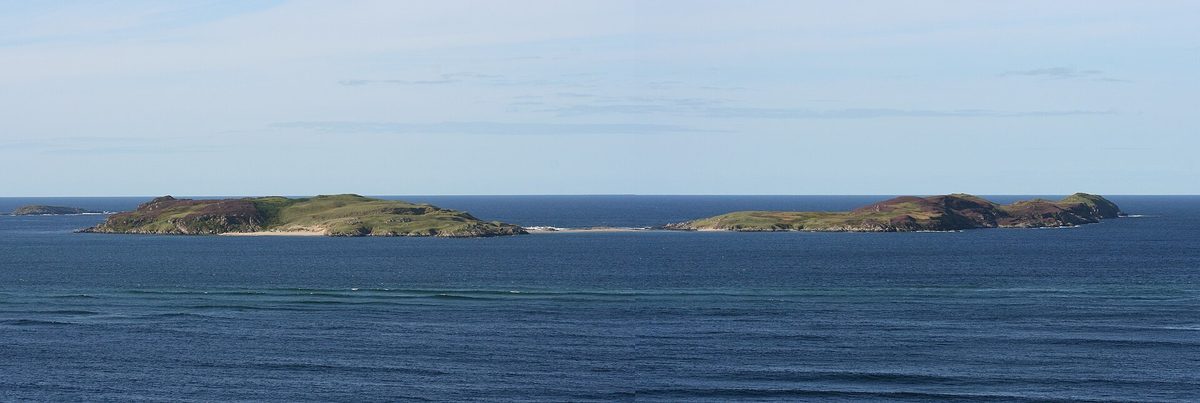
Polyaigos, off the coast of Milos, is the biggest uninhabited island in the Aegean — a protected paradise of glowing Blue Bay. White cliffs and sea caves, reached only by boat. Plan a trip with boat tours and tickets from My Greece Tours.
Polyaigos is a pristine boat-trip highlight of the Milos travel guide. The sections below cover what Polyaigos is, how to visit it by boat, the beaches like Blue Bay, the caves and wildlife, and tips for the trip.
What is Polyaigos?
Polyaigos, also spelled Poliegos, is the biggest uninhabited island in the Aegean, lying just off the southeast coast of Milos, between Milos and Kimolos. Its name means “a host of goats”, and indeed wild goats outnumber the visitors.
Protected and undeveloped, it has no permanent residents, hotels, roads or beach bars, only pristine beaches, white cliffs, sea caves and glowing turquoise water. Reached only by boat, Polyaigos is a wild natural paradise and one of the most beautiful day-trip destinations from Milos. Polyaigos, sometimes written Poliegos, is a small island with an outsized reputation, celebrated as the largest uninhabited island in the whole Aegean Sea. It sits just off the southeastern coast of Milos, in the channel between Milos and its neighbour Kimolos, close enough to reach easily yet a world apart.
Its name translates as “a host of goats”, a fitting description for an island where wild goats far outnumber the day-trippers who arrive by boat. Crucially, Polyaigos has no permanent residents, no hotels, no roads, no organised beaches and no beach bars; it is a protected, undeveloped wilderness left almost entirely to nature. What it offers instead is extraordinary natural beauty: pristine beaches, dazzling white marble-like cliffs, sea caves, and water of an almost unreal, glowing turquoise clarity. Reached only by boat, this untouched island is widely regarded as one of the most beautiful destinations in the Cyclades and a highlight of any boat trip from Milos.
A chance to swim and explore in genuinely wild surroundings. The questions below cover what visitors ask most.
How do you visit Polyaigos from Milos?
Polyaigos has no port or residents, so the sole way to reach it is by boat. Tours leave from the two main ports of Milos, Adamas and Pollonia..
With a host of departing from Pollonia, which is closest and reaches the island’s famous Blue Bay in about 15 minutes. Trips range from dedicated Polyaigos excursions to full-day cruises that combine it with Kleftiko and a round of Milos. There is no infrastructure on the island, so all boat trips bring what you need for a day of swimming and exploring. Visiting Polyaigos is entirely a matter of taking to the water, since the island has no port. No roads and no residents, so there is no way to arrive except by boat.
This is part of what keeps it so pristine, as access is limited to those who join an organised cruise or hire a boat.
Tours set out from the two main ports of Milos, Adamas and Pollonia. A host of depart from Pollonia on the northeast coast, which lies closest to Polyaigos and can reach the island’s celebrated Blue Bay in as little as fifteen minutes. While cruises from Adamas often fold Polyaigos into a wider itinerary. The trips themselves vary: certain are dedicated Polyaigos excursions focused on its beaches and caves. While others are full-day cruises that combine the island with the spectacular sea caves of Kleftiko and a round trip of the Milos coastline, giving a rich day at sea. Because there is no infrastructure of any kind on Polyaigos, no shops, tavernas or facilities.
The boat tours provide everything needed for the day, so you simply bring sun protection, water and a swimsuit and let the crew handle the rest. The questions below cover what visitors ask most.
What are the beaches and Blue Bay like?
Polyaigos is ringed by stunning, pristine beaches, the most famous being Blue Bay (Chochlakia). Where the sea glows an iridescent turquoise against white marble-like cliffs, often compared to swimming in liquid sapphire.
Other highlights include the sandy Pano and Kato Mersini on the southeast shore, and the aptly named Pisina, or “swimming pool”, with its glassy water. With no development or crowds, the beaches feel wild and untouched, and the exceptional clarity and colour of the water make Polyaigos a paradise for swimming and snorkelling. The beaches of Polyaigos are the island’s greatest glory, and because nothing has been built on them they remain as wild and unspoilt as any in Greece. The undisputed star is Blue Bay, known in Greek as Chochlakia, where the sea takes on an iridescent, almost luminous turquoise glow set against pale.
White marble-like cliffs, a sight so striking that visitors often describe swimming there as immersing themselves in liquid sapphire.
Beyond Blue Bay, the island offers a string of other beautiful beaches. On the southeastern shore lie the sandy bays of Pano and Kato Mersini, the upper and lower.. With Kato Mersini the larger and bordering a small wetland, while the delightfully named Pisina. Meaning swimming pool, lives up to its name with water so clear and calm it resembles a natural pool. What unites all of them is the absence of development and crowds, leaving beaches that feel genuinely remote and untouched, and water of exceptional clarity and colour. For swimming and snorkelling in pristine, jewel-like surroundings, far from any beach bar or sunbed.
The beaches of Polyaigos are unforgettable, the reason the island tops so a host of boat-trip wish lists. The questions below cover what visitors ask most.
What caves and wildlife can you see?
Polyaigos is rich in sea caves and wildlife. The Fanara cave can be sailed into. Its collapsed roof lets sunlight turn the water a brilliant blue, while the tall Diamantospilia caves to the north are large enough for a boat.
The island shelters wild goats, migratory birds including Eleonora’s falcon, and rare Mediterranean monk seals in its sea caves. A lighthouse on the southeastern cliffs offers panoramic Aegean views via a short hike, and an old church survives in the northwest. Nature and caves make Polyaigos more than just beaches. Beyond its beaches, Polyaigos rewards visitors with dramatic sea caves and a wealth of wildlife that reflect its protected, undeveloped status. Among the caves, the Fanara cave is a favourite, large enough to sail into. Remarkable because its collapsed roof lets sunlight pour in and turn the water inside a glowing blue, while to the north the tall.
Impressive Diamantospilia caves are also big enough to admit a sailing boat, making for spectacular moments on a cruise.
The island’s wildlife is just as compelling. As a protected nature site, Polyaigos shelters the wild goats that give it its name, alongside reptiles and migratory birds. Including the Eleonora’s falcon, and, most precious of all, rare Mediterranean monk seals that haul out and breed in the seclusion of its sea caves. For those who land, a thirty-minute scenic hike from the coast leads up to the Polyaigos lighthouse on the southeastern cliffs. Now disused but still commanding sweeping panoramic views over the surrounding Cyclades. In the northwest stands the lone church of Panagia Polyviatissa, the last remnant of an old monastery.
These caves, creatures and quiet landmarks give Polyaigos a depth beyond its swimming, making a visit a genuine encounter with wild Aegean nature. The questions below cover what visitors ask most.
Plan a visit by booking a Milos boat tour that includes it, departing from Pollonia, and combine it with the Kimolos day trip and the wider Milos beaches.
What tips help for a Polyaigos boat trip?
For a Polyaigos boat trip, book ahead in summer as the tours fill up. Choose between a quicker trip from Pollonia or a full-day cruise from Adamas that adds Kleftiko.
Pick a calm day, as the crossing and the island’s exposed bays are weather-dependent and trips can be cancelled in strong meltemi winds. Bring sun protection, water, a hat and a towel, as there is no shade or facilities on the island. A morning departure brings calmer seas and the best light on Blue Bay. A handful of practical tips ensure a Polyaigos boat trip lives up to its promise. Because the island is a popular highlight, book your tour ahead in the summer when places fill quickly. Decide which kind of trip suits you: a shorter, focused excursion from nearby Pollonia, which reaches Blue Bay in minutes.
Or a full-day cruise from Adamas that combines Polyaigos with the sea caves of Kleftiko and a round of the Milos coast for a fuller day at sea.
The weather matters greatly here. The crossing and the island’s open, exposed bays depend on calm conditions. Trips are sometimes cancelled at short notice when the strong summer meltemi wind whips up the sea, so build flexibility into your plans and check the forecast. Come fully prepared for a day with no infrastructure: bring strong sun protection, ample water. A hat and a towel, since Polyaigos has no shade, shops or facilities of any kind. Choosing a morning departure tends to mean calmer seas and the most beautiful light on the glowing turquoise of Blue Bay. Plan around the weather, book early and come equipped.
A day trip to this wild, uninhabited island will be one of the most memorable experiences of a holiday on Milos. The questions below cover what visitors ask most.
Frequently Asked Questions
How do you get to Polyaigos?
Polyaigos can only be reached by boat, as it has no port, roads or residents. Boat tours leave from the two main ports of Milos, Adamas and Pollonia.. With a host of departing from Pollonia, which is closest and reaches the island’s famous Blue Bay in about 15 minutes. Trips range from dedicated Polyaigos excursions to full-day cruises that also take in Kleftiko. There is no infrastructure on the island, so the tours bring everything you need.
Why is Polyaigos famous?
Polyaigos is famous as the biggest uninhabited island in the Aegean, a protected, undeveloped paradise off the coast of Milos. It is renowned for its glowing turquoise Blue Bay set against white cliffs, its pristine beaches, its sea caves that boats can sail into. Its wildlife, including wild goats, Eleonora’s falcons and rare Mediterranean monk seals. With no residents, hotels or roads, it offers wild, crowd-free natural beauty reached only by boat.
Is Polyaigos worth visiting?
Yes, Polyaigos is well worth visiting and is one of the most beautiful boat-trip destinations from Milos. Its glowing Blue Bay, pristine undeveloped beaches, dramatic sea caves and rich wildlife make it a wild Aegean paradise. Perfect for swimming and snorkelling in jewel-like water far from any crowds. It is reached only by boat, often on a full-day cruise combined with Kleftiko, so book ahead in summer and choose a calm day for the trip.