
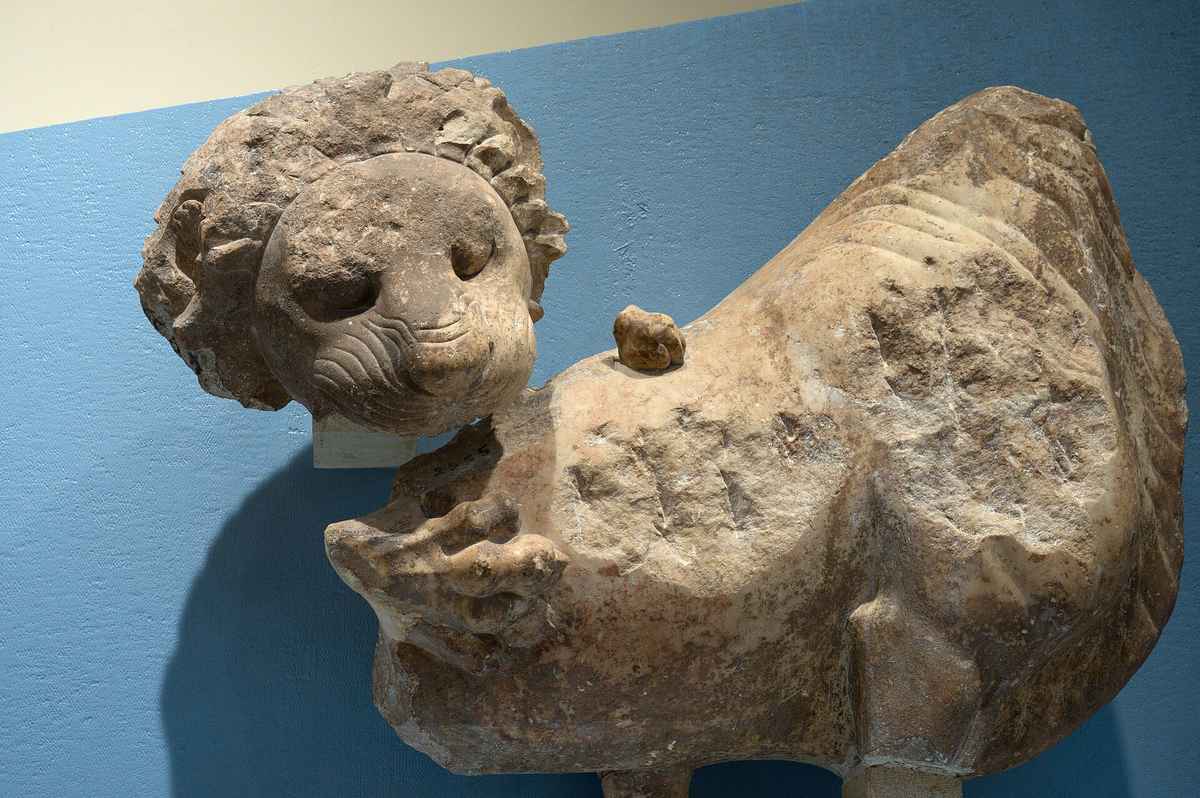
Parian marble is the fine-grained, semi-translucent white stone of Paros, prized above all others in antiquity for sculpture. Quarried at Marathi from the seventh century BC, it shaped masterpieces such as the Venus de Milo and made the island a great artistic centre. This guide covers what the marble is, its ancient quarries, the works carved from it and how to see it today. Plan the whole trip with Greece Tours.
The marble is the deepest layer of the island’s identity, a trust-building thread in the wider Paros travel guide. It links the island to the heart of Greek art. The sections below cover its story.
What is this marble?
It is a fine-grained, pure-white, semi-translucent marble quarried on Paros, known in antiquity as Paria lithos. A prized subtype called lychnites lets light pass a few centimetres into the stone, giving carved figures a lifelike glow unmatched by other marbles.
The stone is among the finest sculptural marbles ever worked. Its tight, even grain and pure white colour allowed sculptors to carve crisp detail, while its translucency, strongest in the subtype called lychnites, let light sink into the surface so that statues seemed to glow from within. This quality set it above the marble of Mount Pentelikon near Athens for the finest work. Ancient writers prized it by name, and its reputation spread across the Mediterranean. The stone came from one place above all.
Where was it quarried?
It was quarried at Marathi, on the slopes of Mount Marpissa in the centre of the island, from the seventh century BC. The site holds both open-pit and underground galleries, including the famous Nymphs’ quarry, now an archaeological park open to visitors.
The quarries lie in the island’s green interior. At Marathi, a few kilometres east of Parikia, ancient miners cut the marble from open pits and deep underground galleries, working by oil lamp, which is how the lychnites subtype earned its name from the Greek for lamp. Quarrying began around the seventh century BC and intensified from the sixth, supplying workshops across Greece. The underground tunnels, including the carved Nymphs’ relief at the entrance, survive within the Ancient Marble Quarries Park, set out in the guide to Paros villages. The marble’s fame rests on what was made from it.
What masterpieces were carved from it?
Some of the greatest works of ancient Greek sculpture were carved from it, including the Winged Victory of Samothrace, the Venus de Milo and the Medici Venus. The island’s own sculptors, such as Scopas and Agoracritus, were among the most celebrated of antiquity.
The marble shaped the masterpieces of the classical world. The Venus de Milo, the Winged Victory of Samothrace and the Medici Venus were all carved from the stone, along with countless temple sculptures and grave reliefs. The island was not only the source of the material but a great centre of the craft, producing renowned sculptors including Scopas, Agoracritus and Thrasymedes. This combination of fine stone and master carvers made the island one of the artistic capitals of antiquity, a heritage echoed across the Cyclades. The legacy is visible on the island today.
How can you see it today?
You can see it today at the Ancient Marble Quarries Park at Marathi, in the Archaeological Museum of Parikia, and in the marble lanes, churches and fountains of the island’s towns. A guided tour brings the quarries and their history to life.
The marble’s story is easy to trace on a visit. The Ancient Marble Quarries Park at Marathi lets visitors see the open pits and the mouths of the underground galleries, while the Archaeological Museum in Parikia displays ancient sculptures carved from the local stone. The marble also paves the lanes of Parikia and Lefkes and builds the great Church of 100 Doors, covered in the guide to Panagia Ekatontapyliani. A guided tour adds the context, set out in the guide to Paros tours. The questions below cover the points travellers ask most.
Why did it matter so much?
It mattered because its purity and translucency made it the finest material for sculpture in the ancient world, driving the island’s wealth and artistic fame. Demand for the stone made Paros one of the most important cultural centres of antiquity.
The marble underpinned the island’s golden age. Its unmatched quality drew commissions from across Greece, bringing wealth that funded temples, art and a thriving school of sculptors. The stone travelled to sanctuaries and cities throughout the Mediterranean, spreading the island’s name with it. That ancient prestige still shapes the island’s identity, from the quarries to the museums and the marble underfoot in its towns, set within the wider things to do in Paros. The marble remains the island’s proudest export. The questions below cover the points travellers ask most.
How was the marble extracted?
The marble was extracted from open pits and deep underground galleries cut by hand, the finest lychnites won by lamplight in tunnels. Workers split blocks with wedges and levered them out, then hauled them to the coast for shipping across the Mediterranean.
Ancient quarrying was slow, skilled and laborious. At Marathi, miners cut the stone from open terraces and followed the purest seams deep underground, where the prized lychnites was worked by the light of oil lamps, which gave the subtype its name. Blocks were freed with wedges and iron tools, levered onto sledges and dragged down to the shore, then shipped to workshops and sanctuaries across the Greek world. The effort reflected the marble’s extraordinary value, set within the wider guide to Paros villages. The lamplit variety was the most prized of all.
What is the lychnites variety?
Lychnites is the finest grade of Parian marble, a pure-white, deeply translucent stone quarried underground by lamplight. Sculptors prized it above all others for its even grain and luminous surface, using it for the greatest classical statues.
Lychnites set the standard for ancient sculpture. Won from the underground galleries at Marathi, it is the purest, most translucent grade of the island’s marble, its name drawn from the Greek for lamp, after the lamps that lit the tunnels. Its fine, even crystals let sculptors carve crisp detail and allowed light to sink into the surface, giving finished figures a soft, lifelike glow. This quality made it the material of choice for masterpieces across Greece, set out alongside the guide to things to do in Paros. Its works survive in great museums.
Where can you see Parian marble sculptures?
You can see Parian marble sculptures in the world’s great museums, including the Louvre and major Greek collections, and locally in the Archaeological Museum of Parikia. The island’s churches, lanes and fountains also show the stone in everyday use.
The marble’s masterpieces are scattered across the world. The Venus de Milo and Winged Victory of Samothrace both stand in the Louvre, while temple sculptures and grave reliefs fill the great Greek museums. On the island itself, the Archaeological Museum in Parikia displays ancient figures carved from the local stone, and the marble paves the lanes of Parikia and Lefkes and builds the Church of 100 Doors. Seeing it in place connects the quarries to the craft, set out in the guide to Panagia Ekatontapyliani. Quarrying has all but ended today.
Is the marble still quarried?
The marble is no longer quarried on a large scale, and the ancient Marathi quarries are now a heritage site rather than a working mine. Their galleries are preserved within the Ancient Marble Quarries Park as a monument to the island’s craft.
The great age of Parian marble has passed. Systematic quarrying that supplied the ancient world wound down over the centuries, and today the historic site at Marathi is preserved rather than worked, its open pits and underground galleries kept as the Ancient Marble Quarries Park. The park lets visitors walk among the workings and see where the famous stone came from, a monument to the island’s place in art history. Its legacy lives on in the museums and the island’s stone, set out alongside the guide to Paros tours. The questions below cover the points travellers ask most.
Frequently Asked Questions
What is Parian marble famous for?
Parian marble is famous as the finest white marble of antiquity, prized for sculpture for its pure colour and translucency. Masterpieces including the Winged Victory of Samothrace and the Venus de Milo were carved from the stone of Paros.
Where are the Parian marble quarries?
The quarries are at Marathi, on the slopes of Mount Marpissa in the centre of Paros, a few kilometres east of Parikia. The site holds open pits and underground galleries and is now the Ancient Marble Quarries Park, open to visitors.
Can you visit the marble quarries in Paros?
You can visit the Ancient Marble Quarries Park at Marathi to see the open pits and the underground galleries. Ancient sculptures carved from the marble are also displayed at the Archaeological Museum in Parikia, and guided tours add the history.