
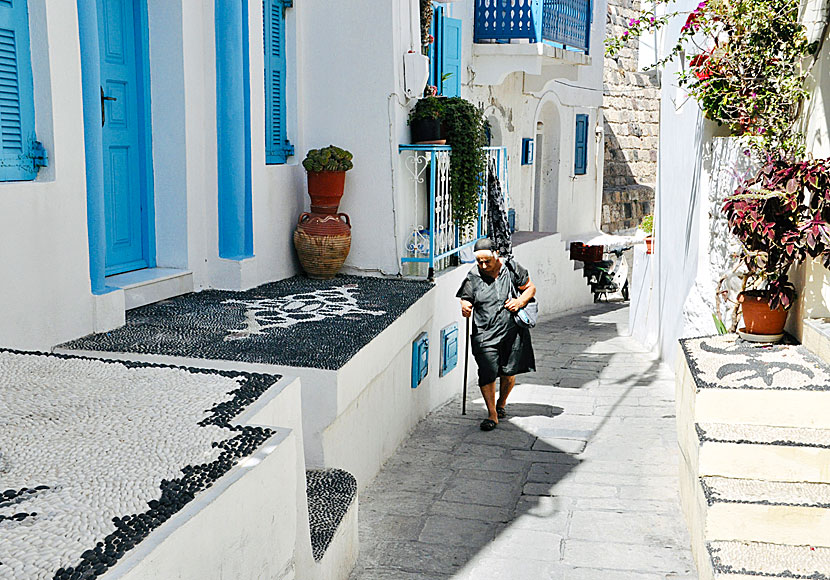
Nisyros travel guide: Plan 2–4 days on Greece’s volcanic island — ferry tips, Stefanos crater access, best beaches, tavernas, and practical local advice.
Nisyros Travel Guide: Discover Nisyros Island, Greece
Nisyros is one of those small Greek islands that feels like a secret you want to keep, until you can’t help but tell friends. Tucked between Kos and Tilos in the Dodecanese, this compact volcanic island combines dramatic lunar landscapes, quiet villages, warm tavernas, and beaches that rarely feel crowded. In this Nisyros travel guide, we’ll walk you through everything we’ve learned living and guiding on the island: how to get here, the best things to do in Nisyros, Greece, where to eat and sleep, plus practical tips to make the most of your visit.
Why Visit Nisyros
Nisyros At A Glance
Nisyros is small, about 41 square kilometers, and home to roughly 1,000 residents. The island’s dramatic identity is volcanic: at its center is one of Greece’s most accessible calderas, Stefanos crater, where sulfur fumes and colored mineral deposits create a landscape more akin to the moon than the Aegean. Even though the rugged core, Nisyros has charming whitewashed villages, quiet harbors, and pocket beaches framed by black volcanic sand.
We often describe Nisyros as an island of contrasts: lunar geology and lush terraces, sleepy lanes and warm hospitality. For travelers who want authentic island life without big crowds or loud nightlife, Nisyros is a near-perfect pick.
What Makes Nisyros Unique
What sets Nisyros apart from busier Cycladic or Dodecanese neighbors is accessibility to volcanic features and an unforced, local rhythm. You can walk right to the edge of an active crater, sip coffee under plane trees in Mandraki, and find a secluded rocky cove within the same afternoon. The island’s villages, Emporios, Nikia, and Pali, among them, preserve traditional architecture and slow-paced daily life. Local festivals (panigyria), where food, music, and dance carry on late into the night, offer a vivid window into island culture.
Another draw: Nisyros is a great base for easy island hopping. Ferries connect it to Kos, Tilos, and other Dodecanese islands, making it a peaceful stop on a larger Aegean route. For us, Nisyros blends geology, culture, and quiet beaches into an island experience that feels both adventurous and restorative.
Practical Travel Information
How To Get To Nisyros (Ferries, Flights, Island Hopping)
There are no commercial flights to Nisyros; access is by sea. Ferries and local caïque services run from Kos (the most common gateway), and during summer you’ll find regular connections from other Dodecanese islands such as Tilos, Rhodes, and Kalymnos. From Kos, ferries typically take about 1–1.5 hours, depending on the vessel: high-speed boats are faster but can be pricier.
If you’re island-hopping, plan your legs around ferry timetables (they can change week-to-week in shoulder seasons). We recommend booking return or onward tickets in July–August, since ferries can fill up. For greater flexibility, local operators also run private boat transfers, handy if you arrive late or travel with lots of luggage.
Best Time To Visit And Weather
The ideal window for visiting Nisyros is late May–early July and September–early October. During these months, you’ll have warm swimming weather, open businesses, and fewer crowds. July–August are the warmest and busiest, expect higher prices and more ferries. Winter is quiet: some tavernas and guesthouses close, but the island reveals a different, peaceful side for off-season travelers.
Average summer highs range 28–33°C (82–91°F): evenings are pleasantly cooler. Spring brings wildflowers and excellent hiking weather: autumn offers clear seas and warm days well into October.
How Many Days To Stay
Nisyros comfortably rewards 2–4 days. In a day and a half, you can visit Stefanos crater, wander Mandraki, and relax on a beach. Two to three days lets you explore multiple villages, take a boat trip to secluded coves, and dine leisurely at recommended tavernas. If you’re combining island hopping, a quick stopover of 24–36 hours still captures the island’s highlights.
Getting Around The Island (Car, Bike, Public Transport)
Renting a car or a quad is the most convenient way to explore. Roads are generally well-maintained but narrow in places: a small car suits most routes. Motorbikes or e-bikes are popular for solo travelers and couples. There’s a modest public bus network linking Mandraki to Emporios and some beaches, but services are limited, especially in the shoulder season.
Taxis exist but can be scarce outside town. We recommend booking rentals in advance during high season through local businesses (many hosts on Nisyros are family-run and can arrange vehicles). Also, keep in mind that some attractions, including crater trails and remote coves, are easiest reached by private vehicle or boat.
Top Things To Do On Nisyros
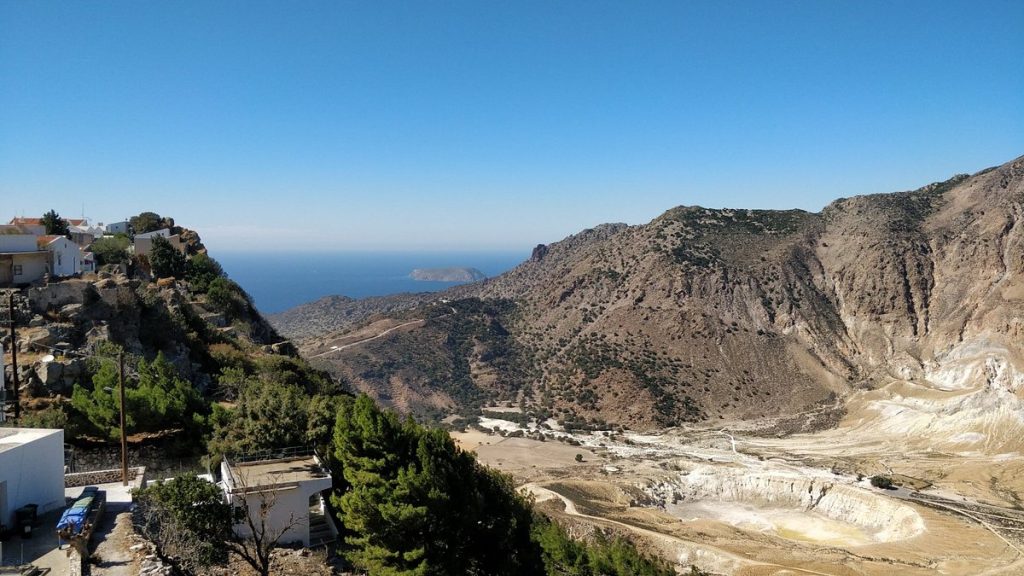
Explore Stefanos Crater And The Volcanic Landscape
Visiting Stefanos crater is the essential Nisyros experience. A short, easy walk takes you into the caldera rim where fumaroles vent sulfur, and the ground is streaked with ochres and greys. The soundscape, soft hissing of steam, distant sea, feels hypnotic. Wear sturdy shoes and sun protection: the light reflects off the pale minerals. Nearby are other smaller craters and lava flows worth photographing at golden hour.
Wander Mandraki Harbor And Traditional Villages
Mandraki is Nisyros’ hub: a pretty port with cafes, waterfront tavernas, and narrow lanes. We like starting mornings here with a coffee and a stroll. From Mandraki, explore nearby Emporios with its terraced gardens, Nikia perched on volcanic slopes, and Pali, a cluster of white houses with alleys that open onto sea views.
Don’t miss a walk through the hilltop village of Mandraki’s castle area (Castro) for spectacular panoramas. The villages are small, so wandering is the best way to discover hidden courtyards, local bakeries, and friendly shopkeepers.
Beaches, Coves, And Hidden Swim Spots
Nisyros’ coastline is volcanic, and black sand and pebbled coves dominate. Popular beaches include Paleokastro, a sheltered, pebble beach with calm waters, and the small beaches near Mandraki. For a wilder feel, try Fire (Ftoha) Beach with its dark sand and dramatic backdrop, or venture by boat to isolated coves with crystal-clear water perfect for snorkeling.
We suggest packing water shoes for rocky bottoms. Early morning swims are especially rewarding: the sea is glassy, and you’ll often have a bay to yourself.
Hiking Trails And Nature Walks
Beyond the crater rim, several trails cross terraced hills and lead to sea viewpoints. The route from Emporios to Pali offers scenic panoramas and an easy day-hike. For a more adventurous day, combine volcanic site walks with coastal paths that pass through fragrant thyme and sage shrubs. Trail signage is modest: pick up a local map or join a guided walk for the best insights into geology and flora.
Boat Tours, Snorkeling, Diving, And Sailing
Boat trips are among our favorite ways to see Nisyros, skimming volcanic cliffs, stopping at hidden coves, and snorkeling where volcanic rock meets clear blue water. Local skippers run half-day and full-day tours from Mandraki. For certified divers, there are dive operators based on nearby islands who organize trips to Nisyros’ underwater lava formations and walls.
Snorkeling is superb close to shore, where volcanic reefs create habitats for small fish. If you prefer sailing, look for private charters that combine Nisyros with a hop to Kos or Tilos.
Cultural Sites: Churches, Museums, And Local Festivals
Nisyros has a rich ecclesiastical heritage: colorful churches with Byzantine icons and the island’s crown jewel, the Monastery of Panagia Spiliani above Mandraki. The monastery sits near a cave and offers incredible sunsets over the harbor.
Small museums house archaeological finds and exhibits on volcanic history, a useful context before you hike the crater. Time your visit for a panigiri (villagers’ festival), typically in summer: expect live music, dancing, and platters of slow-cooked local specialties, an intimate, unforgettable cultural immersion.
Suggested Itineraries
One-Day Highlights Itinerary
- Morning: Arrive via ferry to Mandraki. Quick coffee on the harbor, then head to Stefanos crater. Spend 60–90 minutes exploring the rim and taking photos.
- Midday: Return to Mandraki for lunch at a seaside taverna. Try fresh fish and local salads.
- Afternoon: Stroll through Mandraki and visit Panagia Spiliani monastery for views. Spend the late afternoon at a nearby beach (Paleokastro or Fire Beach) for a swim.
- Evening: Dinner in Mandraki and a sunset drink by the water.
This fast-paced loop covers the must-see geothermal landscape and adds relaxed harbor time.
Two- to Three-Day Relaxed Itinerary
Day 1: Follow the one-day plan but linger over lunch. Explore village lanes in Emporios in the afternoon. Dine at a family-run taverna.
Day 2: Rent a car or join a boat tour. Visit secluded coves and snorkel. Hike the Emporios–Pali trail or take an afternoon nap by the sea.
Day 3 (optional): Slow morning, market or bakery visit, then drive to less-visited northern coves before catching your ferry. If timing allows, join a guided volcano walk for a deeper geological context.
This slower pace lets you savor food, meet locals, and absorb the island’s calm.
Romantic Weekend Or Sunset-Focused Itinerary
- Afternoon arrival: Check into a boutique guesthouse with sea views. Walk Mandraki’s harbor and watch the day soften.
- Sunset: Head up to the monastery or a cliffside viewpoint, bring a bottle of local wine. The interplay of volcanic rock and pastel sky makes for a beautiful, low-effort romantic moment.
- Evening: Candlelit dinner at a seaside taverna. The island’s quiet nights are ideal for intimate meals and long conversations.
For couples, private boat tours at sunset are especially memorable: anchor in a secluded bay and enjoy the colors from the water.
Where To Stay
Best Areas: Mandraki, Emporio, Pali
Mandraki: Best for convenience, harbor life, cafes, tavernas, and easy access to ferries. Ideal for first-time visitors.
Emporios: A bit quieter and lush with terraced gardens, good for families and travelers who prefer a calmer base.
Pali (and nearby hilltop hamlets): Offers authentic village charm and views: a great choice for those seeking privacy and sunset panoramas.
Boutique Hotels, Guesthouses, And Romantic Picks
Nisyros doesn’t have large resorts: accommodation is mainly family-run guesthouses, small boutique hotels, and renovated traditional homes. We favor places that combine simple comforts with sea or village views and hosts who share local tips; these touches are what make stays memorable. Look for properties that advertise on-site breakfast, sea-view terraces, and easy access to the harbor.
For a romantic stay, pick a room with a balcony overlooking the Aegean: for families, choose larger family suites in Emporios.
Tips For Booking And Peak-Season Advice
Book early for July and August, availability tightens, and prices rise. Check cancellation policies and whether hosts provide transfer help from the ferry. If you want tranquility, aim for late May–June or September, when the weather is excellent, but crowds are lighter. When possible, contact guesthouses directly; local owners often give better rates or help arrange experiences like guided crater walks or private boat trips.
Food, Drink, And Local Flavors
Must-Try Local Dishes And Ingredients
Nisyros’ cuisine centers on fresh seafood, island-grown vegetables, goat and lamb, and simple, honest flavors. Try local specialties like:
- Fresh grilled fish and octopus
- Goat stews and slow-cooked lamb
- Revithada (baked chickpea casserole)
- Local pies made with wild greens (horta)
- Honey and thyme-based desserts, wild thyme thrives on the volcanic slopes
We also recommend sampling small plates with local cheeses, olives, and seasonal salads.
Best Taverna Recommendations And Sunset Dining Spots
Tavernas along Mandraki’s waterfront are consistently good, with fresh fish, friendly service, and sea views. For sunset, head to the monastery area or cliffside spots near Pali where views dominate the meal. Family-run tavernas inland often serve the most authentic dishes: ask hosts for their grandmother’s recipes, and you won’t be disappointed.
Since kitchens close earlier than in big tourist hubs, plan dinner around 8:00–9:00 PM in summer. We like to arrive slightly before sunset for a pre-dinner drink and then move into the meal as night falls.
Markets, Local Produce, And Wine
Small local markets sell produce, cheeses, and pantry items, perfect for picnic supplies. Nisyros doesn’t have a large wine industry, but regional wines from Kos and Rhodes pair well with island dishes. Olive oil on the island is excellent: buy a bottle from a local producer if you find one.
Tours, Excursions, And Day Trips
Volcano And Guided Walking Tours
Guided volcano walks are highly recommended. Local guides explain geological features, safety considerations, and historical eruptions, a context that transforms the crater walk from scenic to fascinating. Many guides are residents who combine geological knowledge with storytelling about island life.
Private Boat Tours And Island Hopping Options
Private boat tours are a highlight: they can be tailored for snorkeling, secluded picnics, or visiting neighboring isles like Tilos and Kos. For a more communal experience, join a shared half-day or full-day trip from Mandraki: these typically include stops for swimming and short hikes.
If you’re interested in a longer route, consider combining Nisyros with Kos or Rhodes for a mix of volcanic terrain and lively towns.
Specialty Activities: Diving, Climbing, And Birdwatching
Diving near volcanic formations reveals dramatic underwater topography, walls, and reefs formed by lava flow. While Nisyros itself has fewer dive schools, operators on Kos run regular trips.
Climbing options are modest but present; rocky ridgelines provide scramble-style routes rather than technical climbs. Birdwatchers will find seasonal migrants and local species in scrubby habitats and terraced gardens; bring binoculars for best results.
For any specialty activity, book through reputable local operators or ask your guesthouse host for vetted recommendations. Our experience is that local referrals often beat generic online listings.
Practical Tips, Safety, And Responsible Travel
Volcano Safety And Health Considerations
Stefanos crater is accessible but not without hazards. Keep to marked paths, avoid low-lying areas where gases accumulate, and don’t linger near fumaroles. If you have respiratory issues, consult a doctor before visiting; the sulfur fumes can irritate your lungs.
Bring sunscreen, plenty of water, and a hat: volcanic rock offers little shade. If you join guided tours, follow your leader’s instructions; safety comes first.
Packing List And What To Wear
Essentials we pack for Nisyros:
- Sturdy walking shoes and water shoes for rocky beaches
- Lightweight layers (evenings can be cooler)
- Sun protection: hat, sunglasses, reef-safe sunscreen
- Reusable water bottle and small daypack
- Travel-size basic first-aid kit and any prescription medicines
- Camera/phone with extra battery or power bank
For evenings, bring a light sweater; Aegean nights can be crisp, especially after sunset.
Money, Connectivity, And Local Services
ATMs exist on Kos: Nisyros has limited cash machines, so carry some euros in cash. Most tavernas accept cards, but small shops and remote services may be cash-only. Mobile coverage is generally good in and around Mandraki, though remote coves can be patchy. Wi‑Fi is available at many guesthouses and cafes.
Pharmacies and medical facilities are basic; serious medical cases will require transport to Kos. Note ferry schedules for contingency planning.
Respectful Behavior, Local Customs, And Sustainability
Nisyros’ rhythm is slower and more traditional than that of the larger tourist islands. We urge visitors to be respectful: dress modestly in churches, ask before photographing people in private settings, and keep noise levels down in villages at night.
Practice sustainable travel: avoid single-use plastics, take your trash with you if you can’t find disposal points, and support local businesses, tavernas, guesthouses, and boat operators run by island families, who benefit directly from tourism. Consider joining a local guided tour rather than exploring sensitive natural sites alone: it’s often safer and more sustainable.
Conclusion
Nisyros is a quietly compelling island, a place where volcanic drama meets warm island hospitality. Whether you’re drawn by the lunar spectacle of Stefanos crater, the unhurried charm of Mandraki’s harbor, or the lure of deserted coves reached by small boats, Nisyros rewards visitors willing to slow down and explore. Use this Nisyros travel guide to plan a stay that balances active discovery with relaxed afternoons and long dinners under the stars. And if you’d like an insider itinerary or help arranging guided walks and private boat trips, our local team at Greece Tours can help craft an authentic island experience tailored to your interests.
Nisyros Travel Guide — Frequently Asked Questions
What is the best time to visit Nisyros according to this Nisyros travel guide?
The ideal windows are late May–early July and September–early October: warm swimming weather, open businesses, and fewer crowds. July–August are the hottest and busiest; winter is quiet with many services closed. Shoulder seasons balance nice weather and lower prices.
How do I get to Nisyros, and should I book ferries in advance?
There are no commercial flights — access is by ferry from Kos and other Dodecanese islands. Ferries take about 1–1.5 hours from Kos. Book return or onward tickets in July–August when ferries fill up; private boat transfers offer flexibility for late arrivals or lots of luggage.
What are the must-see attractions on Nisyros?
Top highlights are Stefanos crater (accessible caldera with fumaroles), Mandraki harbor, Panagia Spiliani monastery, village walks in Emporios, Nikia, and Pali, volcanic beaches like Fire (Ftoha), and boat trips to secluded coves for snorkeling and coastal views.
How many days should I spend on Nisyros to see the main sights?
Plan 2–4 days for a good balance: 24–36 hours covers Stefanos crater, Mandraki, and one beach; two to three days lets you explore multiple villages, take a boat trip, and enjoy relaxed meals. Stay longer if combining island hopping or seeking extra rest.
Is visiting Stefanos crater safe, and are there any health considerations?
Stefanos crater is accessible but has hazards: stay on marked paths, avoid low-lying areas where gases collect, and don’t linger near fumaroles. Those with respiratory conditions should consult a doctor. Wear sturdy shoes, sun protection, and carry water; guided walks improve safety and interpretation.
What’s the best way to get around Nisyros — car, bike, or public transport?
Renting a small car or quad is most convenient; roads are generally good but narrow. Motorbikes and e-bikes suit solo travelers. A limited bus links Mandraki to Emporios and some beaches; taxis can be scarce. Book rentals early in high season and consider boats for remote coves.
Find more experiences in My Greece Tours:
- Aegina
- Agkistri Boat Tours: Agistri Island Cruises & Activities – Amazing Tours on Agistri Island
- Alonissos
- Amorgos Travel Guide: Explore Amorgos Island, Amorgos Greece
- Ancient Corinth
- Andros
- Astypalaia-Your Ultimate Guide to Astypalaia Island, Greece: A Greek Paradise
- Athens Travel Guide: Best Things to Do in Athens, Greece – Your Ultimate Athens Guide