
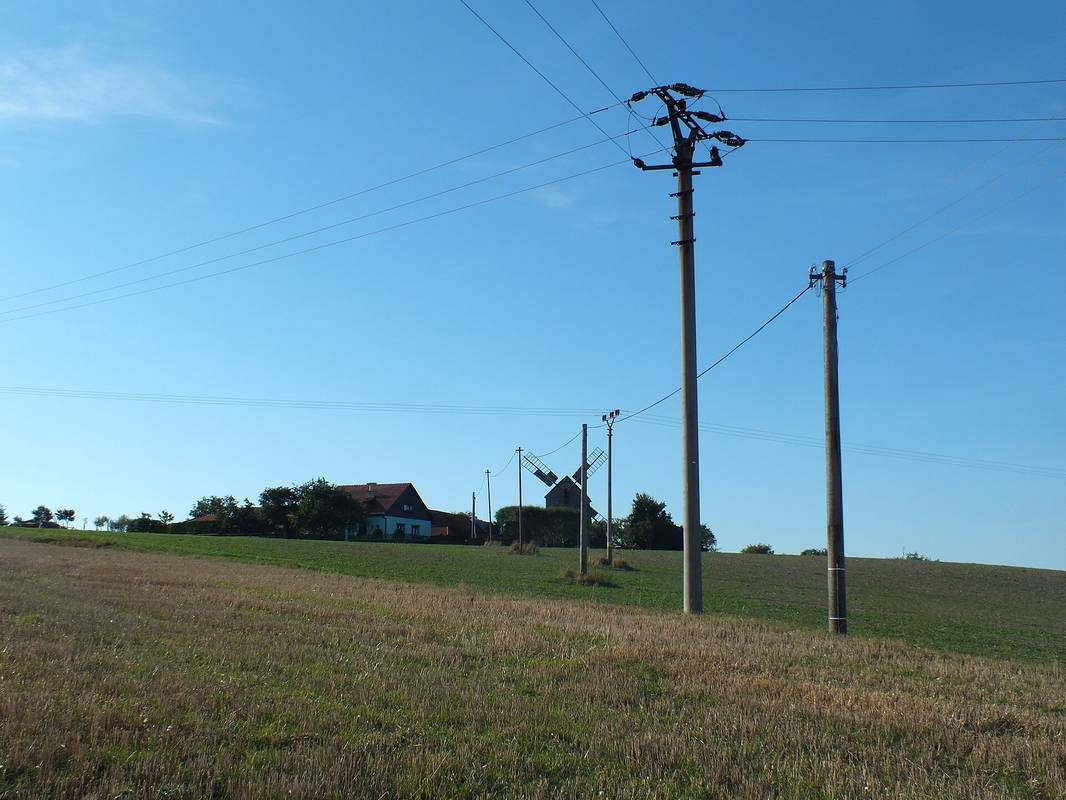
Milos windmills are among the island’s most photographed landmarks, crowning the ridges above Plaka and Trypiti. Plan village and sunset tours through My Greece Tours.
The windmills are a signature image in the Milos travel guide. The sections below cover what they are, their history, where to see them, the sunset views and why they were built.
What are the windmills of Milos?
The windmills of Milos are old stone mills, round and whitewashed with conical roofs, that crown the ridges above the villages. Once used to grind grain into flour, they are now iconic landmarks that rank among the island’s most photographed sights.
The windmills are old stone mills. Round whitewashed towers carry conical roofs. They stand on the windy ridges. The shape is classic Cycladic.
They once ground the island’s grain. The sails caught the strong meltemi wind. The turning stones milled flour. They fed the villages for generations.
Modern uses keep the mills alive. Restored towers stand as homes or rentals. Others remain as proud ruins. All draw the camera.
The mills define the skyline. They crown the hills above the villages. The white towers catch the light. They rank among the top things to do in Milos. The next section covers their history.
The windmills crown the ridges as island landmarks. The round stone towers wear conical roofs. Whitewash brightens them against the sky. They once ground the island’s grain into flour. The strong meltemi wind powered their sails. The turning stones fed the farming villages. Restored towers now serve as homes and rentals. Others stand as proud, weathered ruins. The mills mark the skyline above the villages. They draw cameras at every hour of the day, and they rank among the most recognisable sights on an island better known for its beaches.
What is the history of the Milos windmills?
The Milos windmills date largely from the nineteenth century, with the well-known Trypiti mills built around 1859. They harnessed the island’s reliable winds to grind grain, a vital service before electric mills arrived.
The mills rose in the nineteenth century. The Trypiti row was built around 1859. They served the farming villages. The wind powered the work.
Grain milling was vital then. The mills turned wheat into flour. Every village relied on them. The reliable winds made them practical.
Modern machinery ended their work. Electric and diesel mills took over. The old windmills fell idle. The sails stopped turning.
Restoration revived the old mills. A number became homes and holiday rentals. Others stand preserved as monuments. Our guide to Milos history sets the scene. The next section covers where to see them.
The windmills date largely from the nineteenth century. The Trypiti row went up around 1850. They served the farming villages before modern mills. The reliable wind made them practical to run. Grain milling counted as vital work then. The mills turned wheat and seed into flour. Diesel and electric motors later took over. The old windmills fell idle as machinery won. Restoration revived the towers as homes and rentals. The story tracks the island’s shift from farming to tourism, and the mills survive as monuments to an older way of island life.
Where can you see the windmills on Milos?
You can see the windmills of Milos above Trypiti and Plaka, where rows of them crown the ridges. The Trypiti windmills are the most famous, lined along the hilltop near the catacombs and the ancient theatre, with sweeping views over the gulf.
Trypiti holds the famous row. The mills line the hilltop ridge. They stand near the catacombs and theatre. The setting is the most photographed.
Plaka crowns its own hill with mills. The capital wears them above the lanes. They watch over the gulf below. The white towers mark the skyline.
The mills pair with the sights. The catacombs and theatre sit close. The ancient ruins add depth. A short walk links them all.
The views reward the climb. The ridges open over the bay. The whole gulf spreads below. The village of Trypiti is the place to start. The next section covers the sunset.
The best windmills cluster above two villages. The Trypiti row lines a hilltop ridge. It stands near the catacombs and ancient theatre. The setting ranks as the most photographed on Milos. Plaka crowns its own hill with mills above the lanes. The towers watch over the gulf below. A short walk links the mills with the ancient sights. The ridges open sweeping views across the bay. A car, quad or bus reaches both villages with ease. The windmills pair naturally with the nearby monuments for a rewarding half-day in the island’s western corner.
Are the Milos windmills good for sunset?
Yes, the Milos windmills are among the best sunset spots on the island. Set high on the ridges above Trypiti and Plaka, they catch the evening light as the sun sinks over the gulf. The white towers glow gold, making a classic Cycladic sunset scene.
The windmills shine at sunset. The ridges face the evening sky. The light gilds the white towers. The scene turns golden.
The high ground opens the view. The gulf spreads wide below. The sun sinks over the sea. The horizon glows with colour.
The spot rivals Plaka’s castle. Both crown the western hills. The mills add a striking foreground. The photos come out classic.
The timing rewards an early arrival. A good spot fills before dusk. A drink or a picnic sets the mood. The hilltop Plaka shares the same glow. The next section covers why they were built.
The windmills rank among the island’s finest sunset spots. The ridges face the open western sky. The low sun gilds the white towers gold. The gulf spreads wide and bright below. The view rivals the famous castle of Plaka. The mills add a striking foreground to a photo. The hilltop catches the last light of the day. A picnic or a drink sets the evening mood. Arriving before dusk secures a good viewpoint. The classic Cycladic scene rewards a patient wait, and the windmills above Trypiti and Plaka turn a Milos sunset into a postcard.
The windmills photograph well through the whole day. Morning light catches the white towers against blue sky. The midday sun bleaches them bright above the lanes. The golden hour gilds them for the classic shot. The ridges frame the gulf and villages below. A wide lens captures the row along the hilltop. A closer frame picks out the conical roofs. The restored mills add life to the scene. The ruined ones lend a weathered, timeless feel. For a photographer, the windmills of Trypiti and Plaka reward a visit at almost any hour, though sunset remains the favourite.
Why were the windmills built on Milos?
The windmills were built on Milos to grind grain into flour using the island’s strong, steady winds. Placed on exposed ridges to catch the meltemi, they were the engines of village life before modern mills.
The mills answered a basic need. The villages had to grind grain. Flour fed every household. The mills did the work.
The wind powered the stones. The meltemi blows strong and steady. The exposed ridges caught it best. The sails turned the grinding stones.
The sites were chosen with care. High, open ground gave the best wind. The hilltops above the villages served. The placement was practical, not scenic.
The mills shaped village life. They stood at the heart of the economy. The wind did the labour. Today they crown the wider Milos villages as landmarks.
The windmills answered a basic need on Milos. The villages had to grind grain into flour. The mills did that essential daily work. The meltemi wind blows strong and steady here. The exposed ridges caught it better than the valleys. The high, open ground powered the turning sails. The hilltop sites served function over scenery. The placement put the mills at the heart of village life. The wind, free and reliable, did the heavy labour. Today those windswept ridges, chosen for milling, give the restored towers their commanding views over the island and the sea.
The windmills sit within easy reach of the towns. Trypiti lies a short drive from Adamas and Plaka. The island bus stops near the village too. A walk links the mills with the catacombs below. The ancient theatre rounds out the half-day loop. The restored towers now host overnight guests. A night in a windmill offers a novel island stay. The views from the ridge reward early risers. The mills work as both a sight and a base, tying the island’s history, scenery and a memorable place to sleep into one western-corner experience.
The windmills capture an older chapter of island life. The stone towers once ground grain for the villages. The meltemi wind on the ridges powered the sails. The Trypiti row dates from around 1850. Modern motors later left the mills idle. Restoration turned the towers into homes and landmarks. They crown the hills above Trypiti and Plaka. The ridges deliver sweeping views and golden sunsets. The mills pair with the catacombs and ancient theatre. For travellers exploring beyond the beaches, the windmills add history, views and one of the island’s most photogenic scenes.
Frequently Asked Questions
Where are the windmills on Milos?
The windmills of Milos crown the ridges above the villages of Trypiti and Plaka. The Trypiti windmills are the most famous, lined along the hilltop near the catacombs and the ancient theatre, with sweeping views over the gulf. Plaka, the hilltop capital, also wears windmills above its whitewashed lanes. Both sites are easily reached by car, ATV or the island bus, and they pair naturally with the nearby ancient sights for a half-day of sightseeing in the western part of the island.
Why were windmills built on Milos?
Windmills were built on Milos to grind grain into flour using the island’s strong, steady winds, a vital service for village life before electric and diesel mills arrived. They were placed on exposed hilltop ridges to catch the meltemi, the powerful summer wind, which turned their sails and the grinding stones inside. The dating is largely nineteenth century, with the well-known Trypiti row built around 1859. As modern machinery took over, the mills fell idle, and a number have since been restored as homes or preserved as landmarks.
Are the Milos windmills worth visiting?
Yes, the windmills of Milos are well worth visiting, both as historic landmarks and as one of the island’s finest sunset spots. Set high on the ridges above Trypiti and Plaka, the round, whitewashed towers with conical roofs make a classic Cycladic scene, glowing gold as the sun sinks over the gulf. They sit close to the catacombs and the ancient theatre, so a visit combines easily with other sights. Arrive before dusk to claim a good viewpoint for the sunset over the sea.