
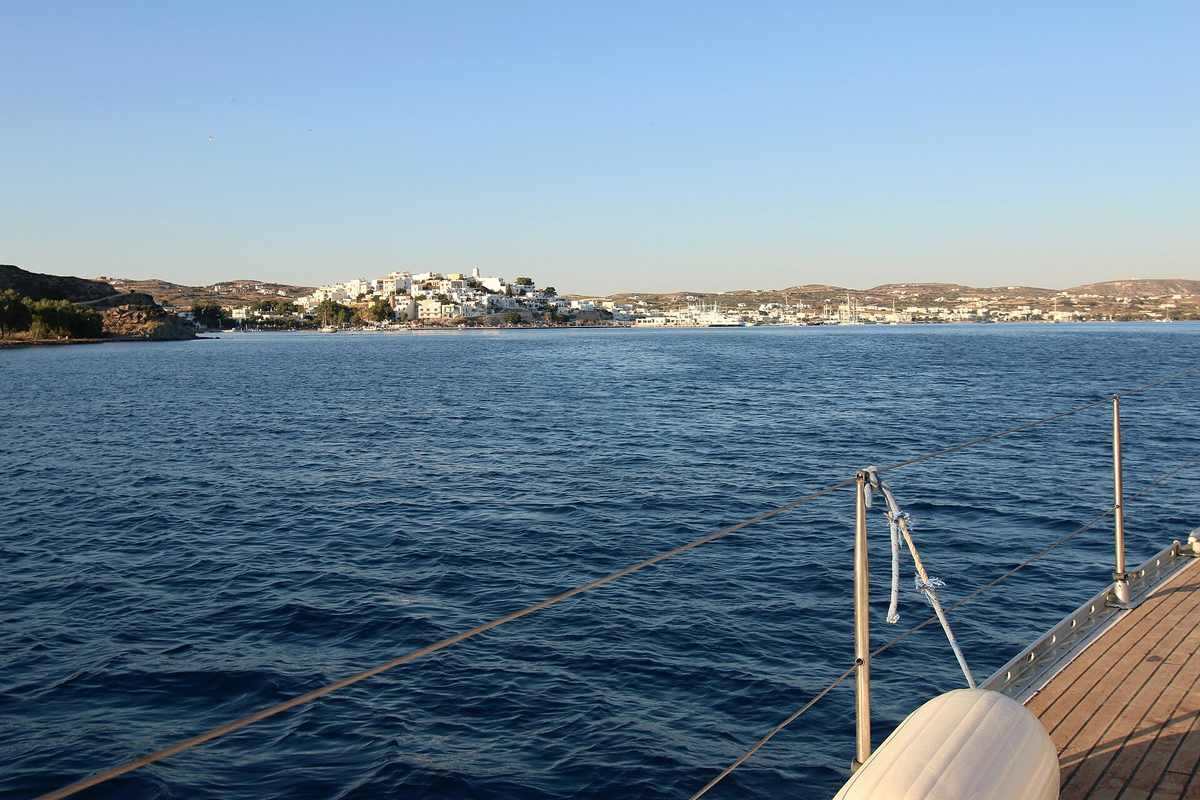
Milos suits digital nomads who want a scenic, calm Cycladic base with decent wifi, though it is quieter and more seasonal than the big hubs. Plan your stay and tours through My Greece Tours.
Remote work is a modern angle on the Milos travel guide. The sections below cover whether Milos works for nomads, the wifi and internet, where to work, the cost of living and the best time for a workation.
Is Milos good for digital nomads?
Milos suits digital nomads who value calm, scenery and a slower pace over a big coworking scene. It offers reliable wifi, comfortable stays and stunning beaches, but it is small, seasonal and quiet, so it favours focused, independent remote workers rather than networkers.
Milos rewards the focused nomad. Calm replaces the city noise. Scenery fuels the breaks. The pace slows down.
The island stays small and quiet. No big coworking hub exists. Cafes and stays fill the gap. Self-reliance helps.
Beaches frame the off-hours. A swim follows the workday. A boat trip fills a weekend. The reward runs deep.
Greece backs the lifestyle. A digital-nomad visa exists. The time zone suits Europe. The setup works.
Milos appeals to digital nomads who want their workday wrapped in calm and scenery rather than a buzzing startup scene. The island is small, relaxed and beautiful, with reliable internet, comfortable accommodation and a coast of more than 70 beaches to unwind on after logging off. For a focused, independent remote worker, it offers a peaceful, inspiring base far from the noise and cost of a big city.
The trade-off is that Milos is quiet and seasonal. There is no dedicated coworking space or large nomad community, the island is busiest and most expensive in high summer, and it winds down considerably in winter. That makes it better suited to a workation of a few weeks, or to nomads who are comfortable working independently from a rental or cafe, than to those seeking a year-round hub with constant networking. Greece’s digital-nomad visa and convenient European time zone help make it practical. The next section covers the wifi and internet.
Does Milos have good wifi and internet?
Milos has reliable wifi and 4G coverage across the main towns, good enough for video calls and everyday remote work. Speeds are decent rather than exceptional, so heavy uploaders benefit from confirming their accommodation’s speed and carrying a data backup.
Milos keeps you connected. Wifi reaches the towns. Mobile data fills the gaps. Calls go through fine.
Adamas and Pollonia lead. Hotels offer steady wifi. Cafes add a signal. The core stays covered.
A backup smooths the day. A local SIM helps. 4G covers the island. Tethering saves a call.
Remote coves drop out. Signal thins on the wild coast. Plan the calls in town. The beach waits after.
Connectivity on Milos is solid for everyday remote work. The main town of Adamas, the village of Pollonia and the other settlements have reliable wifi in hotels, rentals and cafes, along with good 4G mobile coverage from the Greek networks, enough to handle video calls, file sharing and the usual online tasks without much trouble. For most nomads, the island connects well enough to keep a normal working day running smoothly.
The sensible approach is to plan for backups. Speeds are dependable rather than blazing, and they can dip when the island is busy in high summer, so it pays to confirm the wifi quality with your accommodation before booking if you rely on heavy uploads. A local SIM with a generous data plan is a cheap and effective safety net, letting you tether for important calls, and the remote beaches naturally have patchy signal, so schedule key meetings from town. Our where to stay in Milos guide helps you pick a well-connected base. The next section covers where to work.
Where can you work remotely on Milos?
On Milos you can work remotely from your rental or hotel, the cafes of Adamas and Pollonia, or a quiet hotel terrace with a sea view. There is no dedicated coworking space, so a comfortable, well-connected accommodation is the most important base for nomads.
Milos offers no coworking hub. Your rental becomes the office. Cafes add a change. The terrace tempts you.
Adamas anchors the work scene. Cafes line the waterfront. Wifi reaches the tables. Coffee fuels the morning.
Pollonia suits the quiet worker. Seafront cafes stay calm. The bay soothes the eye. The pace stays gentle.
A sea-view stay seals it. A shaded terrace works well. The laptop meets the view. The swim waits below.
Without a formal coworking space, the most important workplace on Milos is your own accommodation, so choosing a comfortable rental or hotel with strong wifi, a good desk or table and ideally a shaded terrace makes all the difference. A sea-view balcony in Adamas, Pollonia or one of the inland villages turns the working day into a pleasure, and many stays cater to longer bookings out of season.
For a change of scene, the cafes of Adamas and Pollonia are the natural spots. The waterfront cafes of Adamas, the island’s port and liveliest hub, offer wifi, good coffee and a steady buzz, while Pollonia’s relaxed seafront suits quieter, more focused work beside a calm bay. Spreading your week between your rental, a favourite cafe and the occasional hotel terrace is the Milos way of working remotely, and the beaches of Pollonia and beyond are never far for a midday break. The next section covers the cost of living.
What is the cost of living for nomads on Milos?
The cost of living on Milos is moderate to high in summer and cheaper off-season, driven mainly by accommodation. Food, coffee and transport are reasonable, but peak rentals are pricey, so nomads save most by visiting in spring or autumn.
Cost on Milos swings by season. Summer runs pricey. Off-season runs cheaper. Timing controls the budget.
Accommodation drives the spend. Peak rentals cost the most. Long stays cut the rate. Off-season halves it.
Daily life stays reasonable. Tavernas feed you well. Coffee costs little. Local food keeps it down.
Transport adds a line. A quad or car helps. Ferries reach the island. The budget bends to choices.
The cost of living on Milos is shaped above all by when you visit. In high summer the island is a sought-after Cycladic destination and accommodation prices climb, so a nomad arriving in the peak weeks should expect to pay a premium for a rental. Outside the peak, in spring and autumn, prices fall sharply and longer monthly bookings bring further discounts, making a shoulder-season workation far more affordable.
Day-to-day spending is more reasonable. Eating at local tavernas, where fresh Greek food is good value, drinking coffee at a fraction of big-city prices and shopping at island markets keep daily costs modest by European standards. The main extras are transport, a quad or car rental to reach the spread-out beaches, and the ferry or flight to the island. Overall, a nomad who comes off-season and books a longer stay can live comfortably on Milos for a moderate budget. The next section covers the best time for a workation.
When is the best time for a workation on Milos?
The best time for a workation on Milos is late spring and early autumn, with warm weather, a swimmable sea, lower prices and a calm but open island. High summer is busy and pricey, winter very quiet with reduced services.
The shoulder season suits nomads best. Warmth lingers in the air. Crowds thin out. Prices ease down.
Late spring opens the window. The sea warms enough to swim. The trails stay green. The island wakes up.
Early autumn closes it well. The water stays warm. The light turns soft. The calm returns.
Summer and winter test the plan. Peak weeks run busy and dear. Winter slows to a hush. The middle wins.
For remote work, the shoulder seasons of late spring and early autumn are the sweet spot on Milos. The weather is warm and settled, the sea is comfortable for an after-work swim, and the island is open and lively without the crowds and high prices of the peak. Accommodation is more affordable and easier to book for a longer stay, and cafes and tavernas are running, giving nomads the best balance of comfort, cost and calm.
The extremes are trickier. High summer brings the best beach weather but also the largest crowds, the steepest prices and the busiest wifi, which can frustrate a working schedule, while winter is deeply quiet, with cooler weather, rough seas and a good number of businesses closed, suiting only nomads who actively want solitude. Timing a workation for the shoulder months gives the fullest, smoothest experience of the island as a remote-work base. Plan the off-hours through our things to do in Milos guide.
The community side of Milos is modest, so nomads who want company tend to make their own. Without a coworking hub or regular meetups, connections happen casually, over coffee on the Adamas waterfront or at a taverna in the evening, and the shoulder seasons bring the easiest mix of open businesses and a relaxed, sociable island mood. For deep focus and scenery this suits many remote workers well, while those who thrive on a busy nomad network may treat Milos as a restorative few weeks between larger hubs rather than a long-term base.
How do you get to Milos for a longer stay?
You reach Milos for a longer stay by ferry from Piraeus near Athens or by a short domestic flight to the island’s small airport, then settle into a monthly rental, with the ferry giving the cheapest fares and the flight the fastest arrival.
Ferries from the port of Piraeus run down the western Cyclades line to Adamas on Milos, with fast catamarans making the fastest crossings and slower conventional boats carrying vehicles at lower fares for anyone bringing a car for a season. The route runs most often through the warmer months, so a nomad arriving for a spring-to-autumn workation has the widest choice of sailings. Domestic flights from Athens reach the island’s small airport in well under an hour, a useful option for a quick arrival or departure.
A hire car or scooter matters for a longer base on the island, since the villages, beaches and quiet coves spread widely and public transport runs only a seasonal bus. Booking a monthly rental well ahead secures both a better rate and a place with a reliable desk and connection. Our Milos car rental guide covers getting around, and our where to stay in Milos guide helps pick a base for a longer stay.
What are the downsides of Milos for digital nomads?
The main downsides of Milos for digital nomads are its strong seasonality, the lack of a coworking space and nomad community, limited off-season transport, and internet that is reliable rather than fast. These suit a focused solo worker more than a year-round hub.
Milos runs on a summer rhythm, so the island buzzes with tavernas, boats and open rentals from late spring to early autumn, then winds down sharply in winter when many businesses close and ferry links thin out. A nomad who wants year-round buzz, coworking desks and a ready-made community will find the island quiet in the cold months, and even in season the social scene is holiday-relaxed rather than nomad-focused.
Practical gaps matter for a working stay. The absence of a dedicated coworking space means setting up your own routine between a rental desk and the cafes of Adamas and Pollonia, and heavy upload needs are worth confirming with accommodation in advance. Off-season the reduced buses, flights and open shops call for a hire car and a little planning. For a scenic, focused workation over the shoulder seasons, though, these trade-offs are exactly what keeps Milos calm and uncrowded, as our things to do in Milos guide shows.
Frequently Asked Questions
Does Milos have good internet for remote work?
Yes, Milos has generally reliable internet for remote work, with steady wifi in hotels, rentals and cafes across the main settlements and good 4G mobile coverage from the Greek networks. It handles video calls, file sharing and everyday online tasks well, though speeds are dependable rather than exceptional and can dip during the busy high season. Nomads with heavy upload needs should confirm the wifi quality with their accommodation and carry a local SIM with mobile data as a backup for important calls.
Is there a coworking space on Milos?
No, Milos does not have a dedicated coworking space, reflecting its small size and quiet, seasonal character. Remote workers instead base themselves in well-connected rentals or hotels, often with a sea-view terrace, and use the cafes of Adamas and Pollonia for a change of scene and good wifi. For nomads who want a formal coworking community, larger islands or mainland cities are a better fit, while Milos suits independent, focused workers happy to set up their own routine in a calm, scenic setting.
Can you get a digital nomad visa for Milos?
Yes, Greece offers a digital nomad visa that applies to Milos as part of the country, allowing non-EU remote workers to live on the island while working for employers or clients abroad, subject to a minimum income requirement. EU citizens do not need a visa to stay and work remotely in Greece. Combined with a convenient European time zone and reliable connectivity, this makes Milos a practical base for a workation, though most nomads use it for a stay of weeks or a shoulder season rather than year-round.
Where should a digital nomad stay on Milos?
A digital nomad on Milos is best based in or near the port town of Adamas or the fishing village of Pollonia, both of which combine reliable connectivity, cafes and tavernas with easy access to beaches and boats. Adamas is the island’s hub, with the widest choice of rentals, shops and ferry links, while Pollonia is quieter and scenic, popular for a calmer setting by the sea. A rental with a dedicated desk, air conditioning and a confirmed reliable connection makes the difference for a working stay, ideally with a sea-view terrace for the off-hours.
Is Milos expensive for a long stay?
Milos is a popular Cyclades island, so costs peak in high summer when accommodation and dining are at their dearest and demand is highest. A longer stay is usually cheaper per night than short summer bookings, as monthly rentals often carry a lower rate than nightly stays, and the shoulder seasons of late spring and early autumn bring lower prices along with calmer weather. Self-catering from local shops and markets trims the budget further. Comparing current rental listings for your dates is the only reliable way to gauge the cost, since prices swing with the season.
What is the best area to work with a sea view on Milos?
The best sea-view working spots on Milos are rentals and terraces around Adamas bay and the waterfront at Pollonia, where you can set up a laptop with the Aegean in front of you. Many rentals in these areas offer a shaded balcony or terrace overlooking the water, ideal for calls and focused work in the cooler parts of the day. The cafes along both waterfronts add a change of scene with good wifi. Choosing accommodation with both a reliable connection and an outdoor workspace gives the classic Milos workation setting.