
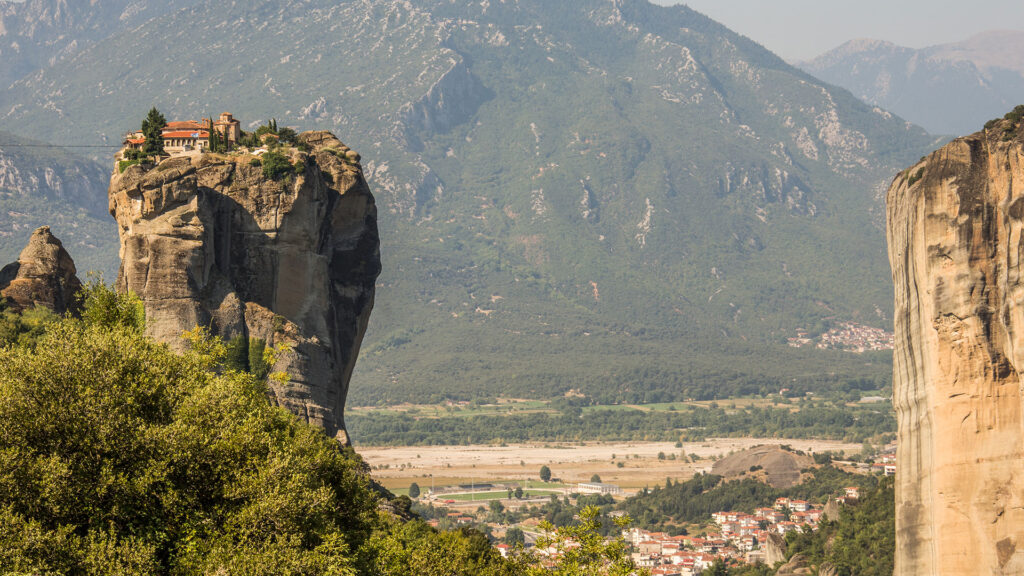
Welcome to My Greece Tours, where we invite you to embark on an extraordinary journey to the heart of Greece, Meteora. Nestled amidst towering rock pillars, the Meteora monasteries offer spiritual serenity and architectural marvels. Recognized as a UNESCO World Heritage site, this breathtaking region promises unforgettable experiences and captivating Meteora tours. Whether you’re a history enthusiast, adventure seeker, or photography lover, Meteora attractions provide a unique blend of natural beauty and cultural richness. From meticulously curated Meteora monastery tours to exhilarating hiking trails, immerse yourself in an exploration like no other. Discover the best of Meteora, with My Greece Tours, guiding you every step of the way.
Discover the awe-inspiring Meteora Greece, a UNESCO site renowned for its sky-high monasteries and stunning natural landscapes. Embark on guided Meteora tours and explore the ancient Meteora monasteries, each boasting unique architecture and history. Ideal for adventurers, our Meteora travel options include hiking trails and breathtaking photography spots. Enjoy stays at top-rated Meteora hotels and take our Meteora travel guide to make the most of your visit. Perfect for a day trip from Athens or an immersive 2-day itinerary. Experience Meteora’s best kept secrets today with My Greece Tours.
Brief Overview
Nestled in the heart of Greece, Meteora is a UNESCO World Heritage Site that captivates with its awe-inspiring rock formations and ancient monasteries perched high above the ground. This mystical destination offers an exhilarating blend of natural beauty, historical intrigue, and spiritual sanctity, making it a must-visit for travelers. My Greece Tours invites you to embark on unforgettable Meteora tours, whether guided or self-led, providing insights into the centuries-old monastic life and showcasing breathtaking photography spots. Whether exploring top hiking trails or enjoying the serenity of Meteora’s stunning vistas, this region promises an enriching and transformative journey.
- Meteora is a UNESCO World Heritage site known for its stunning ancient monasteries atop towering rock formations in Greece.
- Meteora tours offer diverse experiences including hiking, photography, and detailed explorations of ancient monasteries.
- Guided and self-guided tours of Meteora provide deep insights into its spiritual, cultural, and historical significance.
- The Varlaam Monastery and other sites offer architectural marvels and panoramic views for photography enthusiasts.
- Explore Meteora’s hiking trails for breathtaking vistas and spiritual tranquility, ideal for adventurers and photography lovers alike.
Meteora Greece: An Overview of a UNESCO Site
Nestled in the heart of Greece, Meteora is an awe-inspiring UNESCO World Heritage site, captivating visitors with its majestic cliffs and ancient monasteries. The very notion of exploring this cultural treasure evokes a sense of wonder, as towering rock formations cradle these sanctuaries that date back centuries.
Meteora Greece seamlessly blends natural beauty with deep-rooted history, making it a compelling destination for all who seek an unforgettable journey. As the train rolls into Meteora, anticipation builds. Those visiting Meteora embark on a voyage through time, learning about the monks who, centuries ago, sought solitude atop these columns of rock. The panoramic view from the monasteries is unparalleled, offering vistas that remind visitors of the incredible forces of nature that crafted this region.
The historical significance of Meteora lies in its role as a center for monastic life. The complex includes several still-functioning monasteries, each showcasing unique architectural styles and sacred relics.
It’s a testament to human perseverance and faith, with every stone echoing stories from centuries past. For travelers planning a day trip to experience the allure of Meteora Greece, various tours are available to ensure an enriching visit. Walking through the monastery grounds is like stepping into a world frozen in time, where every rock face and chapel tells a story of devotion. You might even create your own itinerary and explore the hidden gems of Meteora. Whether you prefer the guidance of expert-led tours or crave the freedom of a self-guided journey, Meteora won’t disappoint.
With photography enthusiasts eager to capture the breathtaking sights, you’ll find iconic spots perfect for immortalizing these moments. As you delve into the splendor of this UNESCO site, you’ll come to understand why Meteora Greece is etched forever into the annals of world heritage. It’s not just about seeing Meteora; it’s about feeling it resonate within you.
Historical Significance of Meteora
The historical significance of Meteora is profound, marking it as a true gem in the heart of Greece. These majestic rock formations tell a century-spanning tale of devotion and perseverance, with the ancient monasteries perched atop the rocks serving as a testament to the cultural and spiritual legacy of this enchanting region.
Recognized as a UNESCO World Heritage Site, Meteora’s history stretches back to the 14th century, when monks first sought refuge on these towering pillars to establish a sacred enclave away from the world’s distractions. Throughout the centuries, these holy sanctuaries have retained their allure, beckoning pilgrims and travelers who yearn to walk in the footsteps of history. Indeed, it’s no wonder that Meteora is often considered a must-visit destination for those who appreciate the fusion of spirituality, history, and natural splendor.

As a UNESCO site, Meteora is not only a testament to the past but also a beacon for preservation and awareness. The intricate frescoes and architectural designs found within the monasteries offer a glimpse into the artistic significance of this sacred place, illustrating how culture and religion intertwined during the Byzantine era. While exploring, visitors will discover the stories of resilience and unity that have defined this area for centuries, enhancing their appreciation for Meteora’s vital role in both Greek history and the broader narrative of believing societies.
Whether you’re captivated by cultural history or in awe of nature’s grandeur, Meteora’s significance as a site of exceptional beauty and enduring spirituality is undeniable. This quintessential part of Greece stands as a glorious reminder of how places of such historical prominence can continue to inspire and educate future generations, ensuring that the Meteora story is told and retold through the ages. As you journey through these revered peaks, you’ll become part of a living history that transcends time.
Why Meteora Greece is a Must-Visit Destination
Situated in the heart of Greece, Meteora is a must-visit destination that entralls visitors with its stunning landscape and rich history. Renowned as a world heritage site, Meteora is unlike any other place on Earth, offering an iconic view of towering rock pillars that have stood for centuries. When visiting Meteora, you’ll be transported into a realm where nature and spirituality coexist harmoniously. Whether you’re on a day trip or planning an extended tour, Meteora promises a travel experience like no other.
One of the key attractions that make Meteora Greece a stand-out destination is its breathtaking collection of ancient monasteries perched atop rocky cliffs. These iconic monasteries not only offer a glimpse into the past but also provide a sanctuary of tranquility. With numerous tours available, including guided tours that dive deep into the history and significance of these sacred spaces, there’s no shortage of opportunities to explore their majestic interiors.
Meteora‘s unparalleled natural beauty is a photographer’s dream. The play of light and shadow over the rocks offers countless opportunities for capturing jaw-dropping photographs. Whether it’s the sunrise casting golden hues on the cliffs or the serene atmosphere of the monasteries at dusk, each moment spent in Meteora is filled with beauty and wonder.
From its breathtaking landscapes to the profound spiritual essence of its monasteries, Meteora Greece captivates every traveler. The timeless charm of this region is not just for those seeking spiritual enlightenment but also for adventurers eager to explore its rugged terrains and pristine environment. Exploring Meteora’s hikes and trails rewards visitors with vistas that are nothing short of awe-inspiring. Indulge in the rich heritage and stunning beauty of this destination that promises to leave an indelible mark on your heart.
Meteora‘s unparalleled natural beauty is a photographer’s dream. The play of light and shadow over the rocks offers countless opportunities for capturing jaw-dropping photographs. Whether it’s the sunrise casting golden hues on the cliffs or the serene atmosphere of the monasteries at dusk, each moment spent in Meteora is filled with beauty and wonder.
From its breathtaking landscapes to the profound spiritual essence of its monasteries, Meteora Greece captivates every traveler. The timeless charm of this region is not just for those seeking spiritual enlightenment but also for adventurers eager to explore its rugged terrains and pristine environment. Exploring Meteora’s hikes and trails rewards visitors with vistas that are nothing short of awe-inspiring. Indulge in the rich heritage and stunning beauty of this destination that promises to leave an indelible mark on your heart.
Discovering the Meteora Monasteries
Embarking on a journey of discovering the Meteora monasteries feels like stepping into a realm where spirituality and architectural brilliance intertwine.
Nestled in the heart of Greece, this awe-inspiring landscape of rock formations crowned with sacred abodes is nothing short of a marvel. As one of the world’s most revered World Heritage sites, exploring the Meteora monasteries isn’t just a travel opportunity; it’s a pilgrimage for the soul. Whether you’re on a guided tour or venturing solo, these holy landmarks beckon with stories of resilience and devotion. The architecture of the monasteries, with its intricate designs and strategic positioning atop towering pillars of stone, offers a glimpse into the medieval ingenuity behind their creation.
Dating back to the 14th century, they’ve stood the test of time, transforming into a beacon for those seeking enlightenment and inspiration. Visiting these masterpieces gifts you a sense of serenity and a chance to gaze upon towering monoliths that defy gravity with their might.
The architecture of the region naturally acts as a muse for photographers; here, capturing the golden hues of the sun painting the stone facades is a must-see sight. The panoramic views will leave you breathless, especially during the golden hours, further emphasizing why Meteora is a gem that begs to be explored. For tourists wishing to capture the grandeur of Meteora, the best strategy includes embarking on local tours that delve deep into the region’s history and cultural significance. As you ascend the path to each monastery, the views not only of the breathtaking scenery but of spiritual solace make your voyage through Meteora a profound adventure. No matter the route you take, the Meteora monasteries stand as testament to a sacred legacy that continues to captivate visitors from around the globe.
Must-See Monasteries during Your Visit
Embark on a remarkable journey into the heart of Meteora, Greece, where majestic rock formations cradle a cluster of extraordinary monasteries. These sites, known for their serene beauty and architectural marvels, rank as some of the most iconic sites on any traveler’s list. As you explore the sacred grounds, you’ll find each holy monastery offers a unique perspective into the rich cultural tapestry of this intriguing destination. If there’s one name that resonates through the heritage of Meteora, it’s the Varlaam Monastery. Standing proud at an elevation, this monastery offers views that are as breathtaking as its storied past. This hub of spirituality and tranquility is just one of the must-see Meteora monasteries that captivates every visitor gazing upon its ancient walls.
While visiting Meteora, remember to explore the Great Meteoro Monastery, the largest of them all, where a remarkable collection of manuscripts and religious artifacts awaits. The Holy Trinity Monastery, popular for its precarious perch atop a slender cliff, has been immortalized in cultural references. Each site embodies the spiritual dedication and architectural ingenuity of those who sought refuge here. And let’s not forget Rousanou Monastery, renowned for its picturesque setting and the lush gardens that beckon serenity. Experiencing these Meteora monasteries is truly a pilgrimage for the senses.
When crafting your itinerary to this UNESCO site, ensure these monasteries take precedence. By delving into their history and exploring their stunning interiors, you’ll uncover the spiritual heart of Meteora. Don’t miss the chance to join a guided tour, which richly enhances the overall experience. With plenty of things to do around Meteora, make these must-see monasteries a cherished highlight of your journey. Whether you’re there to soak in the culture, delve into history, or simply revel in the beauty of untouched nature, Meteora offers a quintessential slice of Greece.
Exploring the Varlaam Monastery
When it comes to exploring the profound depth of Meteora’s rich tapestry, the Varlaam Monastery stands as one of the crown jewels of the Meteora monasteries in Greece. Nestled like an eagle’s nest on a towering rock pillar, this holy and sacred space is not just an architectural wonder but a living testament to the historical and spiritual significance of this UNESCO World Heritage Site.
Steeping into Varlaam, you’re greeted by a synthesis of ancient architecture and breathtaking landscapes, each corner whispering tales of monks who once defied gravity in pursuit of divinity.
Originally constructed in the 14th century by ascetic monks, Varlaam was named after its first inhabitant, Varláam, who began his monastic life on the rock. The history of this iconic monument is as awe-inspiring as its location. A symbol of enduring faith, Varlaam’s construction was a feat of devotion and human ingenuity, involving manual labor that used pulley systems to transfer materials up its sheer cliffs.
For visitors today, visiting Meteora and the Varlaam Monastery offers a journey back in time, allowing you to witness a landmark where spiritual heritage blends seamlessly with natural beauty. As you navigate its halls, adorned with vivid frescoes and sacred relics, you’re reminded of the monastery’s resilient past and enduring present. It’s not just a destination but a pilgrimage through history and faith, making it a must-see when exploring this remarkable region.
For those who desire an immersive experience, guided tours delve deep into Varlaam’s stories and secrets. An interactive look at Varlaam Monastery offers an unparalleled engagement with Meteora’s spiritual heart, making it a pivotal stop for anyone journeying through the grand Meteora monasteries of Greece.
Planning Your Meteora Tour
Embarking on a journey to Meteora is an experience like no other. With its awe-inspiring rock formations and monasteries that seem to defy gravity, visiting Meteora should be a must on every travel enthusiast’s itinerary. Planning your Meteora tour starts with transportation.
Many choose to take a train to Meteora from Athens, offering a scenic route that highlights the diverse landscapes of Greece. This train ride not only adds to the adventure but also sets the stage for the unforgettable experiences awaiting you in this world heritage site. Once you’ve arrived, deciding whether to explore Meteora alone or opt for a guided tour is essential. Guided tours provide invaluable insights into the history and significance of the monasteries, ensuring you don’t miss anything noteworthy. However, for the more adventurous, leading a self-guided day trip offers the freedom to explore at your own pace.
Either way, the journey through this mystic landscape will be memorable. For those planning a longer stay, crafting a comprehensive week-long itinerary can include traversing the expansive hiking trails surrounding the area, ensuring a full immersion into the serene beauty of Meteora. Don’t forget to visit the prominent monasteries, each telling its unique story of perseverance and faith. Timing is also crucial in achieving the best possible Meteora experience.
The golden hours of dawn and dusk offer the perfect lighting for photography enthusiasts to capture the breathtaking scenery. Identifying iconic photography spots in advance can significantly enhance your travel experience. Whether you’re traveling solo, as a couple, or in a group, exploring the wonders of Meteora promises an enriching trip filled with cultural, historical, and natural delights. Efficient planning with flexibility in your itinerary will help you make the most of all that this Greek marvel has to offer, creating cherished memories that’ll last a lifetime.
| Aspect | Description | Recommendations |
| Travel Options | Various modes to reach and explore the region of Meteora. | Consider car rentals for flexibility or guided tours for convenience. |
| Accommodation | Range of lodging available near Meteora to suit all preferences. | Book accommodations in advance to secure the best locations and rates. |
| Duration of Stay | Optimal time required to fully experience the attractions. | Aim for at least a two-day visit to appreciate the monasteries and natural landscapes. |
| Weather Conditions | Seasonal climate variations affecting tour experience. | Plan visits during spring or autumn for pleasant weather. |
| Monastery Visits | Significant cultural and spiritual sites scattered across the region. | Research opening hours and dress codes before visiting the monasteries. |
This table summarizes essential considerations for planning an unforgettable tour to Meteora.
Best Meteora Tours for Every Traveler
Meteora, Greece, isn’t just a place; it’s an experience that beckons travelers from around the globe. Whether you’re a seasoned adventurer or a cultural enthusiast, the best Meteora tours promise an unforgettable journey. Visiting Meteora is akin to stepping into a world where nature and spirituality converge in stunning harmony.
Let’s embark on a detailed exploration of these mesmerizing tours. Our expert guide at My Greece Tours crafts experiences that cater to every traveler’s whims and fancies, ensuring each journey into Meteora monasteries is as unique as it is enriching.
The sacred monasteries perched atop towering rock formations offer more than just religious significance; they unveil a history that has withstood the test of time. As you traverse the winding trails, each turn presents an adventure, and every stop is an opportunity to discover insights from a local perspective.
If you seek a more profound connection, our personalized Meteora private tours introduce you to hidden gems, making certain you don’t miss any valuable detail. Engage with the locals, savor traditional Greek flavors, and immerse yourself entirely in the surroundings. For those who wish to capture the breathtaking vistas, our tours include advice on photography, guiding you to prime spots where the lighting is optimal and the views are awe-inspiring. Understanding the best time for visiting Meteora enhances the experience, as each season paints the landscape with its own palette.
Adventurous souls will relish the rugged exploration on these trails, while history fans will delve into stories of the past narrated during the tours. So, be it the spiritual quest of the sacred monasteries or the thrill of adventure, Meteora’s tours promise memories that linger. My Greece Tours welcomes every traveler to uncover the magic of Greece through the enchanting saga of Meteora, carving timeless experiences that captivate and inspire.
Leading a Self-Guided Tour of Meteora
If you’re ready for an unparalleled journey through the mystical landscapes of Greece, then you’re in for an extraordinary adventure by leading a self-guided tour of Meteora. Begin your exploration amid towering rock formations and ancient monasteries that stand as a testament to the ingenuity and devotion of their creators. Armed with curiosity and a sense of discovery, visiting Meteora allows you to delve into its historical depths at your own pace. This self-guided tour provides a unique cultural experience that is both enriching and adventurous.
The first step in leading your journey is understanding what makes Meteora a spectacular UNESCO world heritage site. Each monastery you discover will offer insights into the monks’ ascetic lives. By traveling on your own terms, you can choose which monasteries to visit depending on their opening hours, giving you flexibility in planning your adventure. The iconic Varlaam and Great Meteoron monasteries are must-visits on any itinerary. Along the way, you’ll stumble across astonishing views that redefine the meaning of travel and exploration.
Taking a self-guided tour means you have the freedom to decide what you wish to see and do. Whether you’re drawn to spiritual contemplation, architectural marvels, or simple admiration of the stunning vistas, creating your itinerary can turn into a journey of self-discovery. This makes visiting Meteora not just a sightseeing trip but a cultural and personal experience that you’ll cherish forever.
The key to a successful self-guided tour is to come equipped with the right information and a sense of adventure. Grab your map, wear comfortable shoes, and embark on a Greek journey that promises both elevation and enlightenment. With each step, you’ll find that in ancient rock, there lies the heart of Meteora waiting to welcome an eager explorer like yourself. So, make this trip your own and enjoy every moment of this breathtaking journey.
To continue the captivating journey of a self-guided tour of Meteora, consider these essential tips for enhancing your adventure:
- Research each monastery’s history to enrich your understanding.
- Allocate ample time for hiking between sites and savoring views.
- Embrace early mornings for serene visits, avoiding crowded afternoons.
- Carry water and snacks to stay energized throughout the day.
- Respect local customs and dress codes when exploring monasteries.
- Capture moments through photographs, but remain present in the experience.
- Utilize local resources like guides or maps for deeper insights.
These suggestions weave together safety, cultural respect, and personal growth to enhance your Meteora adventure.
Navigating the Meteora Hiking Trails
Embark on an unforgettable journey navigating the Meteora hiking trails in the heart of Greece. These trails are not just pathways but gateways into a world of sacred and cultural wonders. As you travel through these inspiring routes, you’ll discover the breathtaking views that earned Meteora its designation as a World Heritage Site. Meteora is home to some of the world’s most stunning landscapes where nature meets spirituality, offering a rare glimpse into these monumental monastic precincts perched on sky-high cliffs.
Exploring the Meteora hiking trails is an adventure that rewards you with sweeping vistas and transformative spiritual experiences. With each step, you’ll find yourself immersed in the unique blend of natural beauty and human ingenuity that characterizes this marvelous region of Greece. The trails serve as perfect avenues for those looking to experience exploration in its truest form, leading you to places where time seems to stand still.
Whether you’re part of a guided tour or setting out on a self-led expedition, navigating the Meteora hiking trails is an activity filled with wonder and discovery. As you chart your path, you’ll encounter the ageless Meteora monasteries, where monks have worshipped for centuries, providing you a rare vantage point into their secluded existence.
If you’re planning your first visit or returning to uncover more of its mysteries, the hiking trails offer the ideal way to experience the cultural richness that Meteora promises. Steep climbs lead to serene heights, offering panoramic views that have enchanted writers and photographers alike. Don’t forget your camera, as you’ll want to capture the magical essence of Meteora’s landscapes.
In Meteora, local guides at My Greece Tours are ready to assist in navigating these trails, ensuring your adventure is both safe and enriching. So lace up your hiking boots and prepare to explore the sublime beauty that awaits in Meteora, where every trail brings a new cultural discovery.
Top Hiking Routes Around the Meteora Monasteries
Nestled in the heart of Greece, the astonishing Meteora monasteries offer an adventure that fuses the serene beauty of nature with a deep plunge into sacred cultural heritage. For those eager to explore this blend, embarking on top hiking routes around these historic pillars offers an unparalleled journey of discovery.
These routes invite you to travel through lush landscapes, where every twist and turn presents a vista more breathtaking than the last. Whether you’re on a leisurely trek or a more invigorating hike, you’re bound to find a route suited to your pace.
The trails are marked, guiding you seamlessly through the landscape, while you uncover the holy essence of these renowned monuments. The most popular Meteora hiking tour begins at the foothill village of Kastraki, an ideal starting point for a majestic ascent to the Great Meteoron Monastery. Not only are the trails around Meteora well-maintained, but they also bring you within arm’s reach of towering rock formations, mystical caves, and age-old traditions. As you hike, feel the cultural pulse of Greece merge with the mystical spirit of these sacred sites.
Travel along routes like the Ditseglou Trail or the Kalambaka Trail, both promising spectacular outlooks and immersive cultural experiences. A visit wouldn’t be complete without capturing the panoramic views that stretch over this UNESCO World Heritage Site, giving you a chance to perfect your photography skills on the move. Remember to equip yourself with comfortable footwear, a map, and a spirit of curiosity.
These routes aren’t just about sightseeing; they’re about connecting with a millennia-old tradition that has remained vibrant amid the abrupt metamorphosing landscape. So whether this is your first tour or your tenth, Meteora’s hiking opportunities are unmatched, offering unforgettable escapades that expertly capture the essence of Greece’s sacred history and natural splendor.
To continue your immersive exploration of the Meteora Monasteries, consider these essential tips for a remarkable hiking experience:
- Wear breathable clothing to stay comfortable amidst changing weather conditions.
- Stay hydrated by carrying a refillable water bottle along your journey.
- Have a charged camera or smartphone to capture the stunning vistas.
- Begin your trek early to avoid the midday crowds and heat.
- Respect local customs and the sacred nature of the sites.
- Utilize trail maps for a seamless, self-guided tour.
- Look into guided tours for deeper historical insights.
These tips will ensure your hike is safe, enriching, and harmonizes with Meteora’s extraordinary allure.
Photography Tips for Capturing Meteora’s Beauty
The majestic landscape of Meteora Greece provides an exceptional backdrop for iconic photography. When embarking on your photography journey, timing is critical. The best time for capturing Meteora’s beauty is during the golden hours of sunrise and sunset when the light bathes the landscape with soft, warm tones. This picturesque setting elevates your images, creating a natural glow that enhances the unique rock formations and the historic monasteries perched atop them.
As you explore the area, adjust your frame to include the dramatic cliffs and heritage structures to convey the awe-inspiring scale of this UNESCO site.
For a more intimate view, focus on the details of Meteora’s iconic monasteries. Utilize a telephoto lens to capture intricate architectural elements without disturbing the monks’ tranquil life. Many visitors favor the Great Meteoron Monastery and Varlaam for their stunning views. Remember to respect the opening hours of these historical sites and plan to avoid crowds, ensuring an unobstructed view. Incorporating elements like surrounding greenery or dramatic skies can add depth to your images, enhancing the storytelling aspect of your photograph. It’s also beneficial to walk along the various hiking trails, offering different vantage points for more diverse shots.
Meteora’s beauty is truly multidimensional, so play with shadows, reflections, and contrasts to frame the landscape uniquely. When traveling through Meteora, consider the weather as it can dramatically affect visibility and mood. The occasional fog can evoke a mystical atmosphere, offering an opportunity for striking shots. Lastly, don’t be afraid to experiment. Using a drone, if permitted, allows you to capture the expansive layout of the landscape from above.
Whether you’re a seasoned photographer or an enthusiastic beginner, Meteora in Greece presents an unparalleled canvas inviting lens exploration.
Iconic Photography Spots in Meteora
Meteora, a wonder of Greece, boasts some of the most iconic photography spots that make any travel enthusiast’s heart skip a beat. It’s no surprise that Meteora’s landscape draws photographers from around the globe. With its scenic vistas, this magnificent site invites visitors to capture its unparalleled beauty.
When considering a trip to Meteora, one can’t miss these mesmerizing locations that offer both memorable experiences and stunning views.
The tops of the towering rock formations, where you can see the ancient heritage of the Meteora monasteries, present one of the best photography spots to capture the celestial beauty of this fascinating region.
Each viewpoint offers a unique perspective, with the subtle changes in light throughout the day providing fresh opportunities for breathtaking photographs of this UNESCO World Heritage Site. Among the most iconic scenes, you’ll find the view from the Holy Trinity Monastery, an inspiring spot presenting an aerial grandeur that mesmerizes all who gaze upon it. Similarly, the panoramic view at sunset from the Rock of Agia is spellbinding, transforming Meteora into a canvas of colors, ideal for capturing the essence of this memorable site.
For those looking to combine their love of photography with some physical activity, the hiking trails in Meteora provide both adventure and incredible imagery. The trail leading to the Great †Meteoron Monastery† is especially fascinating, offering varied views and scenic beauty that lures photographers repeatedly.
While navigating the trails, don’t forget to look out for hidden photography gems along the way. As part of your Meteora travel, make sure to embrace these iconic photography spots, allowing them to be etched into your memory and camera for eternity. Whether you’re an avid photographer or simply an admirer of natural beauty, Meteora stands out as a top destination.
| Photography Tips | Iconic Spots | Best Time to Capture | Equipment Suggestions | Composition Advice |
| Utilize natural light for dynamic shots | Great Meteoron Monastery | Golden Hour (Sunrise/Sunset) | Wide-angle lens | Incorporate leading lines |
| Experiment with different perspectives | Varlaam Monastery | Early Morning | Tripod for stability | Include foreground elements |
| Use long exposure for night photography | Roussanou Monastery | Twilight | ND filters | Focus on symmetry |
| Capture silhouettes against the skyline | The Rock Forest | Late Afternoon | Polarizing filter | Emphasize verticality |
| Keep ISO low to reduce noise | Holy Trinity Monastery | Overcast days | Telephoto lens | Use rule of thirds |
This table highlights the essential photography tips and iconic spots that make Meteora a prime destination for photographers seeking to capture its breathtaking landscapes. It provides key information on how to approach photographing Meteora, ensuring that each moment captured reflects its majestic and ethereal beauty.
Embark on a transformative journey with My Greece Tours as your guiding star. Discover the unparalleled wonders of Meteora, where each twist of the path and every gentle breeze carry whispers of the past. Watch the horizon come alive at dawn or dusk over the iconic rock formations and centuries-old monasteries.
Our curated tours and private excursions promise an immersive experience, striking the perfect balance between adventure and serenity. Join us, and let the mystical aura and gripping stories of Meteora leave you forever enchanted.
Which monasteries still stand at Meteora?
Six monasteries still stand at Meteora out of the 24 once built on the rocks: the Great Meteoron, Varlaam, Rousanou, Saint Nicholas Anapafsas, Holy Trinity and Saint Stephen. All six open to visitors, and UNESCO inscribed the complex in 1988.
Hermits lived in the caves of the rocks from the 11th century. The monastic communities took shape in the 14th century. Athanasios the Meteorite founded the Great Meteoron monastery, the largest house, on the highest inhabited rock. Its main church is dedicated to the Transfiguration.
The Varlaam monastery is the second largest. Its church holds frescoes of 1548. Its old tower still houses the windlass and the rope net once used to haul up goods and visitors. Saint Nicholas Anapafsas is small and built upward in storeys on a narrow rock. Theophanes the Cretan painted its frescoes in 1527.
Rousanou is a convent on its own narrow pillar, reached by footbridges, with wall paintings of the 16th century. Holy Trinity sits on a sheer pillar reached by 140 steps cut into the rock. Saint Stephen has been a convent since 1961. A bridge from the road leads to its gate, so it is the easiest of the six to reach.
Which outdoor tours run besides hiking?
Outdoor tours at Meteora run on electric bikes along the paved loop road, in off-road buggies on the dirt tracks behind the pillars, on horseback across the fields below Kastraki, and on ropes with licensed instructors on the rock towers.
The Meteora e-bike tour follows the asphalt road that links the monasteries. The electric motor handles the climbs between the viewpoints. Small groups ride with a guide, and a self-guided version runs with an audio guide.
The buggy tour leaves the asphalt for the dirt tracks behind the rocks. A guide leads the convoy of side-by-side off-road vehicles. Horse riding at Meteora starts in Kastraki and crosses the fields at the foot of the pillars, with a sunset ride at the end of the day.
Climbers have worked the Meteora walls since the 1970s. The conglomerate rock gives rounded pebble holds on vertical faces. Licensed instructors take beginners on short bolted routes and lead experienced climbers to the summits of free-standing towers. Spring and autumn bring the coolest conditions for Meteora rock climbing.
What are the Meteora rock pillars made of?
The Meteora pillars are made of sandstone and conglomerate, a rock of river pebbles set in natural cement. Earth movements lifted these deposits about 60 million years ago, and weathering along vertical cracks cut them into towers more than 300 m high.
The rock formed from the gravel and sand that rivers carried into a lake. Pebbles, sand and mud settled in thick layers and hardened into stone. The layers still show as horizontal bands on the cliff faces.
Water, frost and wind then worked along the vertical faults, the central process in Meteora geology. Erosion split the raised plateau into separate towers and hollowed out caves in the softer layers. The first hermits settled in those caves. The towers now stand above the plain behind Kalabaka and Kastraki.
Which Meteora tour formats run from Kalabaka and Kastraki?
Meteora tours run as half-day and full-day monastery visits, sunset tours of two to three hours, photography sessions timed to the light, guided hikes on the monk paths and day trips from Athens or Thessaloniki. Local tours start in Kalabaka or Kastraki.
Day trips that pair the monasteries with the town of Trikala, capital of the regional unit, run on the Trikala tours page.
A half-day tour enters two or three of the six monasteries. A full-day tour enters more and adds the viewpoints between them. The morning minibus tour follows the road that links the monasteries. The sunset tour reverses the order and ends on the western rocks, as the low light turns the pillars from grey to orange.
Kalabaka holds the train station and most hotels. Kastraki sits closer to the trailheads at the base of the rocks. Tours collect guests from hotels in both places. Small-group and private formats run all year, and private tours set their own pace.
What rules apply inside the monasteries?
Each Meteora monastery keeps its own weekly closing day. Visitors cover shoulders and knees, and women wear a skirt, with wraps handed out at the gates. Photography is restricted inside the churches to protect the frescoes and the privacy of the monks.
The six monasteries close on different days of the week, and opening hours shrink in winter. A guide sets the order of visits so the group never reaches a closed gate. Independent visitors check the closing days before the drive up.
Men wear long trousers. The monasteries are working communities of monks and nuns, so visitors keep their voices low in the courtyards and churches. Access to each house involves stairways cut into the rock, and a guide paces the climb.
The ban on photos inside the churches protects the Meteora frescoes. Cameras stay in use on the terraces and at the viewpoints outside the walls.
How long does the journey to Meteora take from Athens and Thessaloniki?
The train from Athens reaches Kalabaka, the town below Meteora, in about four and a half hours, and the drive takes about five. From Thessaloniki the drive takes about two and a half hours, which makes Meteora a standard day trip.
The Athens trains run north on the main line and branch west at Palaiofarsalos for Trikala and Kalabaka. Rail-based tours pair the journey with a guided afternoon on the rocks. A local guide meets the train in Kalabaka and runs the monastery loop before the return trip.
Coach tours and private transfers depart early, which leaves time on the rocks before the drive back. Private drivers collect guests from their hotel and set the stops. Two-day tours add a night in Kalabaka, and longer tours take Delphi on the way.
The routes by train and by car are set out in Athens to Meteora, and the northern route in the Meteora day trip from Thessaloniki.
Meteora FAQs
What makes Meteora a UNESCO World Heritage Site?
Meteora is recognized for its awe-inspiring rock formations and ancient monasteries that showcase a blend of natural beauty and cultural heritage. The site is a testament to human perseverance, highlighting the historical significance of the monastic communities established in the 14th century.
Can I explore Meteora on my own?
Yes, Meteora offers both guided and self-guided tour options. You can explore the monasteries, hiking trails, and breathtaking views at your own pace, giving you flexibility in your itinerary. However, guided tours can provide deeper insights into the history and culture of the region.
What are the top photography spots in Meteora?
Meteora is a photographer’s paradise with iconic spots such as the tops of rock formations and angles that capture the beautiful monasteries. The views from the Holy Trinity Monastery and the Rock of Agia during sunset are particularly mesmerizing, providing ideal opportunities for stunning photographs.
What can I expect on a hiking tour in Meteora?
Meteora’s hiking trails provide a unique combination of natural beauty and historical insights. As you trek routes like the Ditseglou Trail or the Kalambaka Trail, you’ll encounter spectacular vistas, rock formations, and untouched landscapes while immersing yourself in the cultural richness of the UNESCO site.
Are guided tours with My Greece Tours available for Meteora?
Yes, My Greece Tours offers expertly crafted guided tours of Meteora, providing insights into its spiritual, cultural, and historical significance. Whether you’re interested in monastery tours or hiking explorations, our experienced guides ensure an enriching and immersive experience.