
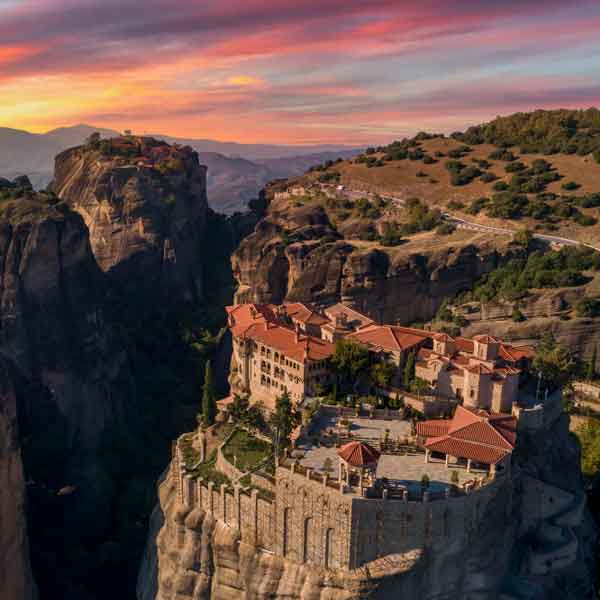
Embark on a sensational Meteora full-day tour from Athens! Plan the whole trip with Greece Tours. Discover the breathtaking monasteries perched on towering pillars of rock in a single day. Enjoy the best day trip from Athens with My Greece Tours as we guide you through this UNESCO World Heritage Site. Experience the magic of Meteora with ease, whether by bus or private coach. Capture stunning photos, uncover ancient stories, and see why visiting Meteora from Athens in one day is worth it. Perfect for first-time visitors and seasoned wanderers alike, your unforgettable Athens to Meteora day excursion awaits!
Nestled among a jaw-dropping array of otherworldly rock formations, the Meteora monasteries await your arrival! Join My Greece Tours on an unforgettable full-day tour from Athens to Meteora and witness the magic of this UNESCO World Heritage site. Perfect for first-timers in Greece, our Athens to Meteora day excursion promises sweeping vistas, rich history, and a sprinkle of fun along the way! Whether you’re indulging in photography or just seeking serenity, this Meteora day tour from Athens is your passport to a day of wonder and laughter. Pro-tip: selfie sticks are highly recommended!
Meteora Full-Day Tour from Athens: Unforgettable Day Trip
Get ready to embark on a thrilling ancient adventure with My Greece Tours as you hop on a full-day Athens to Meteora day trip! Picture monasteries perched high on dramatic rock formations, defying gravity like a Greek myth come to life. Whether you choose a bus, coach, or private tour, you’re in for sweeping vistas and historical intrigue, perfect for photography enthusiasts and cultural wanderers alike. Yes, it’s worth escaping Athens for this UNESCO site in just a day as you’ll capture epic vistas and create tales that rival the legends of Hercules—minus the labor!
Key Highlights
- Experience breathtaking Meteora monasteries on a full-day tour from Athens with My Greece Tours.
- Meteora’s unique landscapes and cultural significance make it an essential visit from Athens.
- Travel by bus, coach, or private tour for optimal comfort and convenience from Athens to Meteora.
- A day trip to Meteora is highly recommended, enriching both culturally and photographically.
- Capture majestic views and explore the rich history of Meteora’s ancient monasteries.
Introduction to Meteora: A UNESCO World Heritage Site
Ah, Meteora! Nestled in Greece, this stunning area is one of the country’s real gems. If you’re planning a day trip from Athens, Meteora will have you capturing the breathtaking views wherever you point your camera. What makes Meteora so mesmerizing, you ask? Well, it’s in the mystical balance of mighty rock formations alongside awe-inspiring monasteries that seem to hover in the clouds. With its rich history that dates back centuries, Meteora boasts several ancient monasteries that are perched atop enormous natural pillars. Imagine discovering the history of these monasteries, many of which played a significant role in the peaceful development of Christianity in Greece. As a UNESCO World Heritage Site, it’s home to six functioning monasteries, each with unique architectural styles and religious artifacts that are sure to captivate even the most seasoned tourists. While planning the best day trip from Athens to Meteora, visitors can also indulge in the surrounding landscape that offers a unique blend of natural beauty and religious significance. For those looking for an extraordinary experience in Greece, a day trip to Meteora promises not only cultural enrichment but also an opportunity for photos that will make friends green with envy. So, whether you prefer a bus, coach, or private tour, Meteora will leave an indelible mark on your heart, making it a must-see as part of your Greek adventure.
Why Meteora is a Must-Visit from Athens
When pondering a trip from Athens, the ethereal beauty of Meteora’s towering rock formations and ancient monasteries whispers sweet promises of adventure and discovery. Just as a Greek salad isn’t complete without feta, a Greek escapade isn’t complete without a visit to the unique landscape of Meteora. Imagine a wizard casting spells to make cliffs reach for the sky, and voila! You’ve got Meteora. From Athens, a city steeped in rich history and vibrant life, this breathtaking UNESCO site is just a stone’s throw away, making it ideal for a full-day tour. The journey from Athens is a pleasant one, where the transition from urban hustle to tranquil vistas becomes your appetizer to a day filled with wonder. Why you ask, is it necessary to leave Athens for a day to visit Meteora? Because in just one day from Athens, you travel through time, touch the sky, and find peace in the monasteries that balance delicately on top of massive rocks, defying gravity and logic, much like people pondering skipping background on appetizers! Whether you decide to join a bus tour, coach trip, or private tour, the logistics of getting from Athens to Meteora are as simple as hello in Greek! As the sun sets, reflecting its final glow on the ancient stones, you’ll know that your day trip from Athens to Meteora was a heartwarming recipe for an unforgettable Greek adventure, a recipe too good to miss!
The Unique Landscape and Cultural Significance of Meteora
Get ready to be wowed by the truly unique landscape and cultural significance of Meteora, a stunning gem in Greece that has enchanted travelers for centuries. Meteora, in central Greece, boasts towering rock formations that seem like they’ve been hand-chiseled by giants with a taste for drama. These dramatic cliffs are crowned with six monasteries, precariously perched like eagles’ nests, each inviting visitors to explore their spiritual and historical allure.

The Meteora monasteries are not just architectural marvels; they are treasure troves of spirituality and cultural history dating back to the 14th century. As you embark on your tour of Meteora, you’ll feel like you’ve stepped into a fantasy novel where monks found solace and connection to the divine. The landscape, with its surreal aura, offers unparalleled views and a tangible connection to the past. This region’s cultural significance is underscored by its designation as a UNESCO World Heritage Site. It’s no wonder that those who visit are moved by the exceptional cultural story each monastery tells and the serene beauty of the towering rocks. A visit to Meteora from Athens, whether by guided tour, bus, or coach, promises an unforgettable experience, allowing guests to step back in time and appreciate Greece’s rich heritage. So, as you explore the monasteries, breathe in the serenity, and relish the awe-inspiring vistas, you’ll no doubt leave Meteora with a new appreciation for its natural and human wonders.
As you leave with a newfound appreciation for this extraordinary destination, consider indulging in some of the following activities to truly immerse yourself in Meteora’s wonder:
- Monastery Visits: Explore the ancient monasteries perched atop towering rock formations, each offering unique historical insights and stunning views.
- Rock Climbing Adventures: Challenge yourself with a rock climbing session on the iconic cliffs that define Meteora’s landscape.
- Hiking Trails: Wander through scenic trails that weave through the breathtaking surroundings, offering opportunities for reflection and awe-inspiring vistas.
- Photography Expeditions: Capture the ethereal beauty of Meteora with a camera, from sunrise landscapes to the intricate architecture of its monasteries.
- Cultural Tours: Engage with local guides who provide a deep dive into Meteora’s rich history, culture, and the traditions of the monastic communities.
- Meditation and Mindfulness Retreats: Participate in retreats designed to align your spirit with the serene atmosphere of this sacred site.
- Local Culinary Experiences: Savor the flavors of the region by tasting traditional Greek dishes in nearby villages.
These enriching activities not only enhance your appreciation for Meteora’s spiritual and natural allure but also leave you with cherished memories of its timeless majesty.
How to Organize Your Day Trip from Athens
Planning a day trip from Athens to the mystical land of Meteora is easier than you might think! First, decide on your mode of transport. You can choose between train, bus, or even a private coach. Each option has its merits, but for the most authentic experience, a train journey provides scenic views that’ll make your Instagram followers envious. If you’re more comfortable with buses, worry not! There’s a bus service making direct trips to Meteora, ensuring a swift and comfy ride. Day tours are available for those who love guided experiences; they cover all critical landmarks without the hassle of planning. Alternatively, go for a private day tour if a tailored itinerary is your style. These trips often start bright and early, so don’t forget your coffee! Remember to have a game plan for when you arrive.
Prioritize visiting key monastic sites to maximize your day. Stop by the Great Meteoron and Varlaam Monasteries for that perfect blend of history and breathtaking views. Being on foot in Meteora is like trekking through a real-life postcard. Finally, wrap up the trip with a heartwarming sunset view before heading back to Athens by your chosen mode of transport. From scenic landscapes to cultural wonders, your day trip from Athens to Meteora is sure to be an unforgettable adventure. With everything organized just right, all you need is your sense of adventure!
Travel Options: Bus, Coach, and Private Tours
Ah, so you’re ready to make your way from Athens to the heavenly heights of Meteora, but how? Let’s dive into your travel options for this grand Athens-to-Meteora day excursion. Hop on a comfy bus tour, the ideal way if you want to soak up the scenery without burning a hole in your pocket. There are plenty of bus services dedicated to the best day trip from Athens to Meteora. Sit back, relax, and let the Greek countryside roll past your eyes as your trusty bus winds its way toward the mystical monasteries. Prefer something a bit more exclusive? Consider a private tour. With a private tour, you’ll get a personalized itinerary that lets you dictate the stops and the pace. A private tour is perfect for capturing those photography opportunities to make all your friends jealous. And hey, if you’re really feeling snooty, why not opt for a comfortable coach tour? It’s like the bus but with a few extra bells and whistles. Coaches might just be your ticket to a seamless and memorable experience. Whether it’s a coach or a bus, a guided tour ensures that you’re not missing out on the spectacular highlights Meteora has to offer. So, whether you opt for a private, bus, or coach adventure, you’re in for a journey of epic proportions.

Understanding the Athens Meteora Logistics
Heading from Athens to the mesmerizing Meteora might feel like orchestrating a herculanean feat, but fret not, understanding the Athens Meteora logistics is easier than figuring out how many olives fit in a Spartan helmet! There’re many trip options available, ensuring an adventure to suit every local tastebud. Whether you prefer to travel by train, bus, or coach, you’ll be watched over by a guide who’s got a brain brimming with fascinating tales. If you fancy a more intimate journey, consider a private Meteora trip that allows you to savor every moment on your terms.
The Athens train station is your main departure point, a starting line poised to whisk you away to the captivating Meteora realm. As you embark on your journey, complete with swoon-worthy landscapes outside the window, your local guide will keep the atmosphere light and entertaining. There’s something enchanting about hearing local legends and observing the tapestry of Greek life while knowing you’re about to witness a UNESCO masterpiece.
But, of course, planning is also essential. While it perhaps sounds as fun as attending a Minotaur’s sock-pairing party, every detail of your Athens to Meteora outing, from ticket bookings to packing snacks for the road, plays a key role in making this a seamless experience. Trust me, once you’ve soaked in the magical views from those awe-inspiring cliffs, you’ll be back in Athens, recounting your day over tzatziki and wondering how you’ll ever top this Athens to Meteora escapade!
Key Highlights of a Meteora Day Trip
Embarking on a Meteora day trip is like stepping into a painting, with each brushstroke crafted by both nature and monks over centuries. For day-trippers seeking an adventure that fills the soul, you’ll find this day trip to be a feast of highlights. Picture yourself on the best day tours, guided by experts who sprinkle in humor with history. The full-day tour kicks off with a scenic train ride or coach journey, offering your first glimpse of the towering rock pillars, a prelude to what’s to come.
Your guided tour leads you through awe-inspiring monasteries perched atop these colossal rocks. Each Meteora monastery exudes a charm that’s a relic of the Byzantine age. Capture these scenes, as if you’ve got a comedy troupe of clouds posing just for your camera. Through the folds of the rocks and ancient paths, each tour unlocks stories untold. Truly, it’s not just a tour, it’s an adventure saga from the past day told in the present tense.
The key to enjoying a Meteora day tour lies not just in the sights but in the experiences you gain. From learning about the monks’ hermit lifestyle to savoring local recipes for both wisdom and cuisine, every whispering breeze and silent shadow tells a tale. Whether you’re on a guided tour or a private exploration, the magic of the day and the sheer majesty of the landscape are the unforgettable highlights that make this tour a must-do if you find yourself Athens-adjacent.
Exploring the Monasteries: A Guided Tour Experience
When you’re ready to immerse yourself in the unforgettable beauty of Meteora, nothing beats a guided tour of its magnificent monasteries. These awe-inspiring structures sit perched atop towering rock formations, making a Meteora tour an experience you shouldn’t miss. Each monastery is unique, offering a glimpse into centuries of history and spirituality. With a guide leading the way, you’ll not only visit these remarkable monasteries but also delve deep into their stories and significance. Your guide will provide insights into the rich cultural heritage of Meteora, helping you appreciate why this is such a beloved destination.
Whether you choose a private tour or join a small group, the journey from Athens promises to be filled with panoramic views that leave you reaching for your camera. As you explore, you’ll be treated to tales of monks and mysteries, making the experience both educational and captivating. Booking a guided tour ensures you miss none of the highlights and that your logistics are well-managed, so you can focus on soaking in the sights. Get ready to marvel at the architectural wonders and serene beauty that make these monasteries world-renowned.
If you’re asking, “Should I book?”, the answer is a resounding yes! A guided tour guarantees a hassle-free journey, letting you explore the monasteries with ease. It’s an experience that not only enriches your travel but leaves a lasting impression. So go ahead, take the leap and book a day trip that promises to be both enlightening and exhilarating.
Photography Opportunities: Capturing the Majestic Views
Meteora offers breathtaking photography opportunities, and it’s a paradise for those looking to unleash their inner shutterbug. Armed with a camera and a keen eye, you’ll find no shortage of stunning views that will leave you with captivating memories and fantastic shots to brag about! The towering rock formations alone make for majestic subjects, demanding your lens’s attention at every turn. Photographers seeking to capture these natural wonders will be thrilled by the endless possibilities on the tour to play with light and shadow. Sunrises and sunsets over these ancient rocks present wonderful opportunities to infuse your shots with breathtaking hues. Plus, the trip through the monasteries and surrounding landscape ensures you’ll have various unique settings to work with. Whether you’re shooting panoramic vistas or intimate close-ups of the architectural details, Meteora won’t disappoint. Our tour guides know the best spots to ensure you don’t miss any exceptional photography opportunities.
These hidden gems will enrich your collection. Moreover, the ethereal mist that often envelopes the area offers playful atmospheric conditions. You’ll enjoy experimenting with exposure and contrast, making every photo a unique masterpiece. Famous for their stunning displays, the views from Meteora leave each photographer wearing a permanent smile, a testimony to the joy of capturing such real-world magnificence. So, grab your camera and join the tour, where each click of the shutter promises magic straight from myths.
How long does the train from Athens to Kalambaka take?
The train from Athens Larissis station to Kalambaka takes about four to five hours. Some departures need a change at Palaiofarsalos. A Meteora day trip from Athens by train and minibus lasts 13 to 14 hours door to door.
Kalambaka sits at the foot of the Meteora rocks in Thessaly. Organised day trips meet the train at Kalambaka station. A guided minibus then drives the monastery road above the town and the village of Kastraki.
The road from Athens to Meteora covers about 350 kilometres. The drive takes around four hours on the motorway north past Lamia. Coach day tours follow the same road.
Which six monasteries stand at Meteora?
The six active monasteries of Meteora are Great Meteoron, Varlaam, Rousanou, St Nicholas Anapausas, Holy Trinity and St Stephen. Nuns live in Rousanou and St Stephen. A guided Meteora day trip from Athens goes inside two or three of them.
Great Meteoron is the largest and oldest. It sits on the highest rock, at over 600 metres. Varlaam stands on the neighbouring rock and keeps a giant wooden barrel that once stored rainwater.
Holy Trinity sits on a sheer pillar reached by about 140 steps cut into the rock. It appeared in the James Bond film For Your Eyes Only. St Stephen is reached by a small bridge straight from the road, with no long climb.
Until the 1920s, visitors reached the monasteries by rope ladders or in nets hauled up by a winch. Steps were then cut into the rock. The old winch towers still stand at Varlaam and Great Meteoron.
What is the dress code at the Meteora monasteries?
The Meteora monasteries require covered shoulders and knees for all visitors. Women wear a skirt below the knee. Men wear long trousers. Wrap-around skirts hang at the entrances for visitors who arrive in shorts or trousers.
Each monastery closes on at least one day of the week, and the closing days differ. Opening hours change between summer and winter. A guided day trip plans the route around the monasteries open that day.
The monasteries sit at the top of long flights of rock-cut steps. Sturdy shoes help on the climb. Photography inside the monastery churches is not allowed.
When did monks first settle at Meteora?
Hermit monks first settled in the caves of the Meteora rocks around the 11th century. Saint Athanasios the Meteorite founded Great Meteoron in the 14th century. At the peak, 24 monasteries crowned the rocks. Most were later abandoned.
The name Meteora means “suspended in the air”. The monks chose the rock tops for solitude and for safety from raiders. The monk Ioasaph, born John Uroš of the Serbian royal house, expanded Great Meteoron after Athanasios.
The monasteries flourished in the 15th and 16th centuries, the golden age in the history of the Meteora monasteries. Painters of the Cretan School covered their churches with frescoes in this period. UNESCO listed Meteora as a World Heritage Site in 1988.
When is the best time for a Meteora day trip from Athens?
The best time for a Meteora day trip from Athens is April to June or September to October. The weather is mild for the steps, and the crowds are thinner than in July and August.
Spring brings green fields and wildflowers around the rocks. Autumn turns the valley gold. Summer heat makes the climb to the monasteries hard at midday.
Winter is cold and quiet. Mist and snow wrap the rocks on some days. The train still runs, and the monasteries keep shorter winter hours.
Soft light falls on the rocks early in the morning and late in the afternoon, the best time to visit Meteora with a camera.
Is a Day Trip to Meteora Worth It?
Picture this: you’ve got a day in Athens and an insatiable craving for a truly epic day trip. Is a voyage to Meteora worth the trip, you ask? Allow me to sprinkle some Athens magic on your imagination and say absolutely! A Meteora tour transforms an ordinary day into something extraordinary – where monks once made daring climbs, you’ll now traverse stepping into a history thicker than Greek yogurt. The guide experience is a delightful blend of awe and laughter, sharing tales as awe-inspiring as the rock formations themselves. Logistics? Effortlessly handled by My Greece Tours! Hop on a bus or coach and enjoy the ride; for a more personalized adventure, a private tour is your ticket to flexibility and comfort. Photography enthusiasts, you’re in for a treat, too, as you’ll capture panoramic views that redefine the term “once in a lifetime” with expressions only Zeus could comprehend. Your dusty sneakers will tell tales of monasteries perched majestically above, enchanting sunsets, and pockets of serene tranquillity. Trust me; when it comes to a day trip from Athens, Meteora takes the souvlaki. Better still, it caters from first-time travelers to seasoned explorers.
The question of whether this journey is worth it doesn’t quite capture the essence – it’s like asking if feta’s a worthwhile cheese.
So grab your sense of adventure and let My Greece Tours spice up your Greek escapade as you realize this day in Meteora is a tapestry of trip memories you’ll relish spinning.
Trekking Through History: What You Will See and Learn
Welcome, fellow adventurers, to the thrilling heights of Meteora, a realm where time stands still and history whispers from every rock. Imagine yourself trekking along ancient monk paths, with a local tour guide spinning tales of courage and devotion. As part of the Meteora full-day tour from Athens, your journey will take you through valleys and up towering rock formations, exploring history brought to life within the walls of spectacular local monasteries. Each vista rewards you with breathtaking scenes and, perhaps, the selfie of a lifetime! You’ll see not just the landscapes, but also the legacy of centuries-old architecture, an experience fostering a deep appreciation for this UNESCO heritage site. This isn’t just any tour; it’s a vivid encounter with the past and a profound connection to the local spirit. Your guide will unravel stories of silence and sweat, the tales of monks who sought solace in these stones. Alongside historical insights, you’ll see marvelous art and learn about Byzantine trekking routes that unite faith and perseverance. With your vouchers in hand, set forth on a tour where every footstep reverberates with the echoes of history. And don’t forget your camera; you’ll want to capture these majestic moments. Through experience, learn, and photographs, you’ll carry a piece of Meteora long after you return. Here’s to an unforgettable day of exploration and discovery! With My Greece Tours, expect a journey as exciting as it is educational.
| Time | Activity | Location | Highlights | Duration |
| 07:00 AM | Departure | Athens | Scenic Train Ride | 4 Hours |
| 11:00 AM | Guided Monastery Tour | Meteora | Visit Iconic Monasteries | 2 Hours |
| 01:00 PM | Lunch Break | Local Tavern | Traditional Greek Cuisine | 1 Hour |
| 02:00 PM | Nature Walk | Meteora Trails | Panoramic Views | 1.5 Hours |
| 03:30 PM | Return Journey | Meteora to Athens | Relaxing Train Ride | 4 Hours |
This table provides a concise overview of the experiences and attractions a Meteora day trip offers from Athens.
Ready for a journey that promises to leave your senses tingling and your Instagram bursting with likes? Join My Greece Tours on a Meteora full-day tour from Athens and get ready to be blown away by the breathtaking beauty of these sky-high monasteries. Whether you’re a history buff, a photo enthusiast, or just someone looking for the ultimate panoramic selfie, this Athens to Meteora day excursion has it all. And trust me, seeing Meteora in one day is like giving your inner cultural explorer a big fat Greek hug! Book your seat today and embark on this unforgettable adventure!