
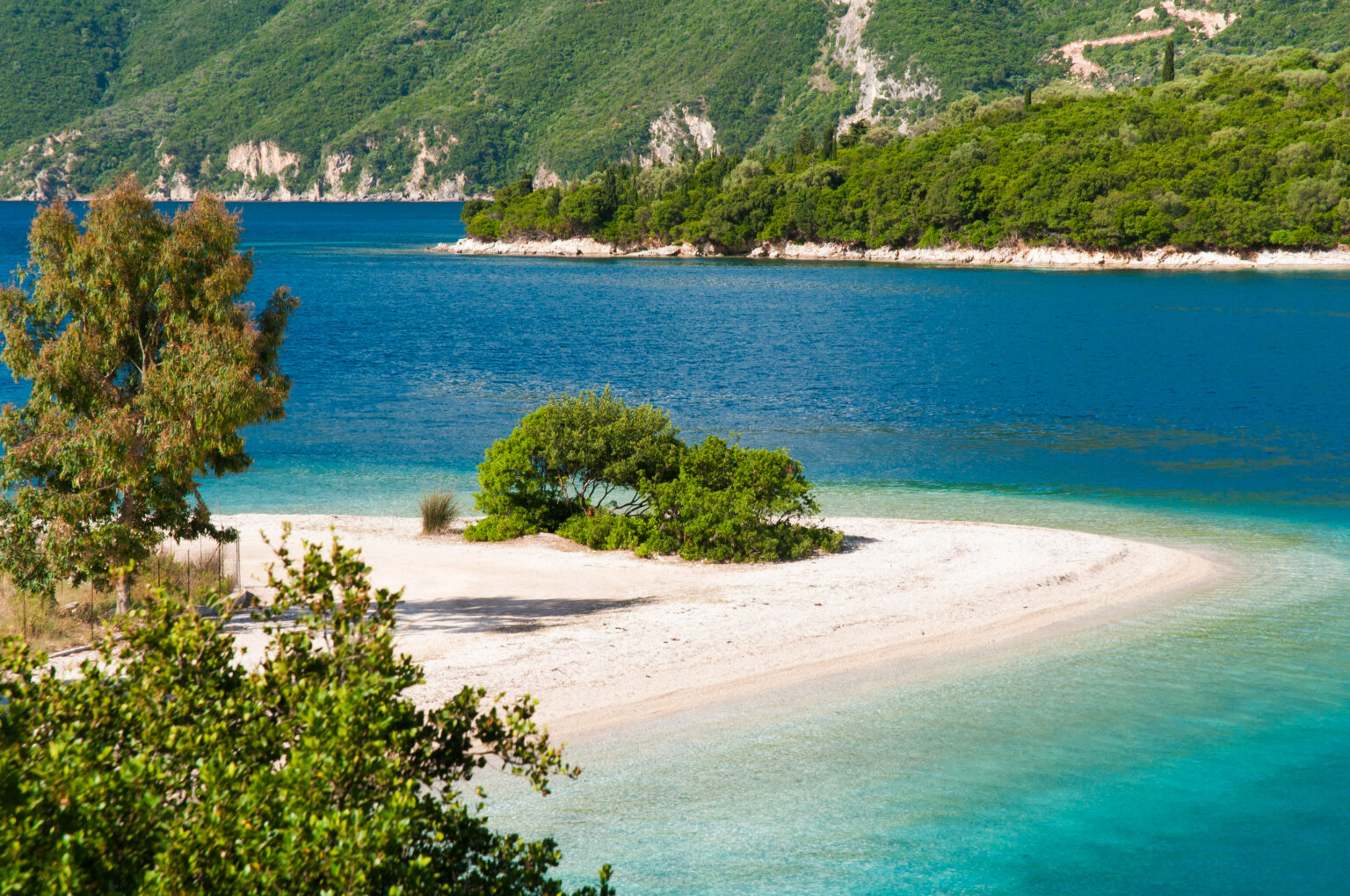
Explore Meganisi Island, Greece, with our travel guide featuring top beaches, authentic villages, boat tours, and insider tips for an unforgettable getaway.
Meganisi Travel Guide: The Complete Insider’s Guide To Greece’s Quiet Island Gem
Meganisi is one of those small Greek islands that keeps a secret smile: close enough to Lefkada to be convenient, far enough from mass tourism to feel like our own private Aegean. Today, more travelers are seeking slower, authentic island experiences, and Meganisi fits the bill, with olive groves, hidden coves, sleepy villages, and a shoreline best explored by boat.
In this guide, we’ll walk you through why Meganisi deserves a spot on your Greece travel itinerary, how to reach and move around the island, where to stay depending on your travel goals, and the must‑see beaches, day trips, and local experiences we recommend. Whether you’re planning a relaxed island‑hopping route or adding a quiet leg to a larger Greece tour package, our insider tips will help you make the most of Meganisi without sacrificing ease or comfort.
The tours below cross from Lefkada to Meganisi by kayak and paddle into the Papanikolis sea cave on the west coast of the island.
Why Visit Meganisi: What Makes This Island Special
Meganisi feels like the Greece many of us came looking for when we first started island hopping: compact, green, and gently shaped by the sea and time. It’s a 20‑square‑kilometer island east of Lefkada with fewer cars than tavernas, and that low‑key charm is the strongest reason to visit. Here are the features that set Meganisi apart and why we recommend including it in your Greece travel tours or private island‑hopping plans.
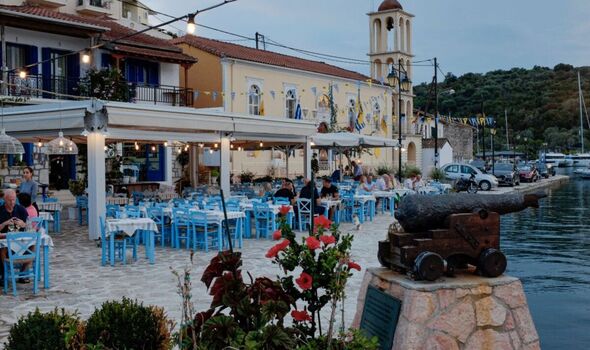
Authentic village life: The island’s three main villages, Vathy, Spartochori, and Katomeri, each offer a different slice of local life. Vathy is the bustling harbor with waterfront cafes and boat charters, Spartochori perches above the sea with views and stone houses, and Katomeri gives us a quiet, everyday Greek rhythm. Staying in any of these makes it easy to meet locals, visit family‑run tavernas, and experience real island pace.
Intimate coastline and hidden coves: Meganisi’s shoreline is full of small beaches and sea caves accessible by water. We’re not talking big commercial resorts: we mean pebble bays backed by tamarisk trees and dramatic blue lagoons ideal for snorkeling or a day on a rented skiff.
Accessible but unspoiled: Because Meganisi lies near Lefkada and mainland ports, it’s easy to reach on a short transfer or day trip, yet it hasn’t been overbuilt for mass tourism. That balance makes it perfect for travelers who want the conveniences of short transfers and boat tours without heavy crowds.
Great base for island hopping and focused experiences: Many of us add Meganisi to a larger Ionian itinerary, after Lefkada or before Kefalonia, because it’s an idyllic way to slow down. For travelers booking private tours in Greece or small group cultural tours, Meganisi is a welcome, restorative stop where food, sea, and quiet take center stage.
Getting There And Getting Around: Ferries, Transfers, And Local Transport
Getting to Meganisi is straightforward, but planning your transfers early makes the trip feel effortless, especially if you’re coordinating with larger Greece tour packages or island hopping schedules.
Ferries and boat transfers: Meganisi is most commonly reached via short boat transfers from Nidri (on Lefkada) and from the mainland ports around Preveza or Nydri. Regular small ferries and water taxis connect Vathy to Nidri: the crossing typically takes 20–30 minutes. In summer months, there are multiple daily runs: off‑season schedules thin out, so we always check timetables and book key legs in advance when traveling between islands.
From Lefkada: If you’re already on Lefkada, the simplest route is Nidri → Vathy. Many travelers combine Lefkada tours with a Meganisi day trip, a popular island‑hopping option that includes cave visits and swimming stops.
From the mainland or other islands: Private transfers or charter boats are common when you arrive from Preveza or when you want to link to Kefalonia or Ithaca. For those booking private Greece tours or luxury private tours in Greece, a skipper can tailor pick‑ups and drop‑offs to match your itinerary.
Getting around Meganisi: Meganisi is small but hilly. We recommend these options:
- Rental car or ATV: Useful if you want to explore Spartochori and remote beaches on your own schedule. Roads are generally narrow: choose a smaller car and drive carefully. ATV rental is popular, but check safety and insurance.
- Scooter: Ideal for solo travelers or couples, scooters make parking and winding roads easier.
- Taxis and local buses: There’s a limited bus service connecting main villages; taxis exist but are few. During high season, additional minibuses often run between villages and beaches.
- Boat taxis and charters: For beaches only accessible by sea, boat taxis are the go‑to. We often hire a half‑day boat to reach sea caves, secluded bays, and the famous Blue Cave of the Papanikolis area. Many local captains offer flexible loops combining swimming, snorkeling, and a tavern stop.
Timing and tips: Plan arrivals so you don’t miss the last boat back to Vathy if you’re island‑hopping that day. If you’re including Meganisi as part of a multi‑island Greece tour, we advise building a buffer day for weather delays, as small ferries and private boats can be affected by wind, especially in the shoulder seasons.
Booking advice: For small group tours in Greece, operators often supplied as an optional day trip. If you prefer independent travel, book key transfers and any private boat charters in advance during July and August. For travel during quieter months, check local ferry updates the day before departure.
Where To Stay And How To Choose The Best Village For Your Trip
Choosing where to stay on Meganisi depends on the travel experience we want. Do we crave a lively harbor with tavernas and boat access, a quiet hillside with panoramic views, or a low‑key village that’s centrally located for day trips? Here’s a breakdown to help us pick.
Vathy, The Harbor Hub
- Best for: first‑time visitors, convenience, families, and those who want easy boat access.
- Why stay here: Vathy is the island’s largest port and the practical choice for quick transfers, tavernas along the water, and arranging boat tours. Accommodations range from guesthouses to small boutique hotels. If our itinerary includes day trips or guided tours in Greece that start from the harbor, Vathy saves time.
Spartochori, Views and Tranquility
- Best for: couples, photographers, travelers seeking ambiance.
- Why stay here: Clinging to a hillside above the sea, Spartochori offers stone alleys, quiet squares, and panoramic sunsets. It’s a short drive from several beaches and feels more village‑centric than harboric. Great for slow mornings and evening walks.
Katomeri, Local Life and Central Access
- Best for: budget travelers, those wanting to feel local, and people looking for a quieter base.
- Why stay here: Katomeri sits inland with traditional tavernas and fewer tourists. It’s centrally located for exploring both coastlines and has a relaxed, authentic atmosphere.
Budget vs. Comfort vs. Luxury
- Budget: Family‑run pensions and studios are common across all villages: they’re often basic but clean and friendly. Book early in high season.
- Mid‑range: Boutique guesthouses in Vathy and Spartochori offer comfortable rooms, sometimes with shared terraces or breakfast included.
- Luxury: Meganisi doesn’t have big resort chains, but there are a few upscale villas and private rentals that cater to travelers seeking privacy with premium amenities. For travelers booking luxury private tours in Greece islands, renting a villa with a private boat is an attractive option.
Practical considerations
- Transport needs: If we plan many boat tours, Vathy is practical. For hiking and village strolling, Spartochori is better placed.
- Noise and nightlife: Meganisi is laid‑back: nightlife is limited to seaside bars and tavernas. If we want more evening activity, consider staying in Vathy and taking short evening walks.
- Booking: During July and August, accommodation fills quickly; coordinate with your Greece tour operator or book directly. For private or small group tours, ask the operator to secure beachfront rooms early.
How long to stay
We recommend 2–4 nights for most travelers. Two nights lets you sample the island and take a boat trip: three to four nights give time for relaxed pacing, a day trip, and a slower exploration of villages and beaches. If you’re tacking Meganisi onto a 10‑day island hopping itinerary, two nights often fit well without feeling rushed.
Top Beaches And Sights To See (Must‑Visit Spots)
Meganisi’s coastline is the main attraction. Much of it is best accessed by boat, but several beaches are reachable by road and short walks. Here are the must‑visit spots we recommend adding to any Meganisi travel itinerary.
Agios Ioannis and Atherinos Cove
- Why go: Close to Vathy and ideal for a relaxed swim. Agios Ioannis has crystalline waters and shading tamarisks: Atherinos Cove, a short boat ride away, feels like a private bay.
Spilia (The Cave Beaches)
- Why go: This area features dramatic sea caves and deep blue water. It’s a favorite stop for boat tours and a fantastic snorkeling spot. The light in the cave interiors is stunning, bring an underwater camera.
Papanikolis Cave and the Blue Grotto Areas
- Why go: Not a single beach but a series of caves and inlets famed for luminous blue water. Many captains include a stop here for swimming and photos. The caves are particularly photogenic in late afternoon light.
Limonari Beach
- Why go: One of the most accessible beaches by car, Limonari has pebbles, clear water, and a small taverna. It’s family‑friendly and good for a longer beach day.
Fanari and Porto Spilia
- Why go: Charming pebble coves with calm waters. Fanari is quieter and often less crowded: Porto Spilia has lovely rock formations and a nearby tavern.
Kaminia (Secluded Bay)
- Why go: If you want a quieter swim, Kaminia rewards those willing to go off the beaten path. It’s a peaceful anchorage for day‑boats.
Vathi Harbor and Waterfront
- Why go: Not a beach, but the waterfront is the social heart of the island. We recommend arriving here in the early evening to watch fishing boats, sip a coffee, and plan tomorrow’s boat trip.
Practical tips for visiting beaches
- Access: Many of the best coves are boat‑only. We often charter a small boat or hop on a shared tour to access Spilia and the Papanikolis cave cluster.
- What to bring: Water shoes (many beaches are pebbly), reef‑safe sunscreen, snorkel gear, and a dry bag for cameras and phones.
- Peak times: July and August are busiest. For quieter swims, aim for early morning or late afternoon, or travel in June/September when sea temperatures are warm but crowds are thinner.
Photography and nature notes
Meganisi’s light is exceptional: dawn and dusk provide warm, soft tones that make the island especially photogenic. Birdlife is modest but present; we often spot herons near inlets and butterflies in the olive groves. Respect the natural sites: pack out what you pack in and avoid leaving gear on fragile rock ledges near caves.
Activities, Day Trips, And Local Experiences: Boat Tours, Hiking, Food, And Nightlife
Meganisi lends itself to curated experiences rather than high‑energy attractions. Whether we’re on a private Greece tour or traveling independently, these activities highlight local culture and the island’s best natural assets.
Boat Tours and Private Charters
- Shared boat tours: These typically run half‑day loops from Vathy, visiting sea caves, snorkeling spots, and small bays for swims. They’re an economical way to see a lot in a few hours and are ideal if we’re combining Meganisi with Greece island hopping tours.
- Private charters: For flexibility and privacy, perfect for couples, families, or those on luxury private tours in Greece. We’ve booked half‑day charters that allow us to time lunch at a waterfront taverna and linger at a secluded cove.
- Multi‑island day trips: It’s common to link Meganisi with Lefkada, Skorpios, or Ithaca on full‑day boat trips. Operators often include snorkeling, a seaside lunch, and guided stops at historic or natural points of interest.
Hiking and Exploring Inland
- Spartochori trails: Short paths around Spartochori reward us with panoramic views across the Ionian. Wander the stone lanes, then follow trails down toward small coves.
- Coastal walks: There are pleasant coastal routes near Katomeri and Vathy that take us past olive trees and traditional houses. Bring a hat and water; the summer sun can be strong.
Food and Wine Experiences
- Taverna culture: Meganisi’s food scene is intimate: family‑run kitchens serve fresh fish, grilled octopus, lemon potatoes, and island‑style salads. We look for places where locals gather for the best, most authentic dishes.
- Local specialties: Try the island’s simple fresh seafood, homemade pies (spanakopita or cheese pies), and regional wines from Lefkada and the Ionian mainland. Many tavernas offer catch‑of‑the‑day options: ask the owner what’s been caught that morning.
- Food tours and hands‑on experiences: While Meganisi doesn’t have formal food‑tour companies like larger islands, private guides can arrange cooking lessons or market visits if booked through custom Greece travel itinerary packages.
Cultural Sights and Small Museums
- Church visits: Small Byzantine churches with frescoes dot the island, modest but atmospheric. Spartochori’s elevated church squares are particularly lovely at sunset.
- Local festivals: If our visit coincides with a panigiri (village feast) in summer, we’ll experience music, dancing, and home‑cooked food, a highlight for cultural tour travelers.
Nightlife and Evening Choices
- Quiet evenings: Nightlife on Meganisi is low‑key. We recommend waterfront dining in Vathy, followed by a drink at a seaside bar.
- Live music: Some tavernas and bars host live bouzouki or acoustic sets on select nights. For more vibrant nightlife, Lefkada or the larger Ionian islands are a short boat ride away.
Suggested day trips from Meganisi
- Day trip to Lefkada: Easy and popular, combine Meganisi with Lefkada’s beaches and attractions in a single day or overnight stop.
- Cruise to Ithaca or Kefalonia: For more island hopping, chartered boats can link Meganisi with nearby islands for a full day of exploration.
Booking and planning notes
- Reserve boat charters and popular tavernas in July/August early.
- If we’re part of a small group tour or private guided tour in Greece, ask the operator to include a private skiff for at least a half‑day; it changes the rhythm of a stay entirely.
- Always confirm pick‑up/drop‑off times for shared tours to avoid missing the last ferry back to Vathy.
From the water, a Meganisi kayak tour crosses from Nydri or Agios Ioannis, paddles into the Papanikolis sea cave and follows the island’s bays with swim stops.
What was Meganisi called in antiquity, and who were the Taphians?
In antiquity Meganisi was called Taphos or Taphias, the home of the Taphians, also named Teleboans, a seafaring people who ruled the waters between Lefkada and Acarnania in the Bronze Age and gave their name to the Taphian Islands.
The geographer Strabo grouped Taphos with the other islands between Lefkada and the Acarnanian coast: Kalamos, then called Karnos, Kastos, Atokos and Arkoudi. Homer knew the Taphians too. In the first book of the Odyssey, the goddess Athena visits Telemachus on Ithaca disguised as Mentes, lord of the oar-loving Taphians, a people of sea traders and raiders.
Myth gives the Taphians a violent name. The ancient mythographer known as Pseudo-Apollodorus tells how Taphian raiders drove off the cattle of Electryon, king of Tiryns and Mycenae, and killed his sons, the brothers of Alcmene. Alcmene’s husband Amphitryon answered with a campaign against the islands, helped by Cephalus, and subdued them. After the decline of the Teleboans, Meganisi followed the history of Lefkada down to the present day.
The modern name means “big island”. Meganisi is the largest of the islands around Lefkada, and the older forms of the name, Megalonisi and Makronisi, describe the same size.
What archaeology survives on the Podi peninsula of Meganisi?
The Podi peninsula, the south-western tip of Meganisi, is a declared archaeological site that protects burial mounds of the late Mycenaean to Protogeometric period, prehistoric settlements, Palaeolithic traces, a church built between 1684 and 1720, and two sea caves on the west coast.
The decision that fixed the boundaries of the site lists its places by their local names:
- Mesogalia: burial tumuli dated from the end of the Mycenaean age to the Protogeometric period.
- Kastri and Myli: remains of prehistoric settlements.
- Kefali, Makrychorafo and Apsidia: traces of habitation in the Palaeolithic period, the Old Stone Age.
- Tourlos: finds of prehistoric date and of the Classical and Hellenistic periods.
- Agios Grigorios at Kefali: a church built between 1684 and 1720.
- Papanikolis and Giovanis: two sea caves along the western shoreline, protected together with the land sites.
The Palaeolithic finds place people on these shores in the Old Stone Age, and the Mycenaean tumuli link Meganisi to the Bronze Age world of the Taphians described above. Anyone walking on the peninsula is inside a protected zone: digging, removing stones or pottery sherds and lighting fires are forbidden.
The same protection covers the Papanikolis cave, the best-known sight of the island. Our Meganisi from Lefkada page describes the cave and the boat trips that enter it.
Who lives on Meganisi, and how did the islanders make a living?
Meganisi had 1,041 residents at the 2011 census, living in three villages: Katomeri, seat of the municipality since 1990, Vathy and Spartochori. In the 19th century seafaring was the main trade of the islanders; after the 1980s the island turned to tourism.
The Municipality of Meganisi belongs to the Lefkada regional unit of the Ionian Islands Region, and its territory includes the islet of Skorpios, the former Onassis island. The story of Skorpios and its owners is on our Skorpios island page. In church affairs, Meganisi forms part of the Nydri, Meganisi and Skorpios district of the Holy Metropolis of Lefkada and Ithaca.
The seafaring tradition shaped the villages. In the 19th century Meganisi was linked to Preveza by motor boats and small sailing vessels, and the men of the island went to sea as sailors. The census of 2001 counted 1,090 residents, close to the figure ten years later, which shows a stable island community rather than an emptied one.
After the 1980s the islanders left the merchant navy behind and turned to visitors, while fishing, farming and livestock kept their place in village life. Spartochori remembers Dimos Tselios, a fighter and chieftain of the Greek War of Independence of 1821. The small population explains the quiet pace of the island: three villages linked by the island road, and a harbour life built around the ferries from Nydri.
Which islets and neighbouring islands surround Meganisi?
Meganisi is the largest of the Prince’s Islands of Lefkada, with an area of 22.4 square kilometres and a highest point of 301 metres; Skorpios and Madouri lie to its west, Kalamos and Kastos to its east, and Atokos and Arkoudi to its south.
The waters between Lefkada, Meganisi and the mainland form a sheltered basin that sailors call the Inland Sea. Meganisi also belongs to the wider group of the Teleboides islands, named after the ancient Teleboans. The islands around it share this basin:
- Skorpios: the private island west of Meganisi, part of the Municipality of Meganisi.
- Madouri: the islet off Nydri, home of the poet Aristotelis Valaoritis and the property of his family.
- Sparti: an uninhabited islet next to Skorpios.
- Kalamos and Kastos: two inhabited islands to the east, with harbours for yachts; see our Kalamos and Kastos page.
- Atokos and Arkoudi: uninhabited islands to the south, on the sea route towards Ithaca.
From the high ground above Spartochori and Katomeri, the view takes in the whole group, with the Acarnanian mountains of the mainland rising behind Kalamos. Ithaca, the island of Odysseus, lies beyond Arkoudi, a day’s sail south of Meganisi.
Which harbours and bays does Meganisi offer to sailors?
Meganisi offers sailors the harbour of Vathy, the ferry port of Porto Spilia below Spartochori, and deep bays such as Abelike, Port Atheni and Atherinos, all inside the sheltered Inland Sea between Lefkada and the mainland, a short crossing from the charter bases.
The island is a regular stop on flotilla and bareboat routes out of Lefkada and Nydri, because the charter bases lie across a narrow channel. Each harbour and bay has its own role:
- Vathy: the main harbour of the island, with berths for yachts in front of the village.
- Porto Spilia: the ferry port of Spartochori, where the boats from Nydri call; a path climbs from the quay to the village.
- Abelike: an arm of the bay of Vathy, used for anchoring off the olive-covered slopes.
- Port Atheni: a deep inlet with a beach, used by yachts at anchor.
- Atherinos: a long inlet ending in a beach, away from the ferry traffic.
Wind shapes the sailing day. Summer mornings in the Inland Sea are calm, and a north-westerly breeze, the maistro, builds from midday and blows through the afternoon before dying at dusk. Crews cross to Meganisi in the morning calm or sail with the afternoon breeze, and in July and August they reach the bays early, before the best anchoring spots fill.
For boats, crews and routes around the island, see our Lefkada sailing and Lefkada yacht charter pages.
Conclusion: Practical Itinerary Ideas And Final Travel Tips
Practical itinerary ideas:
- Weekend escape (2 nights): Arrive midday, explore Vathy, half‑day boat tour on day two, visiting caves and Limonari, dinner in Spartochori for sunset. Depart the morning of day three.
- Relaxed stay (3–4 nights): Base in Vathy or Spartochori. Day one: village stroll and waterfront dinner. Day two: private half‑day charter to sea caves and snorkeling. Day three: hike to viewpoints, leisurely beach day at Limonari. Day four: optional day trip to Lefkada or Kefalonia.
- Island‑hopping leg (1–2 nights): Use Meganisi as a restful stop between Lefkada and Kefalonia: book a private transfer or timed ferry to coordinate with your broader Greece travel tours.
Final travel tips and reminders:
- Timing: Visit in June or September for warm water and fewer crowds: July–August is lively but busy.
- Packing: Water shoes, reef‑safe sunscreen, a light windbreaker for evenings, and a small dry bag for boat days.
- Money: Bring some cash, small tavernas and boat operators sometimes prefer euros in hand.
- Respect local life: Keep noise low at night, support family‑run businesses, and follow guidelines at natural sites.
Meganisi rewards travelers who slow down. Whether we’re on My Greece Tours, island hopping with friends, or simply seeking a quiet corner of the Ionian, Meganisi offers restorative days, memorable swims, and genuine local warmth. Pack a few good books, reserve a boat for at least a half‑day, and let the island’s easy pace reshape your idea of a perfect Greek island escape.
Frequently Asked Questions about Meganisi Travel
What makes Meganisi Island special compared to other Greek islands?
Meganisi offers an authentic, unspoiled Greek island experience with quiet villages, intimate coves, and fewer tourists. Its compact size and proximity to Lefkada make it ideal for travelers seeking a slower, more genuine Ionian escape without mass tourism crowds.
How do I get to Meganisi, and what are the transportation options on the island?
Meganisi is accessible via short boat transfers from Nidri on Lefkada or from mainland ports like Preveza. On the island, you can rent a car, ATV, or scooter, use limited local buses and taxis, or hire boat taxis to reach secluded beaches and coves.
Which Meganisi village should I stay in based on my travel preferences?
For convenience and boat access, choose Vathy. For tranquility and panoramic views, Spartochori is ideal. Katomeri offers an authentic local vibe and central access, perfect for budget travelers or those seeking a laid-back atmosphere.
What are the must-visit beaches and sights on Meganisi?
Top spots include Agios Ioannis and Atherinos Cove for swimming, Spilia caves for snorkeling, Papanikolis Cave with luminous blue water, family-friendly Limonari Beach, and the peaceful bay of Kaminia. Many are best accessed by boat tours or private charters.
Can I go island hopping from Meganisi to other Ionian islands?
Yes, Meganisi is a great base for island hopping. You can take day trips or private boat charters to Lefkada, Ithaca, and Kefalonia, linking your visit with other popular Ionian destinations for varied experiences.
What local experiences are recommended on Meganisi for food and culture?
Enjoy family-run tavernas serving fresh seafood and local wines, attend village festivals during summer for traditional music and dancing, explore small Byzantine churches with frescoes, and consider private guided cooking or market tours for immersive cultural experiences.
Find more experiences in My Greece Tours: