
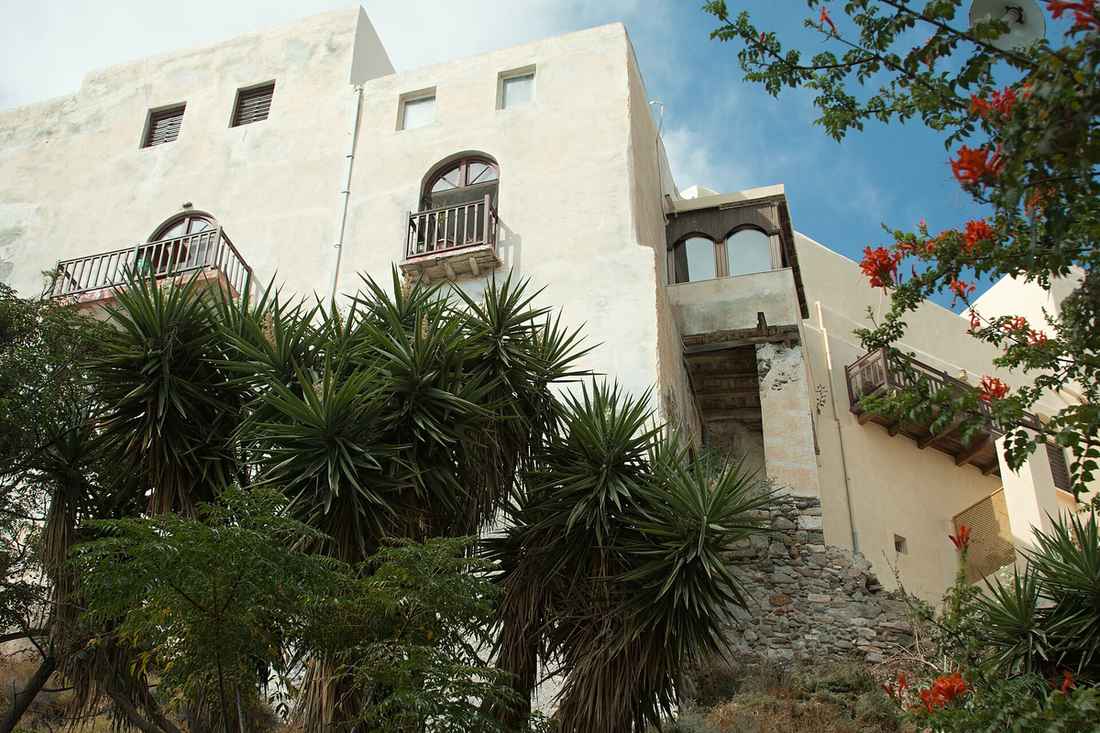
Ikaria and Naxos sit in the same corner of the Aegean, yet they pull travellers in opposite directions. Ikaria is wild, mountainous and thinly developed, a Blue Zone celebrated for the long lives of its residents. Naxos is the largest island of the Cyclades, green and fertile, with broad sandy beaches and a relaxed family rhythm. Ferry lines connect the two, so a single trip can hold both. One island rewards slow travel and quiet; the other stacks classic sights, variety and comfort. This guide sets the differences side by side and helps you match each island to the holiday you actually want, with My Greece Tours.
Naxos draws visitors with the Portara gateway, ancient marble quarries and mountain villages such as Halki and Apeiranthos. Ikaria answers with radon thermal springs, all-night panigiria festivals and a pace that resists resort culture. Our Ikaria travel guide digs deeper into the northern island, while this comparison keeps both in view. The sections below cover how the two islands differ overall, their beaches and scenery, their sights and history, the tourism and food each offers, and the practical steps for choosing one or joining both by ferry. Read on to find your fit.
How Do Ikaria and Naxos Differ Overall?
Ikaria is rugged, remote and famed for longevity, with few classic sights and a deliberately slow pace. Naxos is larger, greener and better equipped, offering long beaches, ancient monuments and a broad range of activities for most travellers.
Ikaria stretches long and narrow along a spine of steep mountains that drop hard into the sea. Roads twist through granite ridges, oak forest and scattered stone hamlets. Development stays light, and mass tourism never took hold here. The island earned its Blue Zone reputation from the remarkable number of residents who reach very old age. Locals credit a diet of garden vegetables, herbs and honey, daily walking on sharp terrain, and strong community bonds. Visitors feel that unhurried temper at once. Shops open on their own schedule, and dinner arrives late. People seeking silence, wellness and a raw landscape find their match, and planning starts with how to get to Ikaria from Athens or the wider Aegean.
Naxos presents a fuller, more balanced picture for a general holiday. The island is the largest in the Cyclades and the most self-sufficient, with fertile valleys that grow potatoes, citrus and olives. Its main town blends a Venetian castle quarter with a busy waterfront of tavernas and shops. Beaches run for kilometres along the western shore, backed by dunes and shallow turquoise water. Mount Zas, the highest peak in the Cyclades, rises inland above terraced villages. Families, first-time visitors and travellers who want variety gravitate here. The range of things to do in Ikaria stays narrower and wilder by comparison, which is exactly the appeal for a different kind of traveller.
What Are the Beaches and Scenery Like on Each Island?
Naxos offers long, sandy, shallow beaches ideal for families and watersports. Ikaria has smaller pebble and sand coves set against dramatic cliffs and forest, wilder and less organised, rewarding travellers who enjoy rugged, quiet swimming spots over developed resort shores.
Naxos is a beach island in the fullest sense. The southwestern coast unfurls a chain of broad sandy bays that start near the main town and continue for many kilometres. Agios Prokopios, Agia Anna and Plaka form a nearly continuous ribbon of pale sand and clear shallow water. The gentle depth suits children and swimmers who prefer calm entry. Steady summer winds turn the southern stretches into a magnet for windsurfing and kitesurfing. Sunbeds, tavernas and rental shops line the busier sections, while quieter sand waits further south at Mikri Vigla and Alyko. The scenery leans open and bright, dunes meeting cedar groves and a wide horizon that pulls the eye across the Aegean toward neighbouring islands.
Ikaria trades length for drama. Its coves are shorter, often pebbled, and framed by cliffs, rock terraces and pine or oak above the shoreline. Seychelles beach hides between smooth white boulders in a narrow ravine, reached by a short walk down. Nas sits at a river mouth beside the ruins of an ancient temple, backed by a green gorge. Livadi and Mesakti on the north coast bring longer sand but also strong currents that demand respect. The mountainous interior forms much of the scenery here. Forested slopes, waterfalls and the granite plateau of Rachi feel closer to a Greek wilderness than a beach resort. Swimmers who value seclusion over amenities find the reward worth the winding drive.
Which Island Has Better Sights, Culture and History?
Naxos wins on classic monuments, with the Portara gateway, ancient marble quarries and preserved mountain villages. Ikaria offers living culture instead: radon thermal springs, ancient temple remains and the famous all-night panigiria festivals that define its social calendar.
Naxos carries visible history at every turn. The Portara, a giant marble doorway from an unfinished temple of Apollo, stands on an islet at the harbour entrance and frames the sunset for arriving ferries. Inland, the marble quarries of Melanes and Apollonas hold colossal unfinished kouros statues left where ancient sculptors abandoned them. The Chora hides a maze of Venetian lanes climbing to a medieval castle. Mountain villages reward a day of exploring. Halki keeps neoclassical mansions and a working distillery of the local citron liqueur. Apeiranthos, built in grey marble, feels carved from the mountain and guards small museums of folk and archaeological finds.
History here is monumental and easy to visit by car in short loops from the main town.
Ikaria expresses culture through daily life rather than monuments. The island keeps a handful of ancient sites, notably the temple of Artemis Tauropolos beside Nas beach and scattered Hellenistic remains. Its deepest draw is the panigiri, a village feast tied to a saint’s day that runs from evening until dawn. Long tables fill with goat, wine and local bread, musicians play the island’s own tunes, and everyone dances the ikariotikos in a slow, hypnotic circle. Proceeds often fund the village school or church. The radon-rich thermal springs at Therma have drawn bathers since antiquity for their reputed healing warmth. Culture on Ikaria is something you join rather than tour, which makes the experience unusually personal for a visitor.
How Does Tourism, Food and Pace Compare on Ikaria?
Ikaria keeps tourism low-key with limited resorts, simple guesthouses and a garden-driven Blue Zone diet. Naxos runs fuller infrastructure, more hotels and lively dining. Ikaria moves slowly by design; Naxos balances relaxation with organised comfort and services.
Ikaria resists the resort model on purpose. Accommodation leans toward small family guesthouses, rooms to let and a few boutique stays rather than large hotels. Restaurants serve what the garden and the season provide: wild greens, chickpeas, goat, local honey and the island’s robust red wine. Meals stretch long, and the clock loosens its grip. The famous pace is not a marketing line but a lived habit; shops may shut in the afternoon and reopen when the owner returns. That rhythm connects directly to the Blue Zone reputation, where unhurried days and shared meals form part of the longevity story.
Travellers who want digital detox, thermal bathing and honest village food settle in quickly, and many extend their stay well beyond a first plan.
Naxos offers the smoother machinery of a mature destination. The island has a strong spread of hotels, apartments and villas across every budget, along with car and scooter rental, organised excursions and a well-supplied main town. Food is a genuine highlight. Naxos is known for its cheeses, its potatoes, citron liqueur and hearty valley cooking, and the tavernas of Chora and the villages deliver generous plates. The pace stays relaxed but never remote; services, pharmacies and transport all function reliably in season. Buses reach the main beaches and larger villages. Families in particular value that dependability.
Reaching either island for such a stay is straightforward, and the how to get to Ikaria route planning helps first-timers weigh flights against ferries before booking.
How Do You Choose Between Them or Combine Both by Ferry?
Choose Ikaria for quiet, wellness and authenticity, or Naxos for beaches, sights and variety. Combining both is easy: regular ferries link the two islands, letting one trip mix wild northern calm with lively Cycladic comfort.
Matching the island to your trip is the simplest way to decide. Pick Naxos for a first Greek-island holiday, a family beach week or a base with many day trips and classic sights. Pick Ikaria for a slow reset, thermal springs, hiking and a festival calendar you can actually join. Budget and season also matter. Naxos holds more options in peak summer, while Ikaria stays calmer even in August, apart from festival nights. Many travellers pair the two rather than choose, opening with the buzz of Naxos and closing with the hush of Ikaria. The Ikaria to Naxos ferry makes that hop practical, running as part of the same Aegean network that binds the islands together.
Building a two-island route takes a little planning around the ferry timetables. Both islands sit on lines that also serve Paros, Mykonos and Piraeus, so connections widen your options. A traveller can fly into Athens, sail out to Naxos, then continue north to Ikaria before flying home from the island’s small airport. The Ikaria to Paros ferry adds a useful third stop for those wanting more Cycladic variety in one journey. Sailings run more often in summer and thin out in shoulder season, so booking ahead protects your plan. Pairing the islands gives a rare contrast in a single holiday: monuments and long sand on one side, wilderness and longevity culture on the other.
Frequently Asked Questions
Is Ikaria or Naxos better for a first visit to Greece?
Naxos suits most first visits better. The island packs long sandy beaches, the landmark Portara gateway, ancient marble statues and walkable mountain villages into one destination with reliable infrastructure. Buses reach the main beaches, rental cars are easy to arrange, and the range of hotels covers every budget. Families value the shallow, calm water at Agios Prokopios and Agia Anna. The main town offers plenty of dining and a Venetian old quarter to wander. Ikaria rewards a different traveller. Its appeal is quiet, thermal bathing, hiking and joining local festivals rather than ticking off sights. A first-timer seeking variety, comfort and classic Greek-island scenery generally finds Naxos the safer, richer choice.
A visitor already drawn to slow travel, wellness and raw landscape may prefer Ikaria from the start and skip the busier option entirely.
Can you visit both Ikaria and Naxos on the same trip?
Both islands sit on the same Aegean ferry network, so combining them is practical. Regular sailings link Ikaria and Naxos directly, and both connect to Paros, Mykonos and the port of Piraeus near Athens. A common route flies into Athens, sails out to Naxos for beaches and sights, then continues north to Ikaria for its springs and slower pace, before flying home from Ikaria’s small airport. Ferry frequency rises through summer and drops in shoulder season, so checking timetables early matters. Booking tickets ahead protects the plan on popular dates. Allowing at least three nights on each island gives time to settle rather than rush.
Pairing the two delivers a strong contrast in one holiday: the lively, well-equipped Cycladic side of Naxos against the wild, longevity-famed calm of Ikaria, without doubling back through the mainland.
Which island is quieter and more authentic, Ikaria or Naxos?
Ikaria is the quieter and more authentic of the two. Its Blue Zone reputation grew from the long lives of residents, and daily habits reflect that unhurried culture. Shops keep loose hours, meals run late and long, and community festivals structure the social year more than tourist schedules do. Development stays light, with small guesthouses instead of large resorts and food drawn from gardens and the season. Naxos is far from over-touristed, yet it runs a fuller machine of hotels, excursions and services built for a broad market. A traveller seeking silence, thermal springs, mountain trails and a genuine village rhythm finds Ikaria hard to beat.
The panigiria festivals let visitors share tables, wine and dance with locals rather than watch from outside. Naxos still offers authentic villages such as Apeiranthos and Halki, but its overall pace and scale feel more mainstream than Ikaria’s.