
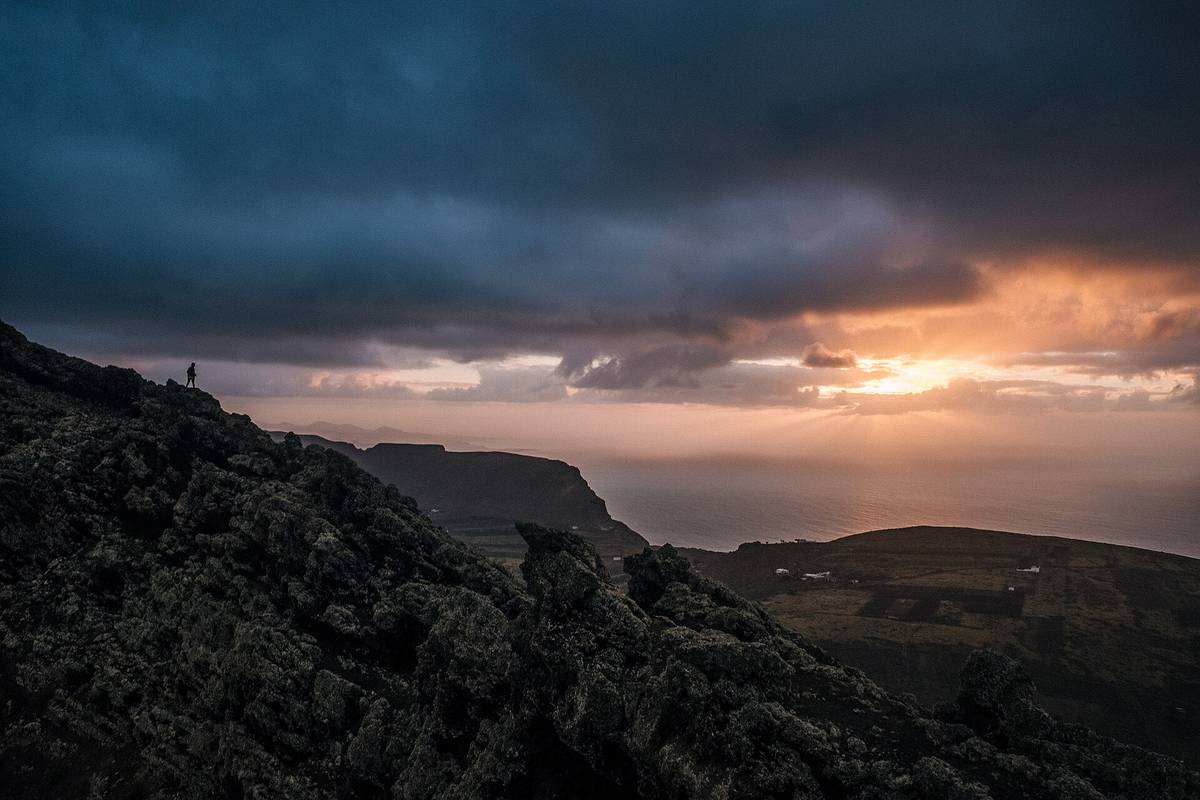
Ikaria rewards travellers who arrive alone and want nature, honesty and easy company over a polished resort scene. The island sits in the north Aegean, and its rhythm runs slow, unhurried and refreshingly loose about time. Solo visitors find hiking trails, quiet swims and warm village bars that all work without a companion. Locals treat strangers as guests, and the summer feasts pull everyone to shared tables. Costs stay low, and the pace suits people who prefer to set their own plans. This guide maps safety, meeting people, transport, where to base yourself and daily budgets, drawn from practical island knowledge. Plan your independent trip with My Greece Tours.
Independent travel on Ikaria works best with a little groundwork on transport, bases and the feast calendar. Our full Ikaria travel guide sets the wider context, and this page narrows the focus to travellers moving alone. The sections below cover whether Ikaria suits solo trips, how safe the island feels, how strangers meet at panigiria and bars, how to get around winding roads, and where to base yourself for the easiest social scene. Each section answers the question first, then adds practical detail. Read on for grounded advice shaped around the island’s relaxed character and its famously welcoming villages.
Is Ikaria good for solo travel?
Ikaria suits solo travel very well. The island rewards independent visitors with nature, authentic villages and easy socialising. Its slow pace, low costs and warm locals let solo travellers set their own plans without feeling isolated or out of place.
Solo travellers gravitate to Ikaria for its nature and its lack of resort polish. The island keeps a working farming and fishing character, and visitors slot into daily village life rather than a tourist bubble. Trails cross pine forest and granite ridges, beaches stay uncrowded, and the sea warms enough for long swims through summer. The relaxed pace lets a solo visitor slow down, read on a terrace or wander a footpath without a fixed schedule. Independent explorers find real depth in the range of things to do in Ikaria, from the thermal springs at Therma to the mountain villages of Rahes.
Solo travel here feels natural because nobody expects you to arrive as a couple or group.
The social side sets Ikaria apart for people arriving alone. Village cafes stay open late, and a single traveller nursing a drink often ends up talking with locals or other visitors. The famous longevity culture rests on community, shared meals and unhurried company, and that openness extends to guests. Solo hikers, cyclists and swimmers cross paths on the same trails and coves, so company appears without effort. The loose sense of time removes the pressure to fill every hour, which suits travellers who value freedom over an itinerary. A solo trip here balances quiet, personal days with easy chances to join others whenever the mood turns social.
How safe is Ikaria for a solo traveller?
Ikaria ranks among the safest Greek islands for solo travellers. Serious crime is rare, locals look out for visitors, and a warm welcome is the norm. The main hazards are practical: winding roads, strong sun and remote trails.
Personal safety on Ikaria feels reassuring for anyone travelling alone. Villages are small, people know each other, and a solo visitor is quickly recognised and greeted rather than ignored. Walking back to accommodation late at night carries little worry in the coastal settlements and mountain hamlets alike. Locals often offer directions, a lift or a place at their table without being asked. This warmth is a defining trait of the island and a large part of why solo travellers return. Women travelling alone generally report feeling comfortable and respected.
Sensible habits still apply: keep valuables secure, tell someone your hiking plans and note that some remote areas have patchy phone signal, which matters when you are exploring the interior on foot.
The real risks on Ikaria are environmental and practical rather than criminal. The roads twist through the mountains with steep drops, blind bends and occasional loose gravel, so driving or riding demands full attention and moderate speed. Summer sun is intense, and long hikes need water, a hat and an early start to avoid the midday heat. Sea currents around some exposed beaches can be strong, so read local advice before swimming off the north coast. Solo travellers on a tight budget sometimes look at camping in Ikaria, and choosing an established site over wild spots adds safety, shade and facilities. Respect the terrain, pace yourself, and the island stays gentle on independent visitors.
How do you meet people during Ikaria solo travel?
Meeting people on Ikaria is easy through the summer panigiria feasts, late-night village bars and shared accommodation. Strangers share tables, food and dancing at the festivals, so a solo traveller rarely stays alone for long.
The panigiria feasts are the island’s great social equaliser and the fastest way for a solo traveller to find company. These village celebrations honour local saints, and they fill a square with long communal tables, grilled goat, local wine and live music that runs until dawn. Nobody sits as a stranger for long, since tables are shared and dancing pulls everyone into a circle regardless of who they came with. Checking the calendar of Ikaria panigiria before you travel lets you time a trip around the biggest nights. A solo visitor who turns up, buys a plate and joins a table is welcomed as a guest, and conversations flow across languages with ease at these gatherings.
Everyday life offers plenty of gentler ways to connect beyond the festivals. The bars and cafes around Armenistis draw a relaxed evening crowd of travellers and locals, and the small scale means faces repeat night after night. Shared accommodation, guesthouses and simple rooms put solo visitors in daily contact with other independent travellers swapping trail tips and beach recommendations. Hiking the Round of Rahes, joining a yoga or wellness group or simply lingering over coffee all create openings for conversation. The island’s unhurried culture helps, since locals have time to chat and rarely rush a visitor along. Company on Ikaria tends to find you rather than the other way around, which reassures first-time solo travellers.
How do you get around and where should solo travellers base themselves?
Rent a car or scooter to get around Ikaria, since buses are sparse and roads wind through the mountains. Base near Armenistis on the north coast for the easiest beaches, trails and social scene.
Public transport on Ikaria is limited, so independent mobility matters for a solo traveller who wants to explore. Buses run on thin schedules that suit locals more than visitors, and they skip most beaches and trailheads. A rental car gives full freedom to reach the thermal springs, remote coves and mountain villages on your own timing. A scooter costs less and handles the narrow lanes, though the twisting roads and steep gradients demand confidence and care. Drive within your limits, watch for loose gravel and goats on blind bends, and avoid rushing the mountain sections after dark.
Weighing transport against accommodation early helps, and our notes on where to stay in Ikaria pair naturally with the vehicle choice you make.
Armenistis makes the strongest base for a solo traveller who wants both nature and easy socialising. This small north-coast village sits beside the golden sands of Livadi and Mesakti, close to the forested trails of Rahes and the wellness scene that draws returning visitors. Bars and tavernas cluster within walking distance, so evenings need no driving. Therma and Agios Kirykos on the south side suit travellers focused on the hot springs and ferry links, while the Rahes villages appeal to hikers who want mountain quiet. Basing yourself in one area and taking day trips outward beats constant repacking. A central north-coast base keeps beaches, trails and the liveliest bars all within a short and manageable reach.
What are the budget and practical tips for Ikaria solo travel?
Ikaria stays affordable for solo travellers. Rooms, tavernas and local wine cost little, camping cuts spending further, and shared feast meals are cheap. Bring cash for small villages, plan around ferries and pack for hiking and sun.
Daily costs on Ikaria stay low, which helps solo travellers stretch a trip without a shared budget to lean on. Simple guesthouses and rooms cost far less than resort islands, tavernas serve generous plates at fair prices and the local wine is cheap and plentiful. The panigiria feasts feed a crowd for the price of a plate, so festival nights double as budget meals. Travellers watching every euro can build a full plan around Ikaria on a budget, from free beaches and trails to low-cost rooms. Cooking a few meals with market produce trims costs further.
Carrying cash matters, since card acceptance thins out in the mountain villages and smaller tavernas, and the nearest cash machine may sit some distance away.
A little planning smooths the practical side of a solo trip. Ferries to Ikaria run from Piraeus and neighbouring islands, and schedules shift with the season, so book ahead in high summer and confirm return times early. Pack sturdy shoes for the trails, layers for cool mountain evenings and strong sun protection for the exposed coast. A refillable water bottle, a paper map and offline directions cover the patchy signal inland. Timing a visit around a major panigiria adds atmosphere but fills rooms, so reserve accommodation well ahead for those dates. Learning a few Greek greetings goes a long way with locals who value the effort.
Stay flexible, keep some cash in reserve and Ikaria repays independent travellers with an easy, memorable trip.
Frequently Asked Questions
Is Ikaria safe for solo travellers?
Ikaria is very safe for solo travellers, including women travelling alone. Serious crime is rare, and the small villages create a natural web of familiar faces where a visitor is recognised and looked after rather than ignored. Locals frequently offer directions, lifts and seats at their tables, and walking back late at night carries little worry in the coastal and mountain settlements. The genuine hazards are practical rather than criminal. The mountain roads twist with steep drops, blind bends and loose gravel, so drive or ride with care and moderate speed. Summer sun is intense, and long hikes need water, a hat and an early start.
Some remote trails and interior villages have patchy phone signal, so tell someone your route before heading out. Keep valuables secure and use common sense as anywhere. Respect the terrain and the sun, and Ikaria stays a gentle, welcoming island for independent visitors.
Is it easy to meet people on Ikaria as a solo traveller?
Meeting people on Ikaria is remarkably easy for solo travellers, and it usually happens without much effort. The summer panigiria feasts are the standout chance to connect. These village celebrations fill a square with long communal tables, grilled goat, local wine and music that runs until dawn, and strangers share both tables and dancing. A solo visitor who buys a plate and sits down is welcomed straight in. Beyond the festivals, the bars and cafes around Armenistis draw a relaxed mix of travellers and locals, and the small scale means the same faces return night after night. Shared guesthouses and rooms put independent travellers in daily contact with one another.
Hiking trails, wellness and yoga groups and long unhurried coffees all open conversations. The island’s slow culture helps, since locals have time to talk and rarely rush anyone along. Company on Ikaria tends to find you rather than the reverse.
Where is the best base for solo travel on Ikaria?
Armenistis is the best base for most solo travellers on Ikaria. This small village on the north coast sits beside the golden sands of Livadi and Mesakti, near the forested trails of Rahes and the wellness scene that draws returning visitors. Bars and tavernas cluster within walking distance, so social evenings need no driving, which suits a traveller arriving alone. The setting balances beach days, mountain hikes and an easy nightlife scene in one place. Travellers focused on the thermal springs and ferry links may prefer Therma or Agios Kirykos on the south side, while dedicated hikers sometimes base in the Rahes villages for mountain quiet.
Basing yourself in one area and taking day trips outward beats constant repacking and long night drives on the winding roads. A rented car or scooter widens the range from any base. For the fullest mix of nature and company, the north coast around Armenistis wins.