
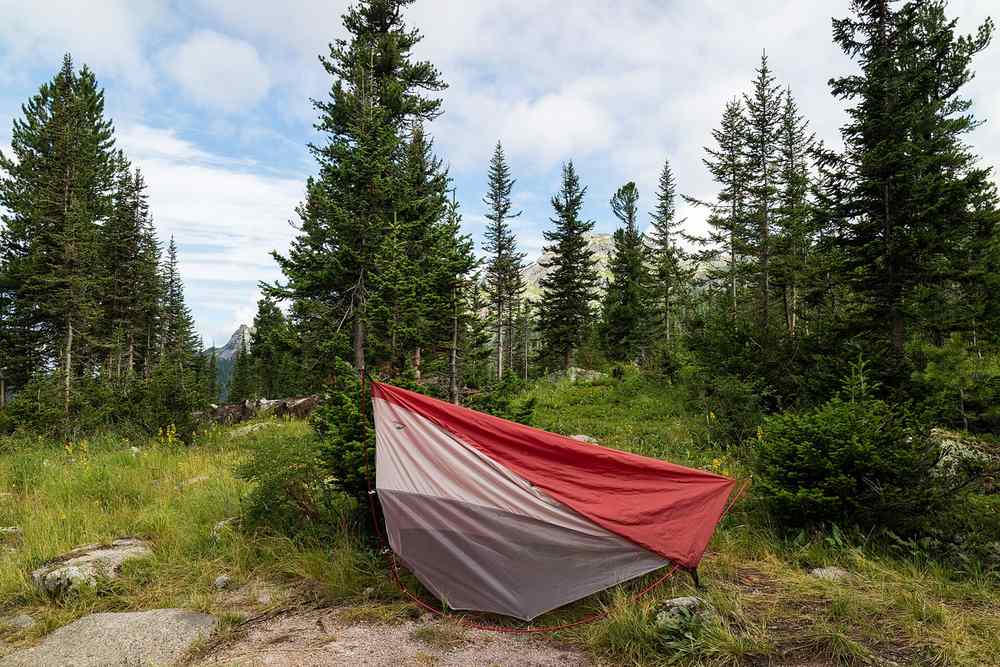
Ikaria draws campers who want the sea, the pines and a calm pace. The island carries a free-spirited reputation, and camping fits that rhythm. Travellers pitch tents near the northwest beaches, wake to the surf and spend days swimming and hiking. Organised sites cluster around Nas, Armenistis and Livadi, close to the water and shaded by trees. Budget travellers, young crowds and free spirits gather here through the warm months. The scene stays relaxed, unhurried and grounded in the outdoors. Water, gear and a light plan turn a handful of nights into a memorable Aegean escape. Start your route with My Greece Tours.
This guide walks through the practical side of pitching a tent on the island. It maps the organised campsites, the wild-camping tradition and the rules that shape it. It also flags who camping suits, what to pack and when to arrive. Read it beside the wider Ikaria travel guide for context on villages, food and transport. The sections below cover what camping on Ikaria feels like, the main sites near Nas and Armenistis, the wild-camping question, the traveller profile and gear list, and the season with hands-on tips. Each answer stays short and useful, so you can plan a trip with confidence.
What is camping in Ikaria like?
Camping in Ikaria feels relaxed, free-spirited and rooted in the outdoors. Tents sit under pines near the northwest beaches. Days mix swimming, hiking and slow meals. The vibe suits budget travellers and young crowds who value calm over comfort.
Camping on the island matches its laid-back name. Sites gather near the northwest coast, where pine and tamarisk trees throw shade over the sand. Travellers pitch close to the water and let the surf set the pace. Mornings start with a swim, and afternoons drift into naps under the branches. The crowd skews young, budget-minded and open to conversation around shared meals. Nobody rushes. Ikaria carries a reputation for long life and unhurried living, and camping fits that spirit. Nights bring music, star-watching and easy talk with strangers who become friends. The setting stays simple, honest and close to nature. Campers trade polished resorts for salt air, firelight and the quiet freedom of sleeping near the sea.
The camping scene pairs naturally with the island’s outdoor life. Hikers use tents as a base for trails through gorges and mountain villages. Swimmers chase coves along the coast and return to camp at dusk. The northwest beaches, including Nas beach, sit within easy reach of the main sites. Ikaria rewards travellers who slow down and follow the land. Camping strips a trip to its essentials: shelter, water, the sea and good company. A variety of visitors arrive planning a handful of nights and stay far longer. The rhythm pulls people in. Wild swims, shaded siestas and long evening talks fill the days.
Camping here is less a budget choice than a way to meet the island on its own terms.
Where are the organised campsites on Ikaria?
Organised campsites sit near the northwest beaches, most famously at Nas, and around the Armenistis and Livadi area. They offer basic facilities and shade under trees close to the sea. Summer is the main season for these sites.
The organised sites cluster on the northwest coast, the greenest and most sheltered stretch of the island. Nas stands out as the best-known spot, set beside a river mouth and a dramatic beach framed by cliffs. Camping near Nas puts you steps from the sand and the swimming coves below the old temple ruins. The Armenistis and Livadi area forms the other main hub, a short walk from tavernas, cafes and the village harbour. Sites here offer basic facilities, shade from pine and eucalyptus, and quick access to the water. Travellers weighing where to stay in Ikaria often pair a campsite with a rented room for the odd night of comfort.
The facilities stay simple rather than resort-grade. Expect toilets, cold or basic showers, and a shaded pitch close to the beach. Certain spots run a small kiosk or taverna nearby for food and cold drinks. Shade is the real luxury, since the pines and river greenery keep tents cooler than open ground. The Armenistis area makes a practical base, with buses, groceries and beaches within reach. Nas suits campers who want the sea at their doorstep and a wilder, quieter feel. Both hubs link to the wider stretch of Ikaria beaches along the north coast. Check ahead in peak weeks, since space fills as the young summer crowd arrives.
Bring your own gear, as rentals stay limited and demand runs high in August.
Is wild camping allowed in Ikaria?
Wild camping happens on certain Ikaria beaches and has a long island tradition. Free camping is officially restricted across Greece. Campers stay discreet, leave no trace and respect the land. Discretion and care keep the practice tolerated in quiet spots.
Wild camping runs deep in the island’s culture. Free spirits have slept on beaches here for decades, drawn by the space and the tolerant mood. The tradition sits at odds with the law, though. Free camping is officially restricted across Greece, and rangers or local authorities can enforce the rules. Campers manage this gap through discretion. They pick quiet stretches away from organised sites and busy tavernas. They arrive late, leave early and keep the footprint small. Fires stay controlled or skipped, since the pine slopes carry real wildfire risk in summer. The unwritten code matters as considerable as the written one.
Respect for the land and the community keeps the practice quietly tolerated in the calmer corners of the coast.
Leave-no-trace is the heart of responsible wild camping on the island. Campers pack out every scrap of rubbish and bury nothing that harms the ground. They avoid trampling dunes and protected greenery near the river mouths. Water is scarce, so people carry their own and never foul streams or wells. Noise stays low out of respect for neighbours and other travellers. The island’s charm rests on this shared care. Careless campers who leave mess or light fires put the whole tradition at risk. A variety of long-time visitors treat wild camping as a privilege, not a right. They tread lightly and give back where they can.
That attitude keeps Ikaria welcoming to the free-spirited travellers who have long made its beaches a summer home.
Who does camping in Ikaria suit, and what should you bring?
Camping in Ikaria suits budget travellers, young crowds and free spirits who love hiking and beach days. Bring your own tent, sleeping mat, water, sun protection and a torch. Pack light, self-sufficient gear, since facilities and rentals stay basic.
The camping crowd leans young, active and easygoing. Budget travellers stretch their money by swapping hotels for a tent by the sea. Free spirits come for the freedom and the sense of community around shared fires and meals. Solo visitors fit right in, and a variety of use camping as a low-cost, social way to travel. Anyone reading about Ikaria solo travel will find camps an easy place to meet people. Hikers value the base near trailheads, and swimmers love waking beside the water. Families with older kids and outdoor experience manage well too. The scene rewards flexibility, patience and a taste for simple living.
People who need daily comfort, air conditioning or full amenities will feel happier in a room.
Pack for self-sufficiency, since sites stay basic and rentals run thin. A sturdy tent, a sleeping mat and a light sleeping bag cover the nights. Bring ample water and a way to refill, as supplies can be far from the pitch. Sun protection matters: a hat, high-factor cream and a shaded tarp guard against the strong Aegean sun. A head torch, a power bank and a basic first-aid kit round out the kit. Good sandals and hiking shoes handle both beach and trail. Pack food for days when tavernas sit far off, plus a small stove if rules allow. Keep the load light and modular.
Travellers pass the northwest Ikaria beaches daily, so a dry bag protects gear during swims and boat hops.
When should you go camping in Ikaria, and what practical tips help?
Summer is the camping season in Ikaria, from late spring through early autumn. Warm, dry weather and open sites make these months ideal. Book nothing wild, plan water and shade, and travel light for the best experience.
Summer is the clear window for camping on the island. The dry, warm months from late spring through early autumn keep nights mild and sites open. July and August bring the biggest crowds and the liveliest beach scene, along with the famous village festivals. Late June and early September offer softer heat, more space and calmer pitches. The sea stays warm well into autumn. Winter and early spring bring rain, wind and closed facilities, so campers avoid them. Plan around water and shade, the two things that make or break a summer camp. Arrive earlier in the day to claim a shaded spot near the pines.
Check ferry schedules, since Ikaria sits off the main routes and boats can run on their own island time.
A handful of habits smooth out any camping trip here. Carry cash, as small kiosks and tavernas may not take cards. Refill water bottles at village taps and never rely on finding supplies near the beach. Respect quiet hours and neighbours, whether at an organised site or a wild spot. Watch the fire risk closely, since the pine slopes ignite fast in dry heat. Buses link the north coast, but a rented scooter or car widens your reach to distant coves. Time a visit around a panigyri, the island’s famous all-night village festival, for food, music and dancing. Leave every pitch cleaner than you found it.
That care protects the free-spirited camping culture that gives Ikaria its easy, welcoming charm for the travellers who follow.
Frequently Asked Questions
Are there campsites on Ikaria?
Yes, Ikaria has organised campsites, mostly on the greener northwest coast. The best-known spot sits at Nas, beside a river mouth and a dramatic cliff-framed beach. The Armenistis and Livadi area forms the other main hub, close to the village, its tavernas and the harbour. These sites offer basic facilities: toilets, simple showers and shaded pitches under pine and eucalyptus trees near the sea. Shade is the real draw, keeping tents cooler through the summer heat. Facilities stay modest rather than resort-grade, so campers bring most of their own gear. Certain sites sit near a kiosk or taverna for food and cold drinks.
Space fills fast in July and August as the young summer crowd arrives, so arrive early in the day for a good pitch. Camping here suits budget travellers who want the sea at their doorstep and a relaxed, outdoor feel over polished comfort.
Is wild camping allowed in Ikaria?
Wild camping happens on certain Ikaria beaches and carries a long island tradition, though free camping is officially restricted across Greece. The law and the local culture sit in tension, so campers stay discreet. They pick quiet stretches away from organised sites and busy tavernas, arrive late and leave early. Leave-no-trace is the guiding rule. Responsible campers pack out all rubbish, avoid trampling dunes and never foul the scarce water sources. Fires carry serious wildfire risk on the dry pine slopes, so most people skip them entirely. Rangers and local authorities can enforce the rules, and careless behaviour puts the whole tradition at risk.
Long-time visitors treat wild camping as a privilege rather than a right and tread lightly out of respect for the land and community. That shared care keeps the practice quietly tolerated in the island’s calmer coastal corners, so approach it with caution, humility and good sense.
What should you bring camping to Ikaria?
Bring self-sufficient gear, since campsites stay basic and rentals run thin across the island. Start with a sturdy tent, a sleeping mat and a light sleeping bag suited to warm nights. Water tops the list, so carry an abundance and plan refills at village taps, as supplies can sit far from the beach. Sun protection matters under the strong Aegean sun: a hat, high-factor cream and a shaded tarp make a real difference. Pack a head torch, a power bank and a basic first-aid kit for the essentials. Good sandals and hiking shoes handle both beaches and mountain trails. Carry certain food for days when tavernas sit far off, plus a small stove where the rules allow.
Cash helps, since small kiosks may not take cards. A dry bag protects electronics and clothes during swims and boat hops. Keep the whole load light, modular and easy to move between coastal spots.