
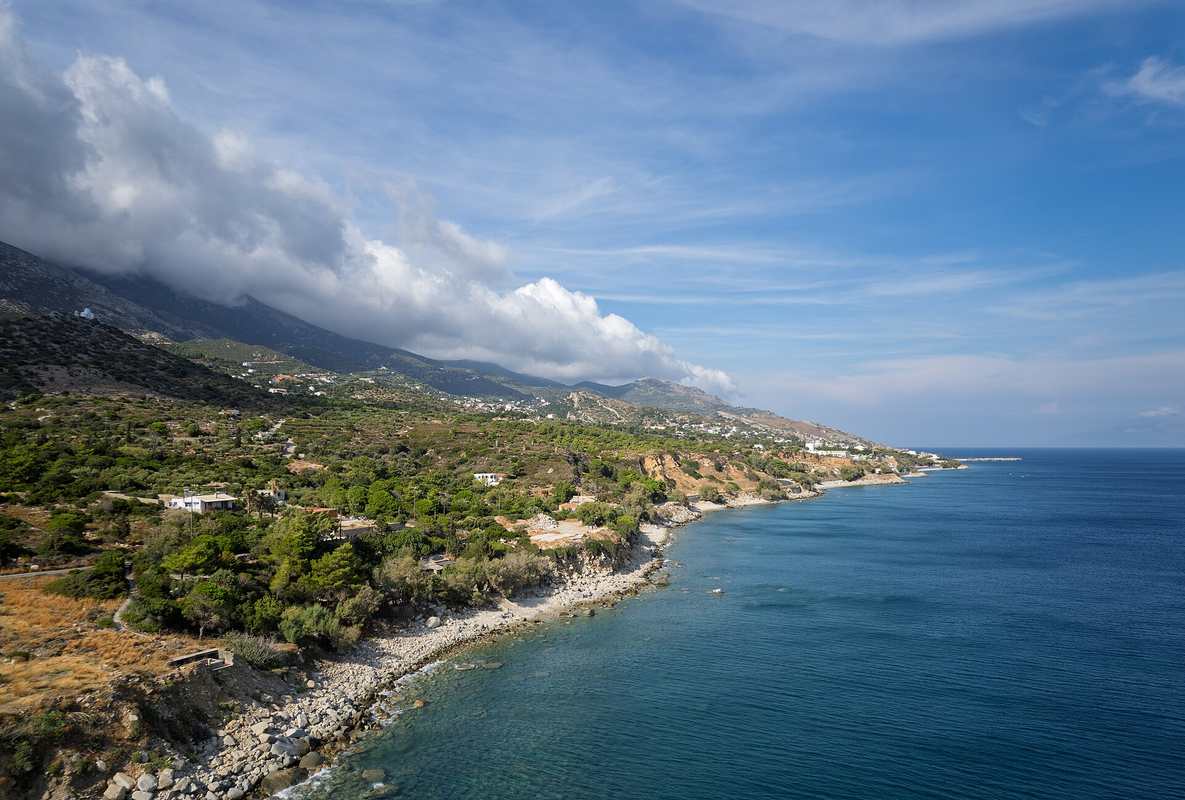
Ikaria rewards travellers who slow down, and five days give the north-Aegean island room to breathe. A trip based near Armenistis with a rental car reaches the beaches, the mountains, the springs and the southern coast at an unhurried pace. Each day carries one clear focus, so nothing feels rushed and the driving stays short. The plan leaves gaps on purpose, because the island runs on its own rhythm and the best evenings tend to arrive late. This route balances the swimming coast, the pine ridges above it and a boat day to a neighbouring cluster of islets. Build your five days with My Greece Tours.
Ikaria sits between Samos and the Cyclades, and the island splits into a green north, a rugged south and a high central spine. Armenistis works as a base because it puts the finest beaches, the Rahes villages and the mountain trailheads within a short drive. Our Ikaria travel guide maps the roads, the ferry links and the seasonal festivals that shape any visit. The sections below cover how to plan the five days and pick a base, the beach-and-mountain opening pair, the southern coast and its radon springs, a Fourni boat day, and a flexible final day with the practical details that keep the trip smooth.
How do you plan a 5-day Ikaria itinerary and where should you base?
Base near Armenistis on the green north coast and rent a car. Five days let you split the island into daily themes: beaches, mountains, the southern springs, a Fourni boat trip and a flexible finale, with short drives between each focus.
Armenistis anchors this plan because it sits beside the island’s best swimming coast and below the trailheads that climb into the Rahes villages. The village keeps tavernas, rooms and a small harbour within walking distance, and the road east reaches Evdilos and the springs in under an hour. Reading through the options for things to do in Ikaria helps you match each day to a region rather than chasing sights at random. A north-coast base keeps the daily driving low and puts the sunset beaches at Nas and Mesakti a few minutes from your door. Book rooms early for the summer peak, since Armenistis fills fast once the festival season begins and the ferries arrive full.
Renting a car is the single decision that makes five days work, because the bus network is thin and the sights spread across the whole island. Compare the choices for where to stay in Ikaria before you commit, weighing the lively north against the quieter southeast around Therma and Agios Kirykos. A five-day frame gives you slack for a slow morning, a long lunch or a late village night without falling behind. Keep one day loose at the end so the island’s own tempo, and any panigiri you stumble into, can set the pace rather than a fixed checklist. Short daily drives leave energy for swimming and long dinners.
What fills days one and two on the beaches and mountains of Ikaria?
Day one covers the north-coast beaches — Livadi, Mesakti and Nas — with an Armenistis evening. Day two climbs into the mountains for the Round of Rahes trail or the Halari gorge, then the late-night village life of Christos Raches.
Day one stays on the water. Livadi and Mesakti stretch wide below Armenistis, their sand backed by dunes and a shore break that draws swimmers all afternoon. Nas lies a short drive west, a river-mouth cove framed by cliffs and the ruins of a temple to Artemis above the pebbles. Time the day so the sun drops while you eat at a Nas taverna, where the terraces hang over the gorge and the light turns the sea copper. An easy loop through the beaches leaves the afternoon open for a nap, a second swim or a walk along the coast path before dinner back in the village.
Keep the pace gentle and let the swimming set the rhythm rather than a schedule.
Day two turns uphill into the pine ridges above the coast. The waymarked Round of Rahes trail links the mountain villages on old stone paths, and the Halari gorge offers a shadier alternative with pools and plane trees along the water. Planning a route through the network for hiking in Ikaria keeps you on marked paths and clear of the dead-end tracks that thread the ridge. Christos Raches caps the day, a village famous for shops and tavernas that open near midnight and stay busy until dawn. Eat late, wander the lanes and match the local clock, because this upside-down schedule is part of what makes the mountains here feel unlike anywhere else in the Aegean.
How do you spend day three on the south coast and the Therma springs?
Cross to the southeast for the Therma radon hot springs near Agios Kirykos, then follow the south coast toward the Seychelles cove and Manganitis. The drive threads dramatic cliffs and quiet swimming spots far from the north-coast crowds.
Day three crosses the mountain spine to the drier, rockier south. Therma sits a short way from Agios Kirykos, where radon-rich hot springs feed seaside pools and a cluster of bathhouses beside the water. A soak in the warm mineral water pairs well with a slow lunch in the port town, the island’s low-key administrative hub and one of its main ferry gateways. The southern light differs sharply from the green north, with bare slopes falling straight into a deep blue sea. Wandering the Agios Kirykos waterfront gives a feel for everyday island life away from the beach resorts, and the harbour cafes make an easy midday stop before the coast road turns west toward the wilder shore.
The road west from Manganitis clings to cliffs above hidden coves, and Seychelles beach ranks among the island’s most striking swims. Reaching Seychelles means a short walk down from a marked parking spot to white pebbles between towering rock walls, so bring water and shoes. Manganitis itself is a tiny fishing settlement where the road ends at a sheltered harbour good for a quiet afternoon dip. This southern circuit rewards an early start, since the drive is slow and the best coves reward the time it takes to find them.
Pair a morning soak at Therma with an afternoon on the south coast, then return over the ridge to Armenistis for another late village dinner as the day cools.
Why should day four be a Fourni boat trip?
Fourni is a small archipelago east of Ikaria, once a pirate refuge and now a working fishing community. A day boat from Agios Kirykos reaches the main harbour, its beaches and fresh-seafood tavernas, offering a complete change of pace.
Day four leaves Ikaria behind for the Fourni islands, a compact cluster of islets between Ikaria and Samos. Boats run from Agios Kirykos to the main port of Fourni Korseon, and the crossing itself frames the two islands across an open channel. The harbour village lines a single quay of tavernas and cafes, and the surrounding coves hold clear water and easy swimming. Fourni built its name on fishing, so the day’s highlight is often a plate of just-landed seafood at a waterside table. A rented scooter or a short taxi hop opens the beaches beyond the port, from Kampi to Psili Ammos, where the swimming is calm and the crowds thin.
The island’s old reputation as a pirate hideout still colours its coves and hidden inlets.
The boat day works best as a full outing, so check the seasonal schedule and give yourself the whole day on the water and ashore. The same routes that carry travellers onward, including the Ikaria to Mykonos ferry, show how connected this corner of the north Aegean is once you read the timetables. Fourni feels a generation slower than even Ikaria, its pace set by the fishing boats and the single main street. Travellers on a tighter schedule can fold the archipelago into a shorter plan, and the Ikaria 3-day itinerary shows how to trim the route without losing its heart.
Return to Agios Kirykos by late afternoon and drive back north over the ridge before dark, tired and salted from a long day at sea.
What should day five and the practical tips include?
Keep day five flexible for a summer panigiri, a slow beach or a return to a favourite spot. A rental car is essential, drives are short, and the island’s famous festivals reshape any evening once the music starts.
Day five stays deliberately open, because the best Ikaria memories rarely fit a plan. A summer panigiri, the all-night village feast held on saints’ days, is the island’s signature event, with shared tables, local wine, goat stew and dancing until dawn. Ask around for the next one and build the evening around it. Barring a festival, use the day to return to whichever beach or mountain village won you over, or simply drift between swims and long meals. A quiet cove at Gialiskari or a second visit to Nas rounds off the trip well. This loose finish honours the island’s rhythm, where the plan bends around the day rather than the day serving the plan.
Practical details keep the five days smooth. A rental car is essential, fuel stations cluster in the main towns, and the mountain roads are narrow and winding, so drive slowly and fill up before long stretches. Cash matters in the smaller villages, and many tavernas keep loose hours, opening late and closing later. Pack sturdy shoes for the pebble coves and the trails, plus a light layer for cool mountain evenings even in high summer. Ferries and the small airport link Ikaria to Athens and the neighbouring islands, so confirm timetables before travel days.
Above all, match the local clock: late lunches, late dinners and late nights are the island’s default, and leaning into that pace is the point of the trip.
Frequently Asked Questions
Is 5 days enough time for Ikaria?
Five days suit Ikaria well and let you see the whole island without rushing. The plan splits cleanly into daily themes: the north-coast beaches, the mountain trails and villages, the southern springs and coast, a Fourni boat day and a flexible finale. Short drives between regions leave energy for swimming and long meals, which is how the island is best enjoyed. Ikaria rewards a slow pace, so five days give room for the late village nights and long lunches that define a visit here. Travellers wanting deeper immersion could stay longer and add more festivals or hikes, and those on a tighter schedule can trim the route to three days and still catch the highlights.
The five-day frame hits a comfortable middle, covering the beaches, the mountains, the south and a neighbouring island while keeping one loose day for whatever the island offers. It is a length that respects Ikaria’s rhythm rather than fighting it.
How should you split the days on a 5-day Ikaria trip?
Assign each day one region to keep the driving short and the focus clear. Day one covers the north-coast beaches around Armenistis — Livadi, Mesakti and Nas — with a sunset dinner and an evening in the village. Day two climbs into the mountains for the Round of Rahes trail or the Halari gorge, ending with the late-night life of Christos Raches. Day three crosses to the southeast for the Therma radon springs, the port town of Agios Kirykos and the dramatic south coast toward Seychelles and Manganitis. Day four is a boat trip to the Fourni islands for swimming and fresh seafood.
Day five stays flexible for a summer panigiri, a slow return to a favourite beach or a final mountain village. This structure keeps each day self-contained, minimises backtracking from an Armenistis base, and balances sea, mountains and culture across the trip. Adjust the order to the ferry and festival calendar.
Do you need a car for a 5-day Ikaria itinerary?
A rental car is essential for this itinerary. Ikaria’s sights spread across the whole island, the public bus network is thin and infrequent, and the mountain roads make walking between regions impractical. A car lets you reach the north-coast beaches, the mountain trailheads, the southern springs and the ferry port at Agios Kirykos on your own schedule, which is what makes a five-day plan work. Book the vehicle in advance for the summer peak, since availability tightens once the festival season starts and the ferries arrive full. Drive carefully on the narrow, winding mountain roads, fill up in the main towns where fuel stations cluster, and allow extra time for slow coastal stretches.
A scooter can cover the north coast for confident riders, but a car handles the mountain crossings and the southern drive far more comfortably. On Fourni, a short taxi hop or a rented scooter reaches the beaches beyond the port, so a car is not needed for the boat day itself.