
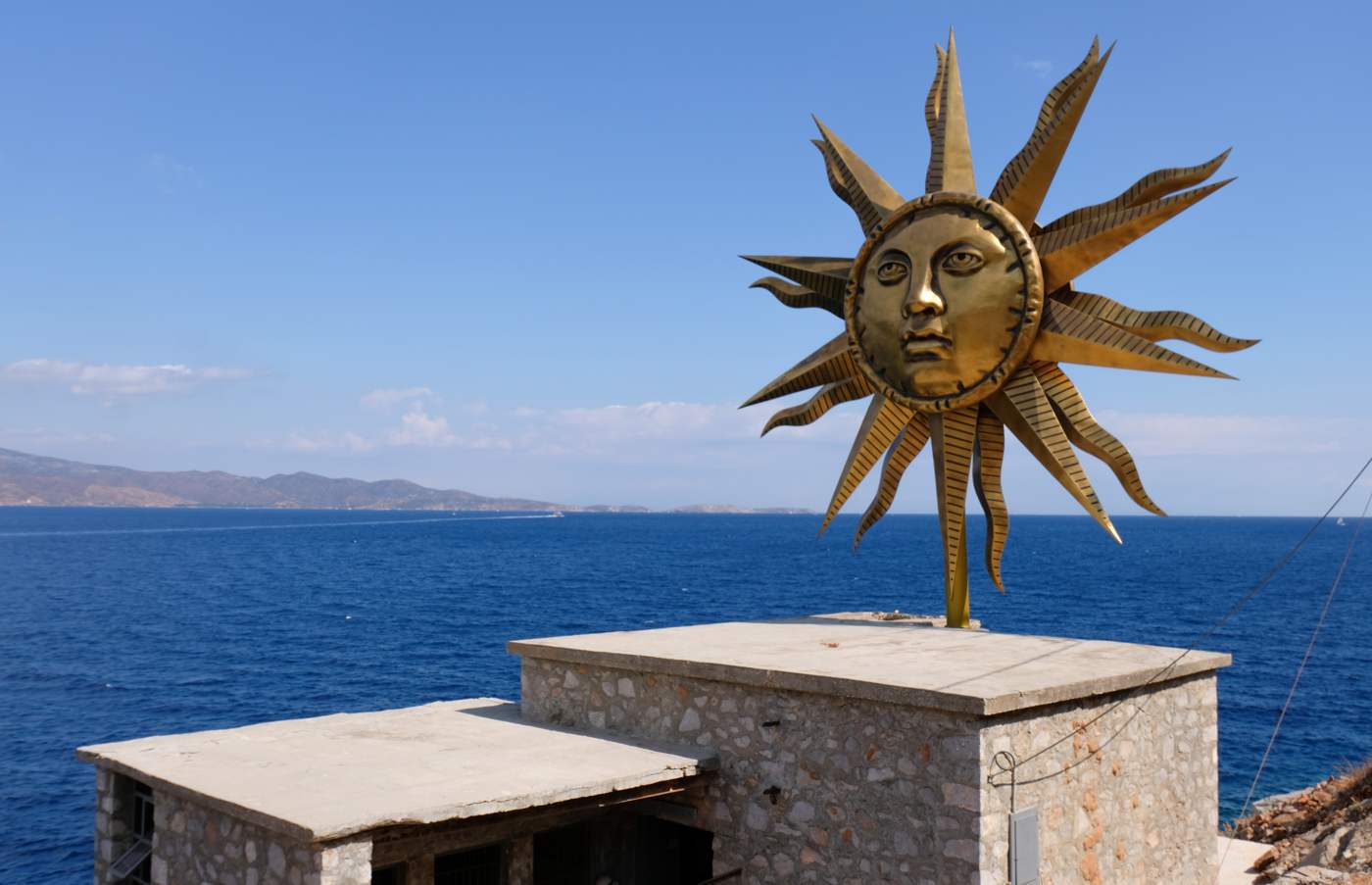
The Hydra artists gave this small and rocky Greek island a cultural fame far beyond its size. Turning it into one of the most celebrated bohemian havens of the twentieth century. Drawn by the clear light, the stark beauty, the cheap living and the deep calm of a car-free island. A colony of writers and painters gathered here in the postwar years, most famously the singer and poet Leonard Cohen. Their years of work, love and friendship on Hydra have become legendary. The island remains a magnet for artists and art lovers to this day. Blending a romantic creative past with a lively contemporary art scene. Plan the whole trip with Greece Tours.
Few small islands anywhere have inspired so much celebrated writing, music and painting, or hold such a powerful place in the imagination of those who love the arts.
To understand Hydra is to understand its artists, for the bohemian era of the mid-twentieth century shaped the island’s identity as much as its sea captains ever did. This guide tells the story of why artists came, who they were, Leonard Cohen’s famous years on the island and his muse Marianne Ihlen. The work they created here. How Hydra remains an art destination today. It also covers what daily life was like for the colony, how you can follow in the artists’ footsteps, the books. Films and songs that capture the era. Tips for exploring the creative side of the island, so you can appreciate both its legendary past and its living art scene today.
Why did artists and writers flock to Hydra?
Artists flocked to Hydra for its extraordinary light, stark stone beauty and deep tranquillity, combined with famously cheap living in the mid-twentieth century.
In the decades after the war, Hydra became one of the most sought-after retreats for creative people from around the world. The reasons were powerful: an intense, clear Aegean light that painters adored, a landscape of bare rock. Blue sea and honey-coloured stone houses of great beauty. A slow, timeless way of life untouched by cars or crowds. For an artist, it was a place where the outside world fell away and there was nothing to do but create.
Just as important was the cost. In those years Hydra was astonishingly cheap to live on. A writer or painter with very little money rent a house. Eat and drink simply, and devote themselves entirely to their work for months or years at a time. This freedom from financial pressure, in a setting of such beauty and calm, was irresistible to those willing to trade comfort for creative liberty.
The island’s car-free peace completed the appeal. With no traffic, no rush and no noise beyond the sea and the hooves of the mules, Hydra offered a rare quality of stillness and concentration. Word spread among artists that here was a kind of paradise for working and living freely. One by one they came. Forming the bohemian colony for which the Hydra artists became famous.
Who were the bohemian artists of Hydra?
Hydra’s bohemian colony centred on an international set of writers and painters, including the Australian writers Charmian Clift and George Johnston, whose home became its hub.
The heart of the bohemian community was a group of expatriate writers who settled on the island in the mid-fifties. Foremost among them were the Australian writers Charmian Clift and George Johnston, a married couple whose Hydra house became the gathering place and social centre of the whole colony. Warm, talented and hospitable, they drew others to the island and set the tone for its creative life.
Around this core assembled an ever-changing cast of novelists, poets, painters and free spirits from Europe. North America and Australia, living cheaply, working hard and spending long evenings together over food, wine and conversation. The Norwegian writer Axel Jensen and his wife Marianne Ihlen were part of this circle, as were others whose names are less remembered but who shared in the island’s remarkable creative atmosphere.
It was into this world that a young, then little-known Leonard Cohen arrived, drawn by tales of the island’s beauty and freedom. He quickly became one of the most celebrated figures of the Hydra artists, but he was one of many, part of a genuine community rather than a lone genius. Together these writers and painters made the island a byword for the bohemian creative life.
How is Leonard Cohen connected to Hydra?
Leonard Cohen arrived on Hydra in nineteen sixty and bought a stone house on the island, living there on and off for years.
Leonard Cohen’s link to Hydra is the most famous chapter in the island’s artistic story. He first came in nineteen sixty as a young poet and novelist, drawn by the bohemian colony he had heard about, and was captivated. With a small legacy he bought a nineteenth-century stone house on the island. One of the artists to own rather than rent. Made Hydra his home and creative base for much of the decade that followed.
On the island Cohen lived the simple, disciplined life of a working writer, rising early. Writing at a table with a view of the sea, swimming. Joining the colony’s evenings of talk and music. Here he completed poetry and fiction, including the novels that first built his literary reputation, and, crucially, began writing the songs that soon carry his name around the world. Hydra was the crucible in which the poet became the songwriter.
Cohen left Hydra in the mid-sixties to pursue a career in music, a decision that make him globally famous. Yet he kept his house and his love for the island for the rest of his life. Returning over the years. His name remains inseparable from Hydra, drawing admirers to walk its lanes to this day.
Who was Marianne Ihlen and her role in the Hydra story?
Marianne Ihlen was a young Norwegian woman living on Hydra who became Leonard Cohen’s companion and muse during his years on the island.
No figure is more romantically linked to Cohen’s Hydra than Marianne Ihlen. A young Norwegian who had come to the island with the writer Axel Jensen. She met Cohen within the bohemian circle and the two fell in love, beginning one of the most famous romances in modern music. For years she shared his life and his house on Hydra, and became his muse in the truest sense, her presence woven through his work.
Their love, set against the beauty of the island, inspired some of Cohen’s best-known songs. Above all So Long, Marianne, as well as Bird on the Wire, said to have been sparked by life on Hydra. Marianne became, through these songs, one of the most celebrated muses in popular music, forever associated with the island where the romance unfolded.
The story of Marianne and Leonard, with its beauty, freedom and eventual parting, has come to symbolise the whole bohemian dream of Hydra and its bittersweet end. Their bond lasted, in its way, for life. Their intertwined story continues to draw admirers and fans of Cohen’s music to the island. Making Marianne Ihlen an enduring part of the legend of the Hydra artists.
What did the artists create on Hydra?
On Hydra the artists produced a remarkable body of work: Leonard Cohen wrote poetry, novels and early songs there, George Johnston wrote his classic novel My Brother Jack, and Charmian Clift wrote her memoir Peel Me a Lotus about island.
The creative output of the Hydra colony was extraordinary for so small a place. Leonard Cohen wrote poetry and two novels during his island years. Works that established him as a serious literary figure before his music took over. He began composing the songs that define his later career. The island’s light and calm ran through everything he made there, and the quiet discipline of his working days on Hydra helped shape the artist he become.
The Australian writers were equally productive. George Johnston wrote much of his classic novel My Brother Jack, a landmark of Australian literature, while living on the island. Charmian Clift wrote Peel Me a Lotus. A vivid memoir of the family’s life on Hydra that remains one of the finest accounts of the bohemian years. Their books vividly preserve the texture and mood of the era for later readers.
Beyond the writers, painters drew inspiration from the island’s stark forms and brilliant light. Producing canvases that captured its beauty. The constant exchange of ideas among the colony fed everyone’s work. This concentration of talent, all creating at once in one small stone town, is what gives the story of the Hydra artists its lasting power and fascination.
Is Hydra still an artists’ island today?
Yes, Hydra remains a thriving art destination.
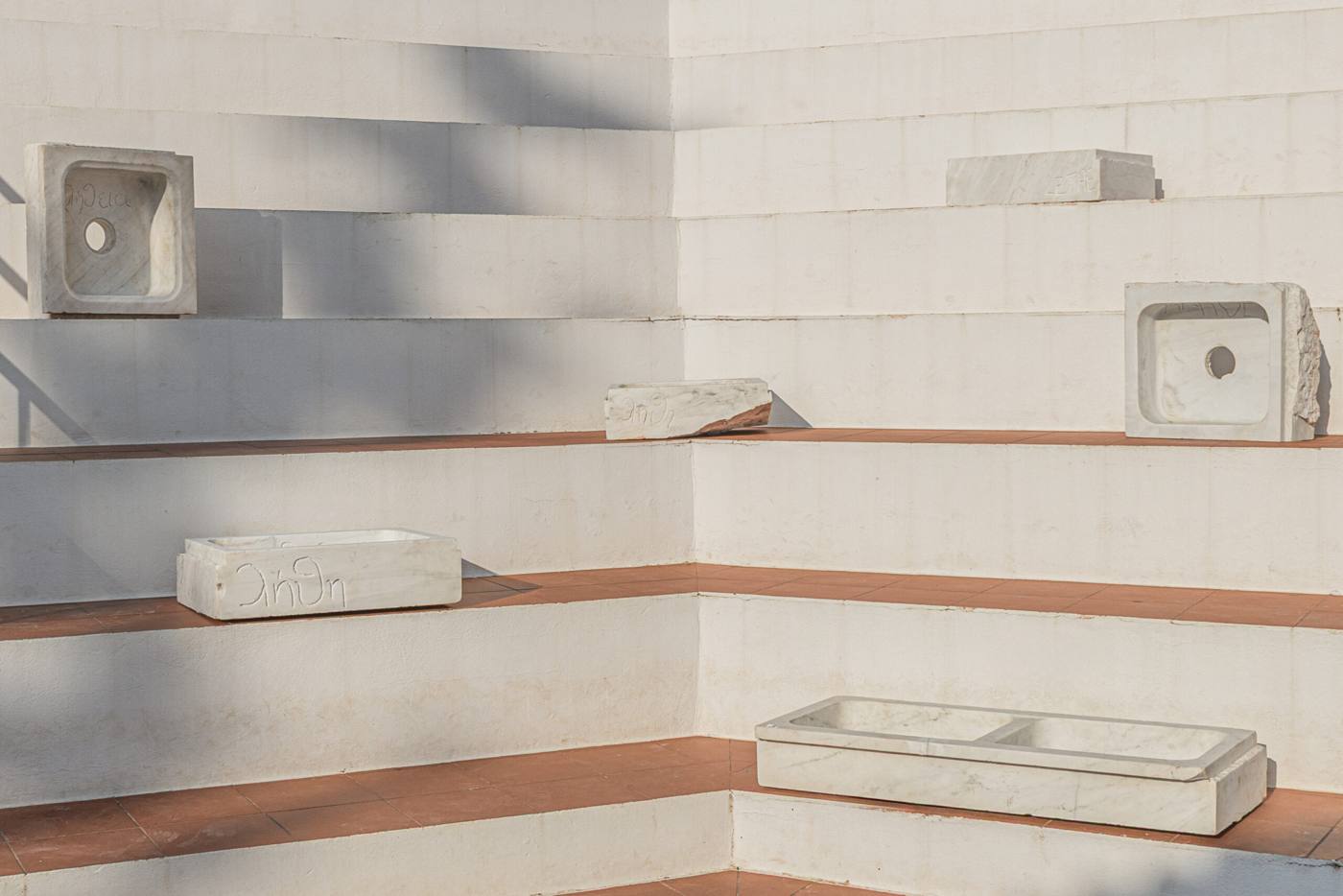
Far from living only on its past, Hydra is once again one of Greece’s most important centres for contemporary art. The best-known venue is a former slaughterhouse on the rocks outside the town, converted into an exhibition space that each summer stages a major project of international contemporary art. Drawing artists, curators and collectors from around the world and giving the island a fresh creative energy.
Around the harbour and the lanes, galleries and studios show the work of the artists who still live on or visit the island. Cultural events fill the summer season. The tradition of painters and writers making Hydra their home has never truly ended. The same qualities that drew the bohemians. The light, the beauty and the calm, continue to inspire new generations of the Hydra artists.
This blend of a romantic creative history and a living contemporary scene is part of what makes the island so special, and it connects naturally with its wider cultural life and museums. Whether you come for the legend of Cohen or for cutting-edge modern art, Hydra offers a depth of creative culture found on few other islands. A place where the artistic past and present sit side by side in the same beautiful stone town.
Can you follow in the artists’ footsteps on Hydra?
Yes, you can explore the world of the Hydra artists by wandering the stone lanes where they lived, sitting at the harbour cafes they frequented, and visiting the contemporary art shows.
Following the footsteps of the Hydra artists is one of the most atmospheric ways to experience the island. Simply walking the maze of stone lanes rising from the harbour, where the writers and painters lived and worked. Gives a powerful sense of the world they knew, little changed since their day. The house that Leonard Cohen owned still stands among these lanes, though it is a private home and be respected as such from the street.
The harbour front, with its cafes and tavernas, was the social stage of the bohemian era. Where the colony gathered to talk, drink and watch the boats. It remains the heart of island life today. Sitting here with a coffee or a glass of wine, imagining the scene decades ago, is a simple pleasure, as is swimming from the rocks as the artists did and exploring the town on foot.
For the contemporary side of the story, timing a visit for the summer art season lets you see the current exhibitions that continue the island’s creative tradition. Between the lanes, the cafes and the galleries. You can easily spend a rewarding day tracing both the legendary past and the living present of the Hydra artists, all within the small, walkable town.
What books, films and songs capture Hydra’s bohemian era?
Hydra’s bohemian era is captured in Leonard Cohen’s songs such as So Long, Marianne, in memoirs and novels by Charmian Clift and George Johnston, in Polly Samson’s novel A Theatre for Dreamers, and in documentaries about Cohen and Marianne Ihlen.
The romance and creativity of Hydra’s golden bohemian age have been preserved in a rich body of work. Leonard Cohen’s music is the most famous record of it, with songs like So Long. Marianne and Bird on the Wire carrying the island’s spirit to millions, while his early poetry and novels capture his life there directly. To listen to these songs is to hear an echo of Hydra itself, of its light, its sea and the freedom the artists found there.
In print, the era lives on in Charmian Clift’s memoir Peel Me a Lotus and George Johnston’s fiction. First-hand accounts by those who lived it. More recently in Polly Samson’s acclaimed novel A Theatre for Dreamers, which recreates the world of the colony in the early sixties for new readers. These books have introduced the story of the Hydra artists to fresh generations.
On screen, documentaries have told the story of Cohen and Marianne Ihlen and their years on the island. Bringing the romance and the setting vividly to life. Hydra’s striking beauty has long attracted filmmakers, having served as a memorable location for classic cinema. Together these songs, books and films ensure that the bohemian legend of Hydra endures and continues to draw admirers to its shores.
What was daily life like for the artists on Hydra?
Daily life for the Hydra artists was simple, disciplined and social: mornings spent writing or painting, afternoons swimming from the rocks and resting through the heat, and long evenings of talk, food, wine and music with the colony at the.
For all its romance, the life of the Hydra artists was built on a simple, working routine. Most rose early and devoted the fresh morning hours to their craft, writing or painting in cool stone rooms before the heat of the day. A discipline that produced the remarkable body of work the colony left behind. The lack of distractions on the car-free island made this focused, productive rhythm possible.
The afternoons belonged to the sea and the sun. The artists swam from the rocks around the town, walked the coast to quiet coves. Rested through the hottest hours in the shade. Living close to nature in a way that fed their work. Simple pleasures, cheap food from the market, fruit, fish and wine, and the beauty of the island itself were the fabric of everyday life.
The evenings were when the community came alive. The colony gathered at the harbour tavernas and in one another’s houses for long, convivial nights of conversation. Argument, music and laughter that often ran late, forging the friendships and rivalries that shaped the era. This blend of solitary work by day and intense sociability by night was the essence of bohemian life on Hydra, and part of what made it so creatively fertile.
What tips help for exploring the artistic side of Hydra?
To explore artistic Hydra, wander the lanes and harbour on foot, visit in summer for the contemporary art shows, read about the bohemian era before you go, and respect the privacy of the private houses linked to the artists.
A little preparation deepens a visit to artistic Hydra. Reading about the bohemian era beforehand, whether Cohen’s biography, Clift’s memoir or Polly Samson’s novel. Brings the lanes and cafes to life and helps you picture the people who once filled them. Comfortable shoes are essential for the stone steps of the town, and an unhurried pace lets you absorb the atmosphere that so inspired the artists.
Timing matters for the contemporary scene: visiting during the summer season lets you catch the current art exhibitions and events that keep the island’s creative tradition alive, while the shoulder months offer a quieter, more contemplative experience closer to the calm the bohemians knew. Either way, leave time simply to sit, walk and look, as the artists did.
Above all, explore with respect. Many of the buildings connected to the artists, including Leonard Cohen’s former house, are private homes, so admire them from the street without intruding. Treated this way, tracing the story of the Hydra artists is a moving and rewarding experience. Connecting you to one of the most romantic creative legends of the twentieth century in the very place where it unfolded.
Frequently Asked Questions
Did Leonard Cohen really live on Hydra?
Yes, Leonard Cohen genuinely lived on Hydra, and it was one of the most important places in his life. He first came to the island as a young poet and novelist in nineteen sixty. Drawn by its bohemian colony. Bought a nineteenth-century stone house there, making Hydra his home and creative base for much of the decade. It was on the island that he wrote poetry and novels and began the songs that make him world-famous, and where he lived his celebrated romance with Marianne Ihlen.
He kept the house and his deep connection to the island for the rest of his life, returning over the years. His time on Hydra is central to both his story and the island’s.
Can you visit Leonard Cohen’s house on Hydra?
Leonard Cohen’s house still stands in the lanes above the harbour on Hydra. It is a private residence and is not open to the public, so it cannot be visited inside. Admirers can walk the stone streets of the town where it sits and sense the atmosphere of the neighbourhood he knew. It is important to respect the privacy of the property and those connected to it. Admiring it only from the public street rather than intruding. Many fans of Cohen make a quiet pilgrimage to the island to walk these lanes, sit at the harbour cafes he frequented and swim from the rocks as he did.
Experiencing the town and the setting, rather than the house itself, is the real way to connect with his Hydra.
Why did so artists love Hydra?
Artists loved Hydra for a rare combination of qualities that made it perfect for creative life in the mid-twentieth century. The island offered an intense, clear light that painters prized, a landscape of stone. Sea and sky of great beauty. The deep calm of a car-free island with no traffic or noise. Just as importantly, living there was extremely cheap in those years, so writers and painters with little money devote themselves entirely to their work for long periods. Add a warm, welcoming community of fellow artists. Hydra became a kind of creative paradise where people live simply and freely while doing their best work.
Far from the pressures and distractions of the cities they had left behind. These same qualities of light, beauty and calm continue to draw artists to the island today.
Is Hydra still a destination for art today?
Yes, Hydra is very much a living art destination and not merely a place with a famous past. Each summer a former slaughterhouse on the coast, now an exhibition space, hosts an acclaimed project of international contemporary art that draws artists. Curators and collectors from around the world. Galleries around the town show work throughout the season. Many artists still live on or regularly visit the island, continuing a tradition that stretches back to the bohemian era and beyond. This combination of a legendary creative history and a vibrant contemporary scene makes Hydra one of the most culturally rich of all the Greek islands.
Rewarding for anyone interested in art, whether they come for the story of Leonard Cohen or for the latest in modern art.
What is the novel A Theatre for Dreamers about?
A Theatre for Dreamers is an acclaimed novel by Polly Samson that recreates the bohemian world of Hydra during its golden creative age in the early sixties. Told through the eyes of a young narrator who arrives on the island, it vividly imagines the lives. Loves and rivalries of the real expatriate colony of writers and artists who gathered there, including Leonard Cohen and Marianne Ihlen and the Australian writers at the heart of the group. Blending real figures with fiction, the novel captures the beauty and freedom of the island, as well as the darker undercurrents beneath the idyll.
It has been widely praised for bringing the story of the Hydra artists to a new generation of readers. Many visitors read it before or during a trip to the island to deepen their sense of its remarkable past.
Who were Charmian Clift and George Johnston?
Charmian Clift and George Johnston were an Australian married couple, both writers, who were at the very heart of Hydra’s bohemian colony. Settling on the island in the mid-fifties, they made their home the social and creative hub of the whole community. Welcoming and inspiring the artists and writers who came and went, including the young Leonard Cohen. Both were highly productive on the island: Johnston wrote much of his classic novel My Brother Jack, a landmark of Australian literature, while Clift wrote Peel Me a Lotus, a vivid memoir of the family’s life on Hydra that remains one of the best accounts of the era. Their story, both its creativity and its later sadness.
Has come to embody the whole bohemian dream of the island. Their books preserve the texture of those years for later readers.