
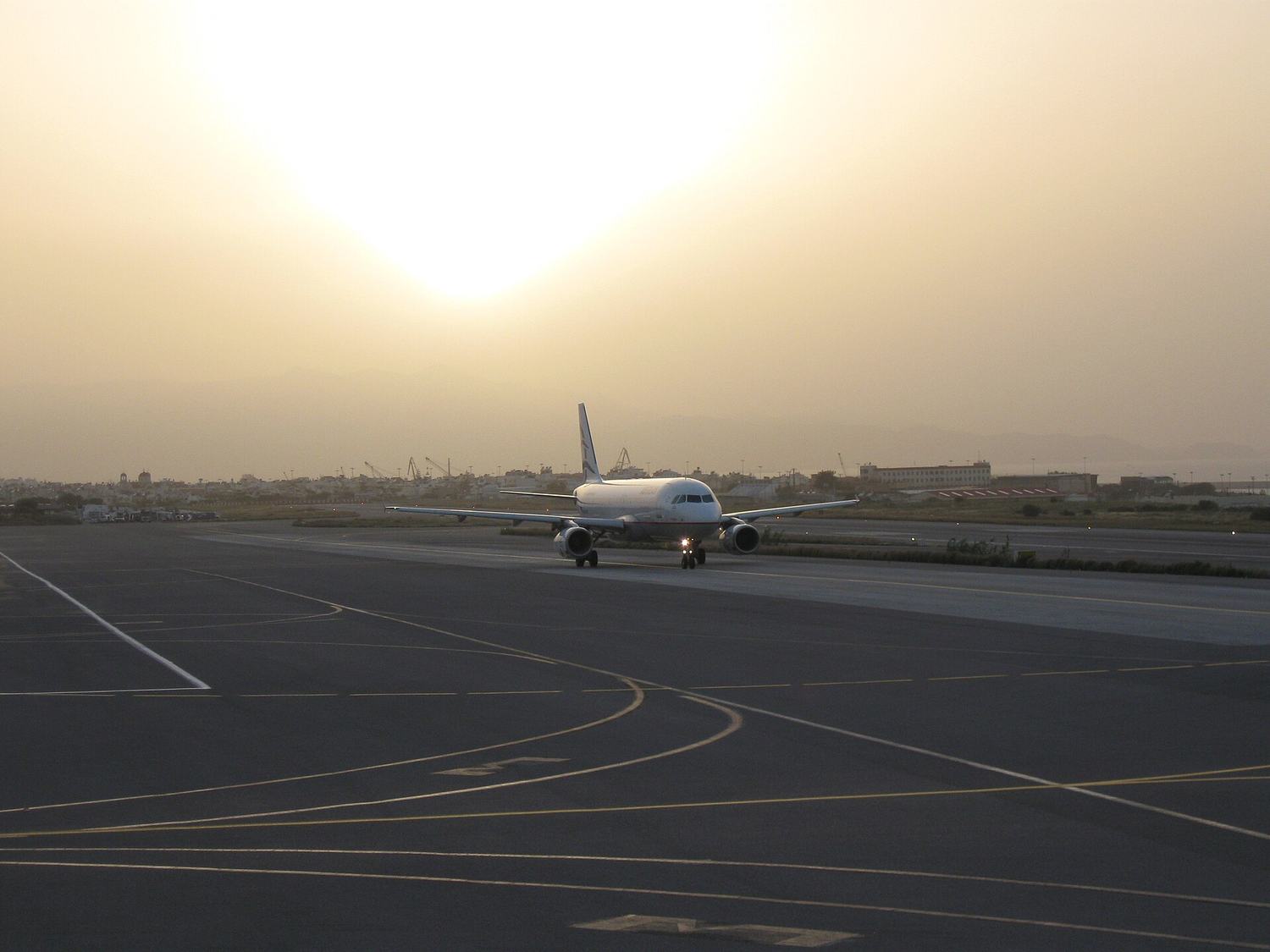
Heraklion International Airport, officially named after the writer Nikos Kazantzakis and carrying the code HER, stands as the busiest airport on Crete and ranks among the most active in all of Greece. Located just five kilometres east of Heraklion city centre on the island’s north coast, this gateway handles year-round domestic connections and welcomes a heavy summer wave of international charter and scheduled flights from across Europe. Its central position makes it the natural arrival point for visitors heading to Knossos, the Lasithi region and the eastern beach resorts, and planning your onward journey becomes much simpler with My Greece Tours.
The terminal offers straightforward access to the island through city buses, taxis, hotel shuttles and a wide choice of car-hire desks in the arrivals hall. A new larger airport is planned inland at Kastelli to eventually replace the current facility, but for now HER remains the primary entry point for most travellers exploring the island. The sections below cover practical details about the airport layout, transport links, booking advice and regional connections. For broader island inspiration, consult our full Crete travel guide before you fly.
What makes Heraklion Airport the main gateway to Crete?
Heraklion Airport handles the highest passenger volume on Crete, offering year-round domestic flights from Athens and Thessaloniki plus extensive summer international routes. Its central north-coast location provides convenient access to Knossos and eastern resorts.
The airport sits just east of the island’s capital, placing it within easy reach of the archaeological site at Knossos and the popular beach towns that stretch along the northern shore. Domestic carriers maintain daily schedules throughout the year, ensuring reliable connections even during the quieter winter months. Charter operators and low-cost airlines add dozens of direct routes from European cities during the peak summer season, making HER the most connected point of entry for international visitors. The terminal’s central position also means shorter transfer times to the Lasithi plateau, Agios Nikolaos and the eastern tip of the island compared to flying into Chania in the west.
This geographic advantage cements its role as the island’s primary hub for both leisure and business travellers arriving by air.
Passenger numbers swell dramatically between late spring and early autumn, reflecting Crete’s status as a major Mediterranean holiday destination. The airport infrastructure includes a single terminal building with separate domestic and international sections, though both share common facilities in the arrivals hall. Duty-free shops, cafés and currency-exchange counters occupy the departures area, while the arrivals level hosts car-hire desks, taxi ranks and bus stops. The facility operates around the clock during peak weeks, with early-morning and late-night arrivals common on charter flights. Authorities have approved plans for a new airport at Kastelli, located inland south of the city, which will eventually replace the current site and offer greater capacity for future growth in visitor numbers and cargo operations.
How do I travel from Heraklion Airport into Crete’s capital city?
City bus line three connects the terminal to Heraklion centre in about twenty minutes for a low fare. Taxis wait outside arrivals and charge fixed rates to downtown. Hotel shuttles and pre-booked private transfers offer door-to-door convenience for groups.
The public bus stop sits directly outside the arrivals hall, clearly marked with route information and timetables posted on the shelter. Line three runs frequently during daylight hours, with reduced evening and weekend schedules, and tickets can be purchased from the driver or at a kiosk near the stop. The route follows the coastal road into the city, stopping at key points including the port, the main bus station and the historic centre near the old Venetian harbour. Journey time averages twenty minutes in light traffic but can stretch to thirty during rush periods.
The service represents the most economical option for solo travellers or those with light luggage, though space for large suitcases can be limited during busy periods when the bus fills with commuters and other passengers heading into Heraklion.
Taxis line up in a dedicated rank immediately outside the terminal exit, and dispatchers help manage the queue during peak arrival times. Fares to the city centre follow a fixed tariff, displayed on signs at the rank, and the journey typically takes fifteen minutes depending on traffic. Drivers accept cash in euros, and most now also take credit cards, though it remains wise to confirm payment methods before departure. Hotel shuttles operate for guests with advance bookings, meeting arrivals in the hall with name boards, and private transfer companies offer pre-arranged pickups with English-speaking drivers and child seats on request.
Booking a transfer ahead of time proves especially valuable during the high summer weeks, when taxi queues can stretch long and bus services struggle to accommodate the volume of arriving passengers with beach gear and suitcases.
What car-hire options are available at Heraklion Airport for exploring Crete?
International and local rental companies operate desks in the arrivals hall, offering vehicles from economy hatchbacks to larger family SUVs. Booking online before arrival secures better rates and guarantees availability during busy summer weeks when demand peaks.
The arrivals area hosts a row of car-hire counters representing both global brands and Greek independent operators, all competing for business as passengers stream through the terminal. Rental agreements typically include basic insurance, unlimited mileage and a full-to-full fuel policy, though additional coverage for tyres, windscreen and undercarriage can be purchased at the desk. Staff speak English and process paperwork quickly, but queues form during the midday and evening rush when multiple flights land simultaneously. Vehicles are parked in a dedicated lot a short walk from the terminal, and agents provide maps and directions before handing over keys.
Rates vary significantly by season, vehicle class and booking lead time, with advance online reservations often costing half the walk-up price during July and August. Exploring Crete car rental options ahead of departure allows comparison shopping and ensures the preferred vehicle type remains available.
Driving on the island requires a valid licence, and international permits are recommended for non-European visitors, though enforcement varies. The main coastal highway runs east-west along the northern shore, linking Heraklion with Chania, Rethymno and the eastern towns in a well-maintained dual carriageway. Secondary roads climb into the mountains and descend to southern coastal villages, offering spectacular scenery but demanding careful navigation on narrow, winding stretches with steep drops and limited barriers. Parking in Heraklion city centre can be challenging, with most hotels offering private lots or directing guests to public garages.
The freedom of a rental car opens access to remote beaches, mountain villages and archaeological sites far from bus routes, making it the preferred choice for visitors planning to explore beyond the immediate resort areas and discover the full diversity of landscapes and things to do in Crete.
Which regions of Crete are easiest to reach from Heraklion Airport?
The airport’s central location provides quick access to Knossos, the Lasithi plateau and eastern beach resorts like Agios Nikolaos and Elounda. Heraklion city lies five kilometres west, while Rethymno and Chania require longer drives along the north coast.
Knossos, the island’s most famous Minoan palace site, sits just south of the city, reachable in under thirty minutes by car or taxi from the terminal. The Lasithi plateau, known for its windmills and the Dikteon Cave, lies roughly an hour inland via mountain roads that climb through terraced hillsides and traditional villages. Eastern coastal resorts including Hersonissos, Malia, Agios Nikolaos and Elounda stretch along the northern shore, with transfer times ranging from twenty minutes to ninety minutes depending on the destination. The southern coast near Matala and the Messara plain can be reached in under ninety minutes, offering quieter beaches and a more relaxed pace.
Deciding where to stay in Crete often hinges on proximity to the airport and the balance between convenience and the character of each region.
Travellers heading to western destinations face longer journeys, with Rethymno approximately seventy kilometres away and Chania another sixty beyond that along the coastal motorway. The drive west passes through rolling hills, olive groves and occasional glimpses of the Aegean, with rest stops and fuel stations at regular intervals. Chania Airport serves the western region more directly, making HER less convenient for visitors focused on the Samaria Gorge, Balos Lagoon or the far western beaches.
The central position of Heraklion Airport nonetheless makes it the logical choice for itineraries that combine the capital, the major archaeological sites and the eastern resorts, and its superior flight connections often outweigh the extra driving time for those planning to explore the entire island during a longer stay.
What practical tips help smooth arrival at Heraklion Airport on Crete?
Book car hire or transfers online before departure to avoid summer queues and secure better rates. Arrive with euros for buses and taxis. Check flight times carefully, as schedules shift between winter and summer seasons across the year.
The terminal can feel crowded during peak afternoon and evening hours when charter flights arrive in clusters, so patience at passport control and baggage claim proves essential. ATMs in the arrivals hall dispense euros, but exchange rates at airport kiosks rarely match bank rates, making it wise to obtain currency before departure or withdraw from machines in the city. Mobile-phone signals work throughout the terminal, and free Wi-Fi allows travellers to confirm onward bookings or contact accommodation providers. Luggage trolleys are available near the carousels, though a coin deposit is required and returned upon trolley return.
The terminal layout is straightforward, with clear signage in Greek and English guiding passengers from arrivals to transport options, and information desks near the exits provide maps and answer questions about how to get to Crete and onward connections.
Summer temperatures inside the terminal can climb uncomfortably high, so light clothing and bottled water purchased after security make the wait more bearable. Facilities include basic cafés and snack bars, though prices reflect airport premiums and selection is limited compared to city options. Restrooms are located near the baggage-claim area and again past the arrivals exit. Travellers with early-morning departures should confirm check-in times with their airline, as some charter operators open desks only two hours before scheduled departure, and the terminal offers limited seating for overnight stays.
The planned replacement airport at Kastelli will eventually offer expanded capacity and modern amenities, but until construction completes, the current facility remains the primary gateway, and advance planning for transport, accommodation and vehicle hire ensures a smooth start to any island adventure.
Frequently Asked Questions
How far is Heraklion Airport from the city centre and Knossos?
The airport terminal sits approximately five kilometres east of Heraklion city centre along the coastal road, a distance covered in fifteen to twenty minutes by taxi or private transfer depending on traffic conditions. The public bus takes slightly longer, averaging twenty to thirty minutes with stops along the route into the downtown area. Knossos, the island’s premier archaeological site, lies roughly seven kilometres south of the airport, reachable in under thirty minutes by car or taxi via the ring road that bypasses the city centre. The proximity of both the capital and the ancient palace makes HER an efficient arrival point for visitors keen to explore the historical and cultural highlights of the region without lengthy transfers.
The short distances also mean that travellers staying in Heraklion can easily return to the airport for early-morning departures without overnight stays near the terminal.
Can I fly directly to Heraklion Airport from other European cities?
Direct international flights to Heraklion operate extensively during the summer season, typically from late April through October, with airlines and charter operators connecting the airport to dozens of European cities. Major carriers and low-cost airlines serve routes from London, Paris, Berlin, Amsterdam, Rome, Vienna and other hubs, with frequencies peaking in July and August when demand reaches its height. Winter schedules contract significantly, and most international visitors arriving between November and March must connect through Athens or another Greek hub, though year-round domestic flights from Athens and Thessaloniki maintain reliable links to the mainland.
Flight availability and frequency depend on the departure city and time of year, so checking airline schedules well in advance of travel dates helps secure convenient connections and competitive fares. The seasonal nature of direct international service reflects the island’s role as a summer holiday destination, and booking early in the planning process ensures the widest choice of routes and departure times.
Is it better to hire a car or rely on buses and taxis while visiting Crete?
The choice between hiring a car and using public transport depends on your itinerary, budget and comfort with driving on unfamiliar roads. A rental car offers unmatched flexibility for exploring remote beaches, mountain villages and archaeological sites scattered across the island, allowing spontaneous stops and access to locations poorly served by bus routes. The main coastal highway and most secondary roads are well maintained, though mountain routes can be narrow and winding, demanding confident driving skills. Public buses connect major towns and popular resorts along the north coast, running frequent schedules during summer but reducing service in winter and offering limited access to southern and inland destinations.
Taxis provide point-to-point convenience for shorter trips but become expensive for longer distances or full-day excursions. Visitors planning to stay in a single resort and take organized tours may find buses and taxis sufficient, while those eager to explore independently and visit off-the-beaten-path locations will benefit from the freedom and convenience of a rental vehicle booked ahead of arrival.