
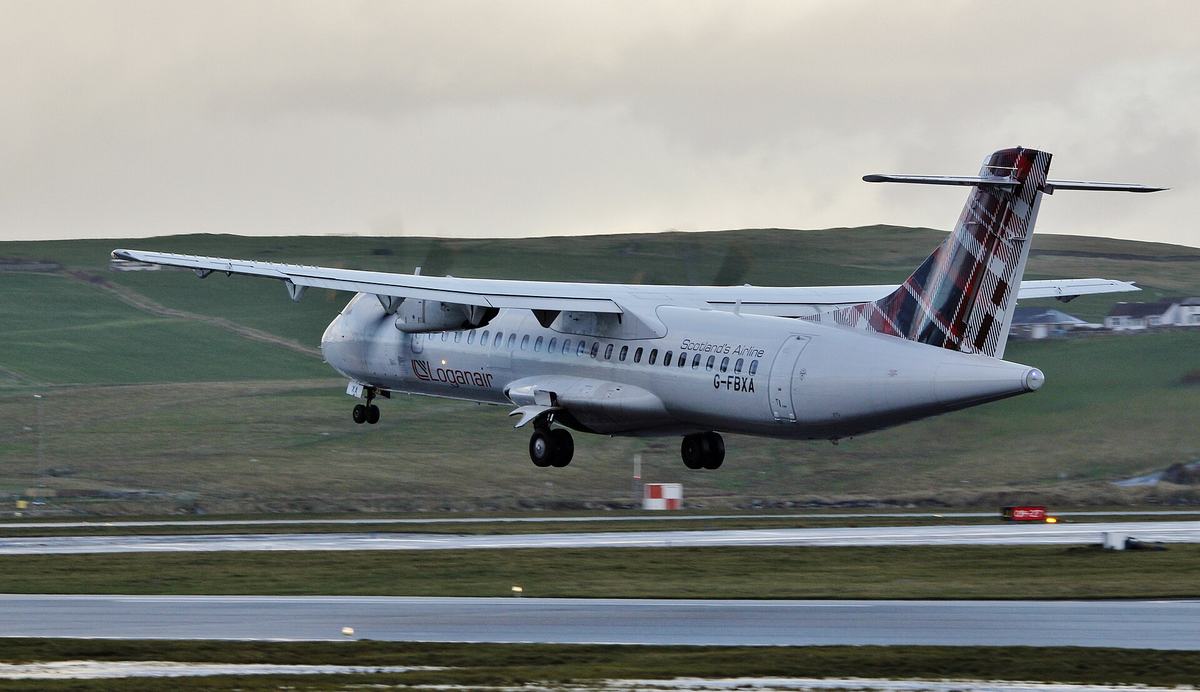
Ikaria sits in the north Aegean, a rugged island known for its wild coastline, thermal springs and famously long-lived villages. Reaching it by air means one small airport at the southeastern tip, served by short domestic hops from Athens. The runway is exposed, the aircraft are small propeller planes, and seats sell out fast in summer. Understanding how the airport works helps you plan a smooth arrival and avoid the last-minute scramble for a seat. This guide walks through the airport, the Athens route, booking realities, connecting from overseas and getting from the terminal to your village. Plan every leg of your Ikaria trip with My Greece Tours.
The island rewards travellers who arrive prepared. A flight saves hours over the sea crossing, yet the small aircraft and weather-sensitive runway add variables worth knowing before you book. Our Ikaria travel guide covers the wider picture, and this page focuses squarely on air travel to the island. The sections below cover where the airport sits, how the Athens route runs, what to expect from limited seats and wind delays, how overseas visitors connect, and how to choose between a flight and a ferry. Read on to match your arrival plan to the season, your budget and the part of the island you want to reach first.
Where is Ikaria’s airport located?
Ikaria Island National Airport, IATA code JIK, sits at the far southeastern tip of the island near Agios Kirykos. It is a small domestic terminal with a single exposed runway, handling short propeller flights rather than large jets.
The airport occupies a narrow strip of coast at Faros, close to the island’s southeastern corner. It is a compact facility built for short domestic aircraft, with one runway that runs along the shoreline. The nearest town is the port and capital, and travellers heading there find the drive quick and direct. Planning the route from the terminal to your base is part of working out how to get to Ikaria, since the airport sits well away from the villages on the greener northern side. The terminal itself is modest, with basic services rather than the shops and lounges of a major hub.
Arrivals move through quickly, and luggage collection is fast because the planes carry few passengers.
Distances on Ikaria feel longer than the map suggests, thanks to twisting mountain roads and a spine of hills that splits the island. The airport’s position at the southeastern tip means a transfer to the north coast takes real time behind the wheel. The port town of Agios Kirykos lies closest to the runway, making it the natural first stop for arriving flyers. Travellers aiming for Armenistis or the northern beaches face a longer road across the interior. Knowing the airport’s location up front helps you book a transfer that matches your destination and avoids a scramble for transport once you land at a small, quiet terminal with limited on-site options.
How do flights from Athens to Ikaria work?
Flights to Ikaria run from Athens on small propeller aircraft, with the trip lasting roughly forty-five minutes. The route is domestic and short, operating on a seasonal pattern that thickens through summer and thins in the quieter winter months.
The Athens link is the backbone of air access to Ikaria. Departures leave from the capital’s international airport and cross the Aegean in under an hour, touching down at the small runway near the southeastern coast. The aircraft are turboprops sized for short regional hops, so the cabin is compact and the passenger count low. Schedules follow the seasons: summer brings a fuller timetable to match holiday demand, while winter service is leaner. Planning a tight trip such as an Ikaria 2-day itinerary works best when your flight times line up with your first activities, since a mid-morning arrival leaves a full afternoon on the island rather than a wasted travel day.
The forty-five-minute flight time makes the plane far faster than the ferry, and that speed is the main reason travellers choose to fly. The short duration means no meal service and a brisk boarding process at the Athens end. Seasonality shapes both frequency and price, with peak summer weeks carrying the most departures and the tightest availability. Weather over the Aegean stays mostly clear in high season, though the exposed runway on the island can still force schedule changes. Booking a morning flight gives a buffer against later delays and puts you on the ground with daylight to spare, which matters on an island where the best beaches and springs sit a drive away from the terminal.
Why are seats limited and delays common on Ikaria flights?
The propeller aircraft carry few passengers, so seats are scarce and fares climb as departure nears. The exposed coastal runway and small planes are sensitive to strong Aegean winds, which trigger delays and occasional cancellations.
Seat capacity is the defining constraint of flying to Ikaria. The turboprops used on the route hold only a small cabin’s worth of travellers, so every departure has a hard ceiling on how many people it can carry. Demand in summer outstrips that ceiling, pushing fares up and thinning availability as the travel date approaches. Booking early is the single best move, especially for peak weeks when the island fills with visitors. Locking in a seat months ahead protects both your price and your plan.
Sorting flights before you settle on where to stay in Ikaria makes sense, because a confirmed arrival time lets you choose a base that suits your transfer and your first evening on the island.
Weather is the second constraint, and it can override the timetable. The runway sits open to the sea, and the small aircraft handle wind less comfortably than large jets. Strong Aegean gusts, common in certain seasons, can delay a departure or force a cancellation. Building slack into your itinerary guards against this: a same-day onward connection or a non-refundable booking that hinges on an exact arrival carries real risk. Travellers who allow a buffer day, or who keep the ferry as a backup, ride out disruptions with far less stress.
The combination of few seats and weather sensitivity means air travel to Ikaria rewards the prepared and punishes the last-minute, so plan your flight before the finer details of your trip.
How do overseas travellers connect to Ikaria?
No international flights land on Ikaria, so overseas visitors route through Athens. You fly into the capital’s international airport, then transfer to a domestic Athens-to-Ikaria hop, allowing enough time between arrivals for baggage and any terminal change.
Ikaria has no direct international service, which shapes every overseas itinerary. Visitors from abroad land first at Athens International Airport, the country’s main gateway, and then pick up the domestic leg to the island. The connection can be booked as a through ticket or as two separate reservations, and each approach has trade-offs. A single ticket protects you if the first flight runs late, while separate bookings sometimes cost less but shift the timing risk onto you. Leaving a generous gap between the two flights is wise, since the small Ikaria service departs on schedule and will not wait for a delayed inbound.
Working out this two-step route is a core part of how to get to Ikaria from anywhere outside the country.
Baggage handling adds another reason to pad the connection. Separate tickets usually mean collecting your bags in Athens and re-checking them for the domestic hop, which eats time. Through tickets can transfer luggage automatically, though the small island aircraft impose tight weight limits that catch travellers off guard. Packing light helps at both the check-in desk and the compact terminal on the island. A comfortable layover in Athens also gives room to absorb any first-leg delay without missing the onward flight.
Travellers who treat Athens as a planned waypoint rather than a rushed transfer arrive on Ikaria calmer and with their bags intact, ready to head straight to the port town of Agios Kirykos or across to the north coast.
Should you take a flight or a ferry to Ikaria?
A flight saves hours and suits tight schedules, while a ferry costs less and carries more passengers and vehicles. Weather can disrupt both, so choose the flight for speed and the ferry for flexibility, price and backup capacity.
The choice between air and sea comes down to time, money and how much slack your trip allows. The plane covers the crossing in around forty-five minutes, a fraction of the sea journey, and that speed frees up a whole travel day for the island itself. The ferry trades time for lower fares and far greater capacity, carrying cars, motorbikes and larger groups that the small aircraft cannot. Seat scarcity on the plane pushes many summer travellers toward the boat by default. Both options run to the southeastern side of the island, and once you land or dock, transfers by taxi or pre-booked car link you onward.
Reaching the port town of Agios Kirykos is straightforward from either arrival point.
Airport transfers work the same regardless of which you pick: taxis wait for arrivals, and pre-booked cars can meet you at the terminal or the quay. The transfer matters most for travellers heading to the greener north, since the drive across the island takes real time from the southeastern arrival points. A flight followed by a waiting transfer is the fastest door-to-door option, and it pairs well with a short break such as an Ikaria 2-day itinerary where every hour counts. Ferry travellers gain the freedom to bring a vehicle and skip the plane’s weight limits, at the cost of a longer crossing.
Matching the mode to your priorities, then locking the transfer to your final base, gives the smoothest arrival on Ikaria.
Frequently Asked Questions
Does Ikaria have an airport?
Ikaria has one airport, Ikaria Island National Airport, carrying the IATA code JIK. It sits at the far southeastern tip of the island near the port town of Agios Kirykos, on an exposed strip of coast at Faros. The terminal is small and built for short domestic flights rather than large international jets, so it handles turboprop aircraft on the route from Athens. There is no direct international service, meaning overseas travellers connect through the capital before reaching the island. Facilities at the terminal are modest, with basic services and quick baggage collection thanks to the low passenger counts on each plane.
Taxis and pre-booked transfers link the airport to villages across the island, though the drive to the northern coast takes real time from the southeastern position. The single runway lies open to the sea, which makes it sensitive to strong winds and occasional weather disruption.
How long is the flight from Athens to Ikaria?
The flight from Athens to Ikaria lasts roughly forty-five minutes, making it a short domestic hop across the north Aegean. Departures leave from the capital’s international airport on small propeller aircraft sized for regional routes, and they land at the island’s compact terminal near Agios Kirykos. The brief duration means no meal service and a quick boarding process, with the plane far faster than the ferry crossing. Schedules follow a seasonal pattern, with a fuller timetable through summer and leaner service in winter. The short flight time is the main reason travellers choose to fly rather than sail, since it frees up a full day on the island.
A morning departure is the smartest choice, because it builds a buffer against later weather delays and puts you on the ground with daylight to spare. The exposed runway means occasional schedule changes, so allow slack in any onward plans that depend on an exact arrival time.
Should I fly or take the ferry to Ikaria?
The right choice depends on your budget, your schedule and how much flexibility your trip needs. A flight covers the crossing in around forty-five minutes and suits travellers who want to save a whole day, though the small aircraft carry few passengers, so seats sell out and fares climb in summer. A ferry costs less and offers far greater capacity, carrying cars, motorbikes and larger groups that the plane cannot take. Weather can disrupt both the flight and the boat, since the exposed runway and the open Aegean are each sensitive to strong winds. Travellers on a tight timetable lean toward the plane and book early to secure a seat.
Those bringing a vehicle, watching costs, or wanting a backup for a cancelled flight favour the ferry. Keeping the boat in mind as a fallback is wise even for flyers, because it adds resilience when wind grounds the small aircraft at the last minute.