
Athens is the home of rebetiko, the soulful Greek blues, played live in atmospheric basement tavernas and rebetadika across Psiri, Exarcheia and beyond, one of the city’s most authentic experiences. Pair a memorable night out with skip-the-line sightseeing tickets and tours from My Greece Tours.
This soulful slice of nightlife is a cultural highlight of the Athens travel guide. The sections below cover what rebetiko is, where to hear it live, the venues and neighbourhoods, what to expect at a rebetadiko, the bouzouki and instruments, and tips for an authentic night.
What is rebetiko?
Rebetiko is a soulful, melancholic genre of Greek urban folk music, often called the Greek blues. It arose among the working classes and Asia Minor refugees. Its songs tell of love, loss, hardship and exile.
To understand the live music scene of Athens, you must understand rebetiko. This distinctive genre of Greek urban folk music is often described as the Greek blues, and it captures the very soul of the city. Rebetiko emerged in the early decades of the twentieth century in the poor, working-class districts and ports of Greece. It was powerfully shaped by the great wave of Greek refugees who poured in from Asia Minor and Smyrna after the catastrophe of the early nineteen-twenties. These newcomers brought with them the musical traditions of the East.
Like the blues, rebetiko is the music of the marginalised and the downtrodden. Its haunting, emotionally raw songs tell of love and heartbreak, poverty and hardship, exile and longing for lost homelands, the underworld of the hashish dens, prison and the daily struggles of the poor.
Driven by the ringing notes of the bouzouki, it is at once melancholic and defiant, mournful and life-affirming. Rebetiko was once disreputable and even banned. It is today treasured as a cornerstone of Greek musical and cultural heritage, recognised by UNESCO. Hearing it live in Athens is one of the most authentic experiences the city offers. The music lives on in the city’s tavernas. Knowing where to find it is the key.
Where can you hear rebetiko live in Athens?
Live rebetiko is played year-round in small tavernas and dedicated venues called rebetadika. Exarcheia hosts it most nights, along with Psiri, Monastiraki, Petralona, Pangrati and Kerameikos. Many venues are intimate basements above tavernas.
Rebetiko in Athens is a living, breathing tradition. It is played live throughout the year in small, atmospheric venues across the city. With a little knowledge you can easily find an authentic night out. The music is heard chiefly in two kinds of place. Traditional tavernas with live music are where people come primarily to eat and drink while a band plays. Dedicated rebetadika are venues devoted above all to the music and its emotional intensity. Both are concentrated in the central, older and more bohemian neighbourhoods of the city.
Exarcheia, the alternative, student-filled district, is one of the best places to find rebetiko, with venues playing most nights of the week. The lively quarter of Psiri next to Monastiraki is full of tavernas with small stages where a duo or trio plays Greek music, and often rebetiko.
Other rewarding areas include working-class Petralona, leafy Pangrati and the regenerating Kerameikos district. Genuine, well-loved venues there attract a mixed crowd of all ages. Many of the best spots are intimate basements or first-floor rooms above tavernas, full of character. Seeking out a real rebetadiko, rather than a touristy show, rewards you with the authentic experience. The atmosphere inside is memorable.
What is the atmosphere at a rebetadiko like?
A good rebetadiko is small, warm and often a little smoky. The musicians play at the front, and the audience sits close around, eating mezedes and joining in the verses. The mood ranges from deep melancholy to joyful release.
The heart of rebetiko lies not just in the music but in the atmosphere of the venues where it is played. The experience is quite unlike a formal concert. A good rebetadiko is typically a small, intimate and warmly lit room, often a basement or an upstairs space. The musicians play seated or standing at the front, close to the audience who gather around tables nearby. As the band plays, people eat plates of mezedes, the small Greek sharing dishes, and drink wine, ouzo or tsipouro late into the night. The audience is far from passive. Locals who know and love the songs frequently join in, singing the familiar, heartfelt verses together, so that the whole room becomes part of the performance.
The emotional range of an evening is striking. It swings from the deep, aching melancholy of the saddest songs to moments of joyful, cathartic release. Sometimes a patron will rise to perform the slow, intense solo dances associated with the music. This intimate, communal and participatory atmosphere, with Greeks of all ages sharing in their cherished music, is one of the most genuinely Greek cultural experiences available in Athens. It stays with you long after. The instruments give the music its distinctive sound.
What are the bouzouki and the instruments?
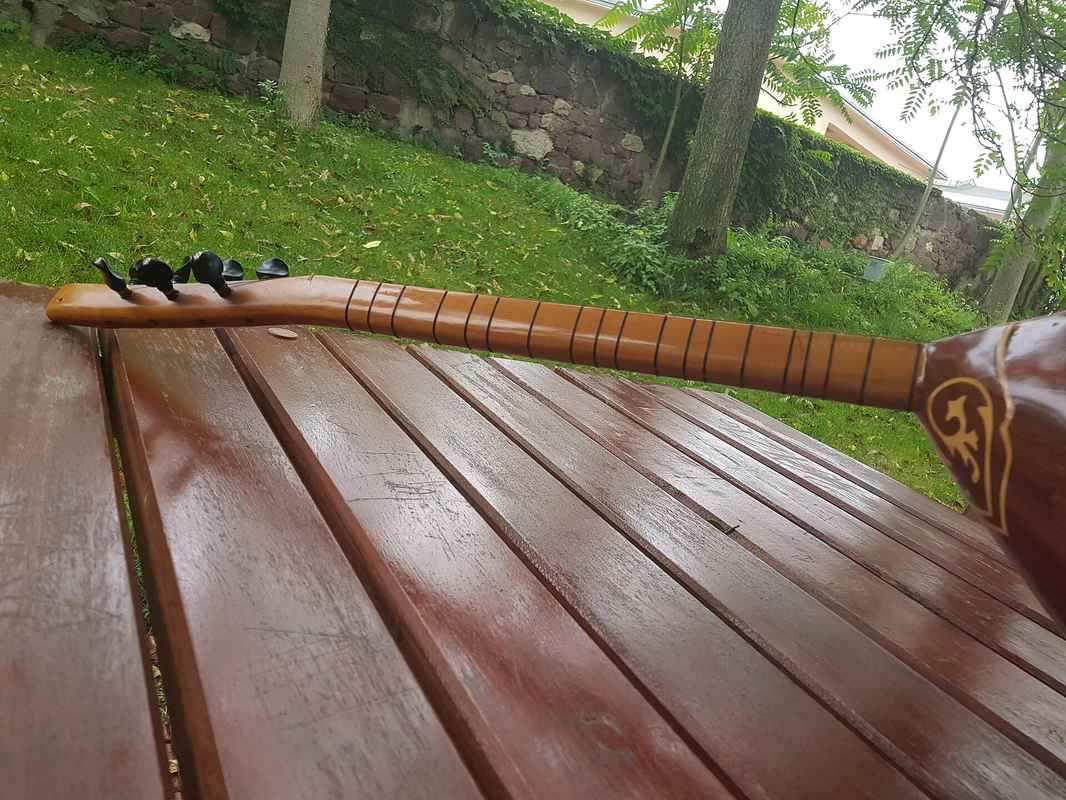
The signature instrument of rebetiko is the bouzouki, a long-necked, plucked string instrument with a bright, ringing, metallic sound that leads the melodies. The smaller baglama, the rhythm guitar and soulful vocals join it.
The distinctive and instantly recognisable sound of rebetiko comes above all from its instruments. Chief among them is the bouzouki, which is to rebetiko what the guitar is to the blues. The bouzouki is a long-necked, plucked string instrument with a rounded body and a bright, ringing, metallic and penetrating tone. Its rapid, ornamented melodies and shimmering tremolo lead the music and define its character. Accompanying it is the baglama, a tiny, high-pitched miniature relative of the bouzouki. The baglama had the practical advantage of being small enough to hide quickly, a useful trait in the days when the music and its subculture were persecuted by the authorities.
The guitar typically provides the rhythmic and harmonic backbone. Depending on the band and the style, other instruments such as the accordion, the violin and the santouri dulcimer join in, especially in the more Eastern, Smyrna-influenced style. Over this instrumental foundation float the soulful, expressive and often raspy vocals that carry the emotional weight of the lyrics. Together these elements create the unmistakable, deeply moving sound of rebetiko, the authentic voice of old urban Greece. Hearing them live is the whole point. A few tips ensure an authentic night.
What tips help for an authentic rebetiko night?
Seek out genuine local rebetadika in areas like Exarcheia, Psiri, Petralona and Pangrati rather than touristy shows. Go late, order mezedes and drinks, and settle in. Winter is the classic season. Be respectful and join in.
These tips will steer you toward rebetiko at its most authentic and rewarding. Above all, seek out genuine, local venues, the real rebetadika and music tavernas frequented by Greeks. Look in characterful neighbourhoods such as Exarcheia, Psiri, Petralona, Pangrati and Kerameikos, rather than polished tourist shows. A personal recommendation from a local or a knowledgeable guide is the surest way to find the best ones, since the finest spots are often unmarked and word-of-mouth.
Timing matters too. The music typically does not begin until late, often around ten or eleven o’clock at night, and then runs on into the small hours. Go late and be prepared for a long evening. Settle in by ordering a spread of mezedes to share and drinks such as wine, ouzo or tsipouro. Booking ahead is wise at the smaller, popular rooms, which fill up quickly on weekend nights.
Winter is traditionally the classic season for rebetiko. The melancholy music sounds all the more poignant in a warm, slightly crowded basement on a cold night, though it can be found year-round. Be respectful of the music and the regulars, and feel free to join in the singing or dancing if the spirit moves you. Above all, embrace the emotional, communal and unhurried Greek rhythm of the night. With these habits, you will share in one of the great living traditions of Athens. The wider scene is detailed in the Athens nightlife guide. The questions below cover the points visitors ask most.
Who were the rebetes and the great rebetiko musicians?
The rebetes were the singers, players and characters of the early rebetiko underworld. The genre’s giants include Markos Vamvakaris, patriarch of the bouzouki, Vassilis Tsitsanis, and singers such as Sotiria Bellou and Marika Ninou.
The word rebetes described the men and women at the heart of the early rebetiko world. They were the singers, instrumentalists and colourful characters who lived on the edges of respectable society in the ports and poor quarters. They carried their own code of honour, style of dress and manner of speech. Their songs gave a proud, defiant voice to people the rest of society preferred to ignore.
One name stands above the rest. Markos Vamvakaris, a migrant worker from the island of Syros, is remembered as the patriarch of the bouzouki and the father of classic rebetiko. His gravel-voiced songs shaped the genre in its formative decades. Vassilis Tsitsanis then carried rebetiko toward a broader audience with more polished compositions that remain beloved standards today.
Powerful voices gave the songs their emotional force. Sotiria Bellou and Marika Ninou rank among the most revered female singers of the tradition, while players like Stratos Payioumtzis and Anestis Delias filled out the legendary early groups. Learning a few of these names before your night out deepens the experience, because the regulars around you will know every one.
These musicians worked under real pressure for much of their careers. The authorities distrusted rebetiko for its ties to the hashish dens and the urban underworld, and the state censored many songs and confiscated instruments. The Metaxas dictatorship of the late nineteen-thirties clamped down hardest, driving the music underground. Rebetiko survived in secret, and it slowly won acceptance in the decades that followed. Today the same songs that were once banned fill respected concert halls and the tavernas where you will hear them.
Frequently Asked Questions
What is rebetiko music?
Rebetiko is a soulful, melancholic genre of Greek urban folk music, often called the Greek blues. It emerged in the early twentieth century among the working classes and the refugees from Asia Minor who came to Athens in the early nineteen-twenties. Played on the bouzouki, its songs tell of love, loss, hardship and exile. Raw and emotional, it is now treasured as a cornerstone of Greek musical heritage.
Where can you hear live rebetiko in Athens?
Live rebetiko is played year-round in small, atmospheric tavernas and dedicated rebetadika, concentrated in central and bohemian neighbourhoods. Exarcheia is one of the best areas, found most nights, along with Psiri, Monastiraki, Petralona, Pangrati and Kerameikos. Many venues are intimate basements or rooms above tavernas where a band plays as diners eat, drink and join in the singing.
What is a rebetadiko?
A rebetadiko is a venue dedicated to live rebetiko music, typically a small, intimate, warmly lit taverna, basement or upstairs room where the band plays close to the audience. Patrons eat mezedes, drink wine, ouzo or tsipouro late into the night, and often join in singing the cherished songs. The emotional, communal atmosphere makes it one of the most authentic Greek cultural experiences in Athens.
What should you wear and expect to spend on a rebetiko night?
Dress is relaxed and casual at most rebetadika, so smart-casual clothing fits in perfectly. There is no strict dress code at the traditional, unpretentious venues. Costs stay moderate compared with the glitzy bouzoukia nightclubs. You typically pay for the mezedes and drinks you order rather than a high cover charge, so an evening of sharing plates and a bottle of wine or ouzo remains reasonably priced.