
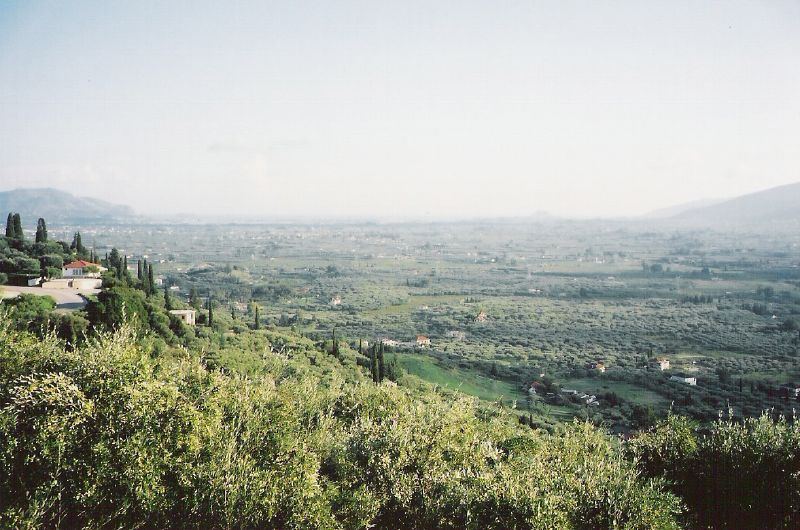
Agalas is a traditional village situated in the hills of the south of the Ionian island of Zakynthos, set among vineyards and olive groves. It is known for its old stone houses, its rural character, and the natural features nearby. Visitors can see the Damianos caves, a series of caverns in the rock, and old Venetian wells and cisterns cut to gather water, among them the well-known Andronios wells. The village lies in the quiet, green southern hills, away from the busy resorts. You can enjoy tavernas serving local wine and food. Plan your trip with My Greece Tours.
Below the village the coast holds wild, less-visited beaches perfect for nature lovers seeking peace. Agalas offers a true glimpse of traditional rural life amidst surrounding vineyards and olive groves. Visitors can explore old stone architecture, the Damianos caves, and historic waterworks in the southern hills of Zakynthos. The sections below cover these main attractions in great detail. You can also use our Zakynthos travel guide for further island exploration tips, local food options, and comprehensive travel planning advice for your summer holidays in Greece.
Where is Agalas located in Zakynthos?
Agalas is situated in the hills of the south of the Ionian island of Zakynthos, set among vineyards and olive groves. The village lies in the quiet, green southern hills, away from the busy coastal resorts.
Agalas is situated in the hills of the south of the Ionian island of Zakynthos, set among vineyards and olive groves. This traditional settlement offers a peaceful and relaxing retreat compared to the busier parts of the island. The village lies in the quiet, green southern hills, away from the resorts, providing a serene atmosphere for visitors. The surrounding landscape is characterized by agricultural beauty, emphasizing the rural character of the region. Travelers seeking a quiet and authentic experience often appreciate this location. While visiting this area, one might also explore Agios Leon, another village in the region that shares similar characteristics. The isolation helps preserve the local culture and charm.
It creates a unique environment for relaxation. The green hills dominate the landscape, offering visitors scenic beauty.
Agalas is known for its rural character, set among vineyards and olive groves that define the local economy. These agricultural lands provide a beautiful backdrop for the village. The area produces high quality Zakynthos wine, which visitors can enjoy in the local tavernas. The traditional way of life is still visible here. Farmers work the land using methods passed down through generations. The stone houses fit perfectly into this agricultural landscape. The green hills are lush with vegetation during the growing season. This connection to the land is central to the village identity. The rural character attracts those looking for an authentic taste of island life. The vineyards are particularly striking in the late summer.
Olive groves provide shade and oil for the local families. It is a true agricultural community.
Agalas sits roughly eighteen kilometres from the island capital and about nine kilometres from the village of Keri to the west. The road climbs from the coastal plain into the southern uplands, winding past terraced groves and open pasture. The village spreads across a hillside with wide views toward the sea and the Keri wetlands below. Its remoteness has spared it the resort development that lines the southern beaches, leaving a working farming settlement in its place. Springs and old wells scattered through the area point to the reason people first settled these hills. The drive up rewards the visitor with a cooler, greener landscape than the hot coast.
Agalas serves well as a base for walkers exploring the gorge and the caves that lie just beyond the last houses.
What are the main features of Agalas village architecture?
The village is known for its old stone houses, which reflect the architectural heritage of the region. These structures showcase the rural character of the area and provide a glimpse of traditional rural life.
The village is known for its old stone houses, which reflect the architectural heritage of the region. These structures showcase the rural character of the area. Visitors can admire the craftsmanship of the past. The buildings are built from local stone, blending seamlessly with the environment. The preservation of these houses gives Agalas a distinct charm. Wandering through the streets reveals a different side of the island. Nearby, the village of Keri also features traditional building styles. The architecture tells the story of the agricultural history of the area. Narrow streets and stone paths connect the houses. The simplicity of the design is appealing. It highlights the functionality required by rural living.
The aesthetic is one of rustic elegance. This architectural style is typical of the southern hills. It creates a picturesque setting for photography.
Agalas offers a glimpse of traditional rural life amidst old stone architecture. The historic waterworks found in the southern hills demonstrate the ingenuity of past inhabitants. These features include cisterns and wells carved into the rock. The integration of these systems into the village layout is fascinating. Water management was crucial for survival in this dry climate. The wells are a testament to the engineering skills of the Venetian era. While exploring the southern coast, visitors might also discover Korakonisi, a site of natural beauty. The preservation of these historic sites is important for cultural heritage. The waterworks add a layer of historical depth to the visit. They show how the community thrived in the hills.
The combination of architecture and utility is unique here.
The stone houses of Agalas cluster along narrow lanes that follow the contour of the hillside. Builders raised them from pale local limestone, with thick walls that hold the cool through the summer heat. Arched doorways, external stone stairs and small shuttered windows mark the traditional island style of the southern hills. Restored, lived-in houses stand beside others left weathered and half-ruined among the greenery. Vine-shaded courtyards and stone troughs recall the self-sufficient farming life the village once led. The small church and its bell tower anchor the settlement, as in every Ionian village. A slow walk through the lanes rewards the visitor with quiet corners, old doorways and framed views out over the surrounding hills.
What are the Damianos Caves in Zakynthos?
The Damianos caves are a series of caverns in the rock situated near the village. These natural formations are part of the landscape features that define the rural character of the southern Zakynthos area.
The Damianos caves are a series of caverns in the rock that intrigue visitors with their geological formations. These natural features are a highlight for those exploring the area. The caves are accessible and offer a cool respite from the sun. The rock formations inside create an otherworldly atmosphere. Nature enthusiasts will appreciate the wild beauty of this site. The rugged terrain contrasts with the greenery of the olive groves. It is a reminder of the island’s volcanic past. The location provides excellent views of the surrounding countryside. A trip to the caves can be combined with a visit to Kampi for more scenic vistas. The cliffs around the area are dramatic.
The caves are a testament to the forces of nature. They are a must-see for geology lovers.
Exploring the caverns in the rock reveals the wilder side of Zakynthos. The Damianos caves are a significant attraction for tourists interested in nature. The area around the caves is unspoiled and quiet. This allows for a peaceful experience away from the crowds. The geological history is visible in the layers of stone. The flora around the cave entrance is also interesting. Local guides can explain the history of these formations. The path to the caves is an adventure in itself. It winds through the typical vegetation of the southern hills. The contrast between the dark caves and bright sky is striking. These features complement the other Zakynthos beaches found along the beautiful coast.
The natural beauty is preserved here. The caves are a hidden gem.
Damianos cave opens off the gorge that runs south from the village, about twenty minutes’ walk along the ravine. The chamber sits on two levels, one entrance above the other, screened by the rock of the gorge wall. The lower opening stands roughly two metres high and three metres wide, giving onto a chamber that reaches back into the hill. Stalactites and stalagmites hang and rise inside, formed over long ages by the slow drip of mineral water. Cool air spills from the mouth of the cave, a welcome relief after the hot climb through the ravine. Sturdy shoes help on the rough, stony path that follows the streambed to the entrance.
Guided sunset tours run to the cave for those who prefer not to walk it alone.
What are the Andronios wells in Zakynthos?
The Andronios wells are old Venetian wells and cisterns cut to gather water. They are among the historic waterworks found in the village and are well-known features of the area.
The Andronios wells are old Venetian wells and cisterns cut to gather water. These structures highlight the resourcefulness of the past inhabitants. They were essential for storing water in the dry season. The wells are carved directly into the solid rock. This demonstrates advanced engineering skills for the time. Visitors can see the precise cuts made by hand. The cisterns are large and deep, showing the need for water storage. They are located conveniently within the village. The Venetian influence is clear in their construction. These wells are among the most important historical sites. They provide a tangible link to the history of Zakynthos. The preservation of these wells is a priority for the community.
They stand as a monument to daily life in the past. Water was the most valuable resource here.
These historic waterworks were vital for the survival of the village community. The network of cisterns ensured a supply of water throughout the year. The system was designed efficiently to capture rainfall. Every drop of water was precious in this climate. The wells are often surrounded by lush vegetation. This creates a cool and inviting microclimate. Walking around these sites gives a sense of history. You can imagine the daily routine of drawing water. The engineering marvels are still functional in some cases. They are a key part of the cultural heritage. The villagers take pride in these ancient structures. Exploring the wells offers a unique historical perspective. It is a fascinating look at historical infrastructure.
The ingenuity of the design is impressive to this day.
Local legend ties the wells of Agalas to the tale of Damianos and the dragon Andronios. The story tells how Damianos, the protector of the village, forced the defeated dragon to dig twelve wells, one for each month of the year, to serve the people. The twelve Andronios wells stand on the slope opposite the cave that bears the hero’s name. Each well drops into the rock to reach the water that sustained the village through the dry summer. The wells read as a set, cut with care and spaced along the hillside in a deliberate line. The tale binds the practical need for water to the myth and identity of the village.
Visitors who walk between the cave and the wells trace the whole legend across the landscape.
What food can you find in Agalas Zakynthos?
The village has tavernas serving local wine and food. These dining spots allow visitors to enjoy the rural character and traditional life of the southern hills of Zakynthos.
The village features tavernas serving local wine and food. These establishments provide a culinary experience that reflects the rural character of the area. Guests can taste authentic dishes made from locally sourced ingredients. The wine is produced in the surrounding vineyards. It offers a distinct flavor profile characteristic of the region. The atmosphere in the tavernas is warm and welcoming. It is a great place to rest after exploring the hills. The food is simple but delicious, highlighting fresh produce. Traditional recipes are passed down through generations of cooks. Dining here is a social event enjoyed by locals and visitors. The rural setting enhances the flavor of the meal. It is a genuine taste of Zakynthian culture.
Agalas is known for its rural character and the hospitality of its tavernas. The local wine is a highlight for many tourists. It pairs perfectly with the traditional food served in the village. The menu often features dishes made with olive oil from the groves. The chefs take pride in using fresh, seasonal ingredients. The dining experience is relaxed and unhurried. Visitors can enjoy their meals while looking at the green hills. The tavernas are a central part of village social life. They offer a glimpse into the daily rhythm of the locals. The combination of good food and scenery is unbeatable. It is a memorable part of visiting the southern hills of Zakynthos.
The tavernas of Agalas lean on the produce of the surrounding land for their simple, honest cooking. Olive oil pressed from the village groves dresses the salads and vegetable dishes on the table. Robust local wine, drawn from the hillside vineyards, accompanies the meal in the traditional way. Grilled meats, wild greens and fresh cheese make up the plain fare of the southern hills. Meals stretch out under vine-shaded terraces with views over the green slopes toward the sea. A pause for lunch here suits walkers returning from the gorge and the caves. The unhurried welcome of the village kitchens rounds off a day spent exploring the southern uplands and their old stone secrets.
Frequently Asked Questions
Is Agalas a good destination for nature lovers?
Agalas is a fine destination for nature lovers due to its quiet location in the green southern hills. The village is set among vineyards and olive groves, offering a peaceful environment. Below the village, the coast holds wild, less-visited beaches that are perfect for exploration. The area is known for the Damianos caves, a series of caverns in the rock that attract geology enthusiasts. Visitors can also see old Venetian wells and cisterns cut to gather water. These historic waterworks add to the natural charm of the area. The rural character of the village allows for a genuine connection with nature. Unlike the busy resorts, Agalas offers a serene atmosphere.
The landscape is dominated by lush vegetation and rocky features. It is an ideal spot for hiking and photography. The isolation of the village helps preserve its natural beauty. Wildlife is abundant in the surrounding hills and countryside. The fresh air and scenic views are refreshing. It provides a retreat from the more commercial parts of the island.
How do I get to the Damianos caves in Agalas?
The Damianos caves are located near the village of Agalas in the southern hills of Zakynthos. To reach them, you must travel to the village first. The village lies in the quiet hills, away from the main resorts. Once in Agalas, you can follow local signs or directions to the caves. The caves are a series of caverns in the rock. They are a significant natural feature in the area. The path to the caves may involve some walking on uneven terrain. It is advisable to wear sturdy footwear for the visit. The area around the caves is unspoiled and offers great views. Visitors can explore the caverns and see the geological formations.
The journey to the caves is part of the experience. The route passes through the characteristic landscape of the island. You will see vineyards and olive groves along the way. The drive itself is scenic and enjoyable. Parking is usually available near the site. Always be careful when exploring rocky areas. The caves are a testament to the natural forces at work.
What is the historical significance of the Andronios wells?
The Andronios wells are old Venetian wells and cisterns cut to gather water. They hold great historical significance as they represent the engineering skills of the past. These structures were vital for the survival of the village community. The wells are carved directly into the solid rock. This demonstrates advanced techniques used during the Venetian era. They were essential for storing water in the dry season. The system was designed efficiently to capture rainfall. Every drop of water was precious in this climate. The wells are a key part of the cultural heritage of Agalas. They provide a tangible link to the history of Zakynthos. The preservation of these wells is a priority for the residents.
The Venetian influence is clearly visible in their construction. Walking around these sites gives a sense of history. You can imagine the daily routine of drawing water. The cisterns are large and deep, showing the need for water storage. They stand as a monument to daily life in the past. The ingenuity of the design is impressive to this day.
When is the best time to visit Agalas and the caves?
The best time to visit Agalas and the Damianos cave falls in spring and autumn, when the southern hills are green and the heat is bearable for the walk. Spring, from April into June, clothes the slopes in wildflowers and fills the stream in the gorge, though the path can run muddy after rain. Autumn, from September into October, brings the grape and olive harvests and mild, settled weather for the climb to the cave. The midsummer months turn hot and dry, so a walk to the cave rewards an early start before the sun grows fierce on the exposed rock.
The cool air of the cave itself offers relief on the hottest days for those who make the effort. Late afternoon suits the guided sunset tours, which pair the cave with wide views over the southern country as the light softens. Sturdy shoes and water matter in every season, since the gorge path is rough and stony underfoot. A weekday visit keeps the village and the trail quiet, away from the busier weekend excursions.