

What do self-guided Epidaurus tours of Ancient Epidaurus include?
Epidaurus tours lead visitors through Ancient Epidaurus, its theatre and its healing sanctuary in one self-guided day. Unveil the mysteries of the Epidaurus archaeological site and marvel at the Epidaurus theatre known for its acoustics. Explore at your own pace with our self-guided tours, visiting Epidaurus’ healing sanctuary and learning about its rich history. Get tips on the best time to visit, Epidaurus opening hours, and how to get Epidaurus tickets. Experience why Epidaurus Greece is a must-visit destination- all facilitated by My Greece Tours.
Self-guided Epidaurus tours combine history, culture and architecture in one day at the ancient site. Explore Epidaurus on a self-guided day tour—a blend of history, culture, and architecture. Visit the renowned Epidaurus archaeological site and marvel at the ancient theatre’s acoustics, a masterpiece of the 4th century BC. Rich in history, this site served as a revered healing sanctuary dedicated to Asclepius. With My Greece Tours, plan your journey wisely to enjoy optimal seasonal visits, secure tickets, and embrace local customs that enhance your experience. An Epidaurus day trip promises an epic adventure, making the treasures of Ancient Greece come alive.
What are the highlights of Epidaurus tours?
- Marvel at the Epidaurus theatre’s exceptional acoustics during a self-guided tour, immersing yourself deeply in ancient Greek culture.
- Visit the Epidaurus archaeological site and healing sanctuary, famous for combining history, architecture, and ancient medicinal practices.
- Opt for a self-guided exploration of Epidaurus, enjoying the flexibility to explore at your own pace and delve into its rich history.
- Plan your visit during spring or early autumn for optimal weather conditions and extended site opening hours.
- Secure tickets online, check seasonal opening hours, and explore local culture to enhance your Epidaurus day trip experience.
What does a day of Epidaurus tours cover?
A day of Epidaurus tours covers the archaeological site, the theatre with its acoustics and the museum, at each visitor’s own pace. Our Epidaurus Day Tour lets you soak in the allure of the renowned Epidaurus archaeological site, a beacon of historical and cultural significance. This full-day tour invites you to embark on a journey that effortlessly combines history, art, and the majesty of Ancient Greece. You’ll be captivated by the Epidaurus theatre, famed for its extraordinary acoustics and architectural brilliance. The tour highlights the best of Epidaurus, allowing ample time to marvel at exhibitions and immerse yourself in stories of the past. Whether you’re drawn to the ancient stones or the serene landscapes, this tour offers a unique opportunity to explore at your own pace without the confines of a strict schedule. Make this day in Epidaurus a treasure trove of memories.
What do self-guided Epidaurus tours offer?
Self-guided Epidaurus tours offer free pacing, the theatre’s acoustics and the quiet of the healing sanctuary. This is your chance to explore the rich history and beauty of one of Greece’s most celebrated archaeological sites. As you wander through Epidaurus, you’ll find yourself amid architectural splendors and storied landscapes, reigniting the magic of antiquity. Marvel at the awe-inspiring ancient theatre, renowned for its unparalleled acoustics, and experience the peaceful ambiance of the legendary healing sanctuary. A self-guided exploration allows you to set your pace, delve into the site’s profound history, and embrace spontaneous detours.
Tour formats, start points in Athens and Nafplio and the add-ons to Mycenae for Epidaurus tours are set out on the Epidaurus tour page.
Uncover secrets lost in time and immerse yourself deeply in ancient Greek culture. This journey is an opportunity for personal discovery, where each step unveils new vistas and narratives, inviting you to feel the pulse of history under your feet.To make the most of your exploration, consider these highlights and tips:
- Marvel at the acoustics of the ancient theater, a masterpiece of Greek architecture.
- Wander through the serene sanctuary of Asclepius, the god of medicine.
- Explore the fascinating archaeological museum with its extensive collection of epigraphs.
- Discover the tranquil beauty of the Tholos, known for its mysterious, labyrinthine design.
- Walk the sacral healing pathways while soaking in the tranquility of the site.
- Capture the sunset over the dramatic landscape from the theater’s top row.
- Visit the stadium where ancient athletic games were celebrated with vigor.
- Stroll among the ruins, where history whispers its tales to the attentive traveler.
These highlights ensure a journey into the heart of Epidaurus’s timeless allure.
Which parts of the archaeological site do Epidaurus tours cover?
Epidaurus tours cover the theatre, the Sanctuary of Asklepios, the Tholos, the stadium and the museum at the archaeological site. Epidaurus tours start at the theatre and then walk to the sanctuary.
This self-guided tour invites travelers to explore the wonders of ancient Epidaurus, a site renowned for its remarkable blend of history and architecture. As you wander through the site, you’ll discover that Epidaurus holds a unique significance in the annals of antiquity. The heart of your experience will be the tours showcasing ancient marvels. The theatre, known for its exceptional acoustics, is just the beginning.
You’ll be captivated by the seamless blending of natural beauty and history. As a central hub of healing and culture, Epidaurus continues to enchant its visitors.

Each corner of this archaeological site reveals a new facet of its past. Experience the essence of ancient Greece and immerse yourself in one of the most impressive sites of its era.
Why do Epidaurus tours centre on the ancient theatre?
Epidaurus tours centre on the ancient theatre because it seats up to 14,000 spectators and carries a whisper to the top row. Epidaurus tours test these acoustics from the stage.
This architectural marvel, nestled in the lush landscape of Epidaurus, Greece, astonishes visitors with its exceptional acoustic qualities, allowing even a whisper to be heard across its grand open-air structure. Designed in the 4th century BC and seating up to 14,000 spectators, the theatre hosted performances that ascended into the annals of cultural folklore. As you explore this magnificent site, you’ll appreciate the blend of natural beauty and ancient ingenuity. Each tier of the theatre offers views of the surrounding mountains, creating a truly immersive cultural experience. A visit here is not just about seeing; it’s about feeling the ancient rhythms of a civilization that cherished art and performance. Dive deeply into the remarkable past of the site and let it inspire your journey.
Why do Epidaurus tours stress the site’s significance?
Epidaurus tours stress the site’s significance as the healing sanctuary of Asklepios and the home of a 4th-century BC theatre. Epidaurus tours link both to drama and medicine today.
The centerpiece of the site is its ancient theatre, famed for its perfect acoustics and its remarkable architecture that still captivates visitors today. Dating back to the 4th century BC, the theatre is an outstanding example of Greek artistry and engineering. Beyond its cultural allure, Epidaurus served as a vital healing sanctuary, offering spiritual and medical solace during a time where health and well-being were deeply revered.
Significance extends beyond historical milestones to its enduring influence on such fields as drama and holistic healing. Experience a self-guided tour to delve into Epidaurus’ intriguing past, and unlock the layers of history that make Epidaurus a must-visit in Greece.
What role in Ancient Greece do Epidaurus tours explain?
Epidaurus tours explain the city’s role as the healing centre of Asklepios and as a stage for Greek drama. Pilgrims came to the site for both cures and performances.
Known for its healing sanctuary dedicated to Asclepius, the god of medicine, Epidaurus was more than just a city; it was a beacon of ancient medicinal practices. Its famed theatre stands as a testament to the Greek appreciation for the arts, remarkable not only for its impressive dimensions but also its unparalleled acoustics.
Understanding Epidaurus’ role in Ancient Greece requires recognizing the depth of its cultural significance. Both locals and pilgrims considered it a sacred site, offering relief and entertainment. The theatre, a jewel of architecture, also reflects the dynamic role of performance arts in Greek tradition. Visiting Epidaurus allows one to step into a past where mythology, health, and entertainment converged seamlessly in the heart of Greece.

| Aspect | Description | Impact | Legacy |
| Historical Significance | Epidaurus was a small city in ancient Greece renowned for its legendary healing center dedicated to Asclepius, the god of medicine. | A major hub for pilgrims seeking healing through therapies, influencing ancient medical practices. | Epidaurus is cited as a foundational site in the development of medical science, with its practices echoed in modern holistic approaches to health. |
| Cultural Heritage | The city housed a grand theater, famous for its exceptional acoustics and impressive architectural design. | Extensively used for dramatic performances, playing a crucial role in the cultural and artistic life of ancient Greece. | The theater stands as a symbol of ancient Greek architectural prowess and continues to stage classical plays today, enhancing cultural continuity. |
| Architectural Marvel | Epidaurus is characterized by its well-preserved ancient structures and ruins, including temples, baths, and the world-famous theater. | Serves as a testament to Greek innovation in architecture and city planning, influencing subsequent generations. | Recognized as a UNESCO World Heritage site, attracting scholars and tourists interested in ancient architecture and history. |
| Religious Center | Epidaurus was a spiritual sanctuary as well as a healing center, dedicated to worship and rituals associated with Asclepius. | The city played a central role in the intertwining of religion and medicine in ancient Greek society. | Continues to be a subject of study for its integration of spiritual and physical well-being, influencing holistic practices. |
This table underscores Epidaurus’ integral role in ancient Greek civilization and its lasting influence on modern culture.
How do Epidaurus tours run as day trips from Athens?
Epidaurus tours run as day trips from Athens by car, coach or public transport, across the Corinth Canal into the Peloponnese. Epidaurus tours from Athens pair the drive with the theatre and the sanctuary.
Nestled on the scenic Peloponnese peninsula, Epidaurus is a treasure trove of history and culture. The route from Athens presents landscapes that seamlessly blend with the past’s allure. Understanding how to navigate this path is pivotal for a rewarding experience. Planning your Athens Epidaurus adventure begins by selecting convenient transportation options. While driving gives you flexibility, public transport is cost-efficient. Whatever you choose, arriving at Epidaurus offers an enchanting glimpse into its archaeological wonders.
From the legendary healing sanctuary to the exquisite theatre renowned for its acoustics, each stop reveals a unique facet of history. So, chart your journey wisely to make the most of your Epidaurus day trips from Athens, ensuring every moment tells its own story.
Which tips keep Epidaurus tours smooth?
Epidaurus tours run smoothly with a map or GPS, an early start, comfortable shoes, water and tickets bought in advance.
First, ensure you have a reliable map or GPS to easily navigate your way, making sure you understand how to reach the site from Athens. It’s advised to start early to maximize your time exploring the ancient wonders. Remember to wear comfy shoes, as there’s much walking to do among the archaeological marvels.
Bringing water and light snacks will keep your energy levels high as you delve into the rich history. Check the opening hours beforehand to avoid any surprises, and purchasing tickets in advance can save precious time upon arrival. Finally, immerse yourself in the local culture by engaging with the community, enhancing your overall travel experience here.
Which season suits Epidaurus tours?
Spring and early autumn suit Epidaurus tours, with mild weather and long opening hours. Summer Epidaurus tours meet heat and crowds, and winter brings rain.
The ideal seasonal moments to immerse yourself in the splendor of the site are during spring and early autumn. During these months, you can optimize your experience as the weather is pleasantly mild, for exploring the impressive archaeological wonders. Trying to visit in summer can be hot and crowded, while winter brings rain.
By aligning your trip with these optimal seasonal windows, you’ll be able to enjoy the legendary theatre acoustics and rich history unimpeded. Furthermore, the Epidaurus archaeological site offers extended opening hours during peak seasons, enhancing your journey to discover the timeless marvels and mysteries. Plan Epidaurus tours for spring or early autumn.
How do the seasons change Epidaurus tours?
The seasons change Epidaurus tours through heat, crowds and opening hours. Summer brings long hours and high temperatures, while spring and autumn bring wildflowers and fewer visitors.
Summer months offer long open hours at the archaeological site, but be prepared for higher temperatures. Consider visiting in the spring or fall when the weather is more temperate and the landscape is lush with wildflowers. This is a time for a self-guided tour, offering fewer crowds and a more personal encounter with the magic of Ancient Epidaurus.
Winter, while quiet, limits access to some areas. Always check opening hours ahead of time. Embrace these seasonal nuances to elevate your trip, ensuring you witness the Epidaurus theatre and its world-renowned acoustics without distraction. Remember, these considerations will significantly enhance your day, making your journey not just a visit but an epic odyssey.
How do visitors get more from Epidaurus tours?
Visitors get more from Epidaurus tours by choosing spring or autumn, starting at the theatre and leaving time for the sanctuary and the museum.
As you explore the Epidaurus Archaeological Site and its notable theatre, you’ll be captivated by the remarkable acoustics and the profound significance each stone holds. Don’t forget to plan your day trip during the spring when nature enhances your adventure with lush greenery, or in autumn when the atmosphere is cool and serene. By doing so, you’ll ensure that your Epidaurus day trip offers a fully immersive and unforgettable experience.
Which itinerary do Epidaurus tours follow?
Epidaurus tours follow a simple itinerary: the ancient theatre first, then the Sanctuary of Asklepios, then the museum. Self-guided Epidaurus tours set their own pace along this route.
Our suggested itineraries provide a seamless journey through time, highlighting attractions like the magnificent Epidaurus theatre and the renowned healing sanctuary. As you wander the ancient paths, you’ll absorb the rich history that echoes through this archaeological marvel. Begin your tour at the ancient theatre, famed for its acoustics, before strolling to the nearby sanctuary dedicated to Asclepius, the god of medicine. With Epidaurus tours, you’re not just visiting; you’re diving into the transformative power of ancient Greek culture.
Each corner of the site tells a story, making it a significant stop on any Epidaurus itinerary. These attractions ensure your day is filled with discovery and awe, igniting an appreciation for Greece’s ancient wonders.
Why do Epidaurus tours visit the healing sanctuary?
Epidaurus tours visit the healing sanctuary because it was the main centre of Asklepios, the Greek god of medicine. Epidaurus tours show where patients slept, prayed and sought cures.
Epidaurus served as a revered center for healing, where ancient Greeks flocked for cures based on holistic and spiritual methods. Its enchanting setting and historical significance make it a compelling destination. The main attraction is the Epidaurus theatre, renowned worldwide for its acoustics, yet the healing sanctuary underscores its historical depth. Visitors are enchanted by its stories and the sense of tranquility that pervades. Exploring Epidaurus, visitors can sense the rich interplay between nature and spirituality that defined ancient healing methods. This alluring combination of history and antiquity ensures Epidaurus remains a must-visit for anyone intrigued by ancient practices and the enduring legacy of healing sanctuaries.
What do Epidaurus tours reveal about ancient medicine?
Epidaurus tours reveal a medicine that mixed natural remedies, rituals and sleep in the Enkoimeterion, the hall where patients waited for healing dreams.
This revered site served as a sanctuary dedicated to Asclepius, the Greek god of healing, making it a beacon of advanced healing methods for its time.
Epidaurus was famed for its comprehensive approach to health, blending natural remedies, spiritual healing, and cutting-edge ancient medicinal techniques. Archaeological findings reveal extensive healing facilities, including the renowned Tholos and the Enkoimeterion, where patients would seek divine intervention for their ailments. These facilities epitomize the unique intersection of spirituality and medicine that characterized Epidaurus, offering visitors a chance to delve deep into historical healing practices. Exploring these ancient innovations allows one to appreciate how this site once stood at the forefront of holistic care in history.
What practical information helps on Epidaurus tours?
Practical Epidaurus tours need transport by car or public transport, an early start, water, sun protection and comfortable shoes.
Timing your visit is crucial; the early morning hours present the best opportunities for immersive exploration. As you navigate this storied site, ensure you’re equipped with essentials like water, sun protection, and comfortable footwear, enhancing your tour experience. The site’s natural acoustics are legendary, so don’t miss testing them out in the theater.
Access maps or brochures for guided insights into the attractions. Finally, delve into the local gastronomy around the site, offering flavors that complete your journey. This complete practical information ensures you’ll forge lasting memories on your tour of the site.
Which tickets, hours and access rules apply to Epidaurus tours?
Epidaurus tours run best with tickets bought online, a check of the seasonal opening hours and a plan for wheelchair access to the main sights.
First, secure your Epidaurus tickets online to streamline your visit and avoid onsite delays. The archaeological site is open from 8 AM to 8 PM in summer, but it’s advisable to check the specific opening hours during your trip, as they vary seasonally.
For those wondering about accessibility, the site is relatively easy to navigate, with wheelchair access to major highlights, though some areas require extra care. Use these tips to enhance your adventure, allowing more time to relish the legendary acoustics of the Epidaurus theatre or explore the sacred healing sanctuary. With these considerations in mind, your journey will indeed be a memorable chapter in your Greek odyssey.
Why are the acoustics of the Epidaurus theatre so famous?
The acoustics of the Epidaurus theatre are famous because a whisper or a dropped coin in the centre of the orchestra is heard in the top rows. Study of the theatre found that the rows of limestone seats filter out low background noise and carry the higher sounds of the human voice.
Site entry tickets, audio-guide tickets and Athens Epidaurus Festival performance tickets are set out on our Epidaurus tickets page.
Guides and visitors test the effect every day on an Epidaurus day tour. Stand on the round stone in the centre of the orchestra and speak softly.
The shape of the tiers and the stone of the seats work together. Modern theatres struggle to match the result.
Polykleitos the Younger is named in ancient sources as the architect of the theatre, built in the fourth century BC.
What can you see at the Sanctuary of Asklepios at Epidaurus?
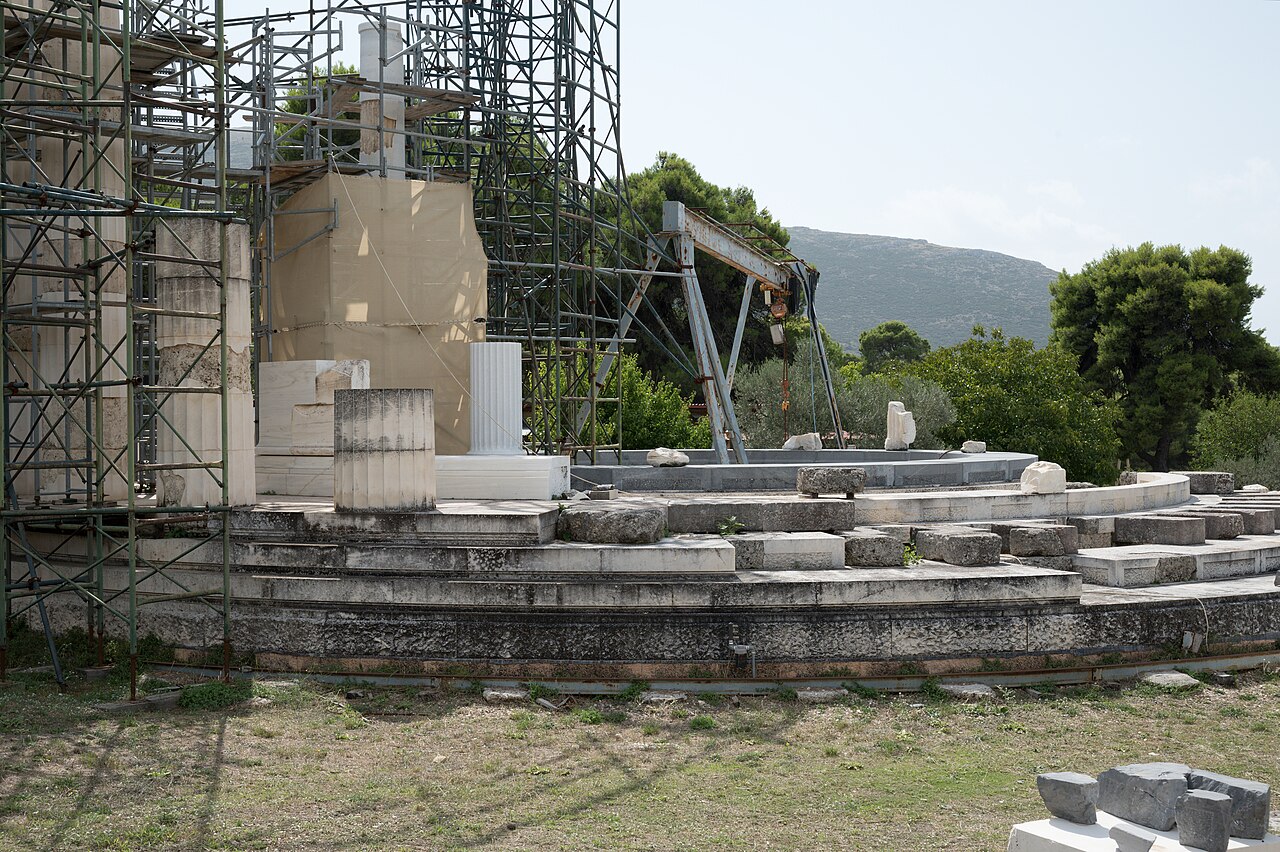
At the Sanctuary of Asklepios you see the temple of Asklepios, the round Tholos with its maze-like foundations, the Abaton where the sick slept for healing dreams, the stadium of the games, and the ruins of baths and treatment halls below the theatre.
The sanctuary grew from the sixth century BC into the most important healing centre of the Greek world.
The Tholos is one of the finest round buildings of Greek architecture. The maze beneath it played a part in the healing rites.
The stadium, built in the fifth century BC, keeps its stone seats and starting lines. It hosted games in honour of the god.
What is in the museum at Epidaurus?
The Archaeological Museum of the site stands between the theatre and the sanctuary. It displays statues, inscriptions recording miraculous cures, ancient surgical instruments, and pieces of the temple and the Tholos, partly reconstructed.
The cure inscriptions list the illness of each patient and the recovery they claimed.
The surgical instruments show the practical side of ancient medicine at the site.
The reconstructed Tholos ceiling shows the building’s carved decoration as it once looked. The museum takes about half an hour on an Epidaurus day tour.


How do you get to Epidaurus from Nafplio?
Epidaurus lies about 30 kilometres east of Nafplio, 30 to 40 minutes by car on a well-signed road. KTEL buses run from Nafplio in summer in about 45 minutes, and day tours from Nafplio pair Epidaurus with Mycenae.
The tours that drive east from Nafplio to the theatre and the sanctuary, with or without Mycenae, are compared on the Epidaurus day trip from Nafplio page.
A car is the easiest way to combine the site with other stops in the Argolid.
The summer bus service is limited, so check the timetable at the Nafplio bus station.
Nafplio makes the best base for the site. Our Nafplio page covers the town.
How long are Epidaurus tours from Athens?
An Epidaurus day tour from Athens runs a full day. The drive covers about 140 kilometres each way, about two hours, via the Corinth Canal and the Argolid, and most tours add Mycenae and Nafplio.
The route runs west to Corinth, crosses the canal, and heads south through the Argolid.
No direct public transport links Athens and Epidaurus. The bus route changes at Nafplio and is slow.
A car or a guided tour is the practical choice. Our Mycenae and Epidaurus day trip from Athens page covers the tours.
Which Epidaurus tours go beyond the classic day trip from Athens?
Epidaurus tours beyond the Athens day trip include on-site tickets, Nafplio tours, private tours and multi-day trips. These Epidaurus tours add a virtual reality guide, a Nafplio base, a Corinth route or extra ancient sites.
The on-site option among Epidaurus tours is an entry ticket with a virtual reality audio guided tour. Visitors book the ticket in advance, so they skip the ticket queue on arrival.
Two Epidaurus tours start in Nafplio. The first, a 5-hour guided tour, covers the theatre, site and museum, with free time in Palaia Epidavros. A second tour pairs Epidaurus with Mycenae, the kingdom of Agamemnon. Private Epidaurus tours from Athens cross the Corinth Canal and visit Ancient Corinth. The route takes in the Epidaurus theatre and Nafplio harbour.
Two longer Epidaurus tours run for 3 or 4 days and leave from Athens. The 3-day tour visits Mycenae, Ancient Epidaurus, Ancient Olympia and Delphi. The 4-day tour adds Meteora to the same four ancient sites. It covers entry fees, a 4-star hotel stay and a licensed guide.
What is the Epidaurus festival?
The Epidaurus festival stages ancient Greek drama in the ancient theatre on summer weekends in July and August, as part of the Athens and Epidaurus Festival. Plays by Aeschylus, Sophocles, Euripides and Aristophanes return to the theatre built for them.
Performances start after sunset, under the open sky.
Festival tickets are separate from daytime site entry and sell ahead.
Visitors combine an evening performance with a night in Nafplio.
Can Epidaurus tours combine Mycenae in one day?
Yes. Epidaurus and Mycenae are the two great ancient sites of the Argolid, about an hour apart by car, and one day covers both with Nafplio in between.
Mycenae lies about half an hour north of Nafplio, and Epidaurus about half an hour east.
A typical day visits Mycenae in the morning and Epidaurus in the afternoon, or the reverse.
The Lion Gate and royal tombs of Mycenae pair with the theatre and sanctuary of the site.
What is the village of Archaia Epidavros?
Archaia Epidavros, also called Palaia Epidavros, is a coastal village near the ancient theatre, with beaches, tavernas and a small ancient theatre of its own by the sea. A sunken ancient city lies in its bay. Paddlers can join an Epidaurus sea kayak tour over the drowned ruins in the bay.
The village makes a pleasant base or lunch stop on an Epidaurus day tour.
The Little Theatre of Ancient Epidaurus hosts concerts in summer.
Snorkellers see the walls of the sunken city in the clear, shallow water of the bay.
What is the history of Epidaurus?
Epidaurus grew from an early cult of Apollo Maleatas on the hillside into the great sanctuary of Asklepios by the sixth century BC. It reached its height in the fourth century BC, when the theatre, the Tholos and the temple were built.
The sanctuary stayed a healing centre into Roman times.
It faded with the coming of Christianity, and excavation began in the nineteenth century.
UNESCO listed the sanctuary as a World Heritage Site in 1988 for its importance to art, religion and medicine.
Who was Asklepios, the god of Epidaurus?
Asklepios was the Greek god of medicine and healing, a son of Apollo, worshipped at Epidaurus above all other places. His symbol, a staff with a single coiled serpent, remains the emblem of medicine today.
Myth held that Asklepios cured the sick and even raised the dead.
Epidaurus claimed to be his birthplace, and it became the centre of his cult.
His sanctuaries, called Asklepieia, were the hospitals of the ancient world, and Epidaurus was the most famous of them.
What ancient medicine was practised at Epidaurus?
At Epidaurus, the sick were treated with ritual and early medicine together. Patients purified themselves, made offerings and slept in the Abaton, hoping for a healing dream from Asklepios, while priests used diet, bathing, exercise and herbs.
The central rite was incubation: sleep in the sacred hall and a dream of the god.
The quiet setting encouraged rest and recovery.
Inscriptions record the illnesses and cures, and surgical instruments were found on the site.
What is there to see near Epidaurus?
Near Epidaurus are the Bronze Age citadels of Mycenae and Tiryns, the town of Nafplio with its fortresses, the coastal village of Archaia Epidavros with its sunken city, and the village of Lygourio.
Mycenae and Tiryns lie within an hour. Nafplio, with its three fortresses, is half an hour away.
Archaia Epidavros suits a swim and a seafood lunch after the site.
Lygourio, the nearest village to the sanctuary, has tavernas for a meal on an Epidaurus day tour.
Which cultural tips help on Epidaurus tours?
Epidaurus tours go smoothly with quiet behaviour at the site, no flash in sensitive areas, modest dress and a greeting for the locals.
When visiting Epidaurus, embracing the local customs enhances your experience. Respect the historical significance of this ancient site by maintaining a quiet demeanor and take note of site-specific etiquette.
Capture Epidaurus’ beauty through photography, but remember to avoid flash in sensitive areas. Finding moments to engage with the locals can enrich your understanding of the site, offering a glimpse into the traditions that define this region. Dress appropriately, balancing comfort and respect for the site’s cultural importance. As you explore, contemplate the blend of history and contemporary life here. With these cultural tips, your visit to the site becomes not only a historical exploration but a deep dive into Greek culture’s vibrant mosaic.
Which local customs matter on Epidaurus tours?
Epidaurus tours respect local customs: greet guides and visitors with Kalimera (good morning), follow the site rules and value the theatre’s history.
Doing so enhances your experience immensely and connects you on a deeper level with the area’s rich culture. Begin your day tour by acknowledging the importance of the Epidaurus theatre, renowned for its acoustics, and respect its historical significance. In Ancient Epidaurus, showing appreciation for the natural landscapes and archeological efforts goes a long way. As you tour the sites, embracing local customs like greeting your guides and fellow visitors with a friendly “Kalimera” can elevate your trip. Remember, any self-guided tour through Epidaurus is enriched by respecting site rules and engaging with a guided tour for a local’s insights. By understanding and valuing etiquette, you ensure that your journey to the site is memorable and respectful to both locals and ancient traditions.
Embarking on a self-guided journey through the exceptional wonders of Ancient Epidaurus is an experience. Whether fascinated by the past or intrigued by its renowned theatre acoustics, Epidaurus promises discovery and inspiration. With its captivating archaeological site and healing sanctuary, a day tour here is both enriching and exhilarating. To make the most of your Epidaurus day trip, choose My Greece Tours for comprehensive advice and insights, ensuring your adventure is seamless and spectacular. Enjoy rivers of history flowing through every corner, making this journey a true treasure trove of Greek heritage.
What is the best time for Epidaurus tours?
The ideal time to visit the site is during spring or early autumn when the weather is mild and pleasant, making it for exploring. These seasons also offer extended site opening hours, allowing for a more leisurely visit.
How should I plan self-guided Epidaurus tours?
To plan your self-guided tour, start by securing tickets online to avoid delays. Bring essentials like water, sunscreen, and comfortable shoes. Use maps or GPS for navigation and consider starting your tour early in the day to maximize your experience.
What makes the Epidaurus theatre famous?
The Epidaurus theatre is renowned for its exceptional acoustics that allow even the softest sounds to be heard throughout its vast structure. Built in the 4th century BC, it is considered a masterpiece of ancient Greek architecture.
Which main attractions do Epidaurus tours cover?
The main attractions include the ancient theatre, known for its unparalleled acoustics, and the healing sanctuary dedicated to Asclepius. The site combines history, architecture, and ancient medicinal practices, providing a comprehensive cultural experience.
How can I enhance my cultural experience when visiting Epidaurus?
To enhance your cultural experience, embrace local customs by greeting the locals, respecting the historical significance of the site, and participating in cultural activities. Engaging with the community and exploring local gastronomy can also enrich your visit.