
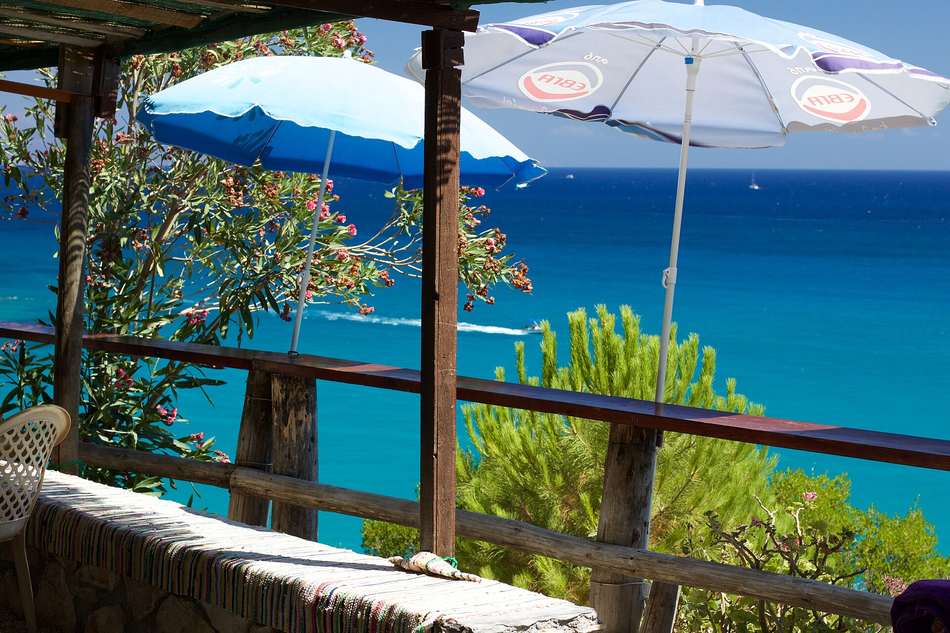
The Ionian island of Zakynthos enjoys a Mediterranean climate of hot, dry summers and mild, wet winters that shape every aspect of life on this lush, green destination. The island receives more rainfall than the Aegean islands, which gives it a verdant character that visitors fall in love with at first sight. Planning the right months for your trip matters enormously, since the weather swings dramatically between sun-baked peak season and the cooler, greener off-season. This guide breaks down exactly what to expect from the sky, the sea, and the land across every part of the year. Explore the island beautifully with My Greece Tours.
The sections below cover the island’s weather patterns month by month, answering the questions travelers ask most about sunshine, rainfall, sea temperatures, and crowds. Zakynthos sits in the Ionian Sea, which means it gets noticeably greener and wetter than Cycladic islands like Santorini or Mykonos. That extra rain paints the interior in deep greens and feeds the olive groves that carpet the hillsides. For the full picture of what to do, where to stay, and how to get around, read our complete Zakynthos travel guide.
What Is the Climate Like on Zakynthos?
Zakynthos has a Mediterranean climate with hot, dry summers and mild, wet winters. The island receives more rainfall than the Aegean islands, giving it a lush, green appearance that sets it apart from drier Greek destinations.
The Mediterranean climate on Zakynthos means long, parched summers balanced by cooler, damper winters that recharge the island’s water table and fill the streams. Rain falls mostly between November and March, transforming the hillsides into thick carpets of wildflowers, sage, and olive groves. Visitors arriving in spring see the island at its most vivid, before the summer heat scorches the vegetation back to gold. The contrast with the bare, rocky Cycladic islands to the southeast is striking, and it is exactly this lushness that earned Zakynthos its reputation as the Flower of the Levant.
Understanding this rhythm helps travelers pick the right window for their trip, whether that means full summer sun on the famous Zakynthos beaches or a cooler spring hike through the green interior.
This greener character comes directly from the weather patterns that sweep across the Ionian Sea. Winter storms rolling in from the west drop significantly more rain here than on islands sitting in the Aegean’s rain shadow. That moisture sinks into the limestone bedrock and feeds the springs that keep the interior green long into the dry months. Travelers who visit in April or early May often comment on how the whole landscape glows with fresh growth, and the air carries the scent of herbs and blossoms. By late June the rains have stopped entirely, and the island shifts into its parched summer posture.
The soil cracks, the grasses turn golden, and the only green that remains clusters around springs, riverbeds, and the irrigated fields near the coast.
Average highs on Zakynthos climb from about fourteen degrees in January to the low thirties in high summer. March brings roughly seventeen degrees, April nineteen, and May a comfortable twenty-four in the daytime. June settles near twenty-eight degrees before July and August peak above thirty-two degrees on the coast. September holds around twenty-eight degrees, and October cools to about nineteen or twenty in the afternoon. Winter nights rarely fall below ten degrees, so hard frost is almost unknown on the island. Sea temperatures lag the air by a month, staying warmest through the late summer and early autumn. This gentle curve gives travellers a long, dependable window of warm, dry weather from late spring onward.
Checking a monthly average before booking helps travellers match the trip to the weather they want.
What Are Summers Like on Zakynthos?
Summers on Zakynthos are hot and dry, with long sunny days, almost no rainfall, and warm seas perfect for swimming. July and August bring the highest temperatures, frequently climbing well into the thirties Celsius during peak afternoon hours.
From June through September the island basks in relentless sunshine, with barely a cloud to interrupt the blue. Rainfall becomes almost nonexistent, and the sea heats up to a luxurious bathing temperature that holds steady through October. July and August are the scorching months, when the thermometer regularly pushes past thirty-three degrees Celsius and the famous Navagio Beach fills with day-trippers arriving by boat. The meltemi wind that batters the Aegean rarely reaches this far west, so the air feels stiller and hotter than on islands like Mykonos.
Locals adapt by retreating indoors during the middle of the day, emerging only in the evening, when the sea breeze finally cools the waterfront tavernas and the stone-paved squares fill with families taking their leisurely evening stroll.
This is peak tourist season, and the island operates at full throttle. Every hotel, restaurant, and beach club is open, and the roads hum with rental cars and scooters. The cost of rooms and flights reaches its highest point of the year, and securing a table at a popular waterfront taverna requires booking ahead. The reward for the crowds and the expense is near-guaranteed sunshine, warm crystalline water, and that unmistakable Greek-island atmosphere at its most vibrant. Families with children gravitate toward the long sandy stretches in the southeast, where shallow water and gentle slopes make swimming safe and easy.
The evenings bring a softer warmth, as the stone retains the day’s heat and the streets stay alive with music, conversation, and the clink of glasses well past midnight.
Rainfall in the summer months is close to zero, and cloudless skies run for weeks at a stretch. The driest stretch of the year covers May, July and August, when a shower is a rare event. Humidity stays moderate on the coast, and the light sea breeze takes the edge off the midday heat. Nights remain warm through July and August, often holding in the low twenties well after dark. The strong Aegean meltemi wind seldom reaches this far west, so the sea stays calm and glassy. Sun cream, a hat and plenty of water matter most in the hours around noon.
Shade is scarce on open beaches, so an umbrella or a beach tent earns its place in the car boot.
What Are the Shoulder Seasons Like?
The shoulder months of May, June, September, and October offer warm days, fewer crowds, and green or golden landscapes. The sea stays warm into autumn, making these months perfect for travelers who prefer a gentler, quieter pace.
May and June deliver the island at its freshest, with wildflowers blanketing the hills and daytime temperatures sitting comfortably in the mid-twenties. The sea has wintered cold but warms rapidly, and by late June it reaches a temperature that makes swimming a joy rather than a bracing challenge. In Zakynthos Town, the cafes and restaurants are open and welcoming, but the crush of high season has not yet arrived, giving visitors room to breathe and explore at their own pace. September works in reverse: the sea is at its warmest after months of solar heating, yet the crowds thin out as families return children to school.
October straddles the line, with warm golden afternoons, cooler evenings, and the first possibility of rain returning to the island.
These months reward travelers who value experience over guaranteed heat. Hiking trails through the interior are at their best, with firm ground, moderate temperatures, and views unobscured by summer haze. The light takes on a softer, more photographic quality that landscape painters and Instagram enthusiasts equally appreciate. Prices drop noticeably compared to July and August, and negotiating a better rate on a villa or a rental car becomes distinctly easier. The one trade-off is unpredictability: a late-May storm can roll through and wash out a beach day, and October evenings occasionally demand a jacket.
Savvy travelers pack layers and build flexibility into their itineraries, treating any rain as an excuse to linger over a long lunch or visit a museum. For anyone willing to gamble slightly on the weather, the rewards far outweigh the inconveniences.
May and June pair long daylight with daytime highs in the mid-twenties and cool, pleasant evenings. The sea climbs quickly through June and reaches an easy swimming temperature by the month’s end. September runs the other way, with the warmest water of the year after a summer of solar heating. October offers golden afternoons near twenty degrees, though the first autumn showers can appear. Rain totals rise sharply into October, which records the wettest single month of the year on the island. Evenings in the shoulder months can call for a light jacket, especially inland or after a shower. Packing layers lets travellers enjoy warm days and cooler nights without being caught out.
A quick look at the forecast the night before still helps when planning a beach day in these months.
What Is Winter Like on the Island?
Winter on Zakynthos is mild but wetter, with frequent rainstorms rolling in from the Ionian Sea. The landscape turns vividly green, and most resorts, restaurants, and beach clubs close down until the following spring reopens the tourist season.
From November through March the island slows to a gentle heartbeat. Rain arrives in earnest, sometimes in heavy downpours that last for days, and the temperature rarely drops below ten degrees Celsius. The landscape responds dramatically, erupting in lush green growth that makes the hillsides look almost tropical. Life contracts to the year-round communities, and the famous strips around Laganas Beach fall silent, their sun loungers stacked and their beach bars boarded up. Hotels in the capital stay open, catering to locals and the occasional off-season visitor who prefers solitude over sun. Days can be gloriously clear and bright between the storms, with crisp air and visibility that stretches for miles across the channel to Kefalonia.
It is a beautiful time for introspection and long walks.
The winter rain is exactly what makes Zakynthos so much greener than its Aegean counterparts. All that water soaks into the limestone and feeds the underground aquifers that sustain the island through the bone-dry summer. Olive farmers welcome the wet months, and the citrus groves depend on deep winter soaking to produce their spring blossom. Travelers who venture here between November and April will find a profoundly peaceful place, with empty roads, quiet tavernas serving hearty local cuisine, and a landscape that feels private and untouched. The cost of accommodation drops to its lowest point, and the welcome from locals is warm and genuine.
The sea is cold and rough, making swimming impractical, but coastal walks take on a rugged beauty that the summer crowds never get to witness.
Winter days often open bright and clear before a band of rain sweeps in from the west. Daytime highs sit around fourteen or fifteen degrees in January and February, the coolest months. The rain that falls between November and March feeds the springs and keeps the interior green. Snow is extremely rare at sea level and appears only on the highest inland ridges in a cold spell. The sea turns cold and choppy, so swimming gives way to bracing coastal walks and long lunches. Daylight is shorter, with the sun setting in the late afternoon through the depths of winter. A warm layer and a rain jacket cover most winter days, which swing between sunshine and showers.
Ferries and flights run on reduced winter timetables, so travel days need a little extra planning.
When Is the Best Time to Visit Zakynthos?
The best time to visit depends on your priorities. July and August deliver peak beach heat and vibrant nightlife, while May, June, September, and October offer quieter crowds, lower prices, and comfortable temperatures for exploring both coast and interior.
Families tied to school holidays will find July and August the most practical choice, with every facility open and operating at full capacity. The heat is intense but manageable for anyone spending the day in or near the water, and the social energy of the island is at its absolute peak. Couples and solo travelers with flexible dates should seriously consider the shoulder windows of late May to mid-June or the whole of September. The weather remains reliably warm, the sea is swimmable, and the island feels spacious rather than overcrowded. Photographers and nature enthusiasts might lean toward May, when the wildflowers are at their most spectacular and the bird life along the salt pans is extraordinary.
Budget-conscious visitors will find October delivers excellent value, with accommodation prices dropping noticeably from their summer peak.
Ultimately, the decision comes down to what sort of island experience you are chasing. Those who want full-throttle Greek-island energy, with packed beaches, lively bars, and every restaurant and excursion operating at full tilt, will love late July and August. Travelers who prefer to trade a degree or two of heat for empty hiking trails, quiet tavernas, and a room rate that leaves budget for an extra boat trip will find the shoulder months far more rewarding. The beauty of Zakynthos is that there is no genuinely bad time to be here. Even in the depths of winter, the green hills and the dramatic coastline offer a rugged, windswept charm that the summer never reveals.
The island simply shifts its personality to match the calendar, and every shift has its own distinct appeal.
July and August guarantee heat and sunshine but bring the highest prices and the biggest crowds. Late May to mid-June offers warm days, a swimmable sea and hills still bright with wildflowers. September keeps the warmest water and long sunny days while the summer rush eases off. October suits travellers who want low prices and quiet beaches, accepting the odd rainy afternoon. Spring visits reward walkers and birdwatchers, with the salt pans near Laganas alive with waders. Winter appeals to anyone seeking solitude, green landscapes and the lowest room rates of the year. Matching the month to the trip you want is the surest way to enjoy the island weather.
No single month suits everyone, so the best choice follows the traveller own priorities for the trip.
Frequently Asked Questions
How Warm Is the Sea Around Zakynthos?
The sea around Zakynthos reaches its coldest point in late winter, dropping to roughly fifteen degrees Celsius in February and March. From April onward, the water begins a steady climb as the sun gains strength and the days lengthen noticeably. By June, the temperature hits a comfortable twenty-two degrees, and it continues rising through July and August, peaking near twenty-six degrees in early September. This warmth lingers well into October, giving swimmers an extended window of luxurious, bath-like water temperatures that the air has already begun to lose. The sheltered bays along the southeast coast, particularly around the national Marine Park, tend to run a degree or two warmer than the exposed western shores facing the open Ionian.
Booking Zakynthos boat tours in the shoulder months is a genuinely smart travel move, since the sea remains calm and inviting while the boats are far less crowded than during peak summer.
Can You See Turtles on Zakynthos?
The sea-turtle nesting season on Zakynthos runs throughout the summer, making it one of the few places in the Mediterranean where visitors can observe these remarkable creatures in their natural habitat. Female turtles come ashore at night to dig nests and lay their eggs on the soft sand of beaches in Laganas Bay, and the hatchlings emerge roughly two months later, instinctively scrambling toward the moonlit sea. The National Marine Park protects these nesting beaches and strictly regulates human activity during the season. Boats are restricted in certain zones, and flashlights and flash photography are forbidden on the beaches after dark.
The best way to see the loggerhead turtles responsibly is from a licensed excursion boat that respects the speed limits and exclusion zones around the nesting areas. Swimming alongside a wild turtle in the warm waters of Laganas Bay is an unforgettable experience, and it leaves a powerful impression on every visitor fortunate enough to witness it.
Does It Ever Rain in Summer on Zakynthos?
Rain in summer on Zakynthos is exceptionally rare. From June through September, the island sits under a stable high-pressure system that pushes weather systems far to the north, leaving weeks of uninterrupted sunshine and cloudless blue skies. A passing shower in June or late August is not impossible, but it would be remarkable enough to dominate local conversation for days. The air is dry, the ground is parched, and any moisture that does fall evaporates within minutes of hitting the hot stone and soil. This near-total absence of summer rain is precisely what defines the Mediterranean climate and what draws hundreds of thousands of sun-seekers to the Greek islands each year.
The dry months are also what make the island so golden and brittle by late August, when the vegetation has been baked for weeks on end. Travelers packing for a summer trip need not concern themselves with rain gear, though a wide-brimmed hat and high-factor sunscreen are absolutely indispensable.
What is the wettest month on Zakynthos?
October and the winter months of November through January bring the heaviest rain to Zakynthos, with October often recording the single wettest month of the year. Rain falls mostly as short, heavy bursts between long clear spells rather than as steady all-day drizzle, so bright afternoons still break through. This winter rain is what keeps the island so much greener than the dry Aegean islands, since the water sinks into the limestone and feeds the springs through the summer. Summer, by contrast, stays almost entirely dry, with May, July and August seeing barely any rain at all.
Travellers visiting in the shoulder months of late May, June or September enjoy warm, largely dry weather with only a small chance of a passing shower. Anyone coming in the wetter months should pack a light rain jacket and treat a rainy hour as a chance to linger over a long taverna lunch. The green hills and full streams are the reward for that seasonal rain.