
Olive oil flows through every aspect of Cretan life, from the kitchen table to the terraced hillsides blanketed in silver-green groves. Millions of olive trees carpet the island, their roots reaching back to Minoan times and their branches still feeding families today. The island produces exceptional extra-virgin oil, most notably from the Koroneiko variety, celebrated for its low acidity and distinctive fruity, peppery character. Visitors can tour working mills, watch the autumn harvest, taste oils at the source and understand why this liquid gold underpins the island’s legendary longevity and vibrant cuisine. Explore the groves, presses and flavours with My Greece Tours.
Olive cultivation has shaped Crete’s landscape, economy and diet for millennia. The main groves stretch across Kolymbari, Apokoronas and Messara, as well as the hills above the north coast, where families tend trees passed down through generations. Cretans use oil generously in cooking, salads and baking, and the tradition of pressing, tasting and sharing oil remains central to island culture. Bottled oil, olive-wood crafts and cosmetics make prized souvenirs. The sections below cover the history, production areas, tasting experiences and culinary role of this essential ingredient. For broader context, consult our Crete travel guide.
Why is olive oil so important to Crete?
Olive oil anchors Cretan identity, cuisine and economy. The island’s groves date to Minoan times, and oil remains the cornerstone of the local diet, which contributes to exceptional longevity and health outcomes across the population.
Olive trees dominate the Cretan countryside, their gnarled trunks and silvery leaves defining the island’s visual character. Cultivation began in the Bronze Age, and archaeological evidence from Minoan palaces reveals sophisticated presses and storage jars. Oil fueled lamps, anointed bodies and enriched food, establishing patterns that endure today. The island’s climate—hot, dry summers and mild, wet winters—suits the olive perfectly, and generations of farmers have refined pruning, grafting and harvesting techniques. Families own small plots scattered across hillsides, tending trees that may be centuries old. This deep-rooted tradition shapes village rhythms, seasonal calendars and social bonds, making olive oil far more than a commodity.
The Cretan diet, studied extensively for its health benefits, relies on generous quantities of extra-virgin oil. Locals drizzle it over salads, vegetables, legumes and bread, use it in baking and frying, and consume it raw at nearly every meal. The oil’s high proportion of monounsaturated fats and polyphenols supports cardiovascular health and longevity. Visitors quickly notice the difference in flavour and texture compared to mass-produced oils. Tasting fresh oil at a mill or estate, often paired with rustic bread and cheese, offers insight into why Cretans treat their oil with reverence. Exploring things to do in Crete should include at least one olive-oil experience to grasp the island’s culinary soul.
Which areas of Crete produce the best olive oil?
Kolymbari, Apokoronas and Messara are the most renowned production zones. The hills above the north coast also yield excellent oil. Each area benefits from microclimates, soil types and traditional cultivation methods that shape the oil’s character.
The Kolymbari region, west of Chania, enjoys protected designation of origin status and produces oil prized for its delicate, fruity profile. Groves cascade down slopes toward the sea, and the local cooperative unites hundreds of small producers. Visitors can tour the modern mill, observe pressing during the autumn harvest and taste oils that win international awards. The Apokoronas district, stretching inland from the north coast between Chania and Rethymno, combines rolling hills, traditional villages and family-run estates. Producers here often welcome guests for tastings, explaining terroir, harvest timing and blending. The landscape around Kolymbari and Apokoronas offers scenic drives through silver-green groves punctuated by stone farmhouses and chapels.
The Messara plain in the south, Crete’s largest agricultural valley, produces substantial volumes of oil alongside vegetables, grains and wine. The flat terrain and deep soils support intensive cultivation, and the oil tends toward robust, peppery flavours. The hills above the north coast, from Heraklion west to Rethymno, host terraced groves clinging to steep slopes. These higher-altitude trees yield smaller harvests but concentrated flavours. Producers in each zone take pride in their oil’s unique profile, shaped by altitude, rainfall, soil composition and the proportion of Koroneiko to other varieties. Tasting oils side by side reveals the diversity within Crete’s olive-oil tradition and the skill required to coax excellence from each microclimate.
What makes Koroneiko olives special?
Koroneiko is the dominant variety across Crete, valued for low acidity, high polyphenol content and a balanced fruity, peppery taste. The small olives yield less oil per fruit but deliver superior quality, stability and health benefits.
Koroneiko trees thrive in Crete’s climate, tolerating drought and producing reliable crops. The olives are small, oval and dark purple when ripe, with a high oil-to-flesh ratio. Pressing Koroneiko fruit yields extra-virgin oil with acidity well below the legal threshold, often under half a percent. This low acidity contributes to a clean, smooth mouthfeel and excellent shelf stability. The oil’s flavour profile balances green, grassy notes with hints of artichoke, tomato leaf and almond, finishing with a characteristic peppery bite that signals high polyphenol levels. These antioxidants protect the oil from oxidation and offer health benefits, including anti-inflammatory properties. Producers harvest Koroneiko olives early in the season to maximize polyphenols, accepting lower yields for superior quality.
Other varieties, including Tsounati and Mastoidis, grow in smaller numbers and are sometimes blended with Koroneiko to add complexity. Tsounati produces a milder, sweeter oil, while Mastoidis contributes body and richness. Most estates and cooperatives focus on Koroneiko monovarietal oils, however, to maintain consistency and meet export standards. The variety’s adaptability and quality have made it the backbone of Crete’s olive-oil industry. Tasting Koroneiko oil fresh from the press, with its vibrant green colour and intense aroma, reveals why producers and chefs prize it. The experience deepens appreciation for Cretan food, where this oil plays a starring role in nearly every dish.
How can visitors experience Crete’s olive-oil culture?
Visitors tour working mills and family estates, watch the autumn harvest and pressing, taste oils paired with bread and cheese, and purchase bottles directly from producers. Cooking classes and agrotourism stays offer immersive experiences in olive-oil traditions.
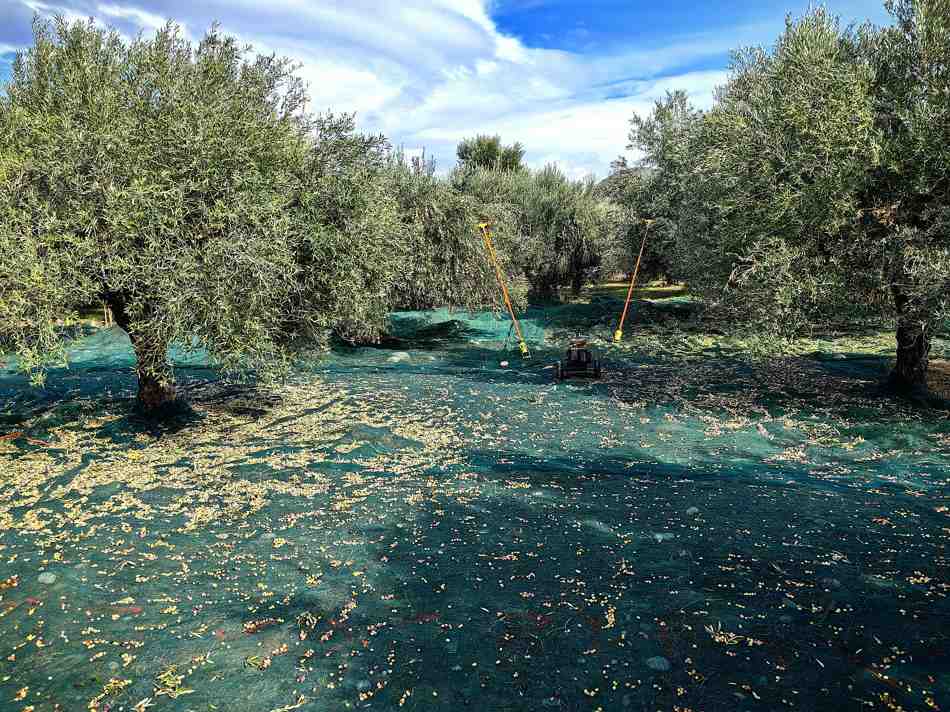
The olive harvest runs from late October through December, depending on altitude and desired ripeness. Estates and cooperatives welcome visitors during this period to observe the process: nets spread beneath trees, mechanical shakers or hand-picking, transport to the mill and cold pressing within hours of harvest. Modern mills use stainless-steel centrifuges to separate oil from water and solids, maintaining temperatures below twenty-seven degrees to preserve flavour and nutrients. Guides explain acidity testing, filtration and storage in temperature-controlled tanks. Tasting sessions follow, with producers pouring oils into small glasses, encouraging visitors to inhale the aroma, sip and note the flavour progression.
Pairing oil with fresh bread, local cheese, tomatoes and herbs demonstrates its versatility and central role in the island’s cuisine.
Outside harvest season, estates offer tours of groves, explanations of pruning and pest management, and tastings of the previous year’s production. Cooking classes in villages and towns incorporate olive-oil techniques, teaching participants to prepare traditional dishes such as dakos, horta and slow-cooked stews. Agrotourism properties invite guests to help with seasonal tasks, from pruning in late winter to bottling in spring. Shops in Rethymno and other towns stock estate-bottled oils, olive-wood utensils, soaps and cosmetics. Purchasing directly from producers ensures quality and supports small-scale agriculture. The experience mirrors visits to Crete wineries, offering insight into terroir, craftsmanship and the pride Cretans take in their land’s bounty.
What role does olive oil play in Cretan cooking?
Olive oil is the foundation of Cretan cuisine, used generously in salads, vegetable dishes, legumes, baking and frying. Cretans consume it raw and cooked, valuing its flavour, health benefits and cultural significance in every meal.
Traditional Cretan dishes rely on olive oil for both flavour and texture. Dakos, the iconic barley rusk topped with tomato, cheese and oil, showcases the oil’s ability to soften, enrich and bind ingredients. Horta, wild greens boiled and dressed with lemon and oil, turns simple foraged plants into a nutritious side dish. Legume soups, vegetable stews and baked fish all begin with a generous pour of oil, which carries heat, develops flavours and adds body. Bakers incorporate oil into breads, pies and sweets, replacing butter and lending a moist crumb and subtle fruity note.
Frying in olive oil, once considered extravagant elsewhere, is standard practice in Crete, where the oil’s high smoke point and stability make it ideal for cooking at higher temperatures.
Salads receive a particularly lavish drizzle, with locals pouring oil freely over tomatoes, cucumbers, peppers and greens. The oil’s peppery finish complements the vegetables’ sweetness and acidity, creating a balanced, satisfying dish. Cheese, especially soft mizithra or aged graviera, pairs beautifully with oil, and a simple plate of bread, cheese and oil constitutes a traditional snack or light meal. Desserts such as xerotigana, fried dough spirals soaked in honey, depend on oil for their crisp texture. The generous use of oil contributes to the diet’s health benefits, providing essential fatty acids and fat-soluble vitamins. Understanding this culinary philosophy enriches any visit, transforming meals from sustenance into cultural education and sensory pleasure.
Frequently Asked Questions
What should I look for when buying Cretan olive oil?
Seek estate-bottled extra-virgin oil with a recent harvest date, ideally from the current or previous season. The label should specify the variety, usually Koroneiko, and indicate cold extraction and low acidity, typically below half a percent. Protected designation of origin labels, such as Kolymbari, guarantee geographic authenticity and adherence to quality standards. Taste before buying when possible: fresh oil should smell grassy and fruity, taste balanced with a peppery finish, and show a vibrant green or golden colour. Avoid oils stored in clear glass or plastic, which degrade quality through light exposure. Dark glass bottles or tins protect the oil. Purchase directly from producers, cooperatives or reputable shops rather than tourist-oriented outlets, where quality and freshness vary.
Estate tours often include sales, allowing you to trace the oil from tree to bottle. Bring home a litre or two, packed carefully in checked luggage, to extend your Cretan culinary experience and share the island’s liquid gold with friends and family.
When is the best time to visit for olive-oil experiences?
The olive harvest, running from late October through December, offers the most immersive experience. Mills operate around the clock, pressing freshly picked fruit, and the countryside buzzes with activity. Estates welcome visitors to observe nets being spread, trees shaken and olives transported to presses. Tasting oil just hours after pressing reveals its most vibrant flavours and aromas. Spring, from March through May, provides a quieter alternative, with groves in bloom and producers bottling and labelling the season’s oil. The landscape glows green, wildflowers carpet the ground beneath the trees, and temperatures remain comfortable for walking through groves. Summer and early autumn allow tours and tastings but lack the harvest’s drama and the spring’s freshness.
Year-round, estates and cooperatives offer guided visits, though calling ahead ensures availability and personalized attention. Combining an olive-oil tour with broader exploration of Crete’s villages, coastline and archaeological sites creates a well-rounded itinerary that captures the island’s agricultural heritage and natural beauty.
Can I participate in the olive harvest as a visitor?
A handful of agrotourism properties and family estates invite guests to join the harvest, offering hands-on experience with picking, sorting and pressing. These opportunities require advance booking and typically involve a full or half day of work, followed by a meal and tasting. Participants spread nets, use hand rakes to comb olives from lower branches, collect fruit and transport it to the mill. The work is physical but rewarding, providing insight into the labour and skill required to produce quality oil. Hosts explain pruning strategies, pest management, harvest timing and the importance of rapid pressing to minimize acidity. The experience concludes with a traditional Cretan meal featuring the estate’s oil, wine, cheese and vegetables.
Volunteering during harvest, often organized through farm-stay networks, offers a deeper cultural exchange and the satisfaction of contributing to a centuries-old tradition. Even without formal participation, visiting a mill during the harvest and speaking with producers conveys the intensity, pride and communal spirit that define this essential season in Cretan life.