
The Ikaria to Syros ferry connects a rugged north Aegean island with the administrative capital of the Cyclades. Boats run between the two ports on the long lines that link Piraeus with Ikaria through the island group. The crossing carries travellers toward Ermoupoli, the busy harbour town of Syros, where onward routes fan out across the Aegean. Timings shift with the season and the vessel, and the route rewards a little planning ahead of departure. This guide sets out the connection, the ports, the sailing time, and the practical steps for a smooth trip. Book your route and start the journey with My Greece Tours.
Syros sits near the heart of the Cyclades and works as a natural pivot for island travel. The ferry from Ikaria reaches it after a passage of a few hours, sometimes with a stop at another island along the way. Our Ikaria travel guide frames the wider picture of getting to and from the island. The sections below cover the route and how the two islands connect, the sailing time and the vessels, the port you leave from, the role of Ermoupoli as a Cyclades hub, and the frequency, booking steps and small tips that make the crossing easier to arrange.
How does the Ikaria to Syros ferry route work?
The Ikaria to Syros ferry runs on the north Aegean lines that link Piraeus with Ikaria. Boats travelling this corridor call at Syros, so a direct or one-stop crossing connects the two islands across open water.
Ikaria and Syros share the ferry corridor that ties the north Aegean to the central Cyclades. Vessels leaving Piraeus thread through the island group, and Syros lies on that line as a scheduled call. A boat bound for or coming from Ikaria therefore passes Syros as part of its route, which is why the connection exists without a dedicated shuttle. The passage crosses open Aegean water, and the sea state changes with the wind through the sailing season. Travellers reading up on how to get to Ikaria will recognise the same lines running in reverse toward Syros.
The route forms one leg of a longer chain that stretches from the mainland out to the eastern edge of the Cyclades and beyond.
The link between the two islands depends on where each ferry sits along its wider itinerary. A boat may sail direct on one day and call at an intermediate island on another, which shapes the length of the trip. Syros functions as an anchor point on the network, so most lines serving Ikaria touch it at some stage. The corridor also carries the Piraeus to Ikaria ferry, and the same operators extend those sailings toward the central Cyclades. Understanding the shape of the line helps a traveller read the timetable with confidence.
The route is best treated as a segment of a larger web rather than a stand-alone hop, and that framing makes the seasonal pattern easier to follow when plans take form.
How long does the ferry take and which vessels sail it?
The crossing takes a few hours and varies with the vessel and any stops. Conventional ferries run slower with more room, while faster boats trim the time. Intermediate calls at another Cycladic island lengthen the passage.
Sailing time on the Ikaria to Syros route depends on the class of boat and its itinerary. A conventional car ferry moves at a steady pace and carries vehicles, cabins and open decks, which suits travellers who value space over speed. Faster vessels cut the duration where they operate, though they run on a lighter seasonal pattern. A direct sailing reaches Syros quicker than one that calls at an intermediate island. The open crossing exposes the boat to Aegean wind, and the meltemi of high summer can stretch a schedule or shift a departure.
Checking the vessel type when you book gives a clear read on how long you will spend aboard, and it also shapes the comfort of the trip across the water.
The mix of boats on this corridor changes through the year. Peak season brings extra sailings and, on some lines, quicker vessels that shorten the passage. Off-season leans toward the sturdy conventional ferries that hold their schedule in rougher weather. Travellers planning a wider loop through the islands often pair this leg with the Ikaria to Paros ferry, since the same operators thread both routes through the central Cyclades. The duration you see quoted reflects a typical run in fair conditions, so build a margin for wind and stops.
Knowing the vessel class before departure lets you plan onward connections at Ermoupoli without cutting the timing too fine, and it keeps a multi-island itinerary realistic from the outset.
Which Ikaria port does the Syros ferry leave from?
Ferries to Syros depart from Agios Kirykos in the south or Evdilos on the north coast. The port used depends on the line and the day, so confirm which harbour your ticket names before travel.
Ikaria has two main ferry harbours, and the Syros connection can use either one. Agios Kirykos sits on the south coast and serves as the island capital and a primary port. Evdilos lies on the north side and handles a large share of the Piraeus and Cyclades sailings. The harbour your boat uses follows the specific line and its schedule for that day, so the ticket names the departure point clearly. A traveller staying near one coast should check which port their sailing leaves from, since the two lie a winding drive apart across the island interior. Reading up on where to stay in Ikaria helps match your base to the port you will use for the crossing.
The split between the two ports shapes the practical side of the trip. Roads across Ikaria climb and twist through mountain terrain, so the transfer between Agios Kirykos and Evdilos takes real time behind the wheel. A sailing from the wrong side of the island can add an hour or more to your morning. Confirming the harbour in advance avoids a rushed drive to catch the boat. The port also affects onward logistics once you reach Syros, since departure timing feeds into the connection at Ermoupoli. Choosing accommodation with the ferry port in mind smooths the whole journey.
A clear read on which harbour serves your date keeps the crossing calm and the transfer to Syros free of last-minute scrambles at either end.
Why is Syros and Ermoupoli a hub for Cyclades island hopping?
Syros holds the administrative capital of the Cyclades at Ermoupoli, a central port with wide onward links. Its position lets travellers switch between routes and combine islands that a single direct line would not connect.
Ermoupoli, the port town of Syros, ranks among the busiest harbours in the Cyclades. Its status as the administrative capital of the island group gives it a dense web of ferry connections in most directions. A traveller arriving from Ikaria can step onto onward boats toward Mykonos, Paros, Naxos, Tinos and the mainland, which turns Syros into a switching point rather than a dead end. This role makes the island valuable for anyone stitching together a multi-stop route. The harbour handles both conventional ferries and faster vessels, so the choice of onward speed sits open.
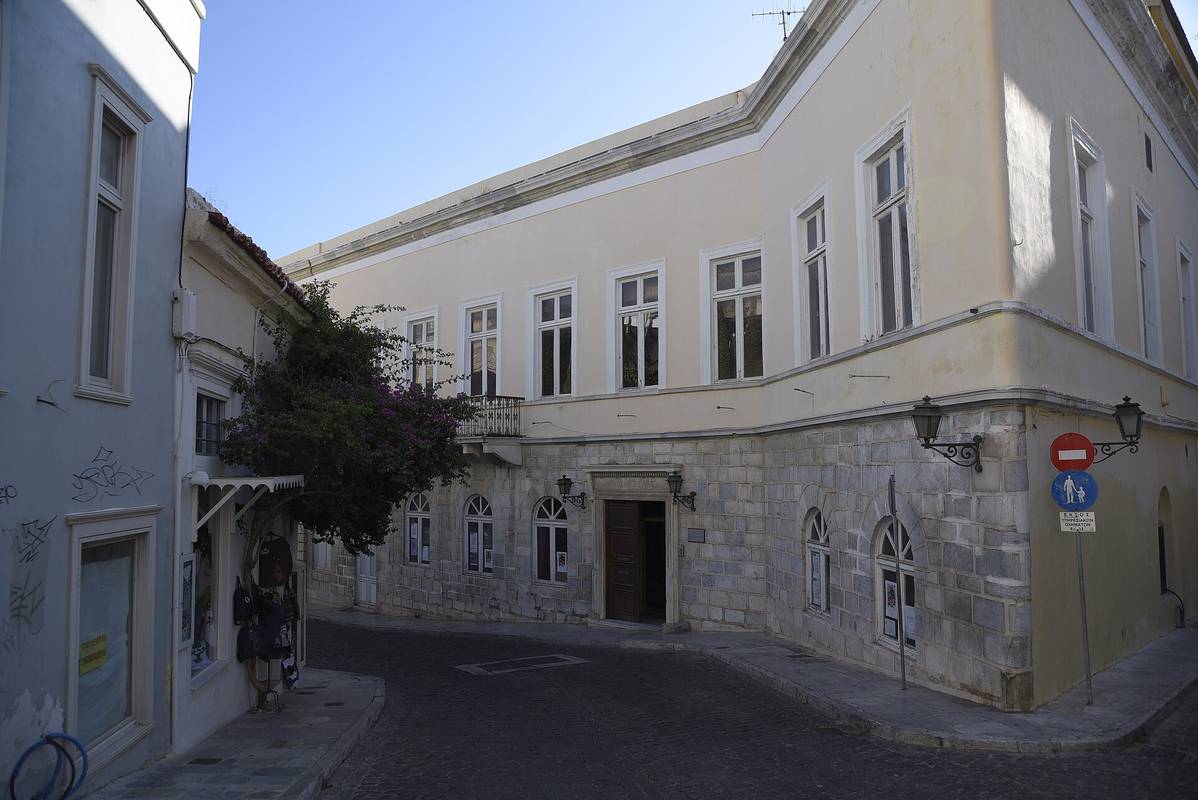
Ermoupoli itself, with its neoclassical facades and marble squares, rewards a stopover beyond its function as a transit gateway to the rest of the Aegean.
The pivot role of Syros unlocks combinations that a straight line from Ikaria could not offer. A crossing to Ermoupoli, followed by a second boat, opens routes across the central and western Cyclades in a single trip. This flexibility suits travellers who want more than one island in an itinerary and who value the freedom to change plans mid-journey. The port also connects back toward Piraeus, so a loop through the islands can close at the mainland. Ermoupoli sits within reach of the popular Cyclades names while keeping a working-town character of its own.
Using Syros as a base or a transit hinge gives a route both reach and resilience, and it lets a traveller shape a wider Aegean journey around one reliable and well-served central harbour.
How often does the Ikaria to Syros ferry run and how do you book?
Frequency peaks in summer and thins outside it, with lighter service in winter. Book ahead in high season, confirm the port and vessel, and allow buffer time for wind, stops and onward connections at Ermoupoli.
Sailings on the Ikaria to Syros route follow a strong seasonal rhythm. High summer brings the fullest timetable, with regular departures as demand across the Aegean climbs. Spring and autumn thin the schedule, and winter drops to a lighter service built around the essential lines. A traveller planning outside peak months should check the current timetable early and build the trip around the days that boats actually run. Weather adds another variable, since the meltemi wind of summer can delay or reshuffle a departure. Reading the live schedule close to the travel date gives the truest picture.
The seasonal pattern rewards flexibility, and a plan that leaves room to shift by a day handles the reality of Aegean ferry timings with far less stress.
Booking ahead pays off in high season, when vehicle space and cabins fill on the busier sailings. Reserving early secures a place and locks in the departure that fits your onward plans at Ermoupoli. Confirm which port your ticket names, Agios Kirykos or Evdilos, and note the vessel class so you know the expected sailing time. Allow a buffer for the crossing, especially where an onward boat waits at Syros, since a tight transfer leaves no room for wind or a delayed arrival. Keep a copy of the schedule and any confirmation to hand at the harbour.
A little preparation across ports, timing and connections turns the Ikaria to Syros leg into a smooth gateway toward the wider Cyclades rather than a source of last-minute worry.
Frequently Asked Questions
How long is the ferry from Ikaria to Syros?
The ferry from Ikaria to Syros takes a few hours, and the exact figure shifts with the vessel and the route. A direct sailing on a faster boat reaches Ermoupoli sooner, while a conventional ferry moves at a steadier pace with more space aboard. A call at an intermediate Cycladic island adds time to the passage, so a one-stop crossing runs longer than a straight run. The open Aegean water between the two islands exposes the boat to wind, and the meltemi of high summer can stretch a schedule or shift a departure. Checking the vessel class and the itinerary at the point of booking gives the clearest read on how long you will spend at sea.
Quoted durations reflect a typical run in fair conditions, so build a small margin into onward plans. That buffer keeps a connection at Ermoupoli comfortable rather than rushed on arrival.
Can you island-hop from Ikaria to Syros and beyond?
Island-hopping from Ikaria to Syros works well, and Syros opens the door to a wider Cyclades route. Ermoupoli, the port of Syros, holds the administrative capital of the island group and ranks among its busiest harbours. Arriving from Ikaria, a traveller can step onto onward boats toward Mykonos, Paros, Naxos, Tinos and the mainland at Piraeus. This turns Syros into a switching point that links routes a single direct line could not join. A crossing to Ermoupoli followed by a second sailing builds a multi-stop itinerary across the central and western Cyclades. The harbour handles both conventional ferries and faster vessels, so onward speed stays a matter of choice.
Planning the transfer with a buffer at Ermoupoli protects the connection against wind or a late arrival. Using Syros as a hinge gives an Aegean journey real reach while keeping the schedule manageable and the options open at each stage.
How often does the Ikaria to Syros ferry run?
Frequency on the Ikaria to Syros route rises and falls with the season. High summer carries the fullest timetable, with regular departures as demand across the Aegean peaks. Spring and autumn thin the schedule, and winter settles into a lighter service built around the core lines. A traveller planning outside the peak months should check the live timetable early and shape the trip around the days that boats sail. Departures leave from Agios Kirykos in the south or Evdilos on the north coast, and the port used follows the specific line for that date. Weather adds a further variable, since the summer meltemi can delay or reshuffle a sailing.
Booking ahead matters in high season, when vehicle space and cabins fill on the busier boats. Confirming the port, the vessel class and the departure day close to travel gives the most reliable picture and keeps the crossing free of surprises.