
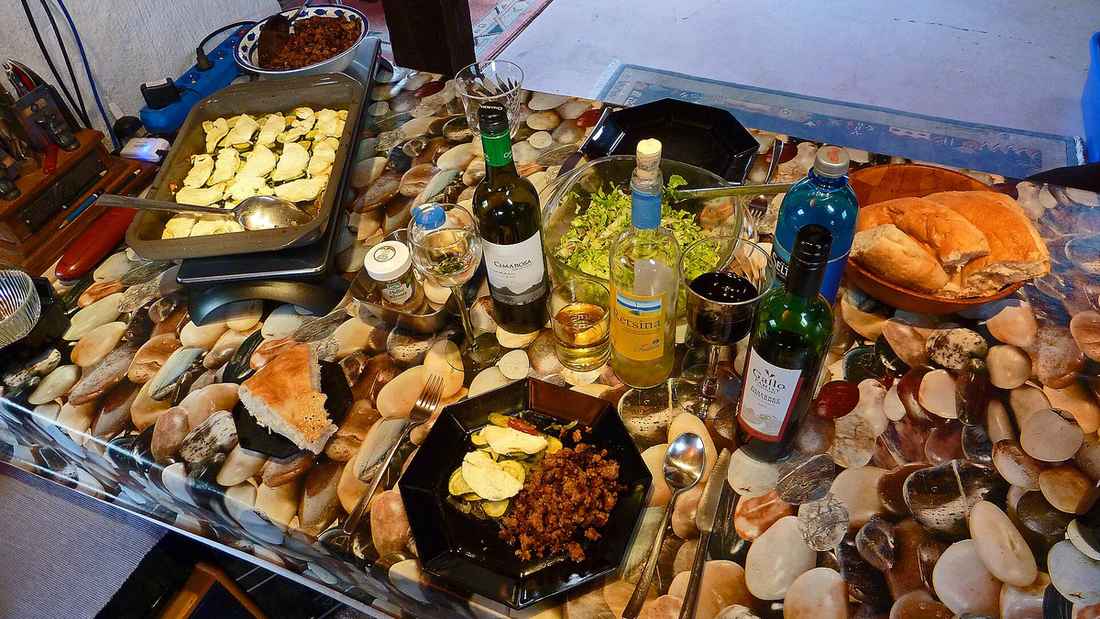
Naxos is the greenest of the Cyclades, a working island of grazing herds, terraced gardens and stone-walled potato fields. That fertile land makes it the strongest cooking-class destination in the archipelago, where the ingredients come from the farm behind the kitchen rather than a ferry crate. A hands-on workshop turns a meal into a lesson: you knead dough, grate local graviera and taste why Naxian produce carries such flavour. This guide walks through the farm-to-table classes, the dishes you cook, the village settings and the best months to join. Plan your class and the rest of your food itinerary with My Greece Tours.
A cooking class pairs naturally with the wider island, so read this alongside our Naxos travel guide before you fix your route. The workshops sit close to the villages, farms and beaches you will already be visiting, which keeps the day easy to plan. The sections below cover where classes happen, the recipes you master, the market and garden visits, the family-friendly formats, the drink pairings and the practical booking steps. Each answers a common question so you arrive ready to cook.
Where do cooking classes happen on Naxos?
Most classes run on family farms and in mountain villages such as Halki, Melanes and the Tragea valley, held in stone kitchens, courtyard gardens and olive groves rather than hotel demonstration rooms.
The heart of the island hosts the strongest workshops. Farms around the Tragea valley open their kitchens, surrounded by olive terraces, citrus trees and grazing goats that supply the day’s ingredients. Halki, the old commercial capital, anchors classes thanks to its neoclassical mansions, the kitron distillery and easy access to nearby producers. Hosts cook in courtyards shaded by vines, so the setting becomes part of the lesson. You watch cheese age in cool cellars and pull vegetables from beds a few steps away. The mountain village of Apeiranthos adds marble-paved lanes and a cooler climate that suits slow-cooked dishes. These inland spots reward the short drive from Chora with authentic kitchens.
Coastal alternatives exist for travellers staying near the port. Farms on the plain behind Agios Prokopios and Plaka run relaxed sessions within a short taxi ride of the beach hotels. The trade-off is scenery: the inland kitchens feel more rooted in the island’s farming tradition. Group sizes stay small, often six to ten guests, so you get hands-on time at the counter rather than a spectator seat. Browse the wider villages of Naxos to match a class to the area you plan to explore. Pairing a morning workshop with an afternoon walk through the same village makes the food feel connected to its place, which is the whole point of a farm-to-table lesson on Naxos.
What dishes do you learn to cook?
Classes teach the island staples: hand-rolled filo pies, Naxian graviera and myzithra cheese, slow-cooked goat and pork, potato dishes from the famous local crop, plus bright garden salads and preserved specialities.
Filo pastry sits at the centre of the workshops. You roll thin sheets by hand and fold them around cheese, greens or seasonal vegetables to make the pies that define Cycladic home cooking. Cheese work follows, since Naxos produces graviera, myzithra and the sharp arseniko that locals grate over everything. Hosts show how curds are pressed and aged, then hand you a wedge to taste at each stage. The island’s potatoes, grown in sandy coastal soil and prized across Greece, appear roasted with lemon or layered into a hearty bake. Learning these anchors gives you a repertoire you can repeat at home with supermarket substitutes, which makes the class useful long after the holiday ends.
Meat and vegetable courses round out the menu. Slow-cooked goat, kid or pork simmers in tomato and wine until it falls from the bone, a technique suited to the unhurried pace of a farm kitchen. Garden salads bring in tomatoes, cucumber, capers and wild greens picked that morning, dressed simply with local olive oil. Preserved items such as sun-dried tomatoes and spoon sweets often feature as a bonus lesson. For the full culinary picture beyond the class, read our guide to Naxos food and wine, which maps the tavernas and producers worth seeking out afterwards. Cooking these dishes yourself teaches the ratios and timings no restaurant meal can convey, and the flavours stay with you.
Do classes include a market or garden visit?
Most farm-to-table workshops start with a garden harvest or a market walk, so you gather herbs, vegetables and cheese before cooking, learning to pick and choose ingredients at their peak.
The garden visit sets the tone on farm-based classes. Hosts lead you through raised beds and orchards to cut herbs, pull onions and pick tomatoes still warm from the sun. You learn which varieties suit which dish and how ripeness changes cooking time. This foraging step turns abstract recipes into a chain you can follow from soil to plate. On some farms you also meet the goats and hens, seeing exactly where the milk and eggs originate. That transparency is the appeal of farm-to-table: nothing arrives in plastic, and the distance from harvest to hob is measured in minutes rather than days. The walk itself is gentle and doubles as a tour of how Naxian smallholdings work.
Village classes often swap the garden for a market or producer circuit. In Chora and larger settlements, hosts guide you past cheese cellars, bakeries and greengrocers, explaining prices, seasons and quality markers. You taste before you buy, comparing young and aged cheeses or different olive oils. This shopping lesson is practical, teaching you to navigate a Greek market with confidence. Building the visit into a broader day of sightseeing works well, so scan our list of things to do in Naxos to slot the class between a beach morning and an evening in town. The market walk grounds the cooking in the island’s real economy and calendar.
Are cooking classes suitable for families and beginners?
Yes. Farm workshops welcome children and first-time cooks, with simple tasks like rolling dough, shaping pies and picking vegetables that keep young hands busy and require no prior skill.
Families find Naxos classes especially rewarding. The farm setting gives children space to roam, animals to meet and hands-on jobs suited to their age, so the session feels like play rather than a lesson. Kids roll filo, crimp pie edges and press cheese into moulds while adults tackle the meat and sauces. Hosts pace the day around the group, pausing for snacks and shade so nobody flags before the meal. The shared table at the end rewards everyone with food they helped make. Parents value the mix of activity and education, and the outdoor kitchen keeps energy high without the confinement of an indoor course.
Few island activities engage children and adults equally, which makes these workshops a standout family outing.
Beginners are the norm rather than the exception. Hosts assume no knife skills and build each dish from clear, repeatable steps, correcting technique as you go. The small group size means personal attention, so questions get answered at the counter. You leave with printed recipes and the confidence to try them again. Solo travellers and couples blend easily into these relaxed sessions, often making friends over the shared meal. The unhurried farm rhythm suits people who want to learn without pressure. This accessibility, combined with genuine local knowledge, is why cooking classes rank among the most recommended experiences for first-time visitors to the island.
What drinks are paired, and when should you book?
Classes pair dishes with local Naxos wine and the island’s citrus liqueur kitron, tasted alongside the meal. Book from late spring through autumn, when gardens are productive and small farms run regular sessions.
Drink pairings complete the farm-to-table experience. Hosts pour Naxian wine made from island grapes, matching a crisp white to the cheese pies and a fuller red to the slow-cooked meat. The signature pour is kitron, a citrus liqueur distilled from the leaves of the local citron tree, served as a digestif at the end of the meal. You learn why it comes in three strengths and how families have made it for generations. Anyone keen to go deeper can add a dedicated wine tasting in Naxos on another day, visiting cellars that focus purely on the glass. The pairings turn the workshop into a rounded lesson in how Naxians eat and drink together at one table.
Timing shapes the quality of the class. Late April through October is the productive window, when gardens overflow and farms schedule sessions across the week. High summer brings the widest choice but also heat, so morning slots are wise in July and August. Spring and early autumn offer cooler kitchens, milder markets and lighter crowds, which cooks tend to prefer. Book at least a few days ahead in peak months, as small farms cap numbers and fill quickly. Reserve directly with the farm or through a trusted operator that confirms the menu and transport. Plan your visit and tours through our Naxos travel guide.
Frequently Asked Questions
How long does a Naxos cooking class last?
A typical Naxos cooking class runs three to five hours, long enough to cover a full multi-course menu without feeling rushed. The session usually opens with a garden harvest or market walk of thirty to forty-five minutes, followed by two to three hours of hands-on cooking at the counter. You then sit down to eat the dishes you prepared, a leisurely meal that stretches across an hour or more with wine and kitron. Half-day formats suit travellers balancing beach time and sightseeing, while some farms offer longer sessions that fold in cheese-making demonstrations or an olive-grove tour. The unhurried pace is deliberate, since slow-cooked island dishes reward patience and the shared table is central to the experience.
Morning classes finish in time for an afternoon swim, and evening sessions end with dinner as the light fades over the valley, making the timing flexible around the rest of your day.
How much does a cooking class in Naxos cost?
Prices for a Naxos cooking class generally fall between eighty and one hundred and forty euros per adult, with the exact figure depending on the menu length, the farm setting and whether transport is included. The fee covers the hands-on instruction, all ingredients from the garden and cheese cellar, the full meal you cook, and the wine and kitron pairings served alongside. Classes that add a market tour, a cheese-making segment or pick-up from your hotel sit at the higher end of that range. Children usually join at a reduced rate, and family bookings often attract a group discount, which makes the farm workshops good value for parents.
Small-group pricing reflects the personal attention and the quality of the produce, most of it grown or made on site. Booking directly with the farm can trim the cost compared with a resold package, though an operator adds the convenience of confirmed transport and a guaranteed English-speaking host.
What should you bring and wear to a farm cooking class?
Comfortable clothes you do not mind dusting with flour are the sensible choice for a Naxos farm class, along with closed shoes suited to a garden and a working kitchen. The farms sit on uneven ground with beds, animals and stone courtyards, so sturdy footwear beats sandals for the harvest walk. Bring a hat and sunscreen, since the garden portion runs outdoors under a strong Cycladic sun, and a light layer helps in the cooler mountain villages during spring and autumn. A camera or phone captures the produce and the finished dishes, and most hosts happily share their recipes so you need carry nothing to write on.
Come hungry, because the meal at the end is generous and designed to be the highlight. Tell the farm in advance about allergies or dietary needs, as small kitchens adapt menus readily when warned. Water is provided, but a refillable bottle is useful for the walk between garden and kitchen.