
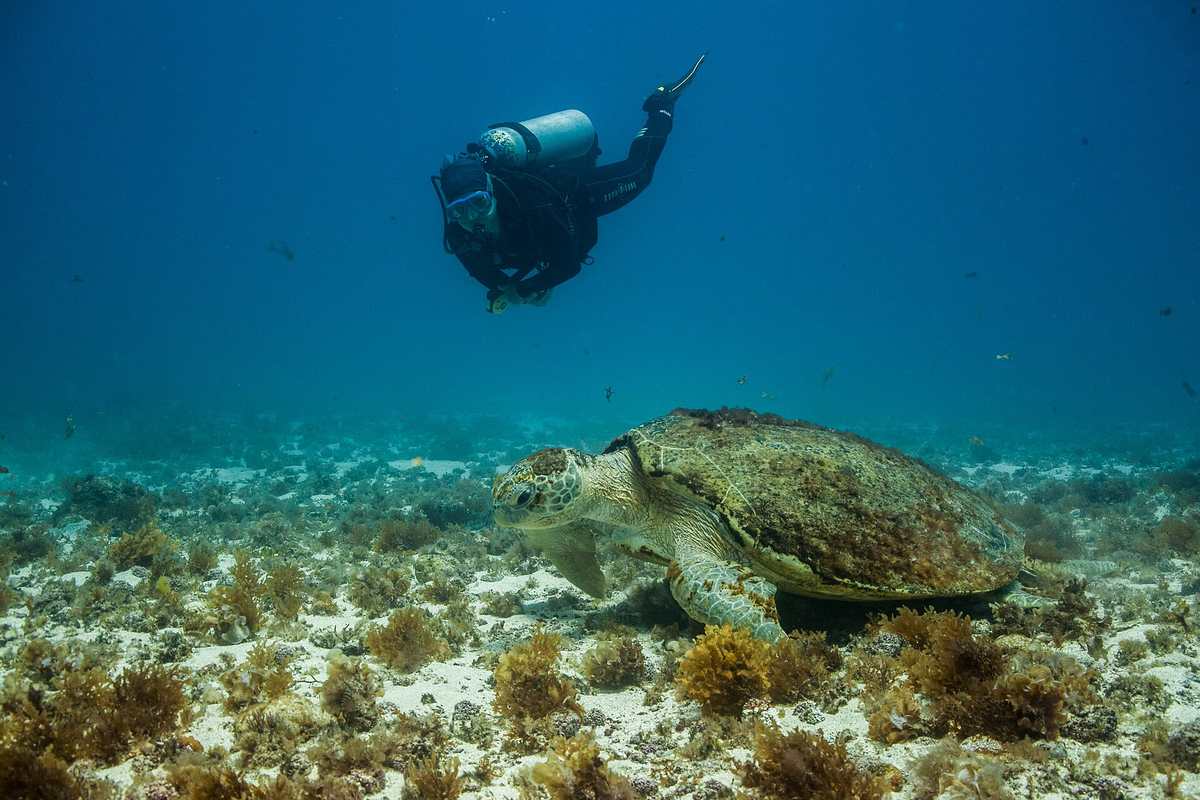
Naxos sits in the heart of the Cyclades, and its underwater world matches the beauty of its beaches. Divers here explore clear Aegean water with visibility reaching 30 metres, rocky reefs, swim-through caves, vertical walls and scattered relics from antiquity. Water temperature climbs to 25 degrees Celsius by August, making the island a comfortable base for beginners and certified divers alike. PADI dive centres run try-dives, Open Water courses and guided boat trips to sheltered bays on the south and west coasts. Snorkellers find shallow reefs teeming with bream and octopus a short swim from shore. Plan your diving days and shore transfers with My Greece Tours.
This guide walks you through everything you need before your first descent, pairing well with our full Naxos travel guide for accommodation, ferries and dining. The sections below cover what the diving is actually like, the best dive sites and sheltered bays, the PADI centres and courses on offer, the ideal season and conditions, and the snorkelling spots that welcome non-divers. Safety notes and a packing checklist round out the practical detail so you arrive ready.
What is scuba diving in Naxos actually like?
Diving in Naxos delivers clear Aegean water, rocky reefs, swim-through caves and vertical walls with visibility of 20 to 30 metres. Depths range from 6 to 40 metres, suiting beginners and technical divers on the same coast.
The Aegean around Naxos stays exceptionally clear because rivers and heavy sediment are absent. Divers descend along granite reefs draped in yellow sponges, purple gorgonians and dense seagrass meadows that shelter fish. Common sightings include octopus, moray eels, dusky grouper, damselfish and shoals of saddled bream. The seabed shifts from sandy plateaus at 8 metres to dramatic drop-offs plunging past 35 metres. Swim-through caves and rock arches add structure that photographers value. Naxos forms part of the Small Cyclades cluster, so boat trips reach neighbouring reefs within 30 minutes. Pair a dive day with the beaches of Naxos for easy shore access between dives on the sheltered western coast.
Relics from antiquity give Naxos diving a distinct character. Amphora fragments, ancient anchors and worked marble rest on several protected sites, guarded under Greek heritage law and viewed only with licensed guides. The marble link matters here: Naxos quarried stone for temples across the Cyclades, and pieces lost at sea remain on the bottom. Wall dives near Kalados Bay reveal walls dropping to 40 metres coated in cup coral. The terrain rewards buoyancy control, so guides match sites to certification level. Add underwater exploration to a wider itinerary of things to do in Naxos, from mountain villages to Venetian towers, for a balanced week on the island.
Which are the best dive sites and sheltered bays in Naxos?
The best Naxos dive sites cluster along the sheltered south and west coasts, including Kalados Bay, the Mikri Vigla reefs and the caves near Alyko. These spots offer walls, swim-throughs and calm entry points for guided dives.
Kalados Bay on the south coast ranks as the signature site, with a wall dropping from 12 to 40 metres and reliable grouper sightings. The reefs off Mikri Vigla combine rocky pinnacles with sandy channels at 10 to 18 metres, ideal for early Open Water dives. The headland shelters this stretch from the northerly meltemi wind, keeping the surface flat on most summer mornings. Dive centres run two-tank boat trips that reach three separate reefs in a single outing. Depths stay moderate, so no-decompression limits allow relaxed bottom times. Fish life concentrates around the pinnacle tops where current brings nutrients.
The caves and arches near Alyko beach form a second cluster, set beneath cedar dunes on the southwest tip. Overhead swim-throughs pierce the rock at 6 to 15 metres, lit by shafts of sunlight that photographers chase. Depths stay shallow, making this a favourite second dive after a deeper morning descent. Moutsouna on the east coast opens up when the wind swings, offering fresh reefs and clear water. Guides read the daily forecast and pick the leeward coast, so trips run in comfortable conditions across the season. This flexibility keeps Naxos diveable from May through October regardless of wind direction.
Where can I take a PADI course or dive centre trip in Naxos?
PADI dive centres operate from Agios Prokopios and Agia Anna on the west coast, offering try-dives, Open Water certification, Advanced courses and guided fun dives. Try-dives suit complete beginners aged 10 and up.
Two established PADI centres cluster along the sandy west-coast resorts, minutes from the main beaches. A Discover Scuba try-dive runs half a day: a briefing, confined-water practice in shallow sand, then one open-water dive to 12 metres with an instructor. No prior experience is required, and the minimum age is 10. Full PADI Open Water certification takes three to four days and covers five knowledge sections, five pool skills and four open-water dives. Certified divers join guided two-tank boat trips or shore dives. Booking a day ahead secures a place in high summer. Reach the west-coast centres easily from Naxos Town, a 15-minute drive north along the coast road.
Equipment rental is included in every course and guided package, covering regulator, buoyancy jacket, wetsuit, mask, fins and tank. Nitrox fills are available for certified divers who want longer bottom times. Centres cap group sizes at four divers per guide to keep dives personal and safe. Advanced Open Water, Rescue Diver and specialty courses such as Deep and Wreck run on request through the season. Families often combine a parent’s dive with a child’s try-dive on the same morning. The west coast also draws watersports crowds, so consider adding a session of windsurfing in Naxos at the same Mikri Vigla headland where the wind reliably blows.
When is the best season and what are diving conditions in Naxos?
The best diving season in Naxos runs from May to October, with water warming from 18 to 25 degrees Celsius. July and August bring the calmest mornings, though the afternoon meltemi wind can shorten trips.
Water temperature drives the calendar. May and June offer 18 to 21 degrees Celsius and the clearest water of the year, before summer crowds arrive. July and August peak at 24 to 25 degrees, warm enough for a 3mm shorty wetsuit on shallow dives. September and October hold 23 to 21 degrees and reward divers with the best fish activity as the season winds down. Visibility averages 20 metres and climbs past 30 on settled days. A 5mm wetsuit suits deeper or longer dives even in high summer, since temperature drops below the thermocline at 20 metres.
The meltemi, a dry northerly wind, defines summer conditions across the Cyclades. It blows hardest in July and August, kicking up chop on north and west-facing sites by early afternoon. Dive centres respond by scheduling boat departures for calm mornings and switching to leeward, sheltered bays when the wind rises. Spring and autumn bring lighter, more variable winds and flatter seas overall. Sea state, not temperature, dictates the daily plan. Booking a morning slot maximises your chance of glassy water and long visibility, so early risers consistently get the finest conditions the island offers.
Where can non-divers snorkel, and what safety gear should I bring?
Non-divers snorkel best at Agios Prokopios, Mikri Vigla and Alyko, where shallow reefs sit metres from shore. Bring a mask, snorkel, fins, rash vest, reef-safe sunscreen and water shoes for rocky entries.
Snorkelling in Naxos needs no boat or certification. The rocky fringes of Agios Prokopios and Agia Anna hold octopus, bream and colourful wrasse in water 1 to 4 metres deep. The reef edges off Mikri Vigla reward stronger swimmers with denser fish and small swim-throughs close to the surface. The cedar-backed coves near Alyko stay calm and clear, protected from the meltemi by the headland. Enter over sand where possible and follow the rock line outward. A floating tow buoy adds visibility to passing boats and a rest point for tiring swimmers. Children snorkel happily in the shallow sandy bays that dominate the southwest coast.
Safety starts with preparation. Never snorkel or dive alone, and always signal your entry point to your group before setting out. Pack a mask that seals cleanly, a snorkel, fins, a rash vest for sun and jellyfish, reef-safe sunscreen and water shoes for the sharp volcanic rock at some entries. Check the daily wind forecast, since the afternoon meltemi builds swell fast on exposed coasts. Divers should verify certification cards, keep a surface marker buoy handy and respect the no-decompression limits their computer sets. Allow 24 hours between your final dive and any flight home. Plan your visit and tours through our Naxos travel guide.
Frequently Asked Questions
Do I need a diving certification to dive in Naxos?
No certification is required to try scuba diving in Naxos. PADI dive centres offer Discover Scuba try-dives for complete beginners aged 10 and above, combining a shore briefing, shallow confined-water practice and one supervised open-water dive to 12 metres. An instructor stays within arm’s reach throughout. To dive independently and join deeper boat trips, you need a recognised certification such as PADI Open Water, which centres teach on the island across three to four days. The course covers theory, pool skills and four open-water dives before you receive your card. Certified divers simply present their qualification and a recent logbook to join guided fun dives.
Snorkelling needs no certification at all and welcomes swimmers of every age at the sheltered west-coast beaches.
How much does diving in Naxos cost?
Diving prices in Naxos vary by activity and centre, so confirm current rates directly when booking. A Discover Scuba try-dive typically covers a briefing, equipment rental and one guided open-water dive in a single half-day session. Full PADI Open Water certification spans three to four days and bundles theory, pool training, four dives, materials and the certification card. Certified divers pay per single dive or per two-tank boat trip, with equipment rental usually included in guided packages. Nitrox fills and multi-dive packs often reduce the per-dive rate. Snorkelling costs nothing beyond your own or rented gear, since the reefs sit metres from public beaches. Book a day ahead in July and August, when the west-coast centres fill quickly.
Rates always include tanks, weights and a professional guide or instructor.
Is diving in Naxos suitable for children and families?
Diving in Naxos suits families well, with clear shallow water and gentle sheltered bays across the west coast. The PADI Bubblemaker programme introduces children aged 8 and up to breathing underwater in shallow, supervised confined water no deeper than 2 metres. From age 10, kids join a Discover Scuba try-dive or begin the Junior Open Water course alongside a parent. Instructors keep group ratios small and match every dive to the youngest diver’s comfort. Non-diving family members snorkel over the same reefs, spotting octopus and bream in water 1 to 4 metres deep at Agios Prokopios and Agia Anna. The calm sandy beaches of the southwest coast give nervous first-timers a reassuring entry.
Booking a family morning lets parents and children experience the underwater world together, then share the same beach afternoon.