
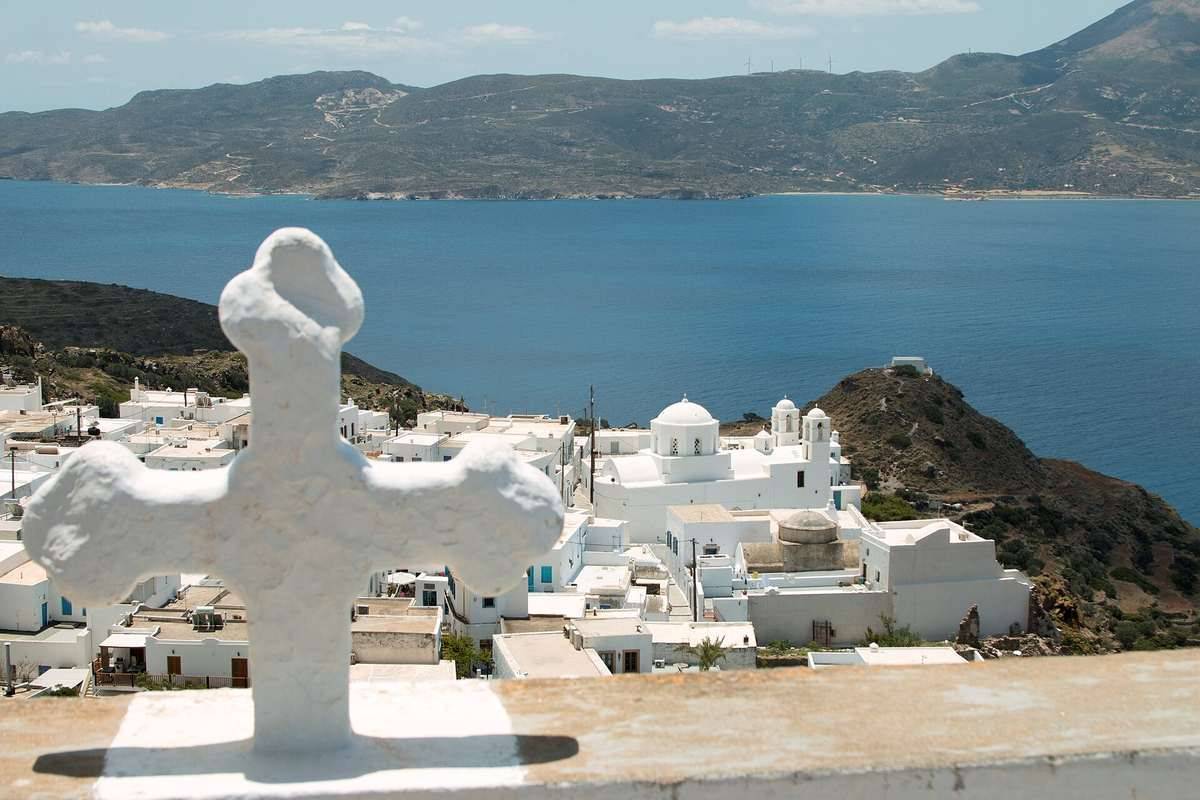
Milos travel tips cover when to go, how to get around, renting a car or ATV, the best beaches and boat trips, where to stay and what to budget. Plan tours and tickets through My Greece Tours.
Knowing a few essentials makes the most of the Milos travel guide. The sections below cover when to go, how to get around, the beaches and boat trips, where to stay and the budget.
When is the best time to visit Milos?
The best time to visit Milos is late spring to early autumn, from May to October. June and September offer warm seas, sunshine and thinner crowds, while July and August are hottest and busiest. The shoulder months balance weather and value.
Milos shines through the warm season. The window runs from late spring to early autumn. Sunshine and warm seas define it. The island sleeps in deep winter.
The shoulder months win on balance. June and September bring warm water and sun. The crowds stay thinner than midsummer. Prices ease either side of the peak.
High summer is hottest and busiest. July and August draw the largest crowds. The beaches and ferries fill up. Booking ahead becomes essential then.
The wind shapes any visit. The meltemi can blow hard in summer. It steers you to sheltered beaches on the day. Our guide to Milos weather covers the seasons. The next section covers getting around.
The season sets the tone for a Milos trip. The island wakes from late spring through early autumn. Warm seas and long sun define the window. Early summer brings heat with thinner crowds. Late summer holds the warmest water of the year. Early autumn keeps the sea warm as prices ease. Midsummer draws the largest crowds and the top rates. The meltemi wind can blow hard across the season. It steers swimmers toward sheltered beaches on the day. Checking the forecast guides each outing, and a flexible plan lets travellers chase the calmest coast whatever the wind does.
How do you get around Milos?
The best way to get around Milos is by renting a car, ATV or scooter, as the island is large and the best beaches are spread out. A local bus links the main towns and beaches, while boat trips reach the coves by sea.
A rental gives the most freedom. A car, ATV or scooter reaches the scattered beaches. The island is large and spread out. Many coves sit at the end of dirt tracks.
The bus covers the main routes. It links Adamas with Plaka, Pollonia and the popular beaches. The service is cheap and handy. It suits a budget or car-free trip.
Some beaches need a boat. Kleftiko and the western coves have no road. A boat trip reaches them by sea. The cruise is a highlight in itself.
The terrain shapes the choice. A car handles the rough roads best. An ATV adds fun on the tracks. Compare the options in our guide to Milos ATV rental. The next section covers the beaches.
Wheels unlock the spread-out beaches of Milos. A car, quad or scooter reaches the scattered coves. The island runs large with sights far apart. Plaka bars cars from its narrow upper lanes. The local bus links Adamas, Plaka and Pollonia. It serves the popular beaches cheaply through summer. A boat trip covers the coves with no road. Kleftiko and the western shore open only from the sea. The mix of bus, rental and boat suits most trips. Choosing the right wheels for the terrain matters, and a rental gives the freedom to follow the wind to the calmest beach.
What should you know about the beaches and boat trips?
Milos has over 70 beaches, from the lunar Sarakiniko to the coloured cliffs of Paleochori and Firiplaka. A boat trip is essential to reach Kleftiko and the western coves. Pack water shoes, shade and supplies, as many beaches have no facilities.
The beaches are the main draw. More than 70 coves ring the coast. They range from white moonscapes to coloured cliffs. Each beach has its own character.
A boat trip is essential. Kleftiko and the western coves have no road. A full-day cruise reaches them by sea. The sea caves and clear water amaze.
Many beaches lack facilities. There is often no shade, food or water. Packing supplies and an umbrella pays off. Water shoes help on the pebbly shores.
The wind decides the day. A sheltered beach beats an exposed one in a gale. Checking the forecast guides the choice. The famous Kleftiko sea caves crown a boat trip. The next section covers where to stay.
The beaches reward a little preparation on Milos. The island counts more than 70 coves in total. They range from white moonscapes to coloured cliffs. A boat trip is the key to the western coast. Kleftiko’s sea caves crown the full-day cruises. Water shoes guard feet on the pebbly, rocky shores. Shade and water matter where beaches lack services. The wind decides which coast stays calm each day. A sheltered cove beats an exposed one in a gale. Packing supplies and checking the forecast turns a beach day smooth, and it lets travellers make the most of the varied coast.
Where should you stay on Milos?
The best base on Milos is Adamas, the port, central and full of tavernas, rooms and rentals. Pollonia suits a quieter, stylish stay near good beaches, while Plaka and Trypiti charm with hilltop views. Book early for the summer peak.
Adamas is the natural base. The port sits central to the whole island. Tavernas, rooms and rentals line the bay. The ferries and the bus start here.
Pollonia offers a quieter stay. The northern fishing village charms with style. Good beaches and tavernas sit close. It suits couples and calm seekers.
The hilltop villages reward a stay. Plaka and Trypiti hold sweeping views. Sunsets crown the evenings there. The traditional lanes add charm.
Booking early matters in summer. The best rooms fill fast in July and August. Reserving ahead secures the choice spots. Our guide to where to stay in Milos compares the bases. The next section covers the budget.
The base sets the rhythm of a Milos holiday. Adamas, the port, sits central to the whole island. Tavernas, rooms and rentals gather around its bay. The ferries and the island bus start from here. Pollonia offers a quieter, stylish stay up north. Good beaches and tavernas sit within easy reach. Plaka and Trypiti crown the hills with sweeping views. Their lanes and sunsets reward an evening stroll. Booking early secures the best rooms in summer. Matching the base to your pace pays off, and each town gives a different angle on the island’s beaches, food and views.
Booking ahead matters more than on larger islands. Milos holds a modest stock of rooms and villas. The best places fill early for the summer peak. Adamas offers the widest choice near the port. Pollonia books out fast for its stylish stays. The hilltop villages hold a handful of characterful rooms. Reserving in winter or early spring secures the pick. A flexible date widens the options and trims the cost. The shoulder season eases both rates and availability. Locking in a base early removes the main stress from planning a Milos trip and frees the rest for the beaches.
What should you budget for Milos?
Milos sits mid-range for the Cyclades, pricier than Naxos but cheaper than Mykonos or Santorini. Budget for a rental, a boat trip, tavernas and rooms. Travelling in the shoulder months and self-catering keeps costs down on the island.
Milos sits in the middle on price. It costs more than Naxos or Serifos. It costs less than Mykonos or Santorini. The value is fair for the Cyclades.
The big costs are clear. A rental, a boat trip and rooms lead the budget. Tavernas and ferries add to it. Planning these ahead helps the wallet.
The season swings the cost. The shoulder months cut room prices sharply. Self-catering trims the food bill. A car-free trip saves on rental.
Smart planning keeps it affordable. Booking early locks in better rates. Mixing free beaches with paid trips balances the spend. Our guide to the Milos budget breaks down the costs in full.
Costs on Milos land in the mid-range for the Cyclades. The island runs pricier than Naxos or Serifos. It stays cheaper than Mykonos or Santorini. A rental, a boat trip and rooms lead the budget. Tavernas and ferries add to the running total. The shoulder season cuts room rates sharply. Self-catering trims the daily food bill. A car-free trip leans on the cheap island bus. Booking early locks in better rates across the board. Mixing free beaches with one paid boat trip balances the spend, and careful planning keeps a Milos holiday affordable without cutting the highlights.
Small habits keep a Milos budget under control. A picnic from the Adamas bakery beats a beach taverna. A refillable bottle cuts the cost of water in the heat. The island bus replaces a rental on quieter days. One full-day boat trip covers the must-see western coast. Free beaches fill the rest of the itinerary cheaply. Cooking a meal or two trims the dining bill. Booking ferries early avoids the last-minute premium. These simple choices add up over a week on the island, leaving more room in the budget for the outings that matter most.
What are the best beaches to visit on Milos?
The best beaches on Milos are Sarakiniko for its white volcanic rock, Firiplaka and Tsigrado for coloured cliffs, Paleochori for warm sand and Kleftiko for sea caves reached by boat. Each beach rewards an early start before the midday crowds arrive.
Sarakiniko leads the list of Milos beaches. Wind and sea have carved the white pumice into a lunar shore. The bright rock glows under the summer sun. Divers leap from its low ledges into deep water.
Firiplaka and Tsigrado show off the coloured cliffs. Red, orange and grey bands streak the tall rock walls. Firiplaka spreads wide and sandy below the cliffs. Tsigrado hides behind a rope-and-ladder scramble down a gully.
Paleochori warms the southern coast with volcanic heat. Geothermal steam warms the sand and the shallows. Two tavernas cook food in the hot ground below. The red and ochre cliffs frame the long beach.
Kleftiko caps the beaches from the water. The white sea stacks and caves sit off the roadless southwest. A boat trip threads the arches and swims the coves. Our guide to Sarakiniko beach maps the standout shore in detail. The next section covers where to eat.
The beaches of Milos number more than seventy in total. Sarakiniko draws the crowds for its white moonscape. Firiplaka and Tsigrado stack colour into their cliffs. Paleochori warms its sand with volcanic heat below. Kleftiko crowns a boat trip along the roadless coast. Firopotamos and Mandrakia tuck boat houses into fishing coves. An early arrival beats the midday buses to the popular shores. Water shoes guard feet on the pebbly, rocky beaches. Packing shade and water matters where a beach lacks a taverna, and the wind decides which coast stays calm each day.
Where should you eat on Milos?
The best places to eat on Milos are the harbour tavernas of Pollonia and Klima for fresh fish, Medusa at Mandrakia for seafood over the water, and the bakeries of Adamas and Plaka for pitarakia and gyros. Book a sunset table ahead in summer.
Pollonia plates the freshest catch on the island. The northern fishing village lines its bay with tavernas. Boats land the day’s fish at the quay each morning. A seaside table there rewards a long, slow dinner.
Mandrakia and Klima cook over the water. Medusa at Mandrakia serves seafood beside the boat houses. Klima’s tavernas sit among the painted syrmata sheds. The sunset paints both villages in warm orange light.
The bakeries feed the beach days cheaply. Pitarakia cheese pies and a hot gyros travel well. The Artemis bakery in Adamas opens early each day. A picnic from the counter beats a taverna bill.
Plaka rewards a wander before dinner. The hilltop lanes hide cafes with a wide sea view. A drink there catches the island’s best sunset. Compare the tables in our guide to where to eat in Milos. The next section covers the villages.
Dining on Milos runs from fresh fish to a quick bakery snack. Pollonia lines its bay with seaside fish tavernas. Klima and Mandrakia cook the catch beside the boat houses. Medusa at Mandrakia plates seafood over the water. The Adamas bakeries turn out pitarakia and hot gyros. Plaka hides cafes with the widest sunset view. A harbour table books out fast on summer evenings. Reserving a sunset spot ahead secures the best seat. The village tavernas cost more than the port canteens, and a bakery picnic keeps a beach lunch cheap and simple.
Which villages should you explore on Milos?
The villages to explore on Milos are Plaka for sunset and the castle, Klima and Mandrakia for painted boat houses, Trypiti for the catacombs and Pollonia for a stylish seaside base. Each village rewards a walk through its narrow, whitewashed lanes.
Plaka crowns the island as its old capital. The whitewashed lanes climb to a ruined Venetian castle. The view from the top sweeps the whole west coast. The sunset there draws a crowd every clear evening.
Klima and Mandrakia paint colour along the water. Fishermen store boats in syrmata sheds cut into the rock. Bright doors in red, blue and green line the shore. The painted houses make the two prettiest villages on Milos.
Trypiti sits just above Klima on the hillside. Early Christian catacombs run beneath the village. The Roman theatre and the Venus de Milo find lie close by. The windmills on the ridge catch the afternoon breeze.
Pollonia anchors the quieter north of the island. The seaside village mixes tavernas with stylish rooms. The ferry to Kimolos leaves from its small harbour. Plan a hop with our guide to the Kimolos day trip from Milos. The next section covers the budget.
The villages of Milos each carry a distinct character. Plaka climbs to a castle and the island’s finest sunset. Klima and Mandrakia line the shore with painted boat houses. Trypiti guards catacombs and a Roman theatre on its slope. Pollonia offers a stylish, quieter base in the north. Adamas keeps the port busy with ferries and tavernas. A walk through the whitewashed lanes rewards a slow hour. The hilltop villages cool down on a summer evening breeze, and a short drive links them all across the compact island.
A little planning turns a Milos trip smooth and rewarding. The shoulder season balances warm seas with fair prices. A rental unlocks the island’s scattered, dramatic beaches. A boat trip is the key to Kleftiko and the west. Adamas makes the most central and flexible base. Water shoes, shade and supplies ease the beach days. The meltemi wind shapes which coast stays calm. A mid-range budget covers rooms, rentals and outings. Booking ferries and rooms early secures the best of each. With the essentials in hand, travellers can focus on the colour, caves and calm that define the island.
Frequently Asked Questions
Do you need a car on Milos?
A car is highly recommended on Milos, though not strictly essential. The island is large and its best beaches are spread out, often at the end of dirt tracks, so a rental car, ATV or scooter gives the freedom to reach them at your own pace. A local bus links Adamas with Plaka, Pollonia and the popular beaches for a cheaper, car-free option, and a boat trip covers the coves with no road. For a short stay near one base, you can manage without, but most visitors rent wheels.
How many days do you need on Milos?
Most travellers find four to five days ideal for Milos, enough to take a full-day boat trip to Kleftiko, explore the colourful beaches, wander the villages of Plaka and Klima, and still relax. A shorter two or three-day visit covers the highlights but feels rushed given how spread out the beaches are. A week suits those who want to slow down, add a day trip to Kimolos, and discover the quieter coves. The more days you have, the more of the 70-plus beaches you can reach.
Is Milos expensive to visit?
Milos sits mid-range for the Cyclades, more expensive than islands like Naxos or Serifos but noticeably cheaper than Mykonos or Santorini. The main costs are a rental, a boat trip, rooms and tavernas. Travelling in the shoulder months of May, June, September or October cuts room prices, while self-catering and mixing free beaches with a single paid boat trip keep the budget in check. Booking accommodation and ferries early also secures better rates for the busy summer season.
Where is the best place to stay on Milos?
Adamas makes the best base for a first visit to Milos. The port sits central to the whole island, the ferries and the bus start from its bay, and tavernas, rooms and rentals line the waterfront. Pollonia suits travellers who want a quieter, more stylish seaside stay near good beaches and the Kimolos ferry. Plaka and Trypiti reward anyone chasing hilltop views and sunsets, though their narrow lanes bar cars. Matching the base to your pace keeps the rest of the trip simple, and a rental car links every village within a short drive.
How do you get to Milos?
Milos connects to Athens by ferry from the port of Piraeus and by a short flight to the island airport. A high-speed ferry crosses in around three hours, while a slower conventional boat takes closer to seven and costs less. The flight from Athens lasts around forty minutes and suits travellers short on time. Milos also links by boat to Santorini, Naxos, Paros, Sifnos and neighbouring Kimolos, which makes island-hopping easy. Booking the ferry early secures a seat and a lower fare through the busy summer months.
What should you pack for a Milos beach day?
A Milos beach day calls for water shoes, plenty of shade and your own supplies. Many of the island’s beaches sit below crumbling volcanic cliffs with no taverna, no sunbeds and no natural shade, so an umbrella, a hat and a full water bottle matter. Water shoes protect feet on the pebbly and rocky shores, and a dry bag guards a phone on a boat trip. Reef-safe sunscreen, a snorkel mask and snacks from an Adamas bakery round out the kit for a long day on the coast.