
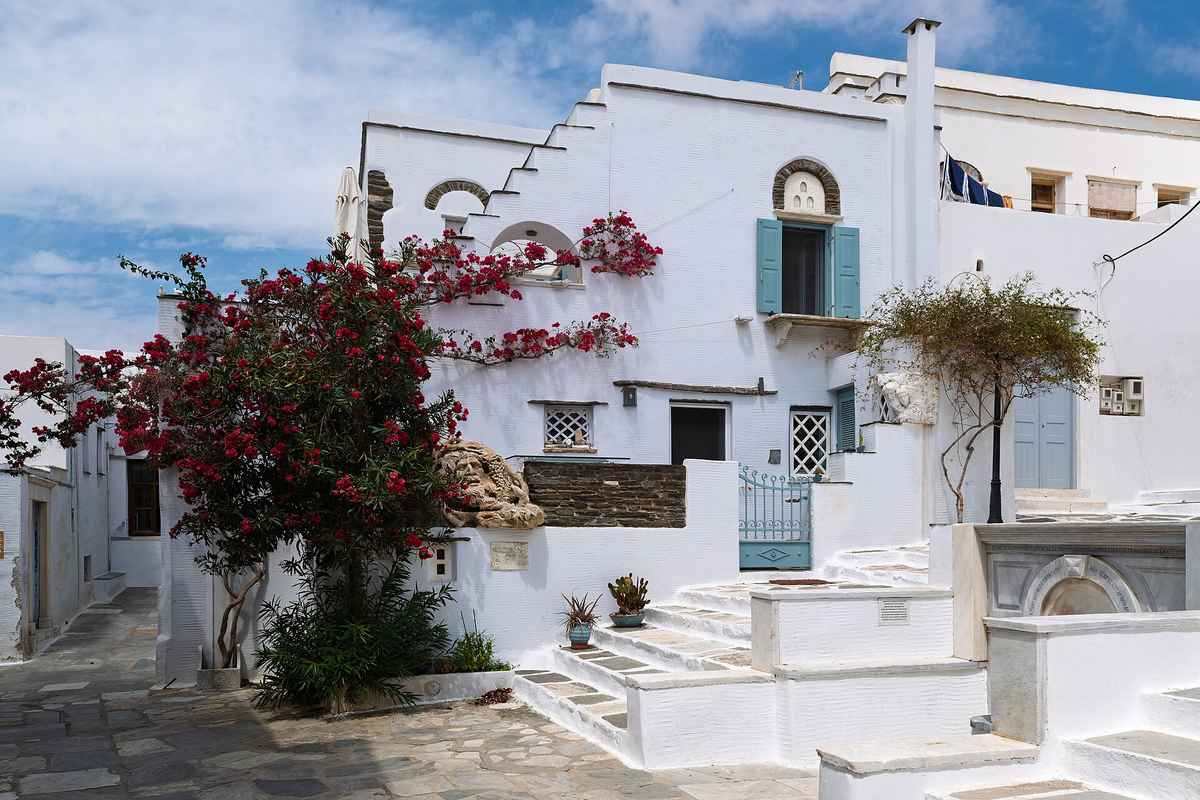
Milos vs Tinos pits a volcanic island of colourful beaches and sea caves against a sacred island of pilgrimage, marble villages and art. Plan island tours and tickets through My Greece Tours.
Choosing between the two is a common question in the Milos travel guide. The sections below compare the beaches, the religion and culture, the villages and which island suits you best.
Milos vs Tinos: which island is better?
Milos is the volcanic beach island, while Tinos is the sacred, cultural one. Choose Milos for colourful beaches, sea caves and dramatic scenery, or Tinos for its famous pilgrimage, marble villages, art and authentic Cycladic character.
The two islands suit very different travellers. Milos offers dramatic beaches and scenery. Tinos offers religion, art and tradition. Each delivers a distinct kind of holiday.
Milos is the beach and scenery choice. The volcanic coast gives colourful beaches and sea caves. Boat trips explore the hidden coves. It rewards beach lovers and explorers.
Tinos is the sacred and cultural choice. The island holds a famous pilgrimage church. Marble villages, dovecotes and art define it. It suits travellers after faith and tradition.
The decision comes down to your priorities. Pick Milos for dramatic beaches and scenery. Pick Tinos for pilgrimage, art and villages. The sections below compare each side across the things to do in Milos. The next section covers the beaches.
The two islands sit far apart in the Cyclades. Milos anchors the southwest near Kimolos and Folegandros. Tinos lies north beside Mykonos and Andros. The distance shapes how each fits an island-hopping route. Milos pairs with the western Cyclades ferry line. Tinos pairs with Mykonos, Syros and the northern group. Travellers rarely visit both on a single short trip. Each island instead anchors its own itinerary. Milos draws beach lovers and boat-trip seekers. Tinos draws pilgrims, food lovers and village walkers. The contrast runs deep, and the right pick follows the kind of Greek holiday a traveller has in mind.
Which has better beaches, Milos or Tinos?
Milos has the more dramatic beaches, known as the Island of Colours, with red, grey, beige and snow-white shores and sea caves. Tinos has lovely golden sandy beaches like Livadia, Kolimbithra and Agios Sostis, gentler and family-friendly.
Milos wins on colour and drama. The varied volcanic coast earns the name Island of Colours. Beaches glow red, grey, beige and snow-white. Sarakiniko and the sea caves amaze.
The signature beaches are unique. Sarakiniko offers a lunar white landscape. Firiplaka and Paleochori streak the cliffs with colour. Tsigrado and Kleftiko hide down ladders or behind the sea.
Tinos keeps it golden and gentle. Livadia and Kolimbithra draw relaxed swimmers. Agios Sostis suits families with calm water. The sandy beaches are simpler than the Milos coves.
The choice depends on your taste. Milos rewards dramatic scenery and boat trips. Tinos suits easy, golden beach days. The moonscape of Sarakiniko beach shows the Milos style. The next section covers the religion and culture.
Beaches tell the clearest difference between the islands. Milos earns the name Island of Colours for its coast. Red, grey and snow-white shores ring the volcanic land. Sea caves and the lunar Sarakiniko crown the list. Boat trips reach the finest, road-free coves. Tinos keeps its beaches golden, sandy and gentle. Kolimbithra, Agios Sostis and Livadia suit calm swims. The bays favour families and easy beach days. Milos rewards drama, variety and a sense of discovery. Tinos rewards relaxed sand without the volcanic spectacle. The split is stark, and it often decides the island for travellers chasing a particular shoreline.
How do the religion and culture compare?
Tinos is a major Orthodox pilgrimage island, drawing thousands to the church of Panagia Evangelistria and its miraculous icon, with both Orthodox and Catholic communities and a strong art tradition. Milos has a quieter heritage of mining, the Venus de Milo and local festivals.
Tinos is a sacred island. The church of Panagia Evangelistria draws thousands of pilgrims. The miraculous icon of the Virgin Mary is its heart. Orthodox and Catholic communities live side by side.
The island is known for art. Tinos has long produced sculptors and painters. Marble carving runs through its villages. The artistic tradition shapes its character.
Milos holds a quieter heritage. Its mining history runs from obsidian to modern minerals. The famous Venus de Milo came from the island. Local festivals fill the summer calendar.
The two cultures differ deeply. Tinos centres on pilgrimage and art. Milos centres on geology, history and the sea. Our guide to Milos history tells its story. The next section covers the villages.
Culture sets the islands even further apart. Tinos ranks among the holiest places in Greece. The church of Panagia Evangelistria draws pilgrims year-round. Its miraculous icon anchors a major Orthodox feast. Marble carving runs deep through the island’s villages. Sculptors and painters have shaped its long art tradition. Milos carries a quieter, earthier heritage instead. Mining, obsidian and the Venus de Milo tell its story. Local festivals fill its summer calendar with music. Tinos centres on faith, marble and art. Milos centres on geology, the sea and ancient trade, and the two cultures reward very different kinds of curiosity.
How do the villages and food compare on Milos and Tinos?
Tinos has dozens of pretty marble villages, dovecotes and a renowned food scene. Milos has charming fishing villages like Plaka, Klima and Pollonia, with fresh seafood and local pies, but fewer inland villages than Tinos.
Tinos is rich in villages. Dozens of marble villages dot the hills. Ornate dovecotes mark the countryside. The villages reward days of slow exploring.
The island has a renowned table. Tinos draws food lovers from across Greece. Local cheese, charcuterie and produce shine. The food scene runs deep.
Milos charms with fishing villages. The hilltop Plaka and colourful Klima delight visitors. Pollonia leads on seafood by the harbour. The coastal villages are the draw.
The food differs in style. Milos leans into fresh seafood and local pies. Tinos offers a deeper, varied cuisine. The Milos food scene focuses on the catch. The next section covers the verdict.
Villages and food deepen the contrast on each island. Tinos counts dozens of marble villages across its hills. Ornate dovecotes dot the terraced countryside. A renowned food scene draws chefs from Athens. Local cheese, charcuterie and produce fill its tables. Milos charms with coastal fishing villages instead. Plaka crowns a hill, and Klima lines the water. Pollonia leads the island on fresh seafood. The Milos table leans into the daily catch and pies. Tinos offers a deeper, more varied cuisine inland. The food and villages reward slow travel on both, though each serves a distinct flavour of the Cyclades.
Architecture sets a distinct tone on each island. Milos shows its character at colourful Klima. Fishermen’s syrmata houses line the water with bright doors. Plaka crowns the hill in classic Cycladic white. Tinos wears its identity in carved marble. Ornate fanlights and dovecotes decorate its villages. Pyrgos centres the island’s marble-working tradition. Each island reveals its history through its buildings. Milos leans on its fishing and mining past. Tinos leans on faith, marble and rural craft. The built landscape, as much as the beaches, marks the two apart, and it rewards travellers who slow down to read each village.
Should you choose Milos or Tinos?
Choose Milos for dramatic volcanic beaches, sea caves and scenery. Choose Tinos for its famous pilgrimage, marble villages, art and food. The two sit in different parts of the Cyclades, so most travellers pick one as a focus.
Pick Milos for beaches and scenery. The volcanic coves and sea caves are unmatched. The dramatic landscapes draw beach lovers. It suits a scenic, active trip.
Pick Tinos for faith and culture. The pilgrimage, villages and art define it. The food and tradition reward a slow visit. It suits a cultural, authentic trip.
The two sit far apart in the Cyclades. Milos lies in the southwest of the group. Tinos sits in the north, near Mykonos. They do not pair as easily as closer islands.
Most travellers choose one as a focus. Milos pairs with the western Cyclades. Tinos pairs with Mykonos and Syros. Compare the wider Milos vs Mykonos guide to plan your route.
Geography keeps the two islands on separate routes. Milos sits low in the southwest Cyclades. Tinos rides high in the north near Mykonos. The gap makes a combined trip awkward to plan. Most travellers pick one island as a focus. Milos suits a western Cyclades loop with Sifnos. Tinos suits a northern loop with Syros and Mykonos. The ferry lines rarely join the two directly. The choice, then, follows the trip’s centre of gravity. Beach and boat-trip travellers lean toward Milos. Faith, food and village travellers lean toward Tinos, and each island anchors a fuller itinerary on its own side.
Access shapes how travellers reach each island. Milos has a small airport with summer flights from Athens. Ferries run the western Cyclades line from Piraeus. Tinos relies on ferries from Rafina and the north. Mykonos sits a short hop away by boat. Neither island shares a quick link with the other. The routes pull travellers in opposite directions. A western loop favours Milos and its neighbours. A northern loop favours Tinos beside Mykonos. The practical reality of the ferries reinforces the choice, steering most visitors to build a trip around one island rather than both.
The verdict rests on what a traveller wants most. Milos delivers volcanic beaches, caves and dramatic scenery. Tinos delivers pilgrimage, marble villages and a deep food culture. The islands sit far apart across the Cyclades. They rarely share a single, short itinerary. Beach lovers and explorers find their match on Milos. Culture and food lovers find theirs on Tinos. Each rewards a focused trip rather than a rushed pairing. The contrast is among the sharpest in the island group. Choosing well means matching the island to your interests, and both reward travellers who lean fully into what each does best.
Frequently Asked Questions
Is Milos or Tinos better?
Milos is the volcanic beach island, while Tinos is the sacred, cultural one. Choose Milos for its colourful volcanic beaches, sea caves and dramatic scenery, ideal for beach lovers and explorers. Choose Tinos for its famous Orthodox pilgrimage to the church of Panagia Evangelistria, its marble villages, dovecotes, art tradition and renowned food. Milos wins on dramatic beaches and scenery, while Tinos wins on religion, culture and villages, so the right choice depends on your priorities.
Which has better beaches, Milos or Tinos?
Milos has the more dramatic beaches, known as the Island of Colours, with red, grey, beige and snow-white shores, sea caves and the lunar Sarakiniko, many reached only by boat. Tinos has lovely golden sandy beaches such as Livadia, Kolimbithra and Agios Sostis that are gentler and more family-friendly. Milos wins on dramatic, varied scenery, while Tinos suits relaxed, sandy beach days, so the choice comes down to volcanic spectacle versus classic sand.
What is Tinos known for compared to Milos?
Tinos is known above all as a major Orthodox pilgrimage island, drawing thousands every year to the church of Panagia Evangelistria and its miraculous icon of the Virgin Mary. It is also famous for its marble villages, ornate dovecotes, a strong tradition of sculptors and painters, and a renowned food scene. Milos, by contrast, is known for its volcanic geology, colourful beaches, the Venus de Milo and its mining history, with a quieter, beach-focused character.