
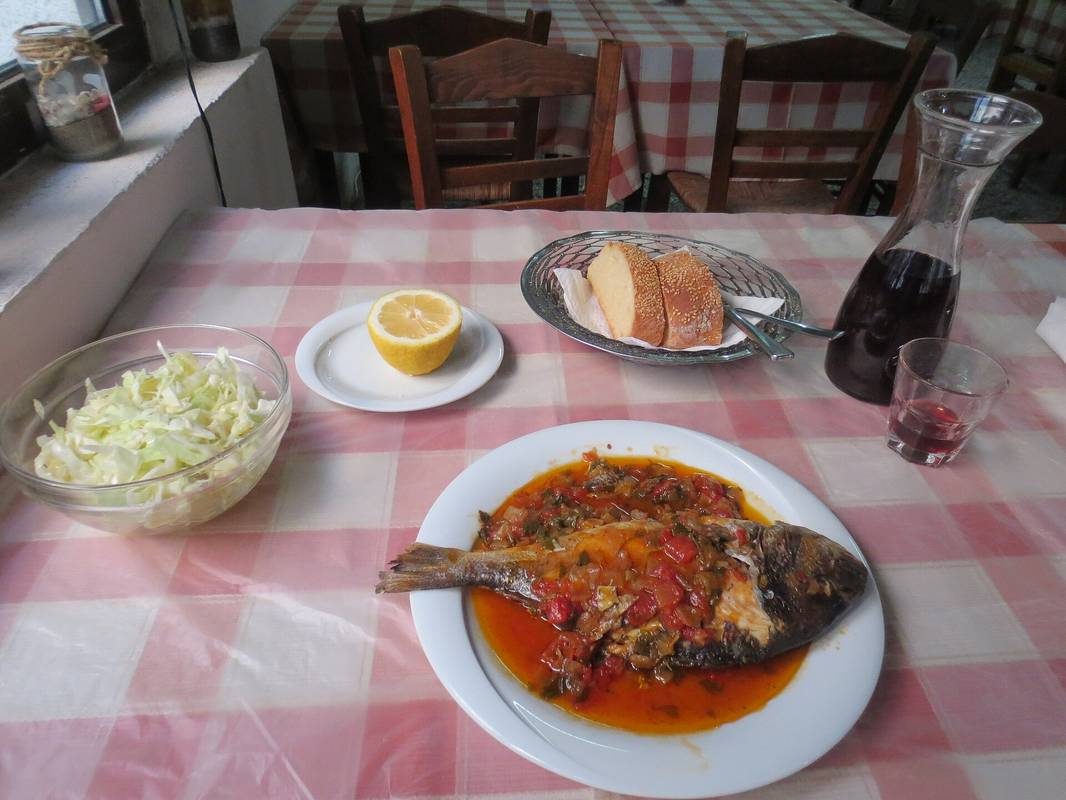
The best seafood in Athens is found in the fish tavernas of Piraeus and the coastal suburbs, from Michelin-starred dining rooms to bare-bones fried-fish shops. Plan a fish feast alongside skip-the-line sightseeing tickets and tours from My Greece Tours.
Fresh fish is a highlight of the Athens travel guide. The sections below cover where to find the best seafood, the top restaurants in Piraeus, the classic dishes, how the Greeks eat fish, the coastal neighbourhoods worth the trip, what a fish meal costs, and tips for ordering and pricing.
Where do you find the best seafood in Athens?
The best seafood in Athens is concentrated in the port of Piraeus, home to the city’s fish market and daily auction, and along the coastal Athens Riviera. The harbours of Mikrolimano and Piraiki are lined with fish tavernas serving the fresh daily catch.
The finest seafood in Athens sits by the sea, and above all in Piraeus, the great port just southwest of the city. Piraeus holds the central fish auction and a busy fish market, so the catch lands here daily. Several of Greece’s most renowned seafood restaurants sit quietly around its harbours.
The picturesque yacht harbour of Mikrolimano and the rocky seafront of Piraiki are both lined with fish tavernas. These range from white-tablecloth restaurants to humble, bustling fry shops, all trading on the freshness of the day’s catch. Athenians think nothing of crossing the city for a fish lunch by the water in Piraeus.
The coastal Riviera suburbs further south, such as Glyfada and Vouliagmeni, also serve excellent seafood with a sea view. The central districts offer good options too. For the real thing, though, the locals point you toward the port.
What are the top seafood restaurants in Piraeus?
The top seafood restaurants in Piraeus range from fine dining to local institutions. Varoulko Seaside is the Michelin-starred flagship of chef Lefteris Lazarou in Mikrolimano. Dourabeis and Kollias are respected classics, and Margaro is a no-frills fried-fish favourite.
Piraeus holds a remarkable concentration of celebrated fish restaurants. At the top sits Varoulko Seaside, the flagship of chef Lefteris Lazarou, who won Greece’s very first Michelin star for his seafood cooking. Right on the water in Mikrolimano harbour, his kitchen does inventive, refined things with octopus, sea urchin and even humble sardines, best experienced through the tasting menu.
Dourabeis has been a Piraeus star for over eighty years. It is a smart yet unstuffy fish restaurant where discerning locals take visitors to impress them over a refined lunch or dinner. Kollias, just steps from the fish market, trades on sheer freshness, the catch travelling from market to kitchen in minutes for simple preparations like grilled whole fish, steamed mussels and octopus in vinegar.
Margaro near the harbour sits at the unpretentious end. It is a bare-bones fried-fish shop that has packed in locals for decades, proof that great seafood need not be fancy. Other gems like Yperokeanio on the Piraiki seafront reward those who venture off the beaten track.
What seafood dishes should you try?
Classic Greek seafood dishes to try in Athens include grilled whole fish such as sea bream and sea bass, grilled octopus, fried calamari, and small fish like red mullet. Add taramosalata, mussels, sea urchin, shrimp saganaki and fish soup (kakavia) for a full spread.
Greek seafood cooking is built on freshness and simplicity rather than elaborate sauces, so the dishes let the quality of the catch speak. The centrepiece of a fish meal is usually a whole grilled fish, sea bream or sea bass being favourites, scaled, grilled over charcoal and dressed with nothing more than good olive oil, lemon and a little oregano.
Around it you order a spread of seafood mezze to share: tender grilled or marinated octopus, crisp fried calamari, small fish such as red mullet and whitebait fried whole, and plump shrimp. Look out too for taramosalata, the creamy dip of fish roe, for mussels steamed or fried, and for sea urchin scooped fresh from the shell.
Shrimp saganaki baked with tomato and feta and the fisherman’s soup kakavia round out the table. The Greek way is to cover the table with little plates, eaten slowly with a bottle of crisp white wine or a glass of cloudy ouzo. That turns a seafood meal into a long, sociable occasion.
How do the Greeks eat seafood?
Greeks eat seafood slowly and sociably, ordering small plates to share rather than individual mains, usually at a weekend lunch or a long summer evening. Fish is a treat, paired with ouzo or tsipouro at a taverna by the water.
To eat seafood like an Athenian is to understand that the meal is an event, not a quick refuel. Greeks rarely order a single seafood main each. Instead the table shares a generous array of mezze and a grilled fish or two between everyone, so the eating unfolds gradually as plate after plate arrives.
Fish has long been treated as something of a treat, more expensive than everyday food. A seafood meal usually marks a leisurely weekend lunch or a warm summer evening by the sea. The drink of choice is often ouzo or tsipouro, the anise-scented spirits that turn cloudy with water and pair well with salty seafood, sipped slowly rather than gulped.
The setting matters most of all: a taverna with its tables almost on the water, the catch displayed on ice, the plates passed from hand to hand, and the talk flowing for hours. In Athens, eating fish is as much about the ritual, the view and the company as it is about the food on the plate.
Seafood in Athens also follows the seasons and the day’s conditions. Rough weather keeps the boats in port, so the freshest choice varies, and certain fish and shellfish are at their best in particular months. A good taverna will happily explain what is in season. Asking the waiter what came in that morning is the surest route to the finest plate.
Which neighbourhoods are best for seafood in Athens?
Piraeus leads for seafood, with Mikrolimano harbour and the Piraiki seafront the top spots. The southern Riviera suburbs of Glyfada, Vouliagmeni and Voula add sea-view dining, while central districts like Plaka and Pangrati keep good fish tavernas closer to the sights.
Mikrolimano is the postcard harbour of Piraeus, a curve of moored yachts ringed by fish restaurants where you eat with the water at your feet. The Piraiki seafront nearby is rockier and more local, its tavernas facing the open sea rather than a marina. Both put you steps from the day’s catch.
The Riviera runs south from the city along the coast toward Sounion, and its suburbs of Glyfada, Voula and Vouliagmeni pair seafood with a sunset over the Saronic Gulf. These spots suit an evening meal after a day on the Riviera beaches.
Closer to the centre, districts like Plaka, Monastiraki and Pangrati keep dependable fish tavernas within walking distance of the Acropolis. The fish need not travel far in a compact city, so a central taverna with high turnover still serves it fresh. The trade-off is a marina view for convenience.
How much does a seafood meal cost in Athens?
A seafood meal in Athens varies widely by choice. Fresh whole fish is sold by weight per kilo and is the priciest item, while mezze plates of octopus, calamari and dips cost far less. A shared spread around one grilled fish is the affordable route.
The single biggest factor in the bill is the fresh whole fish, priced per kilo rather than per portion. Wild-caught fish costs more than farmed, and a large fish shared by the table can add up quickly. That is why a Greek fish lunch is built around sharing rather than a fish each.
The mezze keep a seafood meal within reach. Grilled octopus, fried calamari, small fried fish, taramosalata and a horta salad cost a fraction of the whole fish, and together they fill the table. Ouzo and house white wine are inexpensive and complete the spread without inflating the bill.
Fine-dining rooms like Varoulko sit at the top end, where a tasting menu turns dinner into a special occasion. The everyday fry shops like Margaro sit at the other, feeding locals well for little. Between them, most harbour tavernas land in a comfortable middle, especially when you order to share.
What tips help when ordering seafood in Athens?
Ask the price per kilo and have your fish weighed before cooking. Choose busy tavernas where turnover keeps the catch fresh, and ask what is local that day. Frozen seafood is marked on the menu by law, and a shared mezze spread eats well.
A few pointers help you order seafood wisely and avoid the one classic pitfall, the bill. Fresh fish in Greece is almost always priced by weight, per kilo, rather than per portion. Before you commit, ask the price per kilo, choose your fish, and have it weighed in front of you so you know roughly what the plate will cost. This is normal practice and prevents an unwelcome surprise.
Freshness is everything, so favour busy tavernas with a high turnover, where the fish does not sit around. Simply ask the waiter what is fresh and local that day, as not everything on the menu will be. Greek law requires frozen seafood to be marked on the menu, usually with an asterisk, so check the listing if it matters to you.
A whole grilled fish is the priciest item, while the mezze, the octopus, calamari, dips and small fish, are far cheaper. The smart and authentic approach is to build a shared spread of small plates around perhaps one grilled fish for the table. That way you eat superbly without overspending. The questions below cover what visitors ask most.
Fresh Greek seafood enjoyed slowly by the water, with good company and a chilled drink, is one of the lasting pleasures of a visit to Athens and the port of Piraeus.
When is the best time to eat seafood in Athens?
The best time for seafood in Athens is a weekend lunch or a warm summer evening, when the tavernas fill and the sea-view tables shine. Spring and autumn bring calm seas and reliable catches, while winter storms thin the daily harbour selection.
Lunch is the Athenian instinct for fish, especially at the weekend, when families and friends settle in for hours by the water. The light is bright, the harbour is busy, and the day’s catch has just come off the boats. A long midday meal that drifts into the afternoon is the classic seafood ritual.
Summer evenings run a close second, when the heat eases and the seafront tavernas of Mikrolimano and the Riviera come alive after sunset. This is the time for ouzo and mezze under the stars, with the boats lit along the marina. Booking ahead helps at the popular harbour spots on these nights.
The seasons shape what lands on the plate. Calm spring and autumn seas bring steady catches and a wide choice of fish, while winter storms keep boats in port and narrow the daily selection. The fish still arrives, but the freshest option changes day to day, so ask before you order in the colder months.
How do you reach the seafood tavernas in Piraeus?
Piraeus is reached from central Athens on Metro Line 1 to Piraeus station, then a short taxi or bus to Mikrolimano, or by taxi throughout. The Riviera suburbs of Glyfada and Vouliagmeni sit along the tram line and coastal road south of the city centre.
The Metro is the simplest route to the port. Line 1 runs from Monastiraki and central Athens down to Piraeus station near the main harbour, and from there Mikrolimano is a short taxi ride or a pleasant walk around the coast. A taxi from the centre takes you door to door in around half an hour outside rush hour.
The Riviera tavernas lie south along the coast rather than at the port. The tram runs from the city centre down to the seafront at Glyfada and the beaches beyond, and the coastal road carries taxis and buses toward Vouliagmeni and Sounion. Renting a car or joining a Riviera tour makes an easy evening of a coastal fish dinner.
Central tavernas in Plaka, Monastiraki and Pangrati need no special trip, sitting within walking distance of the main sights. A seafood dinner slots neatly into a day of sightseeing when you stay near the centre, trading the marina view for the convenience of eating close to the Acropolis.
What should you drink with seafood in Athens?
The classic pairings for Greek seafood are ouzo and tsipouro, the anise spirits that turn cloudy with water, and crisp dry white wine such as Assyrtiko. These match the salt of fish, and a chilled carafe of house white suits a table of mezze.
Ouzo is the emblematic seafood drink, poured over ice and diluted with water until it clouds. Its aniseed edge cuts through oily fish and salty roe, and Greeks sip it slowly across a long meal rather than drinking it fast. Tsipouro, a grape spirit that can carry the same anise note, plays a similar role at the table.
White wine is the natural partner for grilled fish. Greek Assyrtiko brings a bracing minerality that flatters sea bream and sea bass, while lighter island whites suit fried calamari and small fish. A cold carafe of the house white is the everyday choice, ordered by the litre and shared as the plates keep coming.
The drink is part of the ritual rather than an afterthought. Athenians build a fish meal around a bottle or a carafe that lasts the whole afternoon, refilling glasses as the mezze arrive. Ordering a spirit or wine to share, rather than by the glass, matches the slow, sociable pace of eating seafood by the water.
What non-fish dishes round out a seafood meal?
A Greek seafood table pairs the fish with vegetable mezze: horta (boiled wild greens) with lemon, a Greek salad, gigantes beans baked in tomato, fried courgette or aubergine, and bread with taramosalata or tzatziki. These sides suit anyone at the table skipping the fish.
Wild greens, horta, are the classic vegetable side, boiled and served warm with olive oil and lemon to cut the richness of fried seafood. A Greek salad of tomato, cucumber, olives and feta adds freshness, and both appear on almost every fish taverna’s menu alongside the catch.
Warm and baked dishes fill out the spread further. Gigantes, large white beans baked in tomato sauce, and fried courgette or aubergine slices with a garlic dip give the table depth beyond the seafood. Good bread arrives to mop up olive oil and to carry the taramosalata and tzatziki that anchor the mezze.
These sides make a fish taverna work for a mixed group. Anyone skipping seafood eats well on the vegetable mezze, salads and dips, so the table stays shared and sociable. Ordering a few of these alongside the fish also stretches the meal for less, keeping the focus on variety rather than a single costly main.
Frequently Asked Questions
Which area has the best seafood in Athens?
The best seafood in Athens is in the port of Piraeus, home to the city’s fish market, where harbours like Mikrolimano and the Piraiki seafront are lined with excellent fish tavernas. Top choices include the Michelin-starred Varoulko Seaside, the long-established Dourabeis, and Kollias near the fish market for the freshest simple fish. The coastal Riviera suburbs south of the city also offer fine seafood with a sea view.
Why is seafood expensive in Athens?
Fresh fish in Athens is priced by weight, per kilo, and good-quality wild fish is genuinely scarce and costly, which is why a whole grilled fish can be pricey. To eat well for less, order a shared spread of seafood mezze such as octopus, calamari and dips around one grilled fish for the table. Always ask the price per kilo and have your fish weighed before cooking to avoid surprises on the bill.
What is the most famous fish dish in Greece?
The most iconic Greek seafood dish is whole grilled fish, such as sea bream or sea bass, cooked simply over charcoal and dressed with olive oil, lemon and oregano. Grilled octopus is another beloved classic, often served as a meze with ouzo. Fried calamari, small fried fish, taramosalata fish-roe dip and shrimp saganaki are also staples of the Greek seafood table, eaten shared and slowly by the sea.
Is the seafood in Athens fresh?
Seafood in Athens is at its freshest in Piraeus, where the day’s catch lands at the fish market and travels to nearby kitchens in minutes. Freshness depends on turnover, so busy harbour tavernas that sell through their fish each day serve it best. Some menu items are frozen and must be marked as such by law, so ask the waiter what came in that morning to be sure of the freshest plate.
Do I need to book a seafood restaurant in Athens?
Booking is wise for the well-known harbour restaurants at Mikrolimano and for fine-dining rooms like Varoulko Seaside, especially on weekend evenings and in summer when Athenians fill the seafront tables. Casual fry shops and small local tavernas usually take walk-ins, though you may wait at peak times. A weekday lunch is the easiest slot to secure for the most sought-after tables by the water. If a specific harbour view or a large group matters to you, call ahead a day or two in advance, and mention any dietary needs so the kitchen can steer you toward the right plates.