
Tatoi Palace is the haunting former summer estate of the Greek royal family on the wooded slopes of Mount Parnitha near Athens, with a faded palace, a royal cemetery in the pines and vast forest trails open to walk. Pair this atmospheric escape with skip-the-line sightseeing tickets and tours from My Greece Tours.
This evocative royal estate is an atmospheric escape in the Athens travel guide. The sections below cover what Tatoi is, its royal history, the palace and buildings, the royal cemetery, the forest and walking trails, how to visit, and the restoration plans.
What is Tatoi Palace?
Tatoi Palace is the former summer palace and vast country estate of the Greek royal family, set on the densely wooded southeastern slopes of Mount Parnitha about 27 km north of central Athens, near Kifissia. Covering some 42 square kilometres of forest, gardens, farm buildings and the royal residence and cemetery, it was abandoned after the monarchy was abolished. Today its grounds are open to walk, offering a poignant, atmospheric blend of history and nature.
For a haunting and atmospheric escape that combines history with nature, just beyond the city, Tatoi Palace is a fascinating and unusual destination, quite unlike anything else near Athens. Tatoi was the beloved summer residence and the private country estate of the former Greek royal family, occupying a vast tract of land on the densely forested southeastern slopes of Mount Parnitha, around twenty-seven kilometres north of the centre of Athens and a few kilometres from the smart suburb of Kifissia. The estate is enormous, covering some forty-two square kilometres, around ten thousand acres, of pine forest, gardens, vineyards, farm and stable buildings, the main royal residence and other houses, and the secluded royal cemetery, all set in cool, green, mountain countryside.
Following the abolition of the Greek monarchy, the estate was abandoned and left to decay, lending it today a powerful air of faded grandeur and melancholy, a grand world slowly returning to the wild. Now in public hands, its extensive grounds are open for visitors to walk and explore, offering a moving and evocative blend of royal history and beautiful nature. It is a place like no other near the city. Its story is the story of modern Greece’s monarchy.
What is the royal history of Tatoi?
The Tatoi estate was bought in 1872 by King George I of Greece with his own funds, and the main palace was built in the 1880s, modelled on a Russian mansion, with the royal family moving in around 1889. For nearly a century it served as the cherished summer home of the Greek kings until the monarchy was abolished. Many royal events unfolded here, and the estate witnessed the joys and tragedies of the royal house across generations.
The history of Tatoi is bound up with the relatively short and turbulent story of the modern Greek monarchy, which it served as a private retreat for just over a century. The estate was acquired in 1872 by King George I, the Danish-born first king of the modern Greek dynasty, who purchased the land using his own private funds rather than the state’s, intending it as a country home where the royal family could escape the summer heat of the city. In the following decade the main royal residence was built, in the 1880s, its design reportedly modelled on a mansion the king had admired in the grounds of the Peterhof palace near Saint Petersburg in Russia, and after its decoration and the landscaping of its gardens the royal family took up residence around 1889.
For the next eighty-five years Tatoi was the cherished and private summer home of successive Greek kings and their families, the setting for royal births, weddings, deaths and momentous political moments in the nation’s history, until the monarchy was finally abolished by referendum and the estate’s royal era came to an end. This layered past gives every corner resonance. The buildings themselves embody that history.
What are the palace and estate buildings like?
The estate contains the main royal palace, a handsome but now faded mansion, alongside dozens of other buildings, including royal residences, guest houses, stables, farm and dairy buildings, wine cellars and workers’ cottages, reflecting its life as a self-sufficient working estate. Long abandoned and weathered, many stand in atmospheric disrepair, though restoration is underway. Wandering among these crumbling buildings, glimpsing the grandeur and the decay, is a poignant and memorable experience.
The built heart of the Tatoi estate is a remarkable and poignant cluster of buildings that reveal both the grandeur of royal life and the self-sufficient workings of a great country estate. At its centre stands the main palace, the principal royal residence, a handsome and substantial mansion that, in its prime, was elegantly furnished and surrounded by gardens, but which today, after decades of abandonment, presents a melancholy picture of peeling paint, shuttered windows and faded splendour. Scattered around it across the grounds are dozens of other structures that supported the life of the estate, including secondary royal residences and guest houses, the royal stables, extensive farm and dairy buildings, wine cellars and presses, greenhouses, and the cottages of the many workers who once kept the estate running as a productive farming enterprise.
Many of these buildings have stood empty and weathering for decades, lending them an evocative, romantic air of ruin amid the encroaching forest, though restoration work has begun to rescue and stabilise them. Wandering among them, peering through windows and imagining the vanished world they once served, is a genuinely moving and atmospheric experience. The estate feels suspended in time. Its most solemn corner is the royal burial ground.
What is the royal cemetery at Tatoi?
Within the estate, set in a peaceful clearing among the pine trees, lies the royal cemetery, the resting place of the former Greek royal family. Here several members of the royal house are laid to rest beneath simple white marble tombs surrounded by forest, including kings and queens of Greece. Dignified, quiet and moving, the cemetery is one of the most evocative and visited parts of Tatoi, a serene place of remembrance amid the trees.
Among the most evocative and frequently sought-out parts of the Tatoi estate is the royal cemetery, the private burial ground of the former Greek royal family, hidden away in a tranquil clearing deep among the tall pine trees of the forest. Here, in a setting of great peace and natural beauty, several generations of the Greek royal house are laid to rest beneath simple, dignified white marble tombs and gravestones, scattered or grouped within the woodland clearing, including kings and queens who reigned over Greece during the monarchy’s existence. Unlike the grand mausoleums of some royal families, the graves here are notably modest and understated, their simplicity, surrounded by nothing but forest and birdsong, lending the place a profound and moving dignity.
Visiting the cemetery, walking quietly among the tombs in the dappled light beneath the pines, is one of the most atmospheric experiences the estate offers, a serene and contemplative spot that connects the visitor directly to the human story of the royal family and the recent history of the nation. It is a place to pause and reflect. The surrounding forest is a reward in itself. The estate’s greatest pleasure is simply walking it.
What are the forest and walking trails like?
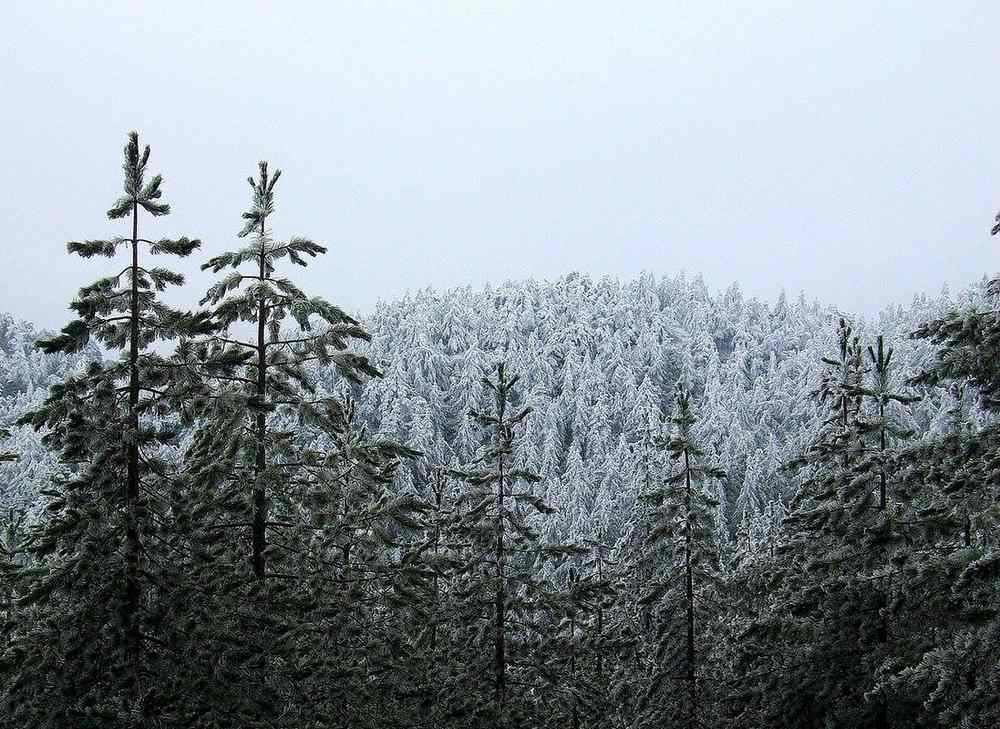
Tatoi’s vast estate is cloaked in beautiful old-growth forest of pine and fir on the slopes of Mount Parnitha, threaded with paths, streams and clearings, offering a cool, green escape from the city. A popular walking loop of around an hour to an hour and a half links the main sights, the gardens, buildings and cemetery, through the woods. Popular with Athenians for hiking, jogging, picnicking and fresh air, the forest is reason enough to visit.
Beyond its buildings and history, one of the greatest pleasures of Tatoi, and the reason many Athenians come, is simply the magnificent forest that cloaks the estate, offering a wonderful natural escape from the heat and bustle of the city. Set on the cool, elevated slopes of Mount Parnitha, the grounds are covered in beautiful, dense old-growth woodland of pine, fir and other trees, threaded with quiet paths and tracks, crossed by streams and dotted with clearings and meadows, creating a green, shaded and refreshing environment that feels a world away from the urban sprawl below. A popular and rewarding walking loop, taking roughly one to one and a half hours at an easy pace, winds through this landscape and links the main points of interest, passing the gardens, the cluster of palace buildings and the royal cemetery, all amid the trees.
The estate is much loved by locals as a place to hike, jog, cycle, picnic and breathe the fresh mountain air, and on weekends families come to enjoy its tranquillity and coolness. For nature lovers and walkers, the forest alone justifies the trip, the royal history adding a fascinating extra dimension. It is lungs and heritage combined. Visiting it takes a little planning.
How do you visit Tatoi, and what about restoration?
The grounds of Tatoi are open to the public to walk freely, and access is best by car, around 27 km north of central Athens near Kifissia, with parking at the estate; public transport is limited. The buildings’ interiors are largely closed pending restoration. The Greek state has been restoring the estate, with plans to open the palace as a museum, so check current access. Wear good shoes, bring water, and allow a few hours to explore.
Visiting Tatoi requires a little planning, as it lies outside the city and is best reached independently, but the effort is well rewarded. The estate is located around twenty-seven kilometres north of central Athens, on the slopes of Mount Parnitha beyond the suburb of Kifissia, and the most practical way to get there is by car or taxi, with parking available at the estate, since public transport to the site is limited and infrequent, making a hire car or an organised excursion the easiest option. The extensive grounds, forest, gardens, the exterior of the palace buildings and the royal cemetery are open to the public to walk and explore freely, though the interiors of the palace and most buildings have generally been closed off due to their dilapidated condition and the ongoing works.
Importantly, the Greek state has in recent years undertaken a major project to restore the abandoned estate, with stated plans to restore the palace and turn it into a museum and tidy the royal gardens, so the level of access and what can be seen may change over time, and it is wise to check the current situation before visiting. To make the most of a visit, wear sturdy walking shoes, bring water and supplies, and allow a few hours to wander the buildings, the cemetery and the forest trails. The mountain beyond is covered in the Mount Parnitha guide. The questions below cover the points visitors ask most.
Frequently Asked Questions
Can you visit Tatoi Palace?
Yes, you can visit Tatoi, as the extensive grounds, forest, gardens, the exterior of the palace buildings and the royal cemetery are open to the public to walk freely. The interiors of the palace have largely been closed due to their condition and ongoing restoration. The Greek state is renovating the estate with plans to open the palace as a museum, so check current access before going.
How do you get to Tatoi Palace from Athens?
Tatoi lies about 27 km north of central Athens, on the slopes of Mount Parnitha near Kifissia. The easiest way to get there is by car or taxi, with parking at the estate, as public transport to the site is limited and infrequent. An organised excursion is another option. Allow a few hours to explore the forest, buildings and royal cemetery on foot.
What is there to see at Tatoi?
At Tatoi you can see the faded former royal summer palace and dozens of estate buildings, including stables, farm buildings and cottages, in atmospheric disrepair, the moving royal cemetery where members of the Greek royal family are buried among the pines, and the beautiful old-growth forest of Mount Parnitha, with walking trails. A loop of about 1 to 1.5 hours links the main sights.