
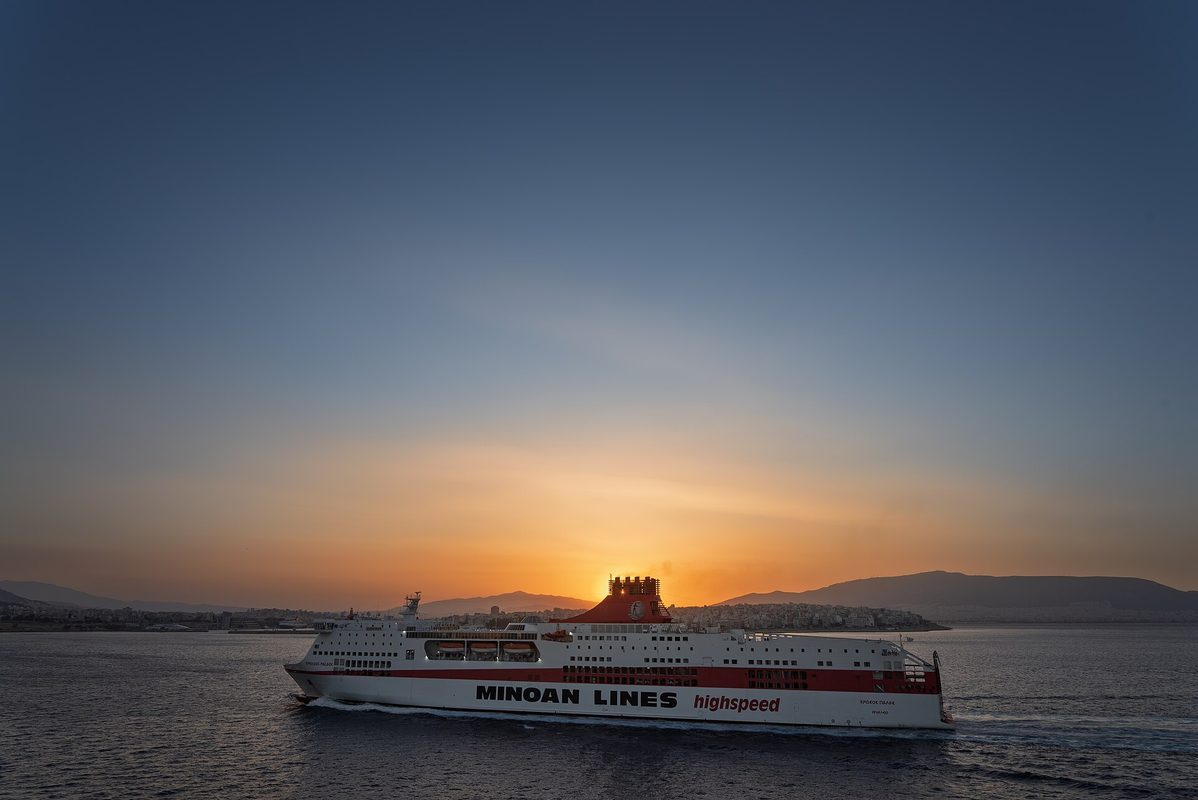
This Piraeus port guide covers the ferry gates, how to find the right one for the Cyclades, Crete or the Saronic islands, and how to reach the port from the airport and central Athens, your gateway to the Greek islands. Plan island-hopping and transfers alongside tours and tickets from My Greece Tours.
This practical transport guide complements the wider Athens travel guide. The sections below cover what Piraeus is, the ferry gates, which gate for which islands, how to get to the port, catching your ferry, the cruise terminals, and key tips.
What is the port of Piraeus?
Piraeus is the main port of Athens and the largest passenger port in Greece, 10 km southwest of the city centre. It is the principal gateway to the Greek islands and cruise ships, handling over 20 million passengers a year across numbered gates.
Piraeus is the great maritime gateway through which most island journeys begin. It is the main port of Athens and the largest passenger harbour in the country, ranked among the busiest in Europe. The port sits 10 km southwest of the city centre and functions as a city in its own right. From its quays a network of ferries fans out across the Aegean to the Greek islands.
The reach of the port is wide. Ferries serve the popular Cyclades such as Mykonos, Santorini, Paros and Naxos, the large island of Crete, and the Dodecanese including Rhodes and Kos. The nearby Saronic islands of Aegina, Poros and Hydra sit a short sailing away, and cruise ships also dock here.
The port handles over 20 million passengers a year, so it is enormous and can feel overwhelming to a first-time visitor. Ferries of every size come and go around a large harbour. The port is organised into numbered departure gates spread around the waterfront. Knowing your gate is the secret to a calm departure, and the gate system is the first thing to grasp.
What are the ferry gates at Piraeus?
Piraeus has numbered gates, labelled E1 to E12, spread around the large harbour. Island ferries leave from gates E1 to E10, while cruise terminals occupy E11 and E12 at the southern end. The gates lie far apart, so knowing your gate matters.
The system of numbered gates is the framework for finding your ferry across the sprawling port. The harbour divides into departure points labelled with the letter E and a number, running from E1 to E12 around the large horseshoe of the port. Island-bound ferries leave from gates E1 to E10. The two highest-numbered points, E11 and E12 at the far southern end, function as the cruise-ship terminals.
The gates spread over a considerable distance around the waterfront. Walking from one end of the port to the other can take 20 minutes or more. This makes it vital to know in advance which gate your ferry departs from, rather than heading to the port and hoping to find it. Each gate broadly serves a group of island destinations, which helps you orient yourself on arrival.
A free shuttle bus circulates within the port to help passengers reach distant gates, departing from near the main entrance by gate E5. The port has two main entrances. The metro and suburban railway arrive close to the central gates around E6, while the cruise terminals lie far to the south. Signage points the way, and large overhead boards list departures by gate and time. Grasping the gate layout is the key skill.
Which gate do you need for each island?
Cyclades ferries to Mykonos, Santorini, Paros and Naxos leave from gates E6 to E10. Crete sails from gates E2 to E3, the Dodecanese from gate E1, and the Saronic islands from gates E8 to E9. Assignments change, so check your ticket on the day.
The exact gate for any given sailing varies, yet the broad pattern helps you arrive in the right area. Ferries bound for the Cyclades, the most popular island group including Mykonos, Santorini, Paros, Naxos and Ios, tend to depart from the higher-numbered gates around E6 to E10. Boats to the large southern island of Crete, serving Heraklion and Chania, usually leave from the lower-numbered gates E2 and E3.
Ferries to the far-flung Dodecanese, including Rhodes and Kos, often depart from gate E1. The frequent ferries and hydrofoils to the close Saronic islands of Aegina, Poros, Hydra and Spetses, popular for day trips, generally use gates E8 and E9. These four Saronic destinations sit within two hours of the port, which makes them the easiest island escape from Athens.
These gate assignments are not fixed, and ships are frequently shuffled between gates, especially in the busy summer season. Always check the specific gate printed on your ticket and confirm it against the electronic information boards at the port entrance on the day of travel. When in doubt, ask the port staff. Verifying your gate on the day is the one habit that prevents a missed sailing.
How do you get to Piraeus port?
Metro line 1, the green line, runs from central Athens to Piraeus station beside the port in 20 to 30 minutes for €1.20. Metro line 3 links the airport to Piraeus in an hour, and the X96 bus runs 24 hours from the airport.
Reaching Piraeus from central Athens or the airport is simple thanks to good public transport, and the right choice depends on where you start. From central Athens, the classic route is metro line 1, the green line. It runs from the heart of the city, with stops at Monastiraki, Omonia and Thissio, to the Piraeus terminus right beside the harbour. The trip takes 20 to 30 minutes and costs €1.20, making it the cheapest and often quickest option.
From Athens International Airport, three good choices stand out. Metro line 3, the blue line, now runs directly to Piraeus in one hour, avoiding any change. The X96 express bus operates around the clock, 24 hours a day, connecting the airport to the port in 90 minutes depending on traffic. This bus is a reliable option for early or late sailings when the metro is closed.
A taxi is the most comfortable choice, especially with heavy luggage. The driver can enter the port and drop you close to your specific departure gate, sparing you a long walk. The suburban railway, the Proastiakos, also links the airport toward Piraeus for travellers who prefer rail. Choosing the method that fits your start point and luggage keeps the journey easy.
How do you catch your ferry and use the cruise terminals?
Arrive an hour before departure, longer in peak season, to find your gate and board. Have your ticket ready, check the signs, and use the free port shuttle if your gate is far. Cruise passengers dock at terminals E11 and E12 at the southern end.
Catching your ferry from Piraeus comes down to allowing enough time and staying alert to your gate. Arrive at the port an hour before your scheduled departure, and rather more in the busy summer season. This gives you time to locate the correct gate across the sprawling waterfront, collect or validate your ticket, and board without panic. Keep your ticket and identification handy at all times.
Confirm your gate against the electronic departure boards and signage at the port entrance. If your gate lies far around the harbour, use the free shuttle bus that circulates within the port. Ferries in Greece depart punctually, so aim to board in good time rather than at the last minute. Boarding closes 15 to 30 minutes before departure on the larger ferries.
Cruise ships dock at the dedicated cruise terminals at the southern end of the port, gates E11 and E12. From there, shuttle buses, taxis and the nearby metro provide easy onward connections into central Athens and its sights, a short ride away. The Acropolis and Plaka lie 30 minutes from the terminals by metro. A little preparation turns the vast port from daunting to easy.
Where is Piraeus port on the map, and how big is it?
Piraeus sits 10 km southwest of central Athens, on the Saronic Gulf. The port wraps around a large central harbour plus two smaller basins, Zea and Mikrolimano. The main ferry harbour stretches 3 km end to end, with gates E1 to E12 around it.
Placing Piraeus on the map helps you picture the layout before you arrive. The city lies at the southwestern edge of the Athens conurbation, on a rocky peninsula facing the Saronic Gulf. The central harbour, known as Kantharos, is the working ferry port. Two smaller basins sit nearby: Zea Marina to the south and Mikrolimano to the east, both used by yachts and smaller craft rather than island ferries.
The main harbour is large. The waterfront curls in a broad horseshoe roughly 3 km from end to end, which explains why the gates lie so far apart. The metro station and suburban rail terminus sit at the northeastern corner near gate E6, the busiest arrival point for foot passengers. The cruise terminals occupy the southern shore. A printed or phone map marking your gate saves time on the day.
What ferry companies and routes operate from Piraeus?
Ferry companies at Piraeus include Blue Star Ferries, Hellenic Seaways, SeaJets, ANEK and Minoan Lines. Between them they serve over 70 island ports, from the Cyclades and Crete to the Dodecanese. Routes run from two-hour catamarans to overnight sailings of eight hours.
The route network from Piraeus is the densest in Greece. Large conventional ferries carry cars and foot passengers on the longer crossings to Crete, the Dodecanese and the outer Cyclades. High-speed catamarans and hydrofoils cover the shorter Cyclades and Saronic hops at double the pace for a higher fare. The choice between speed and cost shapes most island-hopping plans.
Crossing times vary by destination and vessel. Aegina in the Saronic Gulf sits 40 minutes away by fast boat. Mykonos and Paros take three to five hours depending on the ferry. Santorini runs five to eight hours, and Crete is an overnight sailing of seven to nine hours. Booking the vessel type that matches your schedule is the first decision when planning a route.
Frequency changes with the season. In summer the busiest routes to Mykonos, Santorini and Paros run several sailings a day, so a missed boat rarely strands you for long. In winter the timetable thins to one or two departures, and rough weather can cancel the fast catamarans, which sit lower in the water. Checking the live schedule the night before travel avoids a wasted trip to the port.
Fares also shift with the vessel and the season. A deck ticket on a conventional ferry costs the least, while a reserved seat or cabin on an overnight sailing costs more. High-speed catamarans charge a premium for the shorter crossing time. Booking early on peak summer dates locks in the lower fares before they sell out.
Where can you stay and eat near Piraeus port?
Hotels cluster within walking distance of the main gates, useful for early sailings or late cruise arrivals. The Kastella and Mikrolimano districts hold seafront restaurants and cafes near the ferry harbour. Staying near the port suits travellers with a dawn ferry from Athens.
Overnighting near Piraeus makes sense when your ferry leaves early. Hotels sit along the streets behind the main harbour and near the metro station, within a 10-minute walk of gates E5 to E8. This proximity removes the risk of a delayed morning transfer from central Athens, which matters most in peak season when traffic builds.
The port district also rewards a short stay in its own right. Mikrolimano, the picturesque yacht harbour east of the ferry port, is lined with fish tavernas and cafes facing the moored boats. The Kastella hill above it offers views over the Saronic Gulf. A meal here before an evening departure turns dead waiting time into part of the trip.
What are the other ferry ports near Athens?
Athens has three ferry ports. Piraeus is the largest and serves most island groups. Rafina, 30 km east of central Athens, is faster to Mykonos, Andros and Tinos. Lavrio, further south, serves the western Cyclades and Kea. Confirm which port your ticket uses.
Piraeus is the main port, yet two smaller ports on the east coast also serve the islands. Rafina lies 30 km east of Athens, close to the airport, and runs frequent boats to the northern Cyclades. From Rafina the crossing to Mykonos and Tinos is shorter than from Piraeus, which appeals to travellers arriving by air with those islands on the plan.
Lavrio sits at the southern tip of the Attica peninsula, about 60 km from central Athens. It serves the western Cyclades, including Kea, Kythnos and Serifos, plus seasonal routes to other islands. Both Rafina and Lavrio are reached by KTEL bus from central Athens rather than the metro. Reading the departure port on your ticket prevents an expensive trip to the wrong harbour.
What useful facilities does Piraeus port have?
Piraeus port has ticket kiosks near the main gates, plus cafes, ATMs, shops and left-luggage points around the central entrance by gate E5. Free wifi covers parts of the terminal area. Car rental desks and paid parking sit near the metro station.
The port covers the practical needs of a departing traveller. Ticket offices for the main ferry companies line the road behind the central gates, useful for collecting a pre-booked ticket or buying one on the day. ATMs and cafes cluster near gate E5 and the metro station, the busiest pedestrian corner of the port.
Parking and onward transport are also covered. Paid parking garages sit near the metro terminus for travellers arriving by car who plan to leave it during an island trip. Car rental desks stand nearby for those collecting a vehicle on return. Left-luggage services near the central entrance let cruise passengers or day trippers store bags between arrival and departure.
Signage across the port runs in Greek and English, and the overhead departure boards list each sailing by gate, destination and time. Staff at the central information point answer gate questions in English during the busy hours. Water fountains and shaded seating along the terminals help during the summer heat, when the harbour front bakes in the afternoon sun.
Frequently Asked Questions
How do you get from Athens to Piraeus port?
The easiest way from central Athens to Piraeus port is metro line 1, the green line, which runs directly to Piraeus station beside the harbour in 20 to 30 minutes for €1.20. From the airport, metro line 3 links directly to Piraeus in one hour, the X96 bus runs 24 hours, and taxis can drop you right at your ferry gate.
Which gate do ferries to Santorini and Mykonos leave from?
Ferries to the Cyclades, including Santorini and Mykonos, usually depart from the higher-numbered gates at Piraeus, around E6 to E10. Gate assignments change frequently, especially in summer, so always check the specific gate on your ticket and confirm it against the electronic boards at the port entrance on the day of travel.
How early should you arrive at Piraeus port?
Arrive at Piraeus port an hour before your ferry’s departure, and longer in the busy summer season, to allow time to find the correct gate around the large harbour, sort out your ticket and board. The port is vast and gates lie far apart, so a buffer prevents a stressful rush, especially if your gate is distant.
Is Piraeus the same as Athens?
Piraeus is a separate city within the greater Athens metropolitan area, 10 km southwest of the Athens city centre. It has its own municipality, port and identity, yet the metro links the two in 20 to 30 minutes, so travellers treat Piraeus as the port district of Athens for ferry and cruise purposes.
Do you need to buy ferry tickets in advance?
Buy ferry tickets in advance for popular summer routes to Santorini, Mykonos and Crete, which sell out on peak dates. Off-season and short Saronic hops often have space on the day. Booking ahead also locks in the vessel type and departure time you want, and many companies issue e-tickets you scan at the gate.
Which port is better, Rafina or Piraeus?
Piraeus suits most island groups, with the widest choice of routes to the Cyclades, Crete, the Dodecanese and the Saronic islands. Rafina is faster for the northern Cyclades such as Mykonos, Tinos and Andros, and sits closer to the airport. The better port depends on your island and your starting point in Athens.