
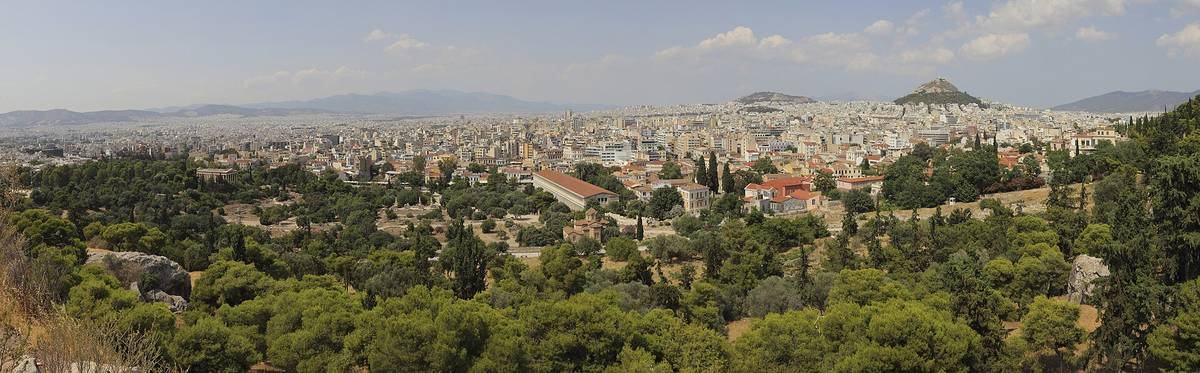
There are wonderful free things to do in Athens, from sunset on Filopappos Hill and the Changing of the Guard to free museum days, street art and the National Garden, letting you enjoy the city without spending a euro. For the ticketed highlights, pair these with skip-the-line tours from My Greece Tours.
These no-cost experiences complement the budget tips in the Athens travel guide. The sections below cover the free hills and viewpoints, free museum days, the free historic sights, the parks and markets, the street art and neighbourhoods, and how to plan a free day.
What free experiences does Athens offer?
The Greek capital offers many free things to do: climb the hills of Filopappos, Lycabettus, the Areopagus and the Pnyx for stunning views and sunsets; see the kilted Evzones change guard at Syntagma; stroll the National Garden and the markets; explore the street art of Psiri and Exarcheia; and visit museums and ancient sites for free on designated days. The city’s atmosphere, walks and viewpoints cost nothing at all.
Athens has a reputation as an affordable city, and one of the best ways to keep costs down is to take advantage of the wealth of genuinely free experiences it offers, many of them among the most memorable things to do in the whole capital. The city’s setting among hills means its finest viewpoints, the green park of Filopappos, the lofty cone of Lycabettus, the ancient rocks of the Areopagus and the Pnyx, are all free to climb, delivering breathtaking panoramas and sunsets over the Acropolis at no charge. Free spectacles such as the ceremonial Changing of the Guard at Syntagma Square, free green spaces like the National Garden, and the colourful bustle of the markets cost nothing to enjoy.
Athens is also a paradise for street art, with whole neighbourhoods serving as open-air galleries, and many of its museums and even its great archaeological sites open their doors for free on certain days of the year. Add to this the simple pleasure of wandering the historic lanes of Plaka and Anafiotika, people-watching in the squares, and soaking up the unique atmosphere, and it becomes clear that a visitor could fill days in Athens without spending on admission. The free highlights are genuinely world-class. The hills are the place to begin.
Which hills and viewpoints are free?
Athens’ best viewpoints are mostly free. Filopappos Hill, a green park opposite the Acropolis, gives the finest free sunset view of the Parthenon. The Areopagus rock beside the Acropolis and the Pnyx, birthplace of democracy, offer dramatic close-up vistas at no cost. Lycabettus Hill, the highest point in the city, is free to hike for a 360-degree panorama. The Monastiraki metro rooftop also has a free Acropolis view.
The hills of Athens are the city’s greatest free attraction, and climbing them costs nothing while rewarding you with some of the most spectacular views in Europe. Filopappos Hill, also called the Hill of the Muses, is a beautiful pine-clad public park directly opposite the Acropolis, open around the clock and entirely free, offering the single finest head-on view of the floodlit Parthenon, especially glorious at sunset, along with shady walking paths and ancient remains. Right beside the entrance to the Acropolis rises the Areopagus, a bare marble rock you can scramble up for free to enjoy a dramatic close-up panorama of the citadel above and the city below, hugely popular at sunset though slippery underfoot.
Nearby stands the Pnyx, the hill where ancient Athenian democracy was born, a quieter free viewpoint with a lovely vista across to the Parthenon. For the loftiest outlook, Lycabettus Hill, the highest point in central Athens, is free to climb on foot through the pines to a summit chapel with a sweeping three-hundred-and-sixty-degree view, though the funicular up carries a small fare. Even the rooftop terrace of the Monastiraki metro station has a free public Acropolis view. These vantage points alone could fill a memorable day. Many of the city’s museums also open free on set dates.
When can you visit museums and sites for free?
Many Athens museums and archaeological sites offer free admission on certain days. State-run sites and museums are free on specific national dates, such as 6 March, 18 April, 18 May (International Museum Day), the last weekend of September and 28 October. From November to March, the first Sunday of each month gives free entry to archaeological sites including the Acropolis. Some museums, like the Benaki on Thursdays, have regular free days.
For culture lovers on a budget, Athens offers several opportunities to visit its excellent museums and even its famous ancient sites without paying, provided you time your trip well. The Greek state, which runs most of the major archaeological sites and many museums, grants free admission on a number of designated dates through the year, typically including the sixth of March, the eighteenth of April, the eighteenth of May for International Museum Day, the last weekend of September for European Heritage Days, and the twenty-eighth of October, the national holiday. A particularly valuable arrangement applies in the off-season: during the off-season, every first Sunday of the month between November and the end of March, all the state archaeological sites in Athens are free to enter, and this remarkably includes the Acropolis itself and the Parthenon, allowing a free visit to the city’s crowning monument for those travelling in winter.
Beyond these state dates, some individual museums offer their own regular free days; the renowned Benaki Museum, for example, has traditionally offered free admission on Thursdays. Checking the calendar before you travel, and aligning your sightseeing with these free days, can save a considerable amount. It pays to plan around them. Several historic sights are always free to enjoy.
What free historic sights can you see?
Several of Athens’ historic attractions are always free. The ceremonial Changing of the Guard by the kilted Evzones at the Tomb of the Unknown Soldier on Syntagma Square happens every hour, with a grand version on Sunday mornings. You can also admire Hadrian’s Arch, the exteriors of ancient sites, the old churches, and the picturesque village-like lanes of Anafiotika beneath the Acropolis, all without any ticket or charge.
Beyond the free-day schedule, Athens has a number of historic sights and spectacles that are permanently free to enjoy, woven into the fabric of the city. The most famous is the Changing of the Guard, a stirring ceremony performed before the Greek Parliament at the memorial Tomb of the Unknown Soldier on Syntagma Square, where the Evzones, the elite presidential guards in their distinctive uniform of pleated kilt, woollen leggings and pom-pom shoes, perform a slow, highly stylised changing ritual every hour on the hour, with a larger and more elaborate ceremony, accompanied by a band, on Sunday mornings at around eleven, all free to watch.
Strolling the historic centre, you can admire from the street such monuments as the towering Hadrian’s Arch, the columns of the Temple of Olympian Zeus glimpsed over the fence, and the many old Byzantine churches dotted through the city, which are free to enter. One of the most enchanting free experiences is to wander up into Anafiotika, the tiny village-like quarter of whitewashed island-style houses and flower-filled lanes clinging to the slope beneath the Acropolis, which feels like a Cycladic island transplanted into the capital. These cost nothing yet capture the city’s character. The parks and markets add further free delights.
What free parks, markets and street art are there?
Free green spaces and lively markets abound. The National Garden behind Parliament is a shady oasis, free to all, with paths, ponds and a small zoo. The Central Market, the Monastiraki flea market and the colourful Sunday markets are free to browse. Athens is also one of Europe’s street-art capitals, with bold murals filling the walls of Psiri, Metaxourgeio and Exarcheia, making a self-guided street-art walk a vivid free experience.
Athens rewards the budget traveller with a wealth of free green spaces, markets and open-air art that bring the city to life at no cost. At the heart of the city, just behind the Parliament, lies the National Garden, a large and shady oasis of winding paths, ponds, ancient ruins, palm-lined avenues and a small zoo, entirely free to enter and a blissful escape from the summer heat. The markets are a feast for the senses and free to wander: the bustling Central Market, the Varvakeios, with its halls of fish, meat and spices, the sprawling Monastiraki flea market with its antiques and curiosities, and the lively neighbourhood street markets and Sunday flea markets where locals shop.
Athens has also become one of Europe’s great capitals of street art, its walls transformed into a vast open-air gallery, and a self-guided wander through the gritty, creative districts of Psiri, Metaxourgeio, Gazi and Exarcheia reveals an ever-changing display of bold, striking and often politically charged murals by Greek and international artists, a genuinely exciting free activity. Together these parks, markets and murals showcase the everyday, living city away from the ancient monuments. They cost nothing but reward curiosity. Planning a free day ties these experiences together.
How do you spend a day in Athens for free?
To plan a free day, start with a morning walk through the National Garden and the Changing of the Guard at Syntagma, browse the markets and the lanes of Plaka and Anafiotika, then enjoy a street-art walk in Psiri. Time any museum visit to a free-admission day. Finish with a free sunset from Filopappos or the Areopagus. Bring water, comfortable shoes and a picnic to keep the whole day genuinely cost-free.
With so many free attractions, it is easy to assemble a full and rewarding day in Athens that costs almost nothing, simply by stringing the best of them together into a natural route. A lovely plan might begin in the morning with a peaceful stroll through the green National Garden, emerging at Syntagma Square in time to watch the hourly Changing of the Guard by the kilted Evzones in front of Parliament. From there you could browse the colourful Central Market or the Monastiraki flea market, then lose yourself in the historic lanes of Plaka and climb into the enchanting island-like quarter of Anafiotika beneath the Acropolis. After a picnic lunch carried from a bakery or market, spend the afternoon on a self-guided street-art walk through the murals of Psiri and the surrounding districts, or, if your visit falls on a free-admission day, duck into one of the great museums or even the Acropolis itself at no charge.
As the day cools, make your way up to Filopappos Hill or the Areopagus rock to claim a spot for the free sunset spectacle over the floodlit Parthenon. To keep the day truly free, carry a refillable water bottle, wear comfortable shoes for all the walking, and bring a picnic rather than eating out. Such a day proves Athens can be wonderful on the tightest of budgets. Further savings are detailed in the Athens on a budget guide. The questions below cover the points visitors ask most.
Frequently Asked Questions
What can you do for free in Athens?
In Athens you can climb the free hills of Filopappos, Lycabettus, the Areopagus and the Pnyx for stunning views and sunsets, see the Evzones perform the guard-changing ritual at Syntagma, stroll the National Garden, browse the markets, explore the street art of Psiri and Exarcheia, and wander the lanes of Plaka and Anafiotika, all without spending a euro.
Is the Acropolis ever free to visit?
Yes, the Acropolis is free to visit on certain days. From November to March, the first Sunday of each month gives free entry to all state archaeological sites in Athens, including the Acropolis. It is also free on some national dates such as 18 May (International Museum Day) and 28 October. On all other days a paid ticket is required.
When are Athens museums free?
Many Athens museums and archaeological sites are free on specific dates, including 6 March, 18 April, 18 May, the last weekend of September and 28 October, plus every first Sunday of the month through the off-season from November onward. Some museums have their own regular free days, such as the Benaki Museum, which has traditionally offered free admission on Thursdays.