
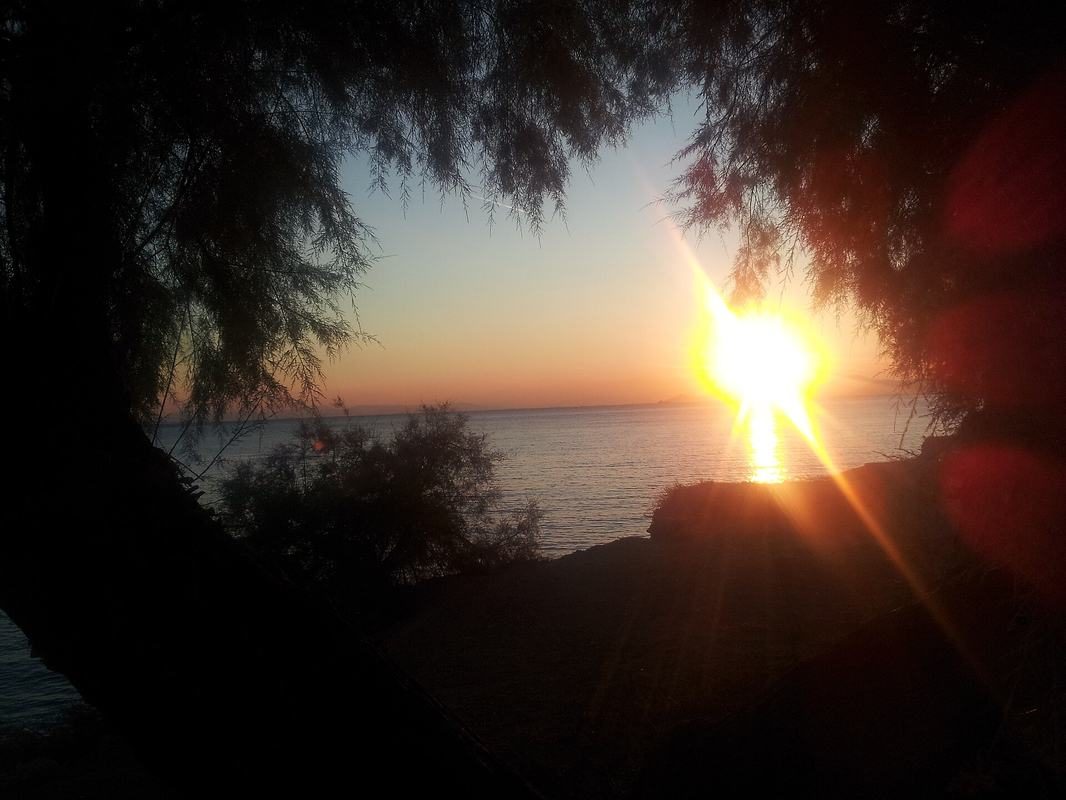
Athens in summer is hot, bright and full of life, with long sunny days for sightseeing, balmy nights of open-air cinema and festivals, and easy beach escapes to the Riviera. Make the most of it with skip-the-line Acropolis tickets and tours from My Greece Tours to beat the heat and the queues.
This vibrant high season is fully covered in the Athens travel guide. The sections below cover the summer weather, how to beat the heat, the beaches, the festivals and nightlife, sightseeing tips, what to pack, and whether summer suits you.
What is the weather like in Athens in summer?
Summer in Athens runs hot, dry and sunny from June to August. July and August are the hottest months. Daytime highs sit near thirty-four degrees and heatwaves push higher. The sites offer little shade, though evenings stay warm and pleasant.
Summer is the peak season in Athens, and its defining feature is heat. From June through August the city basks under intense Mediterranean sun, with clear blue skies, bone-dry air and almost no rainfall. June is warm and very pleasant. July and August are the hottest months of the year, when average daytime highs sit around thirty-three to thirty-five degrees Celsius. Periodic heatwaves can drive temperatures well into the high thirties or past forty degrees.
The sun is fierce and the light dazzling. The great archaeological sites, the Acropolis above all, are largely open and exposed, with little shade and reflective stone underfoot. The midday hours can therefore feel punishing. Pairing your visit with the Athens weather guide helps you plan around the daily temperature curve.
The flip side of this heat is the glorious summer evenings, which stay warm and balmy long after dark, perfect for the Athenian tradition of dining outdoors late into the night and strolling the streets in shirtsleeves. Understanding this rhythm, scorching middays and delightful evenings, is the key to enjoying the city in summer. Working with the heat, not against it, makes all the difference. Beating the heat is the first skill to master.
How do you beat the heat in Athens?
Beat the Athens summer heat as locals do. Sightsee early or late, retreat to cool museums or a beach at midday, and rest during the hottest afternoon hours. Carry water, wear a hat and sunscreen, and seek shade at the exposed sites.
Coping with the summer heat in Athens is manageable once you adopt the local rhythm, which avoids strenuous activity during the hottest part of the day. The golden rule is to schedule outdoor sightseeing for the cooler bookends of the day. Arrive at exposed sites like the Acropolis right as they open in the early morning, when the air is fresher and the crowds thinner. The late afternoon, as the heat eases, works just as well.
Reserve the scorching middle of the day, roughly two to five in the afternoon, for cooler pursuits in the manner of the Athenian siesta. Escape into the city’s air-conditioned museums, such as the Acropolis Museum or the National Archaeological Museum. Linger over a long lunch in a shaded taverna, or head to the coast for a swim.
Throughout the day, the essentials of hot-weather travel apply: drink plenty of water and carry a refillable bottle, wear a wide-brimmed hat, sunglasses and high-factor sunscreen, choose light, loose clothing, and stick to the shady side of the street. The quintessential local refreshment is the freddo, an iced espresso or cappuccino sipped slowly in a café, while a dip in the sea is the ultimate cooler. With these habits, the heat becomes a pleasure rather than a problem. The beaches are a summer highlight in themselves.
What are the beaches like in summer?
The summer sea around Athens is warm, and the Athens Riviera south of the city is the great escape. Beaches at Glyfada, Vouliagmeni and Kavouri range from free public sand to organised clubs. Tram, bus or taxi reaches them in under an hour.
One of the greatest joys of Athens in summer sets it apart from inland capitals. The city has its own coastline of excellent beaches within easy reach, so a swim is never far away. From roughly May through October the sea is warm enough for swimming. In the height of summer the Athens Riviera, the coast running south from the city along the Saronic Gulf, becomes a playground for locals and visitors alike.
The fashionable suburbs of Glyfada, Voula, Vouliagmeni and Kavouri, and the coast beyond, are lined with a great variety of beaches. Free public stretches of sand let you simply lay down a towel. Slick organised beach clubs charge an entrance fee for sunbeds, umbrellas, bars, restaurants and watersports.
The bright green saltwater Lake Vouliagmeni, fed by warm springs, offers an unusual alternative bathing spot. Best of all, the coast is genuinely accessible from the centre, reachable in under an hour by the coastal tram, by bus or by a short taxi ride, making a morning or afternoon at the beach an easy and rewarding break from sightseeing. A swim in the Aegean followed by a seaside lunch is summer in Athens at its finest. The coast is detailed in the Athens Riviera beaches guide. The warm nights bring a rich cultural life.
What festivals and nightlife happen in summer?
Athens comes alive on summer nights with a packed calendar. The Athens Epidaurus Festival stages concerts, opera and ancient drama at the Odeon of Herodes Atticus beneath the Acropolis. Open-air cinemas screen films under the stars, and rooftop bars keep the warm evenings buzzing.
The warm, balmy nights of an Athenian summer are made for going out. The city responds with a rich programme of open-air culture and nightlife that comes into its own once the heat of the day has passed. The crown jewel is the Athens Epidaurus Festival, the great annual arts festival running from June through August. It stages concerts, opera, ballet and performances of ancient Greek tragedy and comedy in historic settings. The floodlit Odeon of Herodes Atticus on the slope of the Acropolis is the standout venue, an unforgettable place to spend a summer evening.
A beloved local institution is the open-air cinema. Dotted across the city are garden and rooftop cinemas where you watch a film under the stars on a warm night, often with the Acropolis in view. The Athens Open Air Film Festival adds free screenings at archaeological sites, museums and parks. Sunset drinks beforehand pair naturally with the city’s Athens rooftop bars.
Beyond the official events, the nightlife flows freely, from the city’s celebrated rooftop bars with their Acropolis views, to late-dining tavernas in Plaka and Psyrri, to the buzzing summer bars and beach clubs of the coastal suburbs around Glyfada and the Riviera. Summer nights here are long, lively and atmospheric. They are a highlight of the season. Daytime sightseeing still rewards with the right approach.
How should you sightsee and pack for summer?
Book skip-the-line tickets and visit the Acropolis and outdoor sites at opening or late afternoon. Pack light breathable clothing, a hat, sunglasses, sunscreen, walking shoes, a water bottle and swimwear. Bring a layer for cool museums. Plan indoor sights for midday.
A successful summer visit to Athens comes down to smart sightseeing and sensible packing, both geared to the heat and the peak-season crowds. Because summer is the busiest time of year, the major attractions, the Acropolis especially, draw large numbers of visitors, so booking skip-the-line tickets in advance and timing your visit for the moment the site opens in the morning or for the late afternoon spares you both the worst of the queues and the fiercest of the sun. Structure your days around the heat, saving air-conditioned museums and long lunches for the midday hours and keeping the exposed ancient sites for the cooler ends of the day.
Packing priorities are sun protection and lightness. Bring loose, breathable clothing in natural fabrics, a wide-brimmed hat, good sunglasses and high-factor sunscreen. Sturdy comfortable shoes handle the marble and cobbles, and a refillable water bottle keeps you hydrated, along with swimwear and a towel for beach trips. Carry a light layer too. Museums, shops and restaurants run strongly air-conditioned, and the late evenings, though warm, can carry a gentle breeze. With sun protection sorted and your schedule built around the heat, summer sightseeing is enjoyable. Good preparation is everything. Whether summer suits you depends on your priorities.
Is summer a good time to visit Athens?
Summer suits Athens visitors who want guaranteed sunshine, beach days, long warm evenings and the full festival season, and do not mind heat and crowds. Heat-sensitive travellers seeking quiet sights prefer spring or autumn. With heat-smart planning, summer stays energetic and rewarding.
Whether summer is the right season for your Athens trip depends on what you want from it, since the time has clear strengths and a few drawbacks. Summer guarantees reliably hot, sunny, rain-free weather, perfect for combining the ancient sights with days at the beach. It offers the longest, warmest evenings of the year together with the city’s fullest cultural calendar, from the Epidaurus Festival to open-air cinemas and coastal nightlife. That energy gives the city a buoyant, holiday feel.
Summer is also the ideal time to pair Athens with an island-hopping trip, when ferries run most frequently. The trade-offs are the very high temperatures, which can be genuinely demanding at the exposed archaeological sites in July and August. Peak-season crowds and higher prices at the most popular attractions and hotels add to the picture.
Travellers who are sensitive to heat, or who prize quiet and uncrowded sightseeing, may find the milder, calmer months of spring or autumn more comfortable. But for those who relish sunshine, swimming and a lively atmosphere, and who plan their days around the heat, summer in Athens is a vivid and rewarding experience. It rewards the prepared and the sun-loving. The cooler seasons are explored in the best time to visit Athens guide. The questions below cover the points visitors ask most.
How do summer crowds and prices compare in Athens?
Summer is the busiest and priciest season in Athens. Crowds peak at the Acropolis and top museums, and hotel rates climb from June to August. Book tickets and rooms early, sightsee at opening or late afternoon, and use the calmer coast to sidestep crowds.
Peak season brings the largest visitor numbers of the year to Athens. The Acropolis, the Acropolis Museum and popular tavernas draw steady crowds through July and August. Queues build fastest in the late morning, once tour groups and cruise passengers converge on the historic centre. Skip-the-line tickets and an early arrival cut the waiting time sharply. A late-afternoon slot works equally well, since many day visitors have already left by then. Spreading your sightseeing across the quieter edges of the day keeps the experience relaxed even at the height of the season.
Prices track the demand. Hotel rates in Plaka, Koukaki and Monastiraki reach their yearly peak in July and August, and the best-value rooms sell out early. Booking accommodation and tours weeks ahead protects both choice and budget. The where to stay in Athens guide maps the central districts by price and character. Travellers watching costs can shift a trip to June or early September, when rates soften and the crowds thin while the weather stays warm. Eating at neighbourhood tavernas away from the main squares also trims the daily spend without losing the summer atmosphere.
How does Athens summer compare with spring and autumn?
Athens summer delivers guaranteed heat, beach days and the full festival season, but the largest crowds and highest prices. Spring and autumn bring milder temperatures, thinner crowds and lower rates. Summer favours sun-seekers, while the shoulder months suit comfortable sightseeing.
The seasons each offer a distinct Athens. Summer is the season of certainties: hot, rainless days, warm evenings, open-air festivals and a sea warm enough for daily swims. That reliability is the draw for anyone planning beach time and outdoor nightlife around a fixed holiday. The cost is the intensity of the July and August heat at the exposed ancient sites, together with peak crowds and prices. Sun-lovers who plan their days around the temperature accept that trade-off gladly and reap the fullest cultural calendar of the year.
Spring and autumn trade some certainty for comfort. April, May, September and October bring pleasant daytime warmth without the punishing midday peaks, making long days of sightseeing far easier on the exposed marble. Crowds thin and hotel rates ease outside the July-to-August peak, and the sea stays warm enough for swimming well into October. The best time to visit Athens guide weighs each month in detail. The one day in Athens itinerary helps you use limited cooler hours well whatever the season.
Frequently Asked Questions
How high do summer temperatures reach in Athens?
Athens gets very hot in summer, with July and August the hottest months. Average daytime highs sit around 33 to 35°C, and heatwaves can push temperatures into the high 30s or even past 40°C. The sun is strong, the air dry, and rain is rare, while the exposed archaeological sites offer little shade, so heat-smart planning is essential.
Can you go to the beach from Athens in summer?
Yes, the beach is one of the best parts of Athens in summer. The Athens Riviera, the coast south of the city, has many beaches at Glyfada, Vouliagmeni and Kavouri, from free public stretches to organised beach clubs. They are reachable in under an hour by the coastal tram, bus or taxi, making a swim an easy escape from the heat.
What is there to do in Athens on summer evenings?
Summer evenings in Athens are lively and cool. You can watch concerts, opera or ancient drama at the Odeon of Herodes Atticus during the Athens Epidaurus Festival, see a film under the stars at an open-air cinema, dine late at outdoor tavernas, enjoy rooftop bars with Acropolis views, or head to the buzzing nightlife of the coastal suburbs around Glyfada.
Is Athens too hot to visit in July and August?
Athens is very hot in July and August, but far from too hot to enjoy with the right approach. Locals structure the day around the heat, sightseeing early or late and resting at midday. Air-conditioned museums, shaded tavernas and the coastal beaches make the hottest hours comfortable. Heat-smart planning turns the season into a highlight rather than an obstacle.