
A Santorini cooking class is a hands-on, delicious way to discover the island’s volcanic cuisine, learning to cook traditional dishes like tomatokeftedes, fava and moussaka in a cave house or vineyard farm, usually followed by a meal and a wine tasting. This guide covers what to expect, the dishes, the cost and how to book.
Cooking the island’s food is a rewarding cultural experience, a tasty part of the wider Santorini travel guide. The volcanic soil gives unique ingredients. The sections below cover the classes.
What is a Santorini cooking class?
A Santorini cooking class is a hands-on culinary experience, usually three to six hours in a small group, where a local chef teaches you to cook traditional Greek and Santorini dishes. It is held in cave houses, village homes or vineyard farms.
A cooking class is one of the most enjoyable food experiences on the island. Typically lasting three to six hours in an intimate group of six to fifteen people, it pairs hands-on cooking with warm local hospitality, as a chef or home cook guides you through preparing authentic Greek and Santorini recipes using fresh, seasonal island ingredients. The settings are special, from a traditional cave house and a grandmother’s kitchen in a village to a farm or estate set among the vineyards with sweeping views. After the cooking, everyone sits down together to enjoy the feast they have made, often with wine, set within the wider Santorini food. The dishes are the island’s classics.
What dishes do you cook?
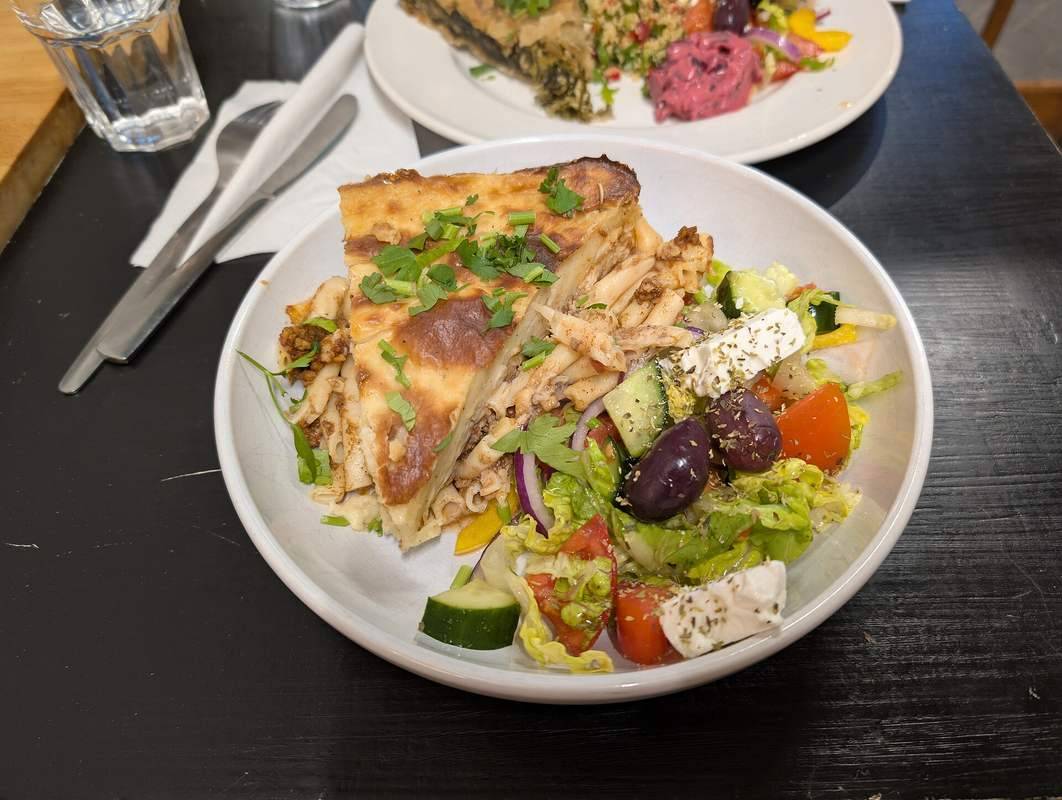
You typically cook classic Greek and Santorini dishes such as tomatokeftedes, the island’s tomato fritters, creamy fava, Greek salad, tzatziki, moussaka and a sweet like fried filo pie with honey. The menus use seasonal island ingredients.
The menus celebrate authentic Santorini and Greek home cooking. A class might cover the island’s signature tomatokeftedes, crisp fritters made from the famously sweet local cherry tomatoes, alongside the creamy yellow split-pea pur\u00e9e fava, a fresh Greek salad with Santorini capers, tzatziki and other mezze to start. Mains often include a classic moussaka or a dish built around the sweet white aubergine, finishing with a Greek dessert such as a fried filo pie with feta and honey, or loukoumades. Everything is made from fresh, seasonal island produce, and the chef shares the techniques and the stories behind each dish, set out alongside the guide to Santorini wine, often part of the experience. The classes welcome everyone.
What is the experience like?
The experience is hands-on, relaxed and sociable, often in a homey cave house or a farm with vineyard views, led by a chef who shares stories about the island and its ingredients. Most classes include the meal you cook and a wine tasting.
A cooking class is as much about culture as cuisine. The atmosphere is warm and informal, whether in a traditional cave house, a village home or a farmhouse overlooking the vineyards, and the local guide or chef brings the food to life with stories about the island’s history, traditions and the volcanic soil that gives its produce such intense flavour. You prepare the dishes together step by step, often a multi-course meal, then savour them as a group, usually accompanied by a tasting of the island’s crisp Assyrtiko or sweet Vinsanto wine. It is a genuine, immersive way to connect with Santorini and its people, set out alongside the guide to a Santorini private tour. The cost and booking are simple.
How much does it cost and how do you book?
A Santorini cooking class typically costs from around 70 euros per adult, often with reduced rates for children, including the lesson, the meal and a tasting of wine. You book online or through local operators in advance, as classes fill up in summer.
Cooking classes are good value for the depth of experience. Prices generally start from around 70 euros per adult, and many offer reduced rates for children. The fee usually includes the hands-on lesson, the multi-course meal you prepare and a tasting of local wine, sometimes with hotel pick-up.
The best classes keep groups small for a personal feel and are very popular, so booking online or through a local operator well in advance is wise. This matters most in the busy summer months. Most hosts happily cater for vegetarians and dietary needs given notice. A hire car or transfer helps for classes held out in the countryside, set out alongside the guides to Santorini car rental and a Santorini itinerary. Knowing who a class suits helps you choose one.
Who is a Santorini cooking class for?
A Santorini cooking class suits food-lovers, couples, families and solo travellers who want a hands-on, cultural experience beyond the beach. No cooking skill is needed, as the chef guides every step, and most hosts adapt dishes for special diets.
Cooking classes appeal to a wide range of visitors. Food-lovers enjoy learning authentic recipes at the source. Couples find it a relaxed, sociable way to spend an afternoon together. Families with children often join, as the hands-on tasks and friendly hosts keep younger cooks engaged. Solo travellers use the shared table to meet others in a warm setting. You do not need any cooking experience, because the chef leads each step and keeps the mood easy. Most hosts adapt the menu for vegetarians, vegans and common allergies when told in advance, set out alongside the guide to Santorini food. The island’s produce is at the heart of every class.
What makes Santorini’s ingredients special?
Santorini’s ingredients are special because the dry volcanic soil concentrates their flavour. The sweet cherry tomatoes, white aubergines, capers and yellow split peas for fava all grow with little water, giving intense taste. Classes build their menus around this fresh, seasonal island produce.
The volcanic land shapes everything you cook. The island’s small cherry tomatoes are famously sweet and rich, ideal for tomatokeftedes. The pale Santorini fava, made from local yellow split peas, is prized across Greece for its creamy texture. White aubergines, less bitter than the purple kind, turn up in many island dishes. Wild capers and caper leaves add a sharp, briny note to salads and mezze. Because the vines and vegetables grow with almost no rain, their flavours are concentrated and distinctive. A good class explains where each ingredient comes from and why it tastes as it does, set out alongside the guide to Santorini wine. The questions below cover the points travellers ask most.
Frequently Asked Questions
What do you cook in a Santorini cooking class?
You typically cook traditional dishes such as tomatokeftedes (the island’s tomato fritters), creamy fava, Greek salad, tzatziki, moussaka and a sweet like fried filo pie with feta and honey, using fresh seasonal island ingredients, especially the famous local tomato.
How much does a Santorini cooking class cost?
A Santorini cooking class typically costs from around 70 euros per adult, often with reduced rates for children, including the hands-on lesson, the meal you prepare and a glass or tasting of local wine. Booking online in advance is wise as small classes fill up in summer.
Where are Santorini cooking classes held?
Santorini cooking classes are held in atmospheric settings such as traditional cave houses, village homes and vineyard farms, often with caldera or countryside views. Groups are small, usually six to fifteen people, and a local chef guides the hands-on session and shared meal.
How long does a Santorini cooking class last?
A Santorini cooking class usually lasts three to six hours. That time covers a welcome, the hands-on cooking of several dishes, and the shared meal at the end, often with a wine tasting. Longer classes may include a market visit or a tour of the farm and vineyard before you start cooking.
Do you need cooking experience for a Santorini class?
You do not need cooking experience for a Santorini class. The chef or home cook leads every step and keeps the pace relaxed, so complete beginners feel comfortable. The focus is on learning, tasting and enjoying the food together, which makes these classes popular with families and first-time cooks alike.
Is wine included in a Santorini cooking class?
Wine is usually included in a Santorini cooking class, most often a tasting of the island’s crisp Assyrtiko or sweet Vinsanto to match the food you cook. Many classes are held at or near a winery, so the wine pairing forms a natural part of the shared meal at the end of the session.
Should you book a Santorini cooking class in advance?
You should book a Santorini cooking class in advance, especially in the busy summer months. The best classes keep groups small for a personal feel and fill up quickly, so reserving online or through a local operator ahead of time secures your place and lets the host prepare for any dietary needs.