
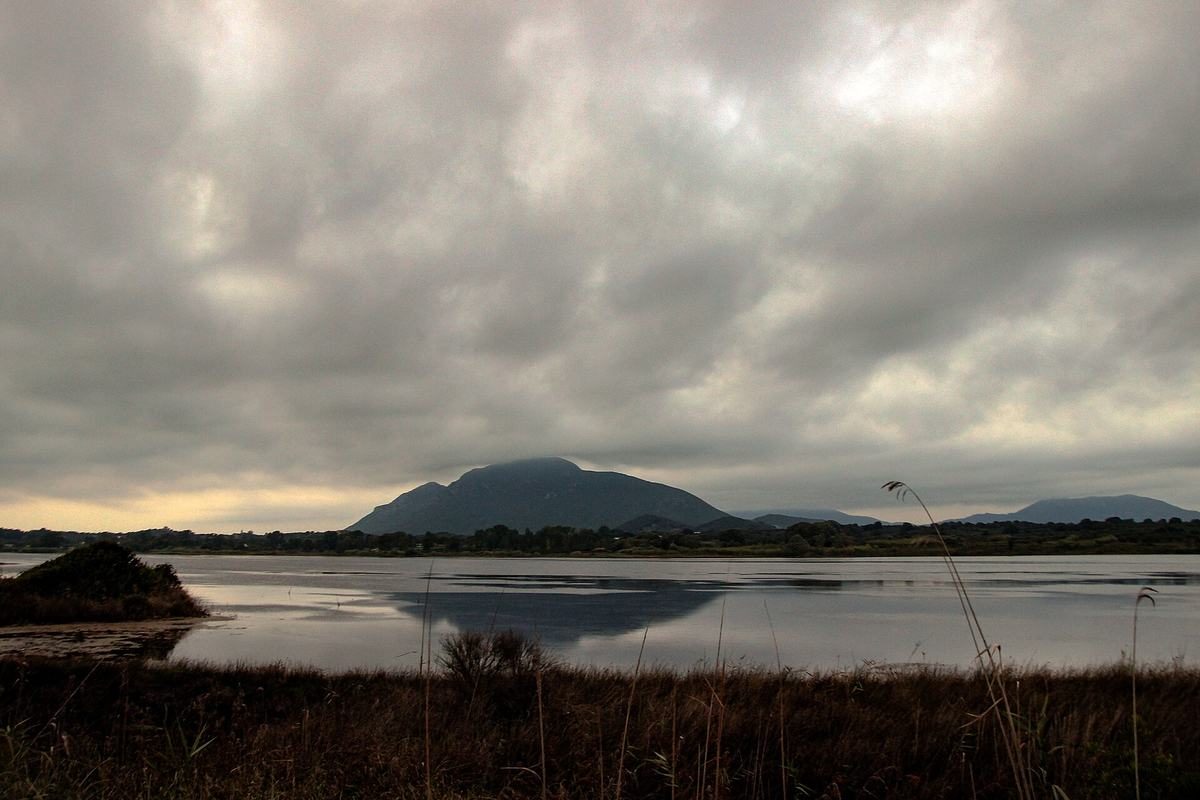
Issos beach Corfu is a vast, wild expanse of golden sand on the southwest coast, famous for the rolling sand dunes dividing the Ionian Sea from the protected Korission Lagoon. This guide covers the beach, the dunes, the lagoon nature reserve, the kitesurfing and how to visit one of Corfu’s largest, most natural beaches. Plan the whole trip with Greece Tours.
Issos is a striking natural landscape, a wild highlight of the wider Corfu beaches guide. It lies on the southwest coast about 23 kilometres from Corfu Town. The sections below cover the beach.
What is Issos beach like?
Issos beach is a vast, wild stretch of golden sand on Corfu’s southwest coast, around 2.4 kilometres long. Mostly natural and undeveloped, with only a couple of beach bars, it has shallow water and an open, empty feel.
Issos is Corfu at its wildest and most spacious. The beach sweeps for roughly 2.4 kilometres of golden sand along the southwest coast, with an average width of about 30 metres, making it one of the biggest beaches on the island. Unlike the organised resorts, most of it is left completely natural, with just a couple of laid-back beach bars offering sunbeds, snacks and drinks, while the rest stays open and undeveloped. The water is shallow and clear, and the sheer scale means it never feels crowded, giving a rare sense of space and wildness, set within the wider things to do in Corfu. The dunes are its signature.
What are the sand dunes?
The sand dunes of Issos are protected dunes separating the beach from the Korission Lagoon, reaching up to 15 metres high. This desert-like landscape is not seen elsewhere on Corfu and forms part of a protected coastal ecosystem.
The dunes give Issos its unique character. Behind the beach lies a broad belt of protected sand dunes, rolling up to around 15 metres in height, that separate the open sea from the lagoon inland. This wild, almost desert-like landscape is unlike anything else on green Corfu and has even stood in for desert scenes on film. Together with a rare cedar, or juniper, forest, the dunes form part of a protected ecosystem, so visitors are asked to tread lightly and keep to paths. Walking among them is a memorable experience and a striking contrast to the island’s usual lush scenery, set out alongside the guide to the best time to visit Corfu. The lagoon is a haven for wildlife.
What is the Korission Lagoon?
The Korission Lagoon is the largest lake in Corfu, a protected wetland behind the dunes of Issos. Separated from the sea by the sandbar and cedar forest, it is a haven for wildlife, with flamingos and over 120 bird species.
Lake Korission is the heart of this wild ecosystem. The largest lagoon on the island, this expanse of shallow saltwater lies just behind the dunes, cut off from the Ionian Sea by the narrow sandbar and its juniper forest. As a protected wetland, it teems with life, drawing flamingos and more than 120 species of birds along with other wildlife, which makes the area one of Corfu’s best places for birdwatching and quiet nature walks. The combination of beach, dunes, cedar forest and lagoon in one place is unique on the island, a landscape to explore as well as a beach to enjoy, set out alongside the guide to Corfu villages of the south. The beach is also a watersports spot.
What activities are there?
Issos is one of Corfu’s top spots for kitesurfing and windsurfing, thanks to reliable winds, with schools on the beach offering lessons. Beyond the water, visitors enjoy shoreline walks, the dunes and cedar forest, and lagoon birdwatching.
The wind that shapes the dunes also makes Issos a watersports magnet. Reliable breezes along this open southwest coast make the beach one of the island’s premier spots for kitesurfing and windsurfing, where schools on the sand offer equipment hire and lessons for beginners and improvers. Away from the water, the sheer length of the beach invites long, peaceful walks, while the dunes, the rare cedar forest and the birdlife of the Korission Lagoon reward exploration on foot. This mix of action and nature, in a wild and uncrowded setting, sets Issos apart from the organised resort beaches, set out alongside the guide to Corfu boat tours. Getting there needs a car.
How do you get to Issos beach?
You reach Issos beach in about 40 minutes by car from Corfu Town, around 23 kilometres southwest. A car is the best way there. The beach is semi-organised, so bring supplies, and the dunes are best seen on foot.
A car is the practical way to reach this wild corner. By car it is roughly a 40-minute drive southwest from Corfu Town, around 23 kilometres. Having your own vehicle gives the freedom to explore the other quiet sandy beaches of the southwest coast, such as Halikounas on the far side of the lagoon. The beach is only semi-organised, with just a couple of beach bars, so it is wise to bring water, snacks and sun protection for a full day.
From the parking areas, the dunes, the cedar forest and the lagoon are all best discovered on foot. The wild, open setting makes the journey worthwhile, set out alongside the guides to how to get to Corfu and Corfu car rental. The questions below cover the points travellers ask most.
What is the cedar forest at Issos?
The cedar forest at Issos is a rare grove of junipers, often called cedars, growing on the sandbar between the dunes and the Korission Lagoon. These wind-shaped trees anchor the sand and form part of the protected coastal habitat.
The juniper grove is one of the most unusual features of the southwest coast. Growing directly on the sandy spit that divides the sea from the lagoon, the low, twisted trees have adapted to salt, wind and shifting dune sand. Their roots help hold the dunes in place, so the forest is both a natural curiosity and a working part of the ecosystem. Shaded paths thread between the trunks, giving welcome cover on hot afternoons and a quiet route toward the water. The mix of forest, dune and lagoon in one narrow strip is what makes this corner of Corfu so distinctive for walkers and nature lovers.
What can you see near Issos beach?
Near Issos you can visit Gardiki Castle, the Byzantine fortress inland, the long sandy beach of Agios Georgios South, and Chalikounas beach on the western side of the Korission Lagoon. The wild dunes also served as a filming location.
The southwest coast rewards a full day of exploring beyond the sand. Gardiki Castle, a ruined octagonal Byzantine fortress, stands a short drive inland and gives a sense of the island’s medieval past. Agios Georgios South stretches for kilometres of open sand nearby, while Chalikounas beach lines the far, western edge of the lagoon and is another kitesurfing favourite. The dunes themselves have a place in film history, standing in for desert scenery in the James Bond picture For Your Eyes Only. Together these sights make Issos a natural base for touring the wild south, with beaches, castle and lagoon all within easy reach.
Frequently Asked Questions
What is Issos beach Corfu known for?
Issos is known for being one of Corfu’s largest, wildest sandy beaches, famous for its rolling sand dunes up to 15 metres high that separate the sea from the protected Korission Lagoon. It is also a top spot for kitesurfing and birdwatching.
Can you swim at Issos beach?
You can swim at Issos, where the water is shallow and clear, though the open coast can bring winds and small waves. The beach is semi-organised with a couple of beach bars offering sunbeds, while much of it is left natural, so bring water and supplies.
What is the Korission Lagoon?
The Korission Lagoon is the largest lake on Corfu, a protected saltwater wetland behind the dunes of Issos, separated from the sea by a sandbar and cedar forest. It is a haven for wildlife, with flamingos and 120-plus bird species, ideal for birdwatching.
Is Issos beach good for kitesurfing?
Issos is one of the best kitesurfing and windsurfing spots on Corfu, thanks to the reliable winds along the open southwest coast. Schools on the sand rent equipment and give lessons, and the shallow water suits beginners while the steady breeze rewards improvers.