
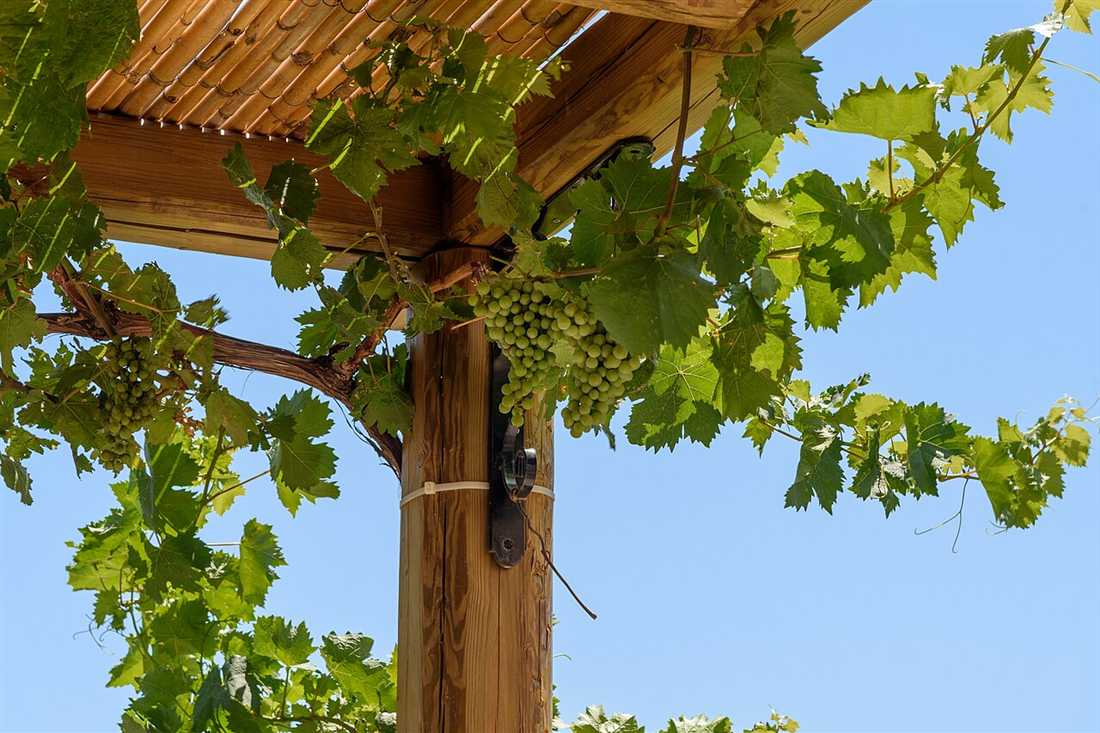
A Kos wine tasting takes you inland to a working family estate, through the vineyard and the cellar and on to a seated tasting of four to six wines with a plate of krasotyri cheese, olives and bread, over three to four hours with the driving done for you. Plan the rest of the island with Greece Tours.
This guide covers the visit in full: which estates receive visitors, the grapes grown on the island and how they taste, what a tour costs against a walk-in tasting, the food served, the transport and the drink-driving question, the harvest season, buying bottles to take home, and how to book.
What does a Kos wine tasting involve?
A visit to one or two working estates on the island, a walk through the vineyard and the cellar, and a seated tasting of four to six wines with a plate of local cheese, olives and bread, run over three to four hours with transport included.
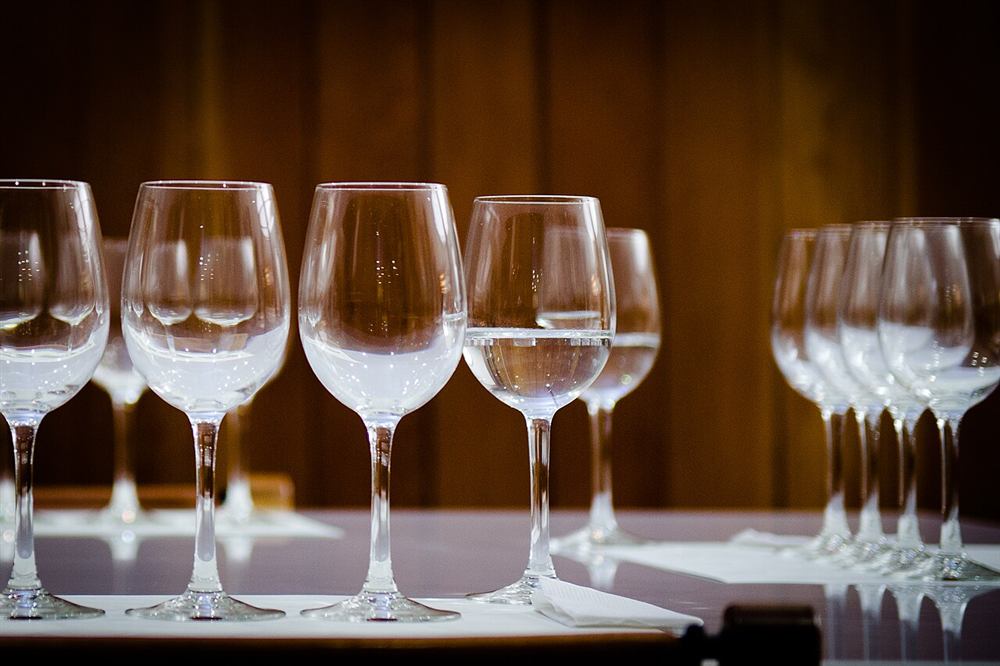
A Kos wine tasting runs inland, away from the beach strip. The estates sit inland, away from the beach strip, on the clay and volcanic soils of the island’s centre and west. The visit follows the same order at each: the vines, the press and tank hall, the barrel room, then the table. The pour is measured and the talk is about the grape rather than the label. Triantafyllopoulos sits on the northern slopes below Dikeos. Athiri and Malagousia round out the white blends. A Kos wine tasting pours four to six wines at the table. The estate plate carries olives, tomato, rusk and bread. The minibus removes the drink-driving question entirely. The late-afternoon slot is the comfortable one in high summer. A Kos wine tasting pairs with a village dinner at Zia. Groups on a Kos wine tasting run from four to sixteen people. Appointments are required rather than encouraged. Cancellation runs free to twenty-four hours before pickup.
Harvest falls in August and early September on the island. The format is small. Groups run from four to sixteen people, the host is frequently a member of the family that owns the estate, and the questions get answered rather than deflected to a script. That is the difference between this and a coach stop at a shop. Bottles bought at the estate cost less than the airport shelf. Antimachia castle sits fifteen minutes from the western estate. The tasting fee is credited against a case purchase. Private visits make sense from four people upward. Hatziemmanouil works the flatter western ground near Antimachia. Assyrtiko carries the island’s white wine reputation. Syrah handles the heat of the western vineyards. Krasotyri is the island cheese matured in wine lees. A Kos wine tasting takes three to four hours door to door. Pickup runs cover Kos Town, Tigaki, Marmari and Kardamena.
Which wineries does a Kos wine tasting visit?
Hatziemmanouil in the island’s west near Antimachia, and Triantafyllopoulos on the northern slopes near Asfendiou. Both are family estates that grow, press and bottle on site, and both take visitors by appointment through the season.
Hatziemmanouil works the flatter western ground near Antimachia. Hatziemmanouil works the flatter western ground where the vineyards run in long blocks under the ridge. The estate presses and ages on site and the tasting room looks over the vines. It is the estate most tours pair with a morning at Antimachia or a Kefalos beach afternoon. Assyrtiko carries the island’s white wine reputation. Syrah handles the heat of the western vineyards. Krasotyri is the island cheese matured in wine lees. A Kos wine tasting takes three to four hours door to door. Pickup runs cover Kos Town, Tigaki, Marmari and Kardamena. Bottles bought at the estate cost less than the airport shelf. Antimachia castle sits fifteen minutes from the western estate. The tasting fee is credited against a case purchase. Private visits make sense from four people upward. A Kos wine tasting runs inland, away from the beach strip.
The late-afternoon slot is the comfortable one in high summer. Triantafyllopoulos sits higher on the north-facing slopes below Dikeos, in the belt of villages that includes the Asfendiou villages. The altitude gives cooler nights and the wines show it. A tasting there pairs naturally with a village lunch on the way down. A Kos wine tasting pairs with a village dinner at Zia. Groups on a Kos wine tasting run from four to sixteen people. Appointments are required rather than encouraged. Cancellation runs free to twenty-four hours before pickup. Triantafyllopoulos sits on the northern slopes below Dikeos. Athiri and Malagousia round out the white blends. A Kos wine tasting pours four to six wines at the table. The estate plate carries olives, tomato, rusk and bread. The minibus removes the drink-driving question entirely. Harvest falls in August and early September on the island.
What grapes grow on Kos?
White Assyrtiko, Athiri, Malagousia and Chardonnay; red Syrah, Merlot and Cabernet Sauvignon. The whites carry the island’s reputation, and the reds come off the warmer western blocks in smaller volumes.
Triantafyllopoulos sits on the northern slopes below Dikeos. Assyrtiko is the Aegean workhorse and it behaves here as it does across the islands: high acid, citrus and salt, and enough backbone to age. Athiri is softer and rounder and is frequently blended with it. Malagousia brings the aromatic top note that makes the summer whites drinkable cold on a terrace. Athiri and Malagousia round out the white blends. A Kos wine tasting pours four to six wines at the table. The estate plate carries olives, tomato, rusk and bread. The minibus removes the drink-driving question entirely. Harvest falls in August and early September on the island. A Kos wine tasting pairs with a village dinner at Zia. Groups on a Kos wine tasting run from four to sixteen people. Appointments are required rather than encouraged. Cancellation runs free to twenty-four hours before pickup. Hatziemmanouil works the flatter western ground near Antimachia.
Bottles bought at the estate cost less than the airport shelf. The reds are the surprise for most visitors. Syrah handles the heat of the western vineyards and comes through with pepper and dark fruit, and the Bordeaux varieties are used both single and blended. Tastings pour whites first, then rosé, then reds, then a sweet wine where the estate makes one. Antimachia castle sits fifteen minutes from the western estate. The tasting fee is credited against a case purchase. Private visits make sense from four people upward. A Kos wine tasting runs inland, away from the beach strip. Assyrtiko carries the island’s white wine reputation. Syrah handles the heat of the western vineyards. Krasotyri is the island cheese matured in wine lees. A Kos wine tasting takes three to four hours door to door. Pickup runs cover Kos Town, Tigaki, Marmari and Kardamena. The late-afternoon slot is the comfortable one in high summer.
What does a Kos wine tasting cost?
From about 45 to 75 euros per person for a guided tour with transport and a food plate, and from about 15 to 25 euros for a tasting alone at the estate door. Private groups run from about 250 euros for the vehicle and the visit.
Assyrtiko carries the island’s white wine reputation. The organised version carries the driver, the guide, the winery fee and the plate. The independent version is cheaper and needs a car, which is where the arithmetic turns: one driver stays sober and the saving disappears against a taxi from the coast. Syrah handles the heat of the western vineyards. Krasotyri is the island cheese matured in wine lees. A Kos wine tasting takes three to four hours door to door. Pickup runs cover Kos Town, Tigaki, Marmari and Kardamena. The late-afternoon slot is the comfortable one in high summer. Antimachia castle sits fifteen minutes from the western estate. The tasting fee is credited against a case purchase. Private visits make sense from four people upward. A Kos wine tasting runs inland, away from the beach strip. Triantafyllopoulos sits on the northern slopes below Dikeos.
A Kos wine tasting pairs with a village dinner at Zia. Bottles bought at the estate run from about 9 to 20 euros for the standard range and higher for the reserve labels. Estates deduct the tasting fee from a case purchase as a matter of course rather than as a promotion. Groups on a Kos wine tasting run from four to sixteen people. Appointments are required rather than encouraged. Cancellation runs free to twenty-four hours before pickup. Hatziemmanouil works the flatter western ground near Antimachia. Athiri and Malagousia round out the white blends. A Kos wine tasting pours four to six wines at the table. The estate plate carries olives, tomato, rusk and bread. The minibus removes the drink-driving question entirely. Harvest falls in August and early September on the island. Bottles bought at the estate cost less than the airport shelf.
How long does the visit take and what is the format?
Three to four hours door to door from the coastal resorts: forty minutes each way on the road, an hour in the vineyard and cellar, and an hour at the table with the wines and the food.
Athiri and Malagousia round out the white blends. Most tours run in the late afternoon, when the light is low over the vines and the heat has gone out of the day. Morning visits happen in the shoulder months and at harvest, when the presses are working and there is something to watch rather than to imagine. A Kos wine tasting pours four to six wines at the table. The estate plate carries olives, tomato, rusk and bread. The minibus removes the drink-driving question entirely. Harvest falls in August and early September on the island. Bottles bought at the estate cost less than the airport shelf. Groups on a Kos wine tasting run from four to sixteen people. Appointments are required rather than encouraged. Cancellation runs free to twenty-four hours before pickup. Hatziemmanouil works the flatter western ground near Antimachia. Assyrtiko carries the island’s white wine reputation.
Antimachia castle sits fifteen minutes from the western estate. The two-estate version adds an hour and a second drive, and it makes sense when the contrast is the point: the warm western ground against the cooler northern slopes. The single-estate version leaves room for a village dinner afterwards. The tasting fee is credited against a case purchase. Private visits make sense from four people upward. A Kos wine tasting runs inland, away from the beach strip. Triantafyllopoulos sits on the northern slopes below Dikeos. Syrah handles the heat of the western vineyards. Krasotyri is the island cheese matured in wine lees. A Kos wine tasting takes three to four hours door to door. Pickup runs cover Kos Town, Tigaki, Marmari and Kardamena. The late-afternoon slot is the comfortable one in high summer. A Kos wine tasting pairs with a village dinner at Zia.
What food comes with the tasting?
Local cheese, cured meat, olives, tomato, rusk and bread with the estate’s own oil, served as a plate rather than a meal. Part of the programme extends it to a full mezze table with hot dishes.
Syrah handles the heat of the western vineyards. Kos cheese is the anchor: the island’s own krasotyri, a hard sheep’s cheese matured in wine lees that turns purple at the rind and answers the reds directly. It appears on every plate here and it is the single item most visitors ask about afterwards. Krasotyri is the island cheese matured in wine lees. A Kos wine tasting takes three to four hours door to door. Pickup runs cover Kos Town, Tigaki, Marmari and Kardamena. The late-afternoon slot is the comfortable one in high summer. A Kos wine tasting pairs with a village dinner at Zia. The tasting fee is credited against a case purchase. Private visits make sense from four people upward. A Kos wine tasting runs inland, away from the beach strip. Triantafyllopoulos sits on the northern slopes below Dikeos. Athiri and Malagousia round out the white blends.
Groups on a Kos wine tasting run from four to sixteen people. The oil, the olives and the tomatoes are local and stated as such. Vegetarian and gluten-free plates are prepared when the booking says so, and the estates handle that without ceremony. The wider island table is covered in Kos restaurants. Appointments are required rather than encouraged. Cancellation runs free to twenty-four hours before pickup. Hatziemmanouil works the flatter western ground near Antimachia. Assyrtiko carries the island’s white wine reputation. A Kos wine tasting pours four to six wines at the table. The estate plate carries olives, tomato, rusk and bread. The minibus removes the drink-driving question entirely. Harvest falls in August and early September on the island. Bottles bought at the estate cost less than the airport shelf. Antimachia castle sits fifteen minutes from the western estate.
How do you get to the wineries?
By tour minibus with hotel pickup from Kos Town, Tigaki, Marmari, Mastichari and Kardamena, or by hire car on the island’s main road. The estates sit ten to twenty-five minutes inland from the coast.
A Kos wine tasting pours four to six wines at the table. The transport is the practical reason to book the organised version. Greek drink-driving limits are enforced and a tasting is four to six pours; the minibus removes the question. Pickup runs are timed to reach the estate as the afternoon cools. The estate plate carries olives, tomato, rusk and bread. The minibus removes the drink-driving question entirely. Harvest falls in August and early September on the island. Bottles bought at the estate cost less than the airport shelf. Antimachia castle sits fifteen minutes from the western estate. Appointments are required rather than encouraged. Cancellation runs free to twenty-four hours before pickup. Hatziemmanouil works the flatter western ground near Antimachia. Assyrtiko carries the island’s white wine reputation. Syrah handles the heat of the western vineyards.
The tasting fee is credited against a case purchase. By car the roads are straightforward: the main island road runs the spine and the estate turnings are signed. Parking is on site and free. Anyone driving nominates a non-drinking driver at the tasting, and the estates pour water and spit cups without comment. Private visits make sense from four people upward. A Kos wine tasting runs inland, away from the beach strip. Triantafyllopoulos sits on the northern slopes below Dikeos. Athiri and Malagousia round out the white blends. Krasotyri is the island cheese matured in wine lees. A Kos wine tasting takes three to four hours door to door. Pickup runs cover Kos Town, Tigaki, Marmari and Kardamena. The late-afternoon slot is the comfortable one in high summer. A Kos wine tasting pairs with a village dinner at Zia. Groups on a Kos wine tasting run from four to sixteen people.
When is the best season, and what happens at harvest?
May to October for the visits, with the harvest in August and early September. Harvest week puts the crush, the press and the fermenting tanks in front of visitors, which no other month can offer.
Krasotyri is the island cheese matured in wine lees. Spring shows the vines in leaf and the cellar quiet, which suits a slow tasting. High summer is hot inland and the late-afternoon slot is the only comfortable one. Autumn brings the harvest and the new wine, and the estates are busiest and most interesting at once. A Kos wine tasting takes three to four hours door to door. Pickup runs cover Kos Town, Tigaki, Marmari and Kardamena. The late-afternoon slot is the comfortable one in high summer. A Kos wine tasting pairs with a village dinner at Zia. Groups on a Kos wine tasting run from four to sixteen people. Private visits make sense from four people upward. A Kos wine tasting runs inland, away from the beach strip. Triantafyllopoulos sits on the northern slopes below Dikeos. Athiri and Malagousia round out the white blends. A Kos wine tasting pours four to six wines at the table.
Appointments are required rather than encouraged. Winter closes most visits to appointment only. A December traveller finds the tasting room open on request and the vineyard bare, which is a different and quieter experience rather than a lesser one. Cancellation runs free to twenty-four hours before pickup. Hatziemmanouil works the flatter western ground near Antimachia. Assyrtiko carries the island’s white wine reputation. Syrah handles the heat of the western vineyards. The estate plate carries olives, tomato, rusk and bread. The minibus removes the drink-driving question entirely. Harvest falls in August and early September on the island. Bottles bought at the estate cost less than the airport shelf. Antimachia castle sits fifteen minutes from the western estate. The tasting fee is credited against a case purchase.
Can you buy bottles and take them home?
Yes. Estates sell from the tasting room at cellar prices, wrap for travel and pack cases for hold luggage. Airline rules allow wine in checked bags, and the estates supply the padded sleeves that keep it intact.
The estate plate carries olives, tomato, rusk and bread. Buying at the estate is cheaper than the airport and considerably cheaper than a resort shop. A mixed six is the usual purchase, and it is where the tasting fee gets credited back on most visits. The minibus removes the drink-driving question entirely. Harvest falls in August and early September on the island. Bottles bought at the estate cost less than the airport shelf. Antimachia castle sits fifteen minutes from the western estate. The tasting fee is credited against a case purchase. Cancellation runs free to twenty-four hours before pickup. Hatziemmanouil works the flatter western ground near Antimachia. Assyrtiko carries the island’s white wine reputation. Syrah handles the heat of the western vineyards. Krasotyri is the island cheese matured in wine lees.
Private visits make sense from four people upward. Hand luggage is out of the question above the liquid limit, so anything bought is going in the hold. Travellers on hand-baggage-only fares order for delivery instead, which the larger estates arrange within the European Union. A Kos wine tasting runs inland, away from the beach strip. Triantafyllopoulos sits on the northern slopes below Dikeos. Athiri and Malagousia round out the white blends. A Kos wine tasting pours four to six wines at the table. A Kos wine tasting takes three to four hours door to door. Pickup runs cover Kos Town, Tigaki, Marmari and Kardamena. The late-afternoon slot is the comfortable one in high summer. A Kos wine tasting pairs with a village dinner at Zia. Groups on a Kos wine tasting run from four to sixteen people. Appointments are required rather than encouraged.
How does a wine tasting fit with the rest of the island?
It pairs with the inland villages rather than the beaches. Zia for the sunset afterwards, the Asfendiou villages for lunch before, Antimachia castle and the airport side for a morning, and Kefalos for a beach day either side.
A Kos wine tasting takes three to four hours door to door. The common shape is a late-afternoon tasting followed by dinner at Zia as the sun drops behind Kalymnos. Both sit on the same northern slope and the drive between them takes twenty minutes. Pickup runs cover Kos Town, Tigaki, Marmari and Kardamena. The late-afternoon slot is the comfortable one in high summer. A Kos wine tasting pairs with a village dinner at Zia. Groups on a Kos wine tasting run from four to sixteen people. Appointments are required rather than encouraged. A Kos wine tasting runs inland, away from the beach strip. Triantafyllopoulos sits on the northern slopes below Dikeos. Athiri and Malagousia round out the white blends. A Kos wine tasting pours four to six wines at the table. The estate plate carries olives, tomato, rusk and bread.
Cancellation runs free to twenty-four hours before pickup. The western estates pair with Antimachia and its Venetian castle, which is fifteen minutes away and empty most afternoons. That makes a half-day out of a two-hour stop. Hatziemmanouil works the flatter western ground near Antimachia. Assyrtiko carries the island’s white wine reputation. Syrah handles the heat of the western vineyards. Krasotyri is the island cheese matured in wine lees. The minibus removes the drink-driving question entirely. Harvest falls in August and early September on the island. Bottles bought at the estate cost less than the airport shelf. Antimachia castle sits fifteen minutes from the western estate. The tasting fee is credited against a case purchase. Private visits make sense from four people upward.
Who does a Kos wine tasting suit, and is private worth it?
Couples, small groups and travellers who have exhausted the beach list. The private version is worth the money for four or more, when the vehicle cost splits and the pace becomes yours.
The minibus removes the drink-driving question entirely. The group tour is sociable and fixed: set pickup, set stops, set return. The private tour sets its own hours, adds a second estate or a village dinner, and holds the car for the evening. From four people up the per-head difference narrows to the price of a bottle. Harvest falls in August and early September on the island. Bottles bought at the estate cost less than the airport shelf. Antimachia castle sits fifteen minutes from the western estate. The tasting fee is credited against a case purchase. Private visits make sense from four people upward. Hatziemmanouil works the flatter western ground near Antimachia. Assyrtiko carries the island’s white wine reputation. Syrah handles the heat of the western vineyards. Krasotyri is the island cheese matured in wine lees. A Kos wine tasting takes three to four hours door to door.
A Kos wine tasting runs inland, away from the beach strip. Families are welcome and children are given juice and a plate. The estates are working farms rather than attractions, so pushchairs are awkward on the vineyard walk and a carrier works better. Triantafyllopoulos sits on the northern slopes below Dikeos. Athiri and Malagousia round out the white blends. A Kos wine tasting pours four to six wines at the table. The estate plate carries olives, tomato, rusk and bread. Pickup runs cover Kos Town, Tigaki, Marmari and Kardamena. The late-afternoon slot is the comfortable one in high summer. A Kos wine tasting pairs with a village dinner at Zia. Groups on a Kos wine tasting run from four to sixteen people. Appointments are required rather than encouraged. Cancellation runs free to twenty-four hours before pickup.


How do you book, and what are the terms?
Two to five days ahead in July and August and a day ahead outside them. Cancellation runs free to twenty-four hours with most operators, and pickup times are confirmed the evening before.
Pickup runs cover Kos Town, Tigaki, Marmari and Kardamena. Appointments matter here in a way they do not at a beach excursion. The estates run small tasting rooms and a walk-in on an August afternoon is turned away. The booking states the group size, the language and any dietary needs. The late-afternoon slot is the comfortable one in high summer. A Kos wine tasting pairs with a village dinner at Zia. Groups on a Kos wine tasting run from four to sixteen people. Appointments are required rather than encouraged. Cancellation runs free to twenty-four hours before pickup. Triantafyllopoulos sits on the northern slopes below Dikeos. Athiri and Malagousia round out the white blends. A Kos wine tasting pours four to six wines at the table. The estate plate carries olives, tomato, rusk and bread. The minibus removes the drink-driving question entirely.
Hatziemmanouil works the flatter western ground near Antimachia. Confirmations carry the pickup point rather than the hotel name where the minibus cannot reach the door, which happens in the older parts of Kos Town. Reading that line the evening before saves the twenty minutes it otherwise costs. The island overview sits at Kos. Assyrtiko carries the island’s white wine reputation. Syrah handles the heat of the western vineyards. Krasotyri is the island cheese matured in wine lees. A Kos wine tasting takes three to four hours door to door. Harvest falls in August and early September on the island. Bottles bought at the estate cost less than the airport shelf. Antimachia castle sits fifteen minutes from the western estate. The tasting fee is credited against a case purchase. Private visits make sense from four people upward. A Kos wine tasting runs inland, away from the beach strip.
Frequently Asked Questions
What does a Kos wine tasting cost?
From about 45 to 75 euros per person for a guided tour with transport and a food plate, and from about 15 to 25 euros for a tasting alone at the estate. Private groups run from about 250 euros.
Which wineries can you visit on Kos?
Hatziemmanouil in the west near Antimachia and Triantafyllopoulos on the northern slopes near Asfendiou. Both are family estates that grow, press and bottle on site and receive visitors by appointment.
Which grapes are grown on Kos?
Assyrtiko, Athiri, Malagousia and Chardonnay for the whites; Syrah, Merlot and Cabernet Sauvignon for the reds. The whites carry the island’s reputation and the reds come off the warmer western blocks.