
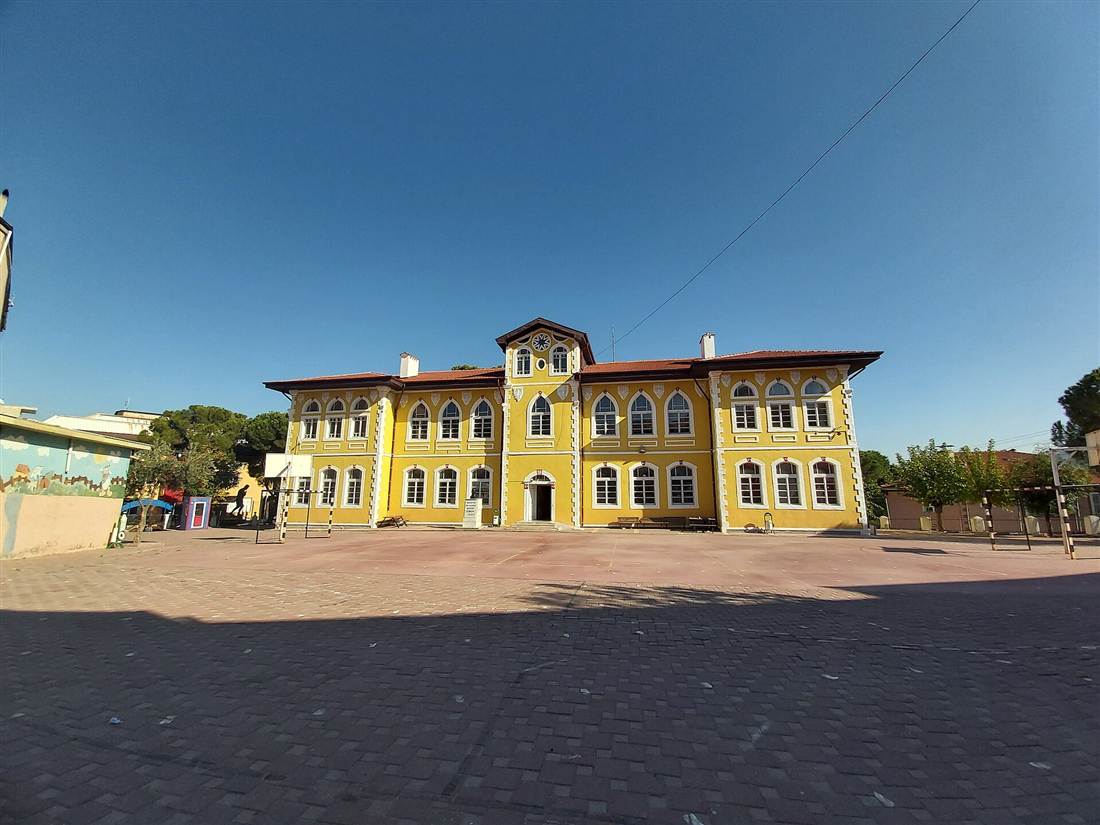
Buldan is a historic weaving town in the hills of Denizli province, about 40 kilometres from Pamukkale, famous for its centuries-old handloom textiles and its restored Ottoman-Greek stone houses, and a member of the Cittaslow slow-city network. Plan the whole trip with Greece Tours.
This guide covers Buldan in full: what the town is and where it lies, why it is famous for weaving, the old stone houses, what there is to do, the Cittaslow status, the nearby ancient city of Tripolis and the plateau, how to visit from Denizli and Pamukkale, and the best time to come.
What is Buldan in Turkey?
Buldan is a historic weaving town in the hills of Denizli province in western Turkey, celebrated for handloom textiles, restored Ottoman-Greek stone houses, and a slow, craft-based way of life set on a green hillside above the Menderes valley.
The town sits on the slopes of Mount Suleymanli, its stone-and-timber houses stacked in tiers along narrow lanes that climb from the market square. Weavers work cotton and silk on wooden looms in ground-floor workshops, and the sound of the shuttle carries through the old quarter. Buldan carries a reputation across Turkey as a source of light cotton cloth, bedspreads, tablecloths, and scarves.
Buldan pairs living craft with preserved architecture, which sets it apart from the resort towns of the coast. The population works the looms, tends orchards on the surrounding hills, and runs the shops that line the centre. Travellers who reach Buldan find a district that keeps its trade, its houses, and its rhythm intact, a short drive from the travertine terraces of Pamukkale.
The name Buldan attaches to both the town and the wider district of the same name within Denizli province. The district gathers the hillside town, the plateau villages above it, and the valley farms below into one administrative unit. Its economy rests on three pillars: the loom, the orchard, and, increasingly, the traveller who comes for craft and stone streets. That mix keeps the town rooted in production rather than tourism alone, a distinction visible the moment a visitor steps into a working weaving shop.
Where is Buldan and how far from Pamukkale?
Buldan lies about 40 km north-west of Denizli city and roughly 40 km from Pamukkale, perched in the hills above the Buyuk Menderes valley in western Turkey. The drive from Pamukkale takes about 45 minutes on the valley roads.
The town occupies a hillside terrace overlooking the broad plain of the Menderes river, the ancient Maeander that gives the meander its name. From the valley floor the road climbs through vineyards and olive groves before it reaches the stone streets of the old centre. The elevation gives Buldan cooler air than the plain, a difference travellers feel on a summer afternoon.
Denizli, the provincial capital, functions as the transport hub for the district. Trains and long-distance buses reach Denizli, and from there minibuses and hire cars run north-west to Buldan. The position places the town within a compact triangle of sights: Pamukkale to the south-east, the ruins of Tripolis in the valley below, and the Suleymanli plateau on the heights above.
Distance turns Buldan into a natural extension of a Pamukkale trip rather than a separate journey. Izmir and its Adnan Menderes airport lie roughly three hours north-west by road, and the coastal resorts of the Aegean sit within half a day’s drive. The town’s location on the northern flank of the Menderes valley opens long views south across the plain to the ridge that carries the white terraces of Pamukkale, a horizon that ties the two places together in a single field of sight.
Why is Buldan famous for weaving?
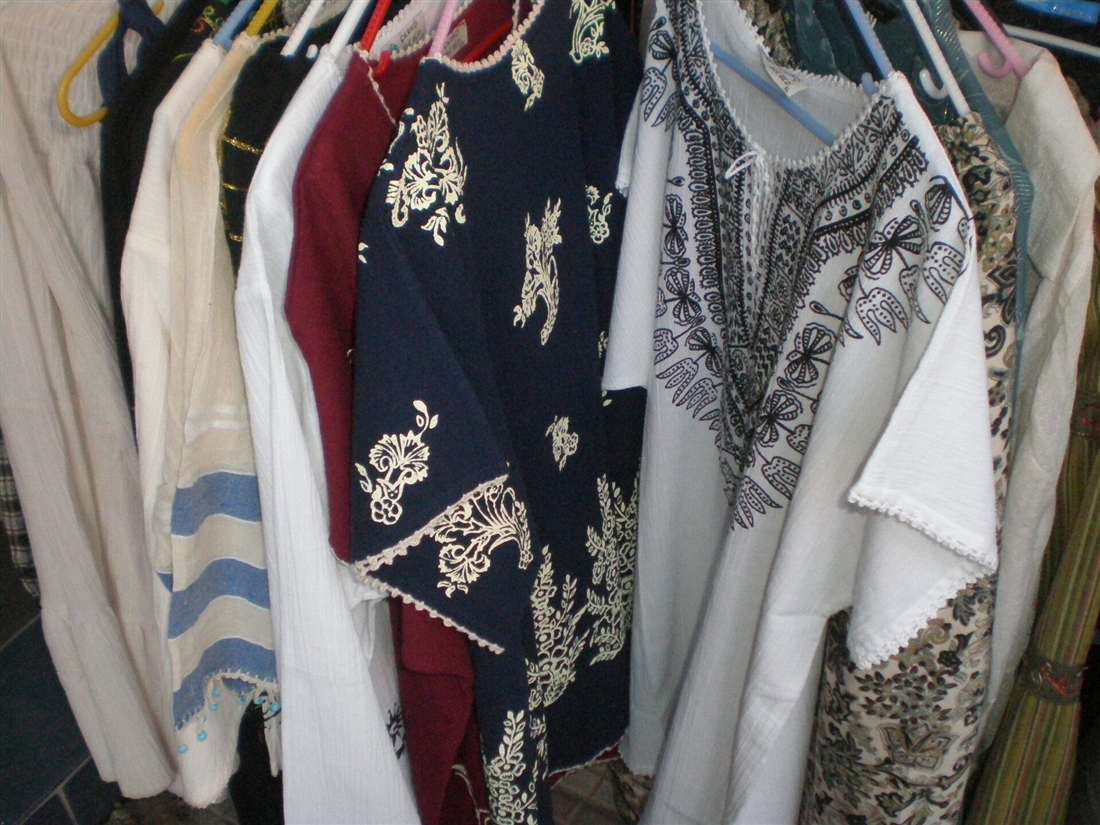
Buldan is famous for a handloom weaving tradition that stretches back centuries, producing light cotton and silk textiles on wooden looms. The town’s bedspreads, gauzy scarves, tablecloths, and the crinkled cloth known as buldan bezi carry its name across Turkey.
Weaving in Buldan runs through households and workshops rather than large factories. Craftspeople thread the loom, work the treadle, and pass the shuttle by hand, a method that yields a soft, breathable fabric prized for summer wear and bridal trousseaux. The signature buldan bezi crinkles as it is woven, giving the cloth its distinctive puckered texture and its cool feel against the skin.
The trade shaped the town’s wealth and its architecture. Merchant weavers built the tall stone houses of the old quarter from the profits of cloth sold to Izmir, Istanbul, and beyond. Shops in the centre stack bolts of fabric, folded bedspreads, and pashmina-weight scarves in stripes and plain dyes. Buyers watch weavers at the loom, then choose cloth cut to length, a direct line from craft to sale that keeps the tradition alive.
The fibres define the product. Cotton grown on the valley floor supplies the base thread for everyday cloth, while silk lends its sheen to bridal fabric and finer scarves. Natural dyes from walnut husk, madder root, and pomegranate rind colour the yarn in the earthy tones the town favours. The looms turn out peshtemal towels for the hammam, gauzy summer wraps, curtain cloth, and the woven bedspreads that furnish households across the region.
Buldan bezi earned protected geographical indication status, a legal mark that ties the name to the town and its method. The designation guards the reputation of the cloth against imitation and confirms the craft as heritage. Weaving cooperatives and family firms sustain the trade, passing the skill from parent to child at the loom, so that the shuttle keeps moving through the workshops of the old quarter.
What are the old houses of Buldan?
The old houses of Buldan are restored Ottoman-Greek town houses of stone and timber, built two and three storeys tall along narrow cobbled streets. Carved wooden bay windows, inner courtyards, and heavy stone ground floors mark the historic quarter of the hillside town.
The mixed Ottoman and Greek heritage of the district left a distinctive building style. Masons laid rough stone for the lower walls and framed the upper storeys in timber, with projecting cumba windows that lean out over the lane to catch light and air. Behind the street façades, shaded courtyards held the household’s water, its vines, and its outdoor work, screened from the public street.
Restoration work returned rows of these houses to their original form, and the historic centre stands as a protected conservation area. Wandering the quarter, a visitor passes doorways framed in carved stone, mounts steep cobbled ramps between the tiers, and looks out from the upper lanes across the valley. The houses lend the town its texture: weathered stone, silvered timber, and the deep shade of the narrow streets.
The layout of a Buldan house follows the pattern of the wider Ottoman world. The stone ground floor held the storeroom, the workshop, and the stable, cool and secure behind thick walls. The timber upper floors carried the living rooms, warmed by sun and fitted with built-in cupboards and low seating benches around the walls. The cumba, the projecting bay, gave the women of the house a screened view of the street below without exposure to it.
The Greek presence in the district before the population exchange of the early twentieth century left its mark on this stock of houses. Stone masonry, tiled roofs, and church-influenced detailing sit alongside the Ottoman timber tradition, and the blend gives the old quarter its particular character. A number of the restored houses now serve as guesthouses and craft shops, so a traveller sleeps or shops inside the architecture that the weaving trade built.
What is there to do in Buldan?
In Buldan visitors tour the weaving workshops, browse the fabric shops, walk the old stone quarter, shop the weekly market, and eat local hill food. The town rewards a slow half-day on foot, from the looms in the centre to the viewpoints on the upper lanes.
The weaving workshops form the heart of a visit. Craftspeople demonstrate the loom, and the shops around the square sell bedspreads, scarves, tablecloths, and bolts of buldan bezi direct from the makers. A walk through the restored old town threads past carved doorways, courtyards, and steep cobbled lanes that open onto views of the Menderes plain below.
Buldan’s market fills the centre on its weekly day, when growers from the surrounding hills bring produce, cheese, and preserves. Local cooks serve dishes rooted in the plateau: tarhana soup, stuffed vine leaves, grilled meats, and the walnut and grape sweets of the district. The combination of craft, food, and stone streets gives the town a full itinerary within a compact centre.
The teahouses of the square anchor the social life of the town. Elders play backgammon under the plane trees, weavers break from the loom, and the smell of roasting coffee drifts across the cobbles. A traveller who pauses here reads the pace of the place in a single glass of tea, then climbs into the upper lanes for the panoramas over the Menderes plain.
Buldan’s food carries the flavour of the hill orchards and vineyards. Grape molasses, dried figs, walnuts, and the local kofte feature on the table, and the district’s vine harvest supplies both fresh grapes and the sweet pekmez syrup. A day in the town joins the tactile pleasure of the woven cloth to the taste of the plateau, a full sensory portrait of a working Anatolian town.
What is the Cittaslow slow-city status?
Cittaslow is an international network of small towns committed to a slower, quality-led way of life, and Buldan holds membership in it. The status recognises the town’s preserved crafts, protected old houses, local food, and unhurried pace, and it commits the district to keeping them.
The Cittaslow movement grew out of the Italian slow-food idea and now links towns across dozens of countries. Membership rests on measured standards: protection of local craft and produce, care for historic fabric, control of noise and traffic, and support for the artisans who give a place its character. A town earns the snail emblem by meeting these conditions and holds it by upholding them.
For Buldan the designation fits a town that already lived by craft and pace. The status protects the weaving trade, the stone quarter, and the market culture as assets rather than relics. Travellers feel the result in the quiet of the lanes, the presence of working looms, and the reach of local food, a deliberate contrast to the speed of the coastal resorts.
The Cittaslow badge shapes decisions in the town beyond tourism. It steers local government toward the reuse of old buildings, support for craft cooperatives, and the promotion of local produce over imported goods. The framework turns preservation into policy, so the character a visitor admires rests on a formal commitment rather than chance. Buldan sits among a growing roll of Turkish towns that hold the emblem, each chosen for a distinct local heritage.
The status also markets the town to a traveller who seeks substance over spectacle. Where the coast trades on beaches and nightlife, Buldan offers a loom, a stone house, and a plate of hill food, presented at walking pace. The slow-city label signals that intent clearly, and it draws the visitor who wants to understand a place rather than merely photograph it.
What is near Buldan — Tripolis and the plateau?
Near Buldan stand the ruins of ancient Tripolis on the Meander in the valley below, the high Suleymanli or Yayla plateau above the town, and Lake Buldan in the hills. The three sights ring the town within a short drive of the old centre.
Tripolis on the Maeander occupies the valley floor between Buldan and the river, a Roman and Byzantine city with a colonnaded street, a theatre, a bathhouse, and stretches of city wall under excavation. The site adds a layer of deep antiquity to a district better known for its craft, and it sits within easy reach of the town. Travellers combine the ruins with the weaving quarter on a single outing to Tripolis on the Meander.
Above the town the Suleymanli plateau, the local Yayla, spreads a cool upland of pine, spring water, and grazing meadows used as a summer retreat from the valley heat. Lake Buldan, a reservoir set in the hills, draws walkers and picnickers to its shore. Together the plateau and the lake give the district its green, upland character, a landscape apart from the white terraces to the south.
The plateau villages keep their own traditions of dairy, honey, and highland cooking, and roadside restaurants serve gozleme and grilled trout to weekend visitors from Denizli. Springs feed cold streams through the pinewoods, and picnic grounds fill the shade on summer afternoons. The road up the mountain rewards the drive with a sweep of views back over the town and the valley beyond.
The excavations at Tripolis add scholarly weight to the district. Archaeologists uncovered a paved main street, shopfronts, a large bathhouse, and mosaics that trace the city’s Roman and Byzantine phases on the trade route along the Maeander. Set beside the living craft of Buldan and the geology of Pamukkale, Tripolis completes a triangle that runs from stone antiquity through natural wonder to working tradition within a few kilometres.
How do you visit Buldan from Pamukkale or Denizli?
To visit Buldan, drive north-west from Pamukkale or Denizli through the Menderes valley, a trip of about 40 to 45 minutes by hire car or minibus. Travellers pair Buldan with Pamukkale and Tripolis on a single day trip through the district.
The route from Pamukkale runs down onto the valley road and climbs the hills to the town, and the journey from Denizli follows the same corridor from the provincial hub. Minibuses, the dolmus of the region, connect Denizli’s bus station with Buldan through the day, and a hire car gives the freedom to stop at Tripolis in the valley on the way up.
A logical day threads the three sights together. Morning at the travertine pools and the ruins of Hierapolis at Pamukkale, midday at Tripolis on the valley floor, and afternoon in the weaving quarter of Buldan links the geology, the antiquity, and the living craft of the district in one loop. The town’s compact centre suits a half-day on foot, which fits neatly into the wider circuit.
A traveller without a car reaches Buldan by dolmus from Denizli’s central bus terminal, with departures through the day and a fare that suits a modest budget. The minibus climbs from the valley into the hills and drops passengers in the centre, within a short walk of the weaving shops and the old quarter. The return runs on the same corridor into the evening.
Guided day tours out of Pamukkale and Denizli bundle the district’s highlights for those who prefer a driver. A typical itinerary joins the weaving demonstration, the old houses, and a valley stop at Tripolis, with lunch in a restored house or a plateau restaurant. For independent travellers, a hire car unlocks the plateau road and the lake shore that public transport leaves out of reach.
When is the best time to visit Buldan?
The best time to visit Buldan is spring and autumn, from April to June and from September to October, when the hill climate stays mild and the surrounding orchards and vineyards colour the slopes. The town’s elevation keeps it cooler than the valley through the warm months.
Spring brings blossom to the orchards, green to the plateau, and comfortable air to the stone streets, and the market fills with early produce. Autumn ripens the grapes and walnuts of the district and cools the afternoons, a fine season for the walk through the old quarter and the drive up to the plateau. Both seasons suit the pairing with Pamukkale, where the terraces reward mild-weather visits.
Summer heats the valley floor, and the hillside position of Buldan tempers the worst of it, though midday stays warm. Winter turns the plateau cold and quiet, with the looms working indoors and the market thinner. Timing a visit to a market day rewards the traveller with the fullest sense of the town, when growers and weavers crowd the centre and the district shows its working life.
The grape harvest of early autumn animates the district, as growers press the fruit for syrup and hang bunches to dry. The plateau meadows peak in late spring, when wildflowers and grazing flocks fill the upland, and the springwater runs cold and clear. Each season shifts the balance between town and plateau, so the timing of a visit shapes what the traveller finds.
A visit built around the weaving trade works through the year, since the looms run indoors regardless of weather. A visit built around the plateau, the lake, and long walks belongs to the mild months. Pairing Buldan with Pamukkale points to spring and autumn, when the terraces, the ruins, and the hill town all reward a full day outdoors without the weight of high-summer heat.
Frequently Asked Questions
What is Buldan known for?
Buldan is known for its centuries-old handloom weaving of light cotton and silk textiles, bedspreads and scarves, and for its restored Ottoman-Greek stone houses. The hillside town in Denizli province is a member of the Cittaslow slow-city network.
How far is Buldan from Pamukkale?
Buldan lies about 40 kilometres north-west of Pamukkale in the hills above the Menderes valley, a 45-minute drive. It pairs with the ancient city of Tripolis and the travertines on a day trip from Denizli.
What is there to do in Buldan?
Buldan rewards a walk through its old stone streets, the weaving workshops and textile shops, the market and the local food. The ancient city of Tripolis and the Suleymanli plateau lie a short drive away.