
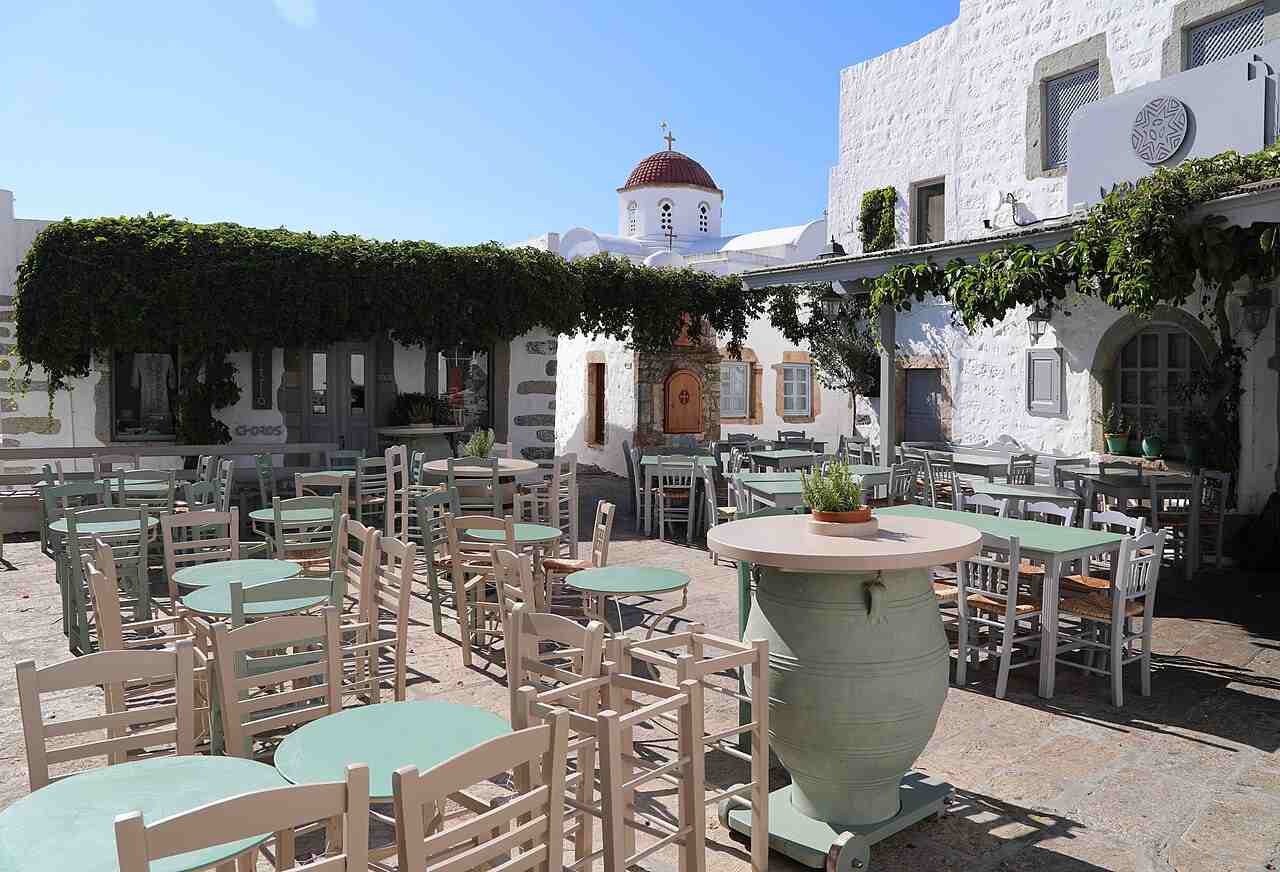
The best time to visit Patmos is the shoulder season of late spring and early autumn, when the weather is warm and settled. The sea is swimmable. The island is lively without the crowds and prices of high summer. Patmos enjoys a classic Aegean climate of hot, dry summers and mild, wetter winters, so the timing of a visit shapes the whole experience. Plan the whole trip with Greece Tours.
This guide covers the best time to visit Patmos in full: the weather and sea temperatures season by season. The best times for beaches, hiking and the great religious festivals. When the island is quietest and cheapest. Read it beside the full Patmos travel guide, the guide to things to do in Patmos and the guide to the island’s beaches.
When is the best time to visit Patmos?
The best time to visit Patmos is late May to June and September to early October, the shoulder season, when the weather is warm and pleasant, the sea is warm enough to swim, and the island is lively but not.
For the finest balance of good weather, warm sea and a relaxed atmosphere, the shoulder months of late spring and early autumn are the ideal time to visit Patmos. In late May, June, September and early October the days are warm and sunny. The sea is comfortable for swimming. The island feels alive with visitors and open tavernas without the crowds, the heat and the higher prices of the peak weeks.
The high summer of July and August brings the hottest, driest weather and the warmest sea, perfect for a beach holiday. Also the most visitors. The busiest sights and the dearest accommodation, along with the strong meltemi wind on days. Spring and autumn avoid these downsides while keeping most of the advantages, which is why regular visitors often prefer them.
Winter, from November to March, is very quiet, cooler and wetter, with hotels and services closed and ferries less frequent, though the island’s great spiritual sites remain open and the atmosphere is deeply peaceful. The sections below look at the weather season by season and at the best times for beaches, walking and the festivals, so you can choose the timing that suits you.
What is the weather like in Patmos through the year?
Patmos has a typical Aegean climate: hot, dry summers with highs around 28 to 32°C in July and August, and mild, wetter winters with daytime temperatures around 13 to 15°C.
Patmos enjoys a classic Mediterranean and Aegean climate, marked by long, hot, dry and sunny summers and mild, changeable, wetter winters, with warm, pleasant transitional seasons in spring and autumn. The height of summer, in July and August, brings daytime temperatures typically around 28 to 32 degrees Celsius. Abundant sunshine and almost no rain, ideal beach weather tempered on windy days by the meltemi wind.
Spring, from March into June, warms steadily from cool and green to hot and dry, while autumn, from September into November, cools gently from summer warmth to milder. Wetter conditions, both seasons offering comfortable temperatures for sightseeing, walking and, at their warmer ends, swimming. These shoulder months avoid the extremes and are widely considered the most pleasant times on the island. Combining warm days, cool evenings and long hours of sunshine with a green or golden landscape depending on the season.
Winter, from December to February, is mild by northern European standards, with daytime temperatures often around 13 to 15 degrees. It is the wettest and cloudiest time. With frequent rain, especially in December and January, and cooler, rougher seas. A defining feature of the summer is the meltemi, a strong dry north wind that can blow for days. Cooling the heat but whipping up the exposed coast and occasionally disrupting the ferries.
What is spring like in Patmos?
Spring in Patmos, from March to May, is green, mild and increasingly warm, with wildflowers, comfortable temperatures for hiking and sightseeing, crowds and lower prices.
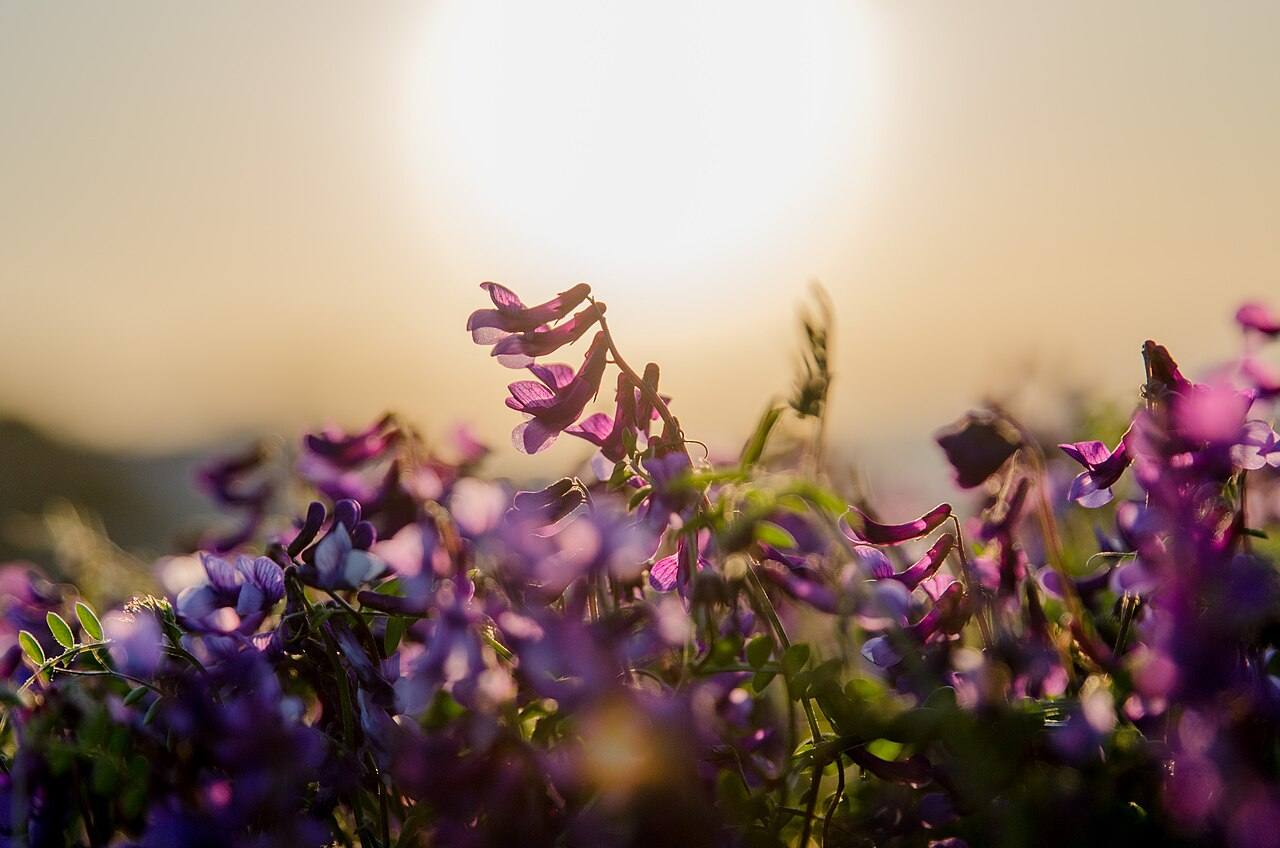
Spring is one of the loveliest times to visit Patmos, as the island is at its greenest and most flowery after the winter rains. The hillsides dotted with wildflowers and the air mild and fresh. From March the weather warms steadily, with comfortable daytime temperatures ideal for exploring the monastery and Chora. Wandering the lanes and, above all, walking the old trails before the summer heat arrives.
The crowds are still thin and prices lower than in summer through most of spring. The sights and beaches are peaceful, though early in the season the sea remains cool for swimming, warming to comfortable levels only by the end of May. Certain beach tavernas and boat services not yet be in full swing early on, but the main sites are open and the atmosphere is relaxed.
Spring also brings the island’s most powerful religious occasion, Orthodox Holy Week and Easter, when Patmos keeps the most solemn and beautiful ceremonies in Greece, including the Niptiras foot-washing rite in Chora on Holy Thursday. For mild weather, green landscapes, quiet sights and, for those who time it, an unforgettable Easter. Spring is a rewarding season on the island. It is especially well suited to walkers, who find the old stone trails at their finest before the heat and dryness of summer set in.
What is summer like in Patmos?
Summer in Patmos, from June to August, is hot, dry and sunny, with highs around 28 to 32°C, warm sea and long beach days, but it is the busiest and dearest season.
Summer is the classic season for a Patmos beach holiday, bringing hot, dry, reliably sunny weather with daytime temperatures typically in the high twenties to low thirties Celsius. Warm sea and long days made for swimming, boat trips and lazy taverna lunches. From June the season builds, and July and August are the hottest, sunniest months, when the water is at its warmest and the island is at its liveliest.
The trade-off is that July and August are also the busiest and most expensive weeks, when the sights. Beaches and boats see the most visitors and accommodation is at its dearest and most fully booked. Early reservations are essential. June, at the start of the season, is warm and sunny but usually a little quieter and cheaper. Making it a favourite among those who want summer weather with fewer people.
A defining feature of high summer is the meltemi, the strong, dry north wind that can blow for days at a time. Cooling the heat pleasantly but making the exposed beaches choppy and occasionally disrupting the fast ferries. On windy days, sheltered east- and south-facing coves and boat trips come into their own, as the guide to beaches in Patmos describes.
What is autumn like in Patmos?
Autumn in Patmos, from September to November, begins warm and settled, with the sea at its warmest and fewer crowds, making September in particular a superb time to visit.
Autumn is, for most travellers, the very best time to visit Patmos, especially September, which keeps the warmth and sunshine of summer while the crowds thin and prices ease. The sea is at its warmest after a whole summer of heating. Swimming is at its most inviting, and the settled. Sunny weather is ideal for beaches, boat trips, walking and sightseeing alike, all enjoyed in a calmer, more relaxed atmosphere.
October continues pleasant, cooling gently from summer warmth to mild, comfortable days with beautiful clear light. Excellent for hiking and exploring, though the sea slowly cools and beach services begin to wind down toward the end of the month. It is a lovely, quiet time to enjoy the island as the peak season fades and the pace slows, with warm days. Soft light and near-empty sights and trails that make October a rewarding month for walkers and photographers in particular.
By November the weather turns milder and wetter as winter approaches. With more cloud and rain and cooler seas. Visitor services begin to close, though the island remains open and deeply peaceful. September also brings the great feast of Saint John the Theologian on the 26th and a folklore-dance festival, adding cultural interest to a superb month for a visit.
What is winter like in Patmos?
Winter in Patmos, from December to February, is mild but wet and quiet, with daytime temperatures around 13 to 15°C, frequent rain, cooler seas and hotels and services closed.
Winter is the quiet, off-season time on Patmos, mild by northern standards but distinctly cooler and far wetter than the rest of the year. With daytime temperatures often around 13 to 15 degrees Celsius and frequent rain, above all in December and January, along with cooler, rougher seas and shorter days. It is not a beach season, and swimming is only for the very hardy.
Through winter, hotels, beach tavernas and visitor services close, ferries run less frequently. The island settles into a slow. Local rhythm, so a winter visit takes planning and a flexible attitude to opening hours and transport. In return, the island is deeply peaceful, the sights are almost empty. The atmosphere is contemplative and authentic. Offering a rare chance to experience the holy island much as its own residents know it through the long, quiet months out of season.
For pilgrims and travellers drawn to the spiritual heart of the island. The great Monastery of Saint John and the Cave of the Apocalypse remain open through the winter. The quiet, reflective mood suits their character well. Winter is not the season for a conventional island holiday, but for solitude, spirituality and a glimpse of everyday Patmos it has its own appeal.
When is the best time to visit Patmos for beaches and swimming?
The best time for beaches and swimming in Patmos is June to September, when the sea is warm, roughly 22 to 25°C, and the weather is hot and settled.
For a beach and swimming holiday, the warm months from June to September are the time to come to Patmos, when the sea has warmed enough for comfortable swimming and the weather is hot, dry and reliably sunny. Sea temperatures climb from around 22 degrees in June to about 24 or 25 degrees at the height of summer. The island’s beaches. Taxi-boats and boat trips are all in full swing.
September is often the single best month for the beaches, as the sea is at its warmest after the long summer while the crowds have thinned and the atmosphere is calmer, giving warm-water swimming in a more relaxed setting. July and August offer the hottest weather and warmest air, but also the most visitors on the popular beaches such as Grikos and Kambos, so early starts help.
Whenever you come in the beach season, keep an eye on the meltemi wind. Which can turn the exposed beaches choppy on windy summer days. Head for the sheltered east- and south-facing bays, or take a boat to a protected cove, when it blows. Late May and early October are fine for hardier swimmers at the edges of the season, when the water is cooler but the beaches are quiet.
When are the best festivals and events in Patmos?
The best times for festivals in Patmos are Orthodox Easter, with the solemn Niptiras rite in Chora on Holy Thursday, the Dormition of the Virgin on 15 August, and above all the great feast of Saint John the Theologian on.
Patmos, as a great centre of Orthodox pilgrimage, has a rich religious calendar, and timing a visit to coincide with one of its major feasts adds a memorable dimension. The most powerful is Orthodox Holy Week and Easter, usually in April or May, when the island keeps the most solemn ceremonies in Greece. Above all the Niptiras foot-washing rite performed by the abbot in Chora’s main square on Holy Thursday before a great crowd.
In high summer, the feast of the Dormition of the Virgin on 15 August is widely celebrated across the island with services and festivities. One of the great religious days of the Greek year, falling conveniently in the peak holiday season. Smaller village saint’s-day festivals, or panigiria, with music, dancing and food. Take place at churches through the summer months and warmly welcome visitors who happen to be on the island at the time.
The single greatest local feast is that of Saint John the Theologian on 26 September, the island’s patron. Marked by major ceremonies and celebrations centred on the monastery and drawing pilgrims and returning islanders from far and wide, alongside a traditional folklore-dance festival held around the same time in September. If you hope to attend Easter or the September feast, book accommodation well ahead, as the island fills quickly with pilgrims and returning islanders and rooms across Patmos become very scarce at these times.
When is the cheapest and least crowded time to visit Patmos?
The cheapest and least crowded time to visit Patmos is outside July and August: the shoulder months of spring and autumn offer lower prices and thinner crowds with good weather, while winter is quietest and cheapest of all, though many.
To avoid the highest prices and the biggest crowds, visit Patmos outside the peak weeks of July and August, when accommodation, car hire and demand for the sights and boats are all at their greatest. The shoulder months, roughly late April to June and September into October, offer noticeably lower prices and thinner crowds while keeping warm. Pleasant weather and, at their warmer ends, a swimmable sea, which is why they are such good value.
Late spring and early autumn strike the best balance of cost, weather and atmosphere, with the island lively but not crowded and prices well below the summer peak. Making them the sweet spot for budget-conscious travellers who still want good conditions. Booking ahead even in these months secures the best rates and the widest choice of the island’s limited accommodation.
The very cheapest and quietest time of all is winter, from November to March, when prices are lowest and the island is almost empty. Hotels, tavernas and services close. Ferries run less frequently, and the weather is cool and wet, so it suits only those seeking solitude and spirituality rather than a conventional holiday. For most, the shoulder seasons are the ideal compromise, as the wider Patmos travel guide sets out. Booking flights, ferries and accommodation together for these months, once you have chosen your dates. Helps lock in the best value before the summer peak. Leaves you free to enjoy the island’s warm days, swimmable sea and relaxed atmosphere at a fraction of the high-season cost.
Frequently Asked Questions
What is the best month to visit Patmos?
The best months to visit Patmos are generally June and September, which offer warm, settled weather and a swimmable sea without the peak crowds and prices of July and August. June brings early-summer warmth as the season builds, while September has the warmest sea of the year, after a whole summer of heating, along with thinning crowds and the great feast of Saint John on the 26th. May and October are also excellent, a little cooler but lovely for hiking, sightseeing and quiet beaches. With May bringing wildflowers and often Orthodox Easter and October offering clear light and warm early-autumn seas.
July and August are hottest and best for a pure beach holiday, but busiest and dearest, so the shoulder months suit most visitors best.
When is it warm enough to swim in Patmos?
The sea in Patmos is warm enough for comfortable swimming from about June to October, when sea temperatures rise from around 22 degrees Celsius in June to roughly 24 or 25 degrees at the height of summer, staying pleasantly warm into September and early October. September is often the best month for swimming, as the water is at its warmest after the long summer while the beaches are quieter than in the peak weeks. Late May and late October are at the edges of the swimming season, when hardier swimmers still enjoy the cooler water, while from November to April the sea is cold and swimming is only for the very brave.
You can usually find sheltered, calm water for swimming on all but the windiest days. Even when the summer meltemi blows a comfortable dip is rarely far away.
What is the weather like in Patmos in summer?
Summer in Patmos, from June to August, is hot, dry and reliably sunny, with daytime temperatures typically in the high twenties to low thirties Celsius. Warm sea and very little rain, making it classic Aegean beach weather. July and August are the hottest and busiest months, with the warmest sea and the most visitors, while June is warm and a little quieter. A defining feature of the season is the meltemi, a strong, dry north wind that can blow for days at a time. Cooling the heat pleasantly but making the exposed beaches choppy and sometimes disrupting the fast ferries. On windy days it pays to choose sheltered bays or take a boat to a protected cove.
Is Patmos worth visiting in winter?
Patmos in winter is worth visiting only for a particular kind of traveller, as it is the quiet off-season, mild but wet and cool. With daytime temperatures around 13 to 15 degrees Celsius, frequent rain, cooler seas and hotels, tavernas and services closed, while ferries run less often. It is not a season for beaches or a conventional island holiday. However, for pilgrims and for travellers seeking solitude, spirituality and a glimpse of authentic, everyday island life, winter has real appeal: the great Monastery of Saint John and the Cave of the Apocalypse remain open, the sights are almost empty. The atmosphere is deeply peaceful and reflective, quite different from the lively summer island.
Anyone planning a winter visit check ferry schedules and accommodation carefully in advance, as services are greatly reduced. Come prepared for rain and cool, changeable weather rather than beach days.