
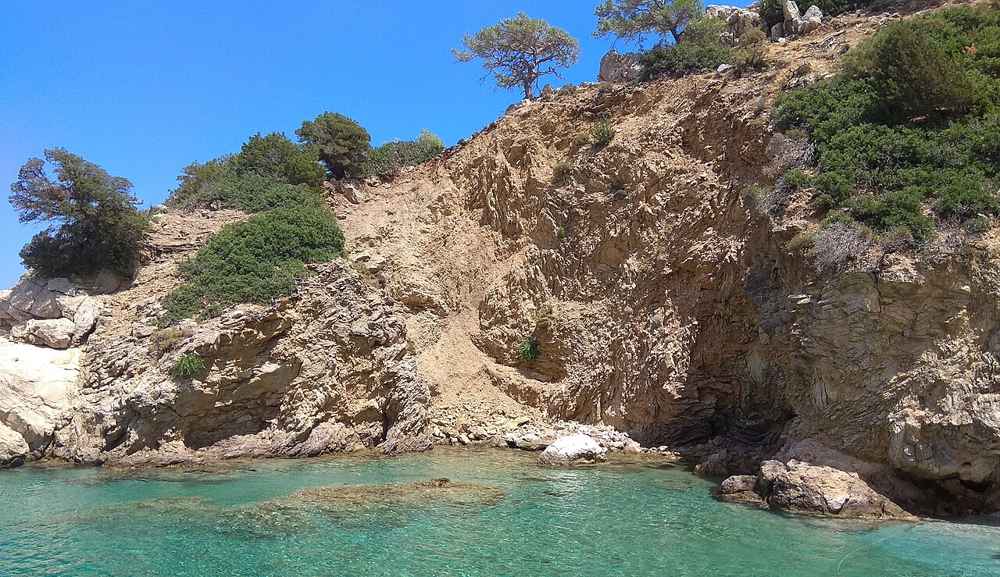
Karpathos has a Mediterranean climate of hot, dry summers and mild. Wet winters. The detail that shapes any trip is the meltemi, the strong northerly wind that blows hardest in July and August. When you visit decides whether you find calm turquoise coves or a wind-whipped coast, empty beaches or the crowds of the mid-August festival, and warm sea or shuttered tavernas. Plan the whole trip with Greece Tours.
This guide breaks the year down by season and by what you want from the island: the best months for the beach. For windsurfing, for hiking and for the festivals. What to expect if you come in the quiet off-season. Read it beside the guide to things to do in Karpathos to plan your dates around the experiences that matter most to you.
When is the best time to visit Karpathos?
The best time to visit Karpathos is late May, June, September and early October, when the weather is warm and calm and the crowds are thinner. July and August are hottest and busiest, with the strongest meltemi wind.
For most travellers the shoulder months either side of high summer offer the ideal balance. Late May, June, September and into early October bring warm, settled weather. Sea temperatures comfortable for swimming. Far fewer visitors than the peak, along with lower prices for flights and rooms. The light is kinder for exploring, the roads and beaches are quieter, and the island is at its most relaxed.
September stands out in particular. The sea reaches its warmest of the year after a long summer of heating, the fierce August crowds have thinned, and prices fall, while the days stay warm and sunny. June is its spring counterpart, warm and green with long daylight, before the heat and the wind of midsummer set in. Both months let you enjoy the beaches and the sights without the pressures of the peak.
The exact best time depends on what you want. Windsurfers deliberately chase the strong wind of July and August, while walkers and sightseers prefer the cooler, greener shoulder and spring months. The sections below break down the seasons and the activities so you can match your dates to your plans, whether that is beaches, sport, hiking or the island’s festivals.
What is the weather like in Karpathos by season?
Karpathos has hot, dry summers around 27 to 30°C, mild springs and autumns of 18 to 25°C, and cool, wet winters near 10 to 16°C. The meltemi wind blows strongest in July and August.
Summer, from June to September, is hot and almost rainless, with daytime highs commonly around 27 to 30°C, and hotter still in the inland villages away from the sea breeze. The defining feature is the meltemi, the dry northerly wind that strengthens through July and August, cooling the air but churning the exposed coast. Rain in these months is rare, so sunshine is close to guaranteed.
Spring and autumn are milder and gentler. Spring, from March to May, warms from cool to pleasant, roughly 15 to 25°C, with the island at its greenest and wildflowers on the slopes. Autumn, through September and October, holds warm days and the year’s warmest sea, easing gradually toward the first rains. These shoulder seasons offer the most comfortable temperatures for active days.
Winter, from November to March, is cool and wet by Greek-island standards, with temperatures around 10 to 16°C. The year’s rain concentrated in these months. The sea too cold for swimming. There is no snow on the coast, but the beach season is firmly over, and the island turns quiet and inward. Large swings between the seasons are a hallmark of the Karpathos climate.
Is June a good time to visit Karpathos?
June is one of the best months to visit Karpathos. The weather is warm and sunny, the sea is comfortable for swimming, daylight is long, and the meltemi and the crowds have not yet reached their August peak.
June sits in the sweet spot of early summer. Daytime temperatures are warm without the fierce heat of July and August, typically in the mid to high twenties, and the sea has warmed enough for enjoyable swimming. The long daylight hours give plenty of time for the beaches. The boat trips and the villages. The island is still green from spring rather than burnt dry by the summer sun.
Just as important, June comes before the peak in every sense. The meltemi is present but generally lighter than in the height of summer. The exposed coast stays calmer and more beaches are comfortable. And the visitor numbers and prices have not yet climbed to their August levels. Tavernas and rooms are open and busy but not overwhelmed, giving a lively but relaxed atmosphere.
For travellers who want warm-weather beach days with fewer crowds, June is close to ideal. It suits families, couples and sightseers alike, and it leaves the fierce wind and heavy crowds of midsummer to the windsurfers who seek them. Only those specifically chasing the strongest wind have reason to prefer the later peak over the balance June offers.
What is September like in Karpathos?
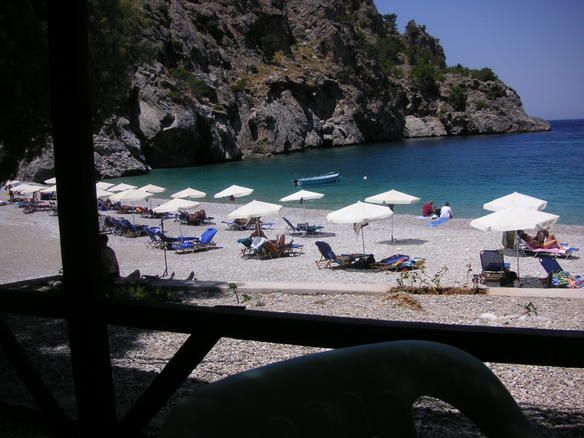
September is one of the finest months in Karpathos: warm, sunny days, the warmest sea of the year, thinning crowds after August, and falling prices. The meltemi eases as the month goes on.
September rewards travellers with the best sea of the year. After a long summer of heating, the water is at its warmest and most inviting, ideal for swimming and snorkelling, while the days stay warm and reliably sunny. The fierce heat of high summer starts to soften, making active days more comfortable, and the light takes on the mellow quality of early autumn.
The month also brings a welcome easing of the peak-season pressures. The heavy August crowds thin out once the mid-month passes and Greek holidaymakers return home. The beaches. Roads and tavernas grow quieter, and prices for flights and accommodation fall from their summer highs. The meltemi tends to weaken through the month, calming the exposed coast.
This combination of warm sea, good weather, fewer people and lower cost makes September a favourite among those who know the island. It suits almost every kind of visit, from beaches and boat trips to sightseeing, and it is a particularly strong choice for travellers who can avoid the school-holiday peak. Only the very end of the month begins to see the first signs of the season winding down.
What are July and August like in Karpathos?
July and August are the hottest, busiest and most expensive months in Karpathos, with the strongest meltemi wind. They are prime time for windsurfing and for the mid-August festival, but the exposed coast can be rough.
The height of summer brings guaranteed heat and sunshine, with temperatures often around 30°C on the coast and higher inland, and virtually no rain. These are the busiest months, when both Greek and international visitors fill the island. The beaches. Tavernas and roads are at their liveliest and accommodation is at its most expensive and hardest to book. Booking well ahead is essential for these weeks.
The meltemi is at its strongest now, blowing hard from the north, often for days at a stretch. For windsurfers and kitesurfers this is the whole point, and the bays of Afiartis come alive with sails; the guide to Karpathos windsurfing covers the season in detail. For swimmers, though, the strong wind can churn the exposed east and south coasts, pushing them to the sheltered west on the windiest days.
August also holds the island’s cultural peak, the feast of the Dormition of the Virgin on the fifteenth, when Olympos and the villages fill with returning islanders in traditional costume for music, dancing and celebration. It is a memorable time to visit, but the same date packs the ferries, the flights and every room, so it demands planning well in advance.
When is the best time for the beach in Karpathos?
The best time for the beach in Karpathos is June to mid-September, when the sea is warm and the weather reliably hot and sunny. September offers the warmest water, while the meltemi shapes which coast to choose in midsummer.
The beach season runs from June through to mid-September, the stretch when the sea is warm enough for comfortable swimming and the weather is dependably hot and dry. June opens it with warm water and long days, the peak of July and August delivers guaranteed sunshine. September closes it with the warmest sea of the year, so any of these months serves a beach holiday well.
The one variable to plan around is the wind. Because the meltemi blows hardest in July and August, hitting the east and south coasts, the calmest swimming on windy days is found on the sheltered west at Lefkos and Arkasa. In the shoulder months the wind is lighter and more coasts stay calm, so beach choice is freer. The guide to Karpathos beaches explains which coves suit which conditions.
For the best mix of warm sea and manageable conditions, June and September stand out, offering hot beach days without the fiercest wind or the thickest crowds of the peak. Outside these months the sea cools quickly, and by late October swimming becomes bracing, so the beach window on Karpathos is firmly a summer one.
When is the best time for hiking and sightseeing in Karpathos?
The best months for hiking and sightseeing in Karpathos are spring, from March to May, and autumn, in September and October, when temperatures are comfortable, the landscape is green and the sun is less fierce.
Karpathos is a fine walking island. With old stone footpaths linking the villages and climbing to the summit of Kali Limni. The best time to enjoy them is outside the summer heat. Spring, from March to May, is ideal: the temperatures are comfortable for climbing. The island is green and covered in wildflowers. The northern slopes around Olympos and Avlona are at their most beautiful. Autumn offers a second window as the heat fades.
In September and October the fierce sun of high summer eases, and the walking becomes pleasant again, with warm but no longer punishing temperatures. These months also suit general sightseeing, exploring the villages, the ancient sites and Olympos, since the cooler air and thinner crowds make days on the road and on foot far more comfortable than the heat and bustle of midsummer.
High summer is the least comfortable time for active days, as the heat and strong sun make long walks demanding. The middle of the day is best spent by the sea. Anyone whose trip centres on hiking or unhurried sightseeing rather than the beach aim for the shoulder and spring months, when the island is at its greenest and most walkable.
Is it worth visiting Karpathos in the off-season?
Karpathos in the off-season is quiet and authentic but limited: tavernas, hotels and boat services close, ferries and flights thin out, and the sea is too cold to swim. It suits travellers after solitude, not beaches.
From late autumn into spring, Karpathos turns quiet and inward. The weather cools to around 10 to 16°C, the winter rains arrive. The sea becomes too cold for swimming, so the beach holiday that draws most visitors is out of the question. The island returns to its everyday rhythm, with the villages going about their business away from tourism.
The practical limitations are real. Many tavernas, hotels and studios close for the winter, the boat trips to Saria and the beaches stop. The ferry and flight schedules thin out, so reaching and getting around the island takes more planning. Anyone considering an off-season visit check carefully what is open before committing to dates and a base.
For a particular kind of traveller, though, the quiet has its own appeal. The off-season offers solitude, green mountain landscapes. Comfortable walking weather in the milder spells. A chance to see the island as its residents live it rather than as a summer resort. It suits those after authenticity and calm over sun and sea, and willing to work around the reduced services.
Frequently Asked Questions
What is the best month to visit Karpathos?
June and September are widely considered the best months. Both offer warm, sunny weather and comfortable sea temperatures with fewer crowds and lower prices than the July and August peak. September has the warmest sea of the year after the long summer, while June is green and fresh with long daylight before the heat and strong wind of midsummer set in.
When is it too hot or too windy in Karpathos?
July and August are the hottest months, often around 30°C on the coast and hotter inland, and they bring the strongest meltemi wind from the north. The wind delights windsurfers but can churn the exposed east and south coasts. On windy midsummer days swimmers head to the sheltered west coast at Lefkos and Arkasa, which stays calmer.
Is Karpathos good to visit in September?
Yes, September is one of the best months. The sea is at its warmest after the summer, the days stay warm and sunny, the August crowds thin out, and prices for flights and accommodation fall. The meltemi wind tends to ease through the month, making the coast calmer. It suits beaches, boat trips and sightseeing alike.
Can you visit Karpathos in winter?
You can, but the beach season is over. Winter brings cool temperatures around 10 to 16°C, the year’s rain, and a sea too cold for swimming. Many tavernas, hotels and boat services close, and ferries and flights thin out. An off-season visit suits travellers after quiet, green landscapes and authenticity rather than sun and sea, provided they check what is open.
When is the Karpathos festival?
The island’s biggest festival is the Dormition of the Virgin on the fifteenth of August, when Olympos and the villages fill with returning islanders in traditional costume for music, dancing and feasting. It is a memorable time to visit, but the date packs the ferries, flights and accommodation, so it must be planned and booked well in advance.