
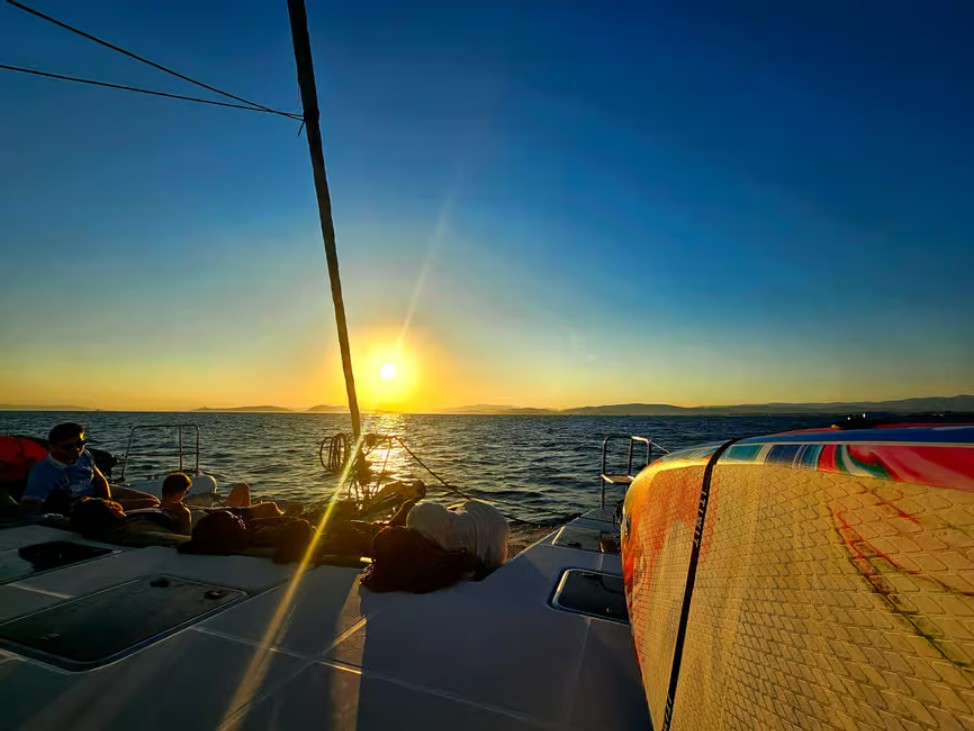
Island hopping tips in Greece can turn a good holiday into an unforgettable one if we plan smartly, move like locals, and leave room for discovery. Plan the whole trip with Greece Tours. With more than 6,000 islands (and about 200 inhabited), choices are dizzying. We wrote this guide drawing on local expertise from Greece Tours, practical, insider-led advice that helps history lovers, couples, families, and small-group travelers design island-hopping trips that feel personal rather than packaged.
Read on for realistic route planning, transport mastery, authentic stays, packing and logistics, and money-saving strategies so our next Greek island run runs smoothly.
Plan Your Route Around Interests And Time
Choosing where to go determines the tone of our whole trip. Start by deciding the theme and pace. Are we chasing beaches, archaeology, nightlife, or quiet villages? Then build a route that minimizes travel time and maximizes experiences.
Choose Islands By Theme And Pace
Group islands by what we want to feel each day. For a classic Cyclades loop, pick Santorini and Mykonos for iconic views and nightlife, plus Naxos or Paros for beaches and villages. For calm and culture, the Saronic Islands (Aegina, Poros, Hydra) are compact and easy. Crete and the Dodecanese (Rhodes, Symi, and Kos) answer history and variety. The Ionian Islands (Corfu, Paxos, Lefkada) are lush and green. Matching islands to a theme saves back-and-forth ferry rides and helps us pack with purpose.
Build A Logical Itinerary And Travel Radius
We should think in radii, not single hops. Pick a base island for arrivals and departures (often Athens, Heraklion, or Corfu) and create a clockwise or counter-clockwise route within a cluster. That reduces missed ferries and gives flexibility if weather forces changes. For example, from Naxos we can day-trip to Koufonisia, Paros, or Mykonos without long transfers. Leave buffer days for transfers: a travel day plus a half-day of relaxation often beats a jam-packed schedule.
Allow Flexibility For Weather And Local Events
Meltemi winds (July–August) can cancel or delay ferries in the Cyclades: shoulder seasons carry less predictable weather. We always add a “plan B” island and avoid booking tight connecting flights the same day as a ferry. Local festivals and Orthodox holidays can close businesses or create delightful street parties, both worth checking. Finally, book key services (arrival night, a first-night hotel) and leave the rest adaptable so we can follow local recommendations we discover en route.
Master Island-To-Island Transport
Transport choices shape both budget and experience. Greece’s inter-island network includes conventional ferries, high-speed catamarans, small local boats, internal flights, and private transfers. Knowing strengths and limits lets us travel efficiently and enjoyably.
Ferries: Types, Booking Tips, And Schedules
Conventional ferries are slower but roomier and cheaper: they’re ideal for night passages or if we want to carry luggage and a rental car. High-speed services cut travel time but cost more and are less comfortable in rough seas. We check schedules on official operators and aggregator sites, but we also call ticket offices; local agents often know which departures are reliably punctual. For multi-leg trips, reserve seats for high season; for off-peak travel, we can sometimes buy same-day.
High-Speed Boats, Internal Flights, And Local Boats
High-speed boats (hydrofoils, catamarans) are perfect for short hops when we want to maximize daytime hours. Internal flights (Athens to Crete or Rhodes) save time on longer crossings. Small local caiques and fishing boats connect tiny islands; they’re slower but offer authentic travel and often stop in small ports that ferries miss. We choose high-speed options selectively: when time matters, or when sea conditions are calm.
Private Transfers, Day Cruises, And Small-Group Options
For unique routes (remote islands, protected bays), private boat transfers or small-group day cruises can be cost-effective if split among a few travelers. We use private transfers for early-morning flights or tight connections. For photography, swimming stops, and off-the-beaten-path coves, small-group sea tours, especially those led by local captains, are worth the splurge. MyGreeceTours can arrange local-skippered transfers that save time and reveal hidden spots.
Where To Stay To Experience Authentic Local Life
Where we rest shapes how we experience a place. Choosing the right neighborhood and accommodation type makes local culture accessible, not a spectacle.
Choosing Neighborhoods: Town Vs. Village Vs. Beach
Town centers (chora) are social hubs, cafes, bakeries, and evening promenades. Staying there keeps us in the middle of local life. Villages offer a slower pace and better immersion in daily rhythms: shop at the same butcher, chat at the square, watch children play. Beachfront stays are convenient but can be isolating and tourist-focused. We mix stays: town for nights with dining and nightlife, village for cultural depth, and a beach night or two for rest.
Staying With Locals: Family-Run Guesthouses And Villas
Family-run guesthouses and small villas often come with insider tips on where to eat and what to see. Hosts may invite us to a home-cooked meal or introduce us to neighbors. These stays support local economies directly and usually feel warmer than anonymous hotels. We look for properties with recent local reviews and hosts who respond quickly, a good signal of care and authenticity.
Booking Strategies For Peak And Shoulder Seasons
In July–August, book early (2–4 months) for popular islands. In shoulder seasons (May–June, September–October), we get better rates and more flexible cancellations. For families or groups wanting a villa, reserving six months ahead is wise. We also favor properties listed on local or boutique platforms, which often work with Greece Tours and can provide add-on experiences like cooking classes or private island transfers.
Practical Packing, Documents, And On-Island Logistics
A small checklist and local knowledge keep logistics simple and stress-free.
Essential Packing List For Comfort And Culture
Pack lightweight layers (islands cool quickly at night), reef-safe sunscreen, a quick-dry towel, and comfortable walking shoes for cobblestone streets. A daypack, reusable water bottle, power bank, and a compact rain shell are musts. Respectful attire for visiting monasteries and churches (shoulders and knees covered) saves awkward detours.
Money, Connectivity, And Health Precautions
ATMs are common on larger islands, but tiny islands may have limited cash access. We carry some euros. Credit cards are accepted in most places, but not universally: ask before assuming. Local SIM cards or an eSIM keep us connected for booking ferries on the go: many ports and cafes offer free Wi‑Fi, but it’s patchy outside towns. For health, bring a small first-aid kit, any prescription meds with labels, and insect repellent. Travel insurance that covers sea transfers is wise.
Getting Around Locally: Scooters, Buses, Taxis, And Walking
Scooters give us independence on small islands but require caution on narrow lanes and steep hills. Renting cars makes sense for Crete or Zakynthos, where distances are larger. Reliable bus systems connect main towns and beaches on most islands: schedules are limited on smaller islands, so check times in advance. Taxis exist but can be scarce late at night, so we save emergency numbers in our phone.
Budgeting, Timing, And Making The Most Of Short Stays
We want value without missing the soul of a place. A few budgeting tricks and timing choices help when our schedule is tight.
Estimating Costs And Saving Smartly Without Sacrificing Experience
Plan per-day budgets by island type: big, touristy islands cost more on accommodations and dining than small, local ones. Save by eating at tavernas off the main promenade, using ferries instead of flights for mid-range hops, and booking multi-night stays to reduce transit days. Splitting private transfers among a small group or choosing shared small-group tours gives local access without premium pricing.
How Long To Spend On Each Island For Different Trip Lengths
For a two-week trip: aim for 3–4 islands, spending 3–4 nights on the main base and 1–2 nights on smaller stops. For one week, focus on one cluster (e.g., Santorini + Naxos + Paros) and limit transfers to two islands to avoid travel fatigue. Weekend escapes work best with one island or an island-plus-day-trip. We built in a “no-plan” day to linger in a favorite port.
Tips For Slow Travel And Avoiding Tourist Traps
Slow travel means fewer transfers, deeper conversations, and better food. We avoid main docks during peak hours, eat where locals queue, and book experiences with guides who grew up on the islands. If a well-known beach is crowded, ask our host or a local guide for nearby alternatives; they often know quieter coves. Using a local operator like Greece Tours helps us skip the tourist conveyor belt and find authentic experiences tailored to our interests.
Conclusion
Island hopping tips in Greece are about balancing planning with openness. By choosing islands that match our interests, mastering transport options, staying where locals live, packing smartly, and budgeting with intention, we make room for both iconic moments and quiet discoveries. If we want help crafting a personalized island route, from hidden fishing ports to family-run tavernas and private boat transfers, Greece Tours connects us with local experts who grew up on these islands and love showing them off. Now let’s pick a map, pick a theme, and go.
Read more about Greece Tours: