
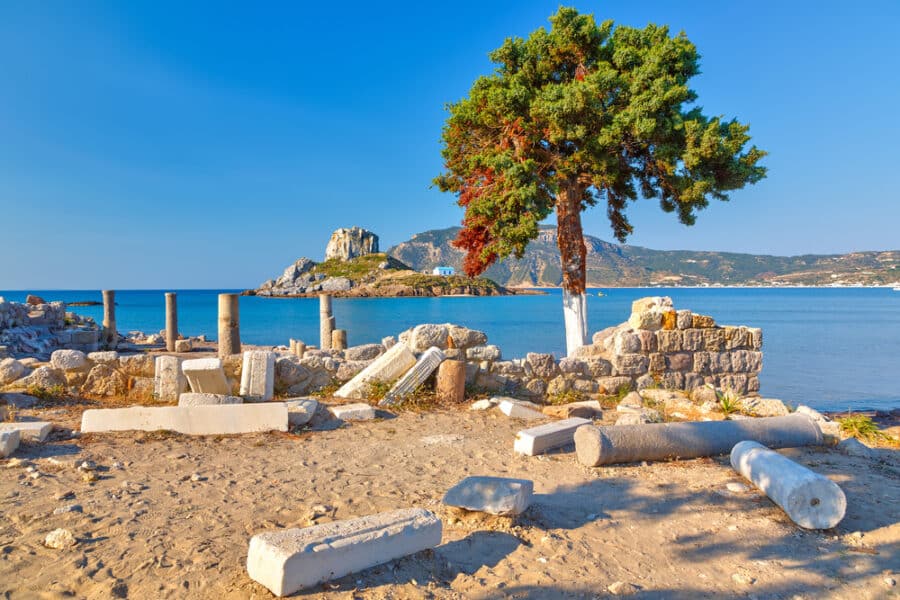
Greece is synonymous with crystalline water and dramatic coastlines. The top beaches in Greece that feel like postcards come to life. Over decades of island hopping, guiding visitors, and growing up on Milos and Santorini, we’ve learned which shores deliver what visitors actually want: lonely coves, family-friendly stretches, dramatic clifftop sunsets, or lively beach clubs.
In this guide, we’ll walk you through the top beaches in Greece by region, recommend options for different travelers, and give practical, local-tested advice so you can plan a beach trip that matches your pace and priorities. Whether you’re booking a Greece tour package, a private guided day trip, or planning an independent island-hopping itinerary, consider this our insiders’ map to sand, sea, and sun.
What Makes Greek Beaches Unique
Greece’s beaches are famous for a reason: geological variety, cultural texture, and a climate that makes the shore feel like the island’s living room. Unlike many destinations where beaches look interchangeable, Greek shores shift from pink or white sand and turquoise lagoons to dramatic volcanic black sand and pebbled coves backed by olive groves and white-washed villages.
We should also call out the role of history and the human scale. Many beaches sit next to ancient ruins, Venetian castles, or fishing hamlets, so a swim can be followed by archaeology, a café, and local wine. Local beach culture is relaxed and social: tavernas and small seaside cafés often double as community centers where we’ll share fresh octopus, grilled fish, and a chilled bottle of retsina or assyrtiko.
Finally, the water clarity in many spots, especially the Cyclades and Ionian islands, is exceptional. That clarity makes snorkeling, freediving, and photography more rewarding. And because Greece has both bustling tourist hubs and remote, scarcely visited shores, you can craft experiences from luxury private tours in Santorini to off-grid Peloponnese coves with almost no one around.
Top beaches in Greece aren’t just about sun and sand: they’re a combination of natural beauty, local flavor, and accessibility that suits all kinds of travelers.
Top Beaches By Region
Cyclades: Santorini, Mykonos, and Nearby Gems
- Santorini, Perissa and Kamari: Long black-sand beaches with good facilities and beachfront cafés. We love Perissa for families and Kamari for a slightly more urban vibe.
- Santorini, Red Beach: Iconic, photogenic, and dramatic, close to Akrotiri ruins, but can be crowded: best visited early morning or late afternoon.
- Santorini, Vlychada: Sculpted cliffs and quiet coves: a favorite for a calmer swim after visiting Oia’s sunset crowds.
- Milos, Kleftiko, and Sarakiniko: Kleftiko requires a boat, limestone cliffs, sea caves, and turquoise water: Sarakiniko’s moonlike white rocks are perfect for photos and cliff-jumping.
- Mykonos, Psarou, and Super Paradise: Psarou offers upscale beach clubs and clear water; Super Paradise is party-central but has beautiful water for a daytime dip.
- Paros and Naxos: Golden, family-friendly beaches with windsurfing in Paros (Golden Beach) and long sandy stretches in Naxos (Agios Prokopios, Plaka).
These Cycladic beaches combine dramatic scenery with easy-to-reach infrastructure, ideal for first-time visitors on packaged Greece tours or private guided tours in Athens and the islands.
Crete: Elafonissi, Balos, and South Coast Treasures
- Elafonissi (Chania Prefecture): Shallow, turquoise lagoons and pink-tinted sand, one of Greece’s most famous beaches. It’s busy in high season, but worth the early-morning visit.
- Balos Lagoon (Kissamos): A breathtaking, shallow lagoon with striking blues and whites: reachable by boat or a short hike from the parking area.
- Vai (Sitia): A palm-fringed beach, the largest palm forest in Europe, borders clear water and a relaxed taverna scene.
- Matala (South coast): Famous for its caves and 1960s counterculture history: combines sand, cliffs, and a bohemian atmosphere.
Crete is vast and varied: the north tends to be more developed, while the south rewards effort with quieter, wilder beaches, perfect for travelers seeking authentic experiences off the beaten path.
Ionian Islands: Zakynthos, Lefkada, and Kefalonia
- Navagio (Shipwreck Beach), Zakynthos: Probably Greece’s most photographed beach, cliffs framing a white pebble cove and a rusting shipwreck. Viewpoints above the cove are spectacular: beach access requires a boat.
- Porto Katsiki, Lefkada: White cliffs, steep descent, and unbelievably colored water. It’s mountainous and dramatic, a must on island-hopping Greece itineraries.
- Myrtos, Kefalonia: A long, pebbled beach framed by limestone cliffs and deep blue water, exceptional for photography and classic Mediterranean views.
The Ionian islands are greener and more sheltered than the Aegean, making them attractive for families and nature lovers. Many organized Greece travel tours include these highlights for their combination of dramatic scenery and comfortable facilities.
Dodecanese and Sporades: Rhodes, Kos, Skiathos Highlights
- Tsambika (Rhodes): Fine sand and relatively calm water: family-friendly with tavernas nearby.
- Paradise Beach (Kos): Sandy, with lively beach bars and water-sport operators, great for younger crowds.
- Lalaria (Skiathos): A pebbled cove only reachable by boat, with striking white cliffs and crystalline water, ideal for day trips.
These islands blend historical attractions (castles and ancient sites) with enjoyable beaches, good for combining cultural tours with sea days.
Peloponnese, Epirus, and Northern Greece: Hidden Coastal Stars
- Voidokilia (Peloponnese): A near-perfect semicircular beach with dunes and shallow waters: a UNESCO-protected area near ancient Pylos.
- Simos (Elafonisos, technically part of the Peloponnese coastline access): Two sandy coves and vivid turquoise water, often compared to Caribbean beaches.
- Koukounaries (Skiathos, Sporades): Long pine-backed sand beach, ideal for families and easy access.
- Vourvourou (Halkidiki, Northern Greece): A lagoon-like chain of islets you can kayak between, serene and local.
If you’re doing a private Greece tour or a custom itinerary that includes mainland highlights, these coastal stars reward those willing to travel a bit farther from the typical island route.
Best Beaches For Different Travelers
Families and Easy Access Beaches
For families, we prioritize shallow water, good facilities, and nearby tavernas. Agios Prokopios (Naxos), Koukounaries (Skiathos), and Psarou (Mykonos) fit the bill. In Crete, Elafonissi’s shallow lagoons make paddling safe and fun for kids. When booking family-friendly Greece vacation tours, look for accommodations within walking distance or a short drive.
Couples and Romantic Beaches (Sunsets And Seclusion)
For romance, nothing beats a Santorini caldera sunset followed by a quiet dinner. Vlychada offers a more intimate alternative to overcrowded hotspots. For secluded coves, Milos’ Kleftiko by private boat or the small coves on Folegandros deliver privacy and dramatic scenery, perfect for honeymoon tours and romantic Greece travel packages.
Party Beaches and Beach Clubs
Mykonos and Ios lead the party scene. Super Paradise and Paradise on Mykonos have big DJs and day parties: Ios has youth-oriented beaches with bars close by. On Zakynthos, Laganas is where nightlife spills toward the sand. For luxury party experiences, Psarou has upscale beach clubs with celebrity sightings.
Snorkeling, Diving, and Watersports Hotspots
Samos, Naxos, and the eastern Dodecanese are excellent for snorkeling and diving because of underwater rock formations and marine life. Elounda in Crete and the reef-protected bays around Milos (Paliochori) are great for diving. For wind and kitesurfing, Paros’ Golden Beach and Naxos’ Mikri Vigla are world-class.
Off-Grid Beaches For Hikers And Solitude Seekers
For those who want to escape the crowds, southern Crete and parts of the Peloponnese offer remote coves accessible only by foot or boat. Agios Pavlos (Crete south coast) and the small coves near Pylos are tranquil. We often include off-grid spots in custom private tours for guests who want authentic solitude and unspoiled views.
How To Plan Your Greek Beach Trip
When To Go: Seasons, Weather, and Crowd Levels
High season (late June to early September) guarantees sun and warm water but brings crowds and higher prices. May–early June and September–early October are our favorite shoulder months: the water is warm enough for swimming, the beaches are less crowded, and accommodation prices drop. April and October can work for active travelers who don’t mind cooler evenings.
Note the Meltemi wind in the Cyclades (July–August): it cools the islands and creates perfect conditions for sailing and wind sports, but can make some beaches choppier and limit small-boat transfers.
Getting There: Flights, Ferries, and Island Hopping Tips
Athens is the primary gateway for most Greek beach itineraries. From Athens, we often recommend combining internal flights (to Crete, Rhodes, or Corfu) with ferry legs for Cycladic island hopping. Fast ferries link major islands during the summer: local car ferries are cheaper but slower.
If you’re planning island hopping Greece-style, keep connections flexible. We often design 7–10 day itineraries that start in Athens, hop to Santorini or Mykonos, then include a quieter island like Paros, Naxos, or Milos. For the Ionian islands, direct flights to Corfu, Kefalonia, and Zakynthos simplify logistics.
Where To Stay: Beachfront Villages, Resorts, And Camping Options
Choose stays based on your priorities. Beachfront villages offer local tavernas and authentic daily life: resorts supply comprehensive amenities and guided activities: organized campsites in Greece (especially around Halkidiki and the Peloponnese) are great for budget travelers and families.
For an authentic feel, consider small family-run rooms near a beach rather than a resort. If you want pampering and convenience, look at luxury private tours in Santorini that bundle boutique hotels and private transfers.
Sample Beach-Hopping Itineraries (5, 7 And 10 Days)
- 5-Day Quick Cyclades: Day 1 Athens arrival → Day 2 flight to Santorini (sunset in Oia) → Day 3 Santorini beaches (Perissa) → Day 4 ferry to Mykonos (Psarou) → Day 5 morning beach then flight to Athens.
- 7-Day Classic Islands: Day 1 Athens → Day 2 ferry to Mykonos → Day 3 Mykonos beaches and nightlife → Day 4 ferry to Paros (Golden Beach) → Day 5 ferry to Naxos (Agios Prokopios) → Day 6 return to Santorini for sunset → Day 7 fly to Athens.
- 10-Day Island-Hopping & Relax: Days 1–2 Athens/Aegina or Nafplio day trip then fly to Crete → Days 3–4 Balos and Elafonissi (Crete) → Day 5 ferry to Santorini → Days 6–7 Santorini & day trip boat to Thirassia or volcano → Days 8–9 Milos (Kleftiko/Sarakiniko by boat) → Day 10 return via ferry/flight.
We create tailored itineraries for groups and couples, adjusting pace, lodging standard, and transport mode to align with your Greece travel tour preferences.
Practical Tips For Visiting Beaches In Greece
Facilities, Accessibility, and Safety On Greek Beaches
Many popular beaches have sunbeds, umbrellas, showers, and beach bars: lesser-known coves may have nothing, so plan accordingly. Accessible beaches with ramps and boardwalks are increasing, especially on larger islands: check local tourism sites or ask your tour operator for up-to-date accessibility info.
Safety-wise, the water is generally safe and clear, but observe local flags: red means no swimming, yellow means caution, and green means it’s fine. Watch for strong shore-breaks on some wind-exposed beaches, and be mindful of jellyfish season in late summer: local beaches often post warnings if sightings increase.
What To Pack: Beach Gear, Sun Protection, and Footwear
Pack reef or water shoes for pebbly beaches (common in the Ionian and many Aegean coves). A broad-brim hat, high-SPF sunscreen (reef-safe where possible), a light cover-up, and a reusable water bottle are essentials. For snorkeling, bring a mask and snorkel; many areas reward a quick swim from shore. A small dry bag keeps electronics sand-free for beach-hopping days.
Local Customs, Tipping, and Beach Etiquette
Greek beach culture is relaxed but respectful. Don’t leave trash behind: many small communities rely on seasonal tourism and keep beaches clean. If you use sunbeds at a taverna or club, it’s normal to order food or drinks. Small tips for good service are appreciated, round up or leave 5–10% for beach staff or boat crews who help deliver you to secluded coves.
Responsible Beach Travel In Greece
Protecting Sand Dunes, Marine Life, And Local Ecosystems
Coastal environments can be fragile. Stick to marked paths to avoid trampling dunes and vegetation: dune systems are essential for preventing erosion. Avoid removing shells, corals, or archaeological fragments. If you dive or snorkel, don’t touch sponges or corals; they’re living organisms and regenerate slowly.
Sea turtle nesting (Caretta-Caretta) occurs on several Greek beaches (Zakynthos being the most famous). Respect fenced nesting areas at night, minimize light, and avoid disturbing marked nests.
Sustainable Travel Choices: Transport, Accommodation, And Tours
Choose slower ferries, public transit where practical, or shared transfers to reduce your carbon footprint. Book local, family-run accommodations when possible; this channels tourism revenue to communities. For boat trips, ask captains about fuel-efficient practices and avoid tours that anchor on sensitive seagrass meadows (Posidonia oceanica), which are crucial to marine health.
When selecting guided experiences, we recommend local guides who know protected areas and abide by conservation rules. On our custom private tours and small group cultural tours, we emphasize low-impact visits and often include visits to local conservation projects or community-run initiatives.
Sustainable choices protect the very beaches we come to see and ensure future visitors can enjoy the same beauty.
Conclusion
From the volcanic cliffs of Santorini to the palm-fringed bays of Crete and the emerald waters of the Ionian islands, the top beaches in Greece offer something for every traveler. We’ve guided groups who wanted the easiest family beaches, honeymooners after privacy and sunset, and photographers chasing light on white cliffs; each beach delivered its own magic.
If you’re planning a Greece travel tour, think about what matters most: accessible amenities, solitude, watersports, or nightlife. Use shoulder seasons to avoid crowds without sacrificing warmth, and consider mixing iconic beaches with lesser-known coves to get both classic views and authentic local flavor.
We love showing visitors these shores because each tells a small story of Greece, geology, history, food, and community. If you want help turning this guide into a custom beach-hopping itinerary or a private guided tour in Greece, our team of local guides can design an experience that matches your pace and priorities. Let’s plan your next Greek beach escape together.
Top Beaches in Greece — Frequently Asked Questions
What are the top beaches in Greece for first-time visitors?
For first-timers, Santorini (Perissa, Kamari, Red Beach), Mykonos (Psarou), Naxos (Agios Prokopios), and Crete (Elafonissi, Balos) offer iconic scenery, good facilities, and easy access. These top beaches in Greece combine dramatic views with reliable transport and services ideal for packaged or guided island-hopping itineraries.
Which Greek beaches are best for families with kids?
Choose shallow, calm beaches with amenities like Agios Prokopios (Naxos), Koukounaries (Skiathos), Elafonissi (Crete), and Psarou (Mykonos). They offer gentle waters, nearby tavernas, and sunbeds. When booking, prioritize accommodations within walking distance or short drives for convenience and quick breaks.
When is the best time to visit Greek beaches to avoid crowds but still swim?
Shoulder seasons—May to early June and September to early October—are ideal: warm water, fewer crowds, and lower prices. Late June to early September is high season with peak crowds and higher costs. Note the Meltemi wind in July–August can make some Cycladic beaches choppier.
Which beaches in Greece are recommended for snorkeling, diving, and watersports?
For snorkeling and diving, try Milos (Paliochori), Samos, and eastern Dodecanese sites; Elounda and reef-protected bays also excel. For wind and kitesurfing, Paros’ Golden Beach and Naxos’ Mikri Vigla are top picks. Local guides can suggest sheltered coves and the best seasonal conditions.
How can I find secluded or off-grid beaches in Greece, and are they safe to visit?
Seek southern Crete coves, Peloponnese shores, and small island inlets reachable by foot or private boat. Off-grid spots like Agios Pavlos or remote Pylos coves reward effort but lack facilities, so bring water, sun protection, and a charged phone. Local guides (like Yannis) can plan safe access and transport.
Read more about Greece Tours: