
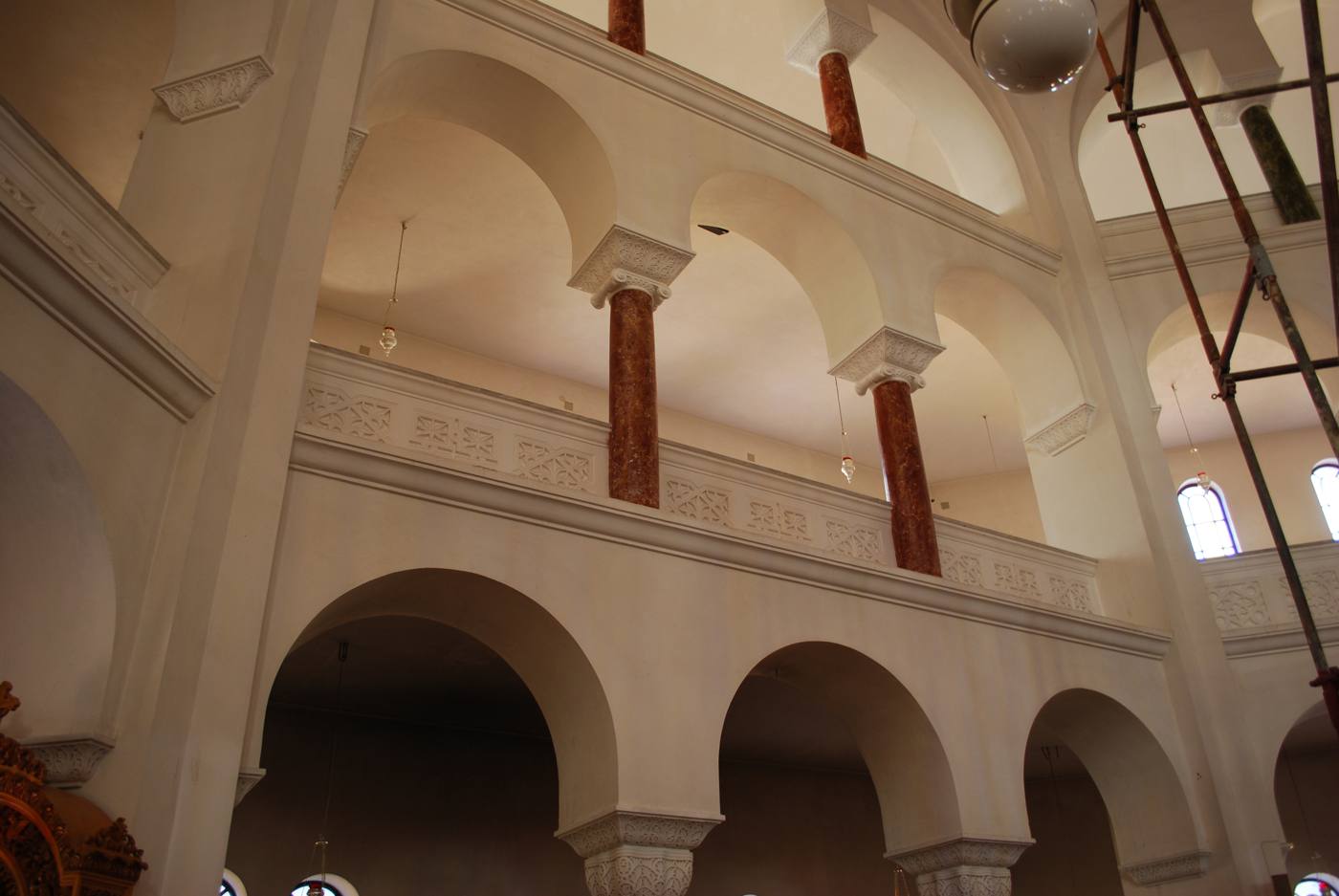
The Monastery of Agios Nektarios is the most important religious site on Aegina and one of the most visited and revered pilgrimage destinations in all of Greece. Dedicated to Saint Nektarios, a beloved modern saint who lived and is buried on the island. It draws thousands of pilgrims from around the world who come to venerate his relics and seek healing. Dominated by an enormous domed basilica and set in peaceful, well-kept grounds kilometres from Aegina Town, the monastery is a moving and impressive place. A highlight of the island for the devout and for curious visitors alike. An essential stop on any tour of Aegina, whatever your beliefs. Plan the whole trip with Greece Tours.
This guide covers the Monastery of Agios Nektarios and its saint: what the monastery is, who Saint Nektarios was, why it is such an important pilgrimage site, what you can see there including the great basilica and the saint’s tomb, the annual feast day. How to get there and combine it with nearby Paleochora, the rules and etiquette for visiting. Practical tips, so you can make the most of a visit to this remarkable and deeply sacred place, whether you come as a pilgrim or simply to admire one of the great religious monuments of Greece.
What is the Monastery of Agios Nektarios?
The Monastery of Agios Nektarios is a large Orthodox convent on Aegina, about six kilometres from Aegina Town, dedicated to Saint Nektarios, who founded and lived there.
The Monastery of Agios Nektarios, dedicated to the Holy Trinity, is the most important religious monument on Aegina and one of the great pilgrimage sites of Greece. It lies about six kilometres from Aegina Town, near the village of Kontos, on the road across the island toward the Temple of Aphaia. Set on a green hillside amid pines and cypresses with views over the surrounding countryside toward the sea.
The monastery began as a small convent for nuns, founded and led in his final years by Saint Nektarios himself, who is buried here. Today it is a large complex, with the original, more intimate convent buildings and church joined by a vast modern basilica raised in the saint’s honour. A community of nuns still lives and worships here. Tending the shrine and the beautiful grounds and welcoming the endless stream of pilgrims who come from all over Greece and around the world.
For visitors, the monastery is both a deeply sacred place of pilgrimage and an impressive sight in its own right. The scale of the great church, the beauty of the grounds and the atmosphere of devotion make it memorable even for those with no religious interest. It is one of the essential things to see on the island. Easily combined with its other attractions along the same cross-island road, and it leaves a lasting impression on almost everyone who visits.
Who was Saint Nektarios?
Saint Nektarios of Aegina, born in 1846, was a Greek Orthodox bishop, teacher and spiritual figure who spent his final years founding and guiding the convent on Aegina.
Saint Nektarios, or Agios Nektarios, was born in 1846 and became one of the most widely loved figures of the modern Greek Orthodox Church. A bishop, teacher and writer known for his humility, learning and deep spirituality, he faced unjust hardship and slander during his life. Which he bore with remarkable patience and humility. In his later years he came to the island of Aegina, where he founded and guided the convent that now bears his name.
He is especially venerated as a healer and a worker of miracles. Local tradition tells of miracles attributed to him, including the healing of the sick and, at the islanders’ request. Bringing rain to end a long drought. Countless pilgrims since have reported healings and answered prayers through his intercession. His reputation for holiness and compassion made him beloved by ordinary people during his lifetime and even more so after his death in the early twentieth century.
In the mid-twentieth century Saint Nektarios was officially recognised as a saint by the Church, confirming the devotion that had already grown around him. Today he is one of the most popular of all modern Orthodox saints. His tomb and relics on Aegina are the focus of one of the largest pilgrimages in Greece, drawing the faithful in their thousands from across the country and around the world.
Why is Agios Nektarios such an important pilgrimage site?
Agios Nektarios is an important pilgrimage site because it holds the tomb and relics of Saint Nektarios, one of the most beloved modern Orthodox saints, revered as a miraculous healer.
The monastery’s importance flows directly from the devotion to Saint Nektarios himself. As one of the most loved and trusted of modern saints, especially as a healer, he attracts an extraordinary stream of pilgrims. His shrine on Aegina has become one of the most visited religious destinations in Greece, drawing the faithful from across the country and far beyond.
Pilgrims come to venerate the saint’s relics and to pray at his tomb, many seeking healing for themselves or their loved ones. Others giving thanks for prayers they believe he has already answered. Some simply drawn by his fame and holiness. The walls near his tomb are often covered with offerings and tokens of gratitude, a moving testament to the faith placed in him. For the devout, a visit here is a profound spiritual experience rather than mere sightseeing.
This deep and living devotion is what sets Agios Nektarios apart from a simple historical monument. Even visitors who come out of curiosity are struck by the intensity of the pilgrims’ faith and the atmosphere of the place. The monastery is thus not only the religious heart of Aegina but a site of national and even international significance in the Orthodox world. Which explains the crowds it can draw, above all on the saint’s feast day.
What can you see at the Monastery of Agios Nektarios?
At the monastery you can see the saint’s original convent and church, his tomb and relics, and the enormous modern basilica raised in his honour.
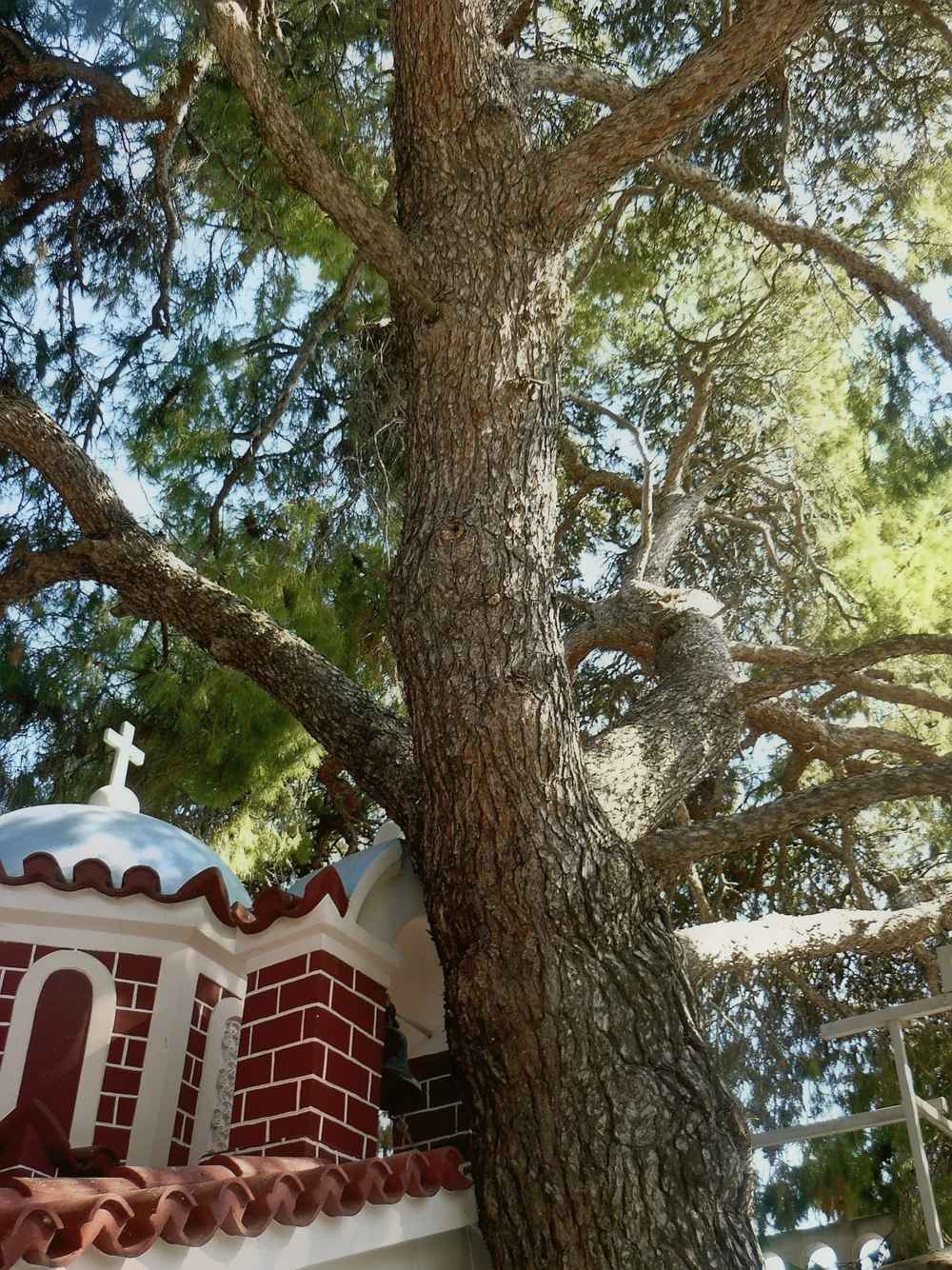
There are two main parts to explore at the monastery. The first is the original convent that Saint Nektarios founded, a more intimate cluster of buildings including the church and the saint’s cell and tomb. Set in tranquil, well-kept grounds shaded by pines and cypresses. This is the historic and spiritual core of the whole site, where pilgrims come to venerate the saint, light candles and pray. Where his precious relics are kept and revered.
The tomb and shrine of the saint are the emotional heart of a visit. Often surrounded by pilgrims at prayer and adorned with countless offerings, candles and tokens left in thanks or hope of healing. Nearby, the marble tomb where the saint was first buried is itself venerated. The atmosphere of quiet devotion. With pilgrims lighting candles, kissing the icons and praying in hushed voices, is deeply powerful and moving.
Dominating the site is the second element, the vast modern basilica, one of the largest Orthodox churches in the region, built to accommodate the huge numbers of pilgrims. Its great dome rises above the trees and is visible from far around, and its scale and grandeur are genuinely sweeping. Together, the humble original convent where the saint himself lived and the immense new church raised in his honour make the monastery both profoundly moving and visually impressive. A rare combination that stays with visitors long after they leave.
What is the great basilica of Agios Nektarios?
The great basilica of Agios Nektarios is an enormous modern Orthodox church, one of the largest in the Balkans, built to honour the saint and to hold the vast crowds of pilgrims.
The most striking feature of the monastery for visitors is its enormous modern basilica. A huge church built in honour of Saint Nektarios and to accommodate the great numbers of pilgrims who come to venerate him. Ranked among the largest Orthodox churches in the Balkans, it is built on a grand scale. With a massive central dome that rises high above the pines and can be seen from far across this part of the island, a landmark that announces the monastery long before you reach it.
Inside, the basilica is vast and airy, with space for large congregations, and it is richly decorated in the Orthodox tradition. Its sheer size makes a powerful impression, a modern expression of the immense devotion inspired by the saint. It contrasts strikingly with the smaller. Older convent buildings nearby that date from the saint’s own lifetime.
The basilica comes into its own above all on major feast days, when it fills with worshippers, but at any time its scale and grandeur are impressive. Together with the historic convent and the saint’s tomb, it completes the experience of the monastery. Embodying both the humble origins and the extraordinary popularity of the cult of Agios Nektarios.
When is the feast day of Saint Nektarios?
The feast of Saint Nektarios is celebrated on the ninth of November each year, when enormous crowds of pilgrims descend on the monastery to honour him.
The great feast of Saint Nektarios falls on the ninth of November, and it is by far the most important date in the monastery’s calendar. On this day, and in the days around it, enormous crowds of pilgrims travel to Aegina from all over Greece and beyond to honour the saint. Filling the monastery and the great basilica for the special services held in his memory.
The scenes of devotion on the feast day are extraordinary, with vast numbers of the faithful venerating the saint’s relics. The whole island takes on a special. Charged atmosphere, with ferries, roads and tavernas full and a palpable sense of occasion everywhere you go. For the devout it is a deeply moving occasion and the highlight of the pilgrimage year, though it is also the busiest and most crowded time to visit, requiring patience, an early start and careful planning if you wish to attend.
Visitors who wish to experience the feast be prepared for large crowds, full ferries and busy roads, and plan their travel and any accommodation well in advance. Those who prefer a quieter, more contemplative visit wish to avoid the feast day itself and come at another time, when the monastery is peaceful and the saint can be venerated in calm.
How do you get to the Monastery of Agios Nektarios?
The Monastery of Agios Nektarios lies about six kilometres from Aegina Town on the road toward the Temple of Aphaia, reached in around fifteen minutes by car, bus or taxi.
The monastery is easy to reach on the compact island of Aegina. It sits about six kilometres from Aegina Town, on the main road that crosses the island toward Agia Marina and the Temple of Aphaia. It takes only around fifteen minutes to get there by car. Scooter or taxi, with a large parking area near the entrance for those with their own transport, which fills quickly on busy days and around the November feast.
For those without a vehicle, regular buses run from the main square by the harbour in Aegina Town and stop at the monastery. Making it accessible to all visitors, though it is worth checking the timetable and planning around the return bus. As one of the island’s most important sites, it is well served and clearly signposted.
Its position on the cross-island road makes the monastery very easy to combine with other sights. Many visitors pair it with the nearby medieval ruins of Paleochora, which sit just above it and belong to the island’s rich history, and with the Temple of Aphaia and a swim at Agia Marina further along the road, making a rewarding half-day or full-day circuit of the island’s main attractions.
What are the rules and etiquette for visiting Agios Nektarios?
Agios Nektarios requires modest dress, with shoulders and knees covered and men in long trousers, and quiet, respectful behaviour.
Active site of worship and pilgrimage rather than a museum, visitors are asked to observe the customs of an Orthodox holy place. Modest dress is required to enter: shoulders and knees be covered, with men wearing long trousers and women covering their shoulders and legs. It is respectful to dress conservatively and to behave quietly and reverently throughout. Remembering that you are a guest in a place of prayer that is sacred to a great many people.
The monastery is generally open to visitors daily, from early in the morning until the evening. Entrance is free. In keeping with its role as a place of pilgrimage open to all. Photography be restricted in certain areas, particularly inside the churches and around the shrine. It is wise to look for signs and to follow the guidance of the nuns and staff. And to switch off camera flashes and phone sounds out of respect for those at prayer.
Above all, visitors be mindful that many of those around them are pilgrims engaged in prayer and veneration. Often at deeply emotional moments. Quiet, unobtrusive and respectful behaviour is essential. Observing these simple courtesies allows everyone to experience the peace and sanctity of the monastery, and ensures that a visit is welcome and rewarding for pilgrims and sightseers alike.
What tips help for visiting Agios Nektarios?
To visit Agios Nektarios, dress modestly, come early or outside the November feast day to avoid the biggest crowds, and combine it with nearby Paleochora and the Temple of Aphaia.
A little preparation makes a visit to the Monastery of Agios Nektarios smoother and more rewarding. The most important thing is to dress modestly, with shoulders and knees covered, as this is required to enter. Plan your clothing accordingly, especially if you are combining the visit with a beach day. Bringing water and a hat is wise, as the site can be hot and exposed in summer. Allowing around an hour or a little more lets you see the convent. The saint’s tomb and the great basilica properly without rushing.
Timing matters too. The monastery is busiest by far on and around the feast day of the saint in November, when huge crowds of pilgrims arrive. Unless you specifically wish to experience the feast, it is more peaceful to visit at another time. Even in the ordinary season, arriving earlier in the day tends to mean fewer crowds and a calmer, more contemplative atmosphere at the shrine.
Finally, make the most of the location by combining the monastery with the sights around it. The medieval ghost town of Paleochora lies just above. The Temple of Aphaia and the beach of Agia Marina are a short way along the same road, so with a little planning you can weave Agios Nektarios into a full and varied day. Above all, remember that this is a sacred place of pilgrimage, so quiet, respectful behaviour throughout ensures a rewarding visit for you and for the faithful around you.
Frequently Asked Questions
Is the Monastery of Agios Nektarios worth visiting?
Yes, the Monastery of Agios Nektarios is well worth visiting and is one of the essential sights of Aegina, whether or not you are religious. As one of the most important and most visited pilgrimage sites in all of Greece, dedicated to a beloved modern saint revered as a healer, it offers a powerful and moving experience, from the intense devotion of the pilgrims at the saint’s tomb to the sheer scale of its enormous modern basilica, one of the largest Orthodox churches in the region. The peaceful, well-kept grounds and the contrast between the humble original convent and the vast new church make it impressive as well as sacred. It is also very easy to reach.
Only kilometres from Aegina Town on the road toward the Temple of Aphaia. Simple to combine with the nearby ruins of Paleochora and the island’s other sights. For pilgrims it is a deeply meaningful and often emotional destination. For other visitors a fascinating, beautiful and thought-provoking place. Making it a genuine highlight of any trip to Aegina and one of the most memorable religious sites in Greece.
Who was Saint Nektarios and why is he so venerated?
Saint Nektarios of Aegina, born in 1846, was a Greek Orthodox bishop, teacher and writer who became one of the most beloved saints of the modern Orthodox Church. Known for his humility, learning and deep holiness, he endured unjust hardship and slander during his life with great patience. Spent his final years on Aegina. Where he founded the convent that now bears his name and where he is buried. He is venerated above all as a miraculous healer: miracles are attributed to him. Both during his life and since his death. Countless pilgrims have reported healings and answered prayers through his intercession, which is why his shrine draws such crowds.
Recognised officially as a saint in the mid-twentieth century, he is today among the most popular of all modern Orthodox saints, trusted especially by those seeking healing and comfort. This combination of a gentle, saintly life, patiently borne suffering, and a powerful reputation as a healer explains the extraordinary devotion he inspires.
What you wear to visit Agios Nektarios?
To visit the Monastery of Agios Nektarios you dress modestly, as it is an active Orthodox place of worship and pilgrimage. Both men and women ensure their shoulders and knees are covered: men are expected to wear long trousers rather than shorts. Women cover their shoulders and wear a skirt or trousers reaching below the knee, or a long dress. It is best to avoid sleeveless tops, short shorts or skirts, and beachwear. Dressing conservatively and respectfully is a sign of reverence for the holy site and for the pilgrims worshipping there. If you arrive without suitable clothing, wraps or coverings are sometimes available to borrow at the entrance.
It is far better to come prepared, especially as you wish to combine your visit with other sightseeing. Along with modest dress, quiet and respectful behaviour throughout the monastery is expected, in keeping with the sacred and devotional character of the place.
Can you combine Agios Nektarios with Paleochora?
Yes, and it is one of the most rewarding pairings on the island, as the Monastery of Agios Nektarios and the medieval ruins of Paleochora lie right next to each other. Paleochora, the atmospheric abandoned medieval capital of Aegina, sits on the hillside just above and behind the monastery, so the two are very easily visited together in a single outing. After venerating the saint and admiring the great basilica at Agios Nektarios, you can walk or drive the short distance up to explore the haunting ruins of Paleochora, with its dozens of little Byzantine churches scattered across the slope, some still preserving old frescoes.
The combination of the living, thronged pilgrimage site and the silent, deserted medieval town makes for a fascinating contrast and a memorable half-day. Both lie on the cross-island road kilometres from Aegina Town. Can also be combined with the Temple of Aphaia and a swim at Agia Marina further along. For a full and richly varied day taking in the island’s greatest sights, from ancient temple to living pilgrimage shrine and silent medieval town.