
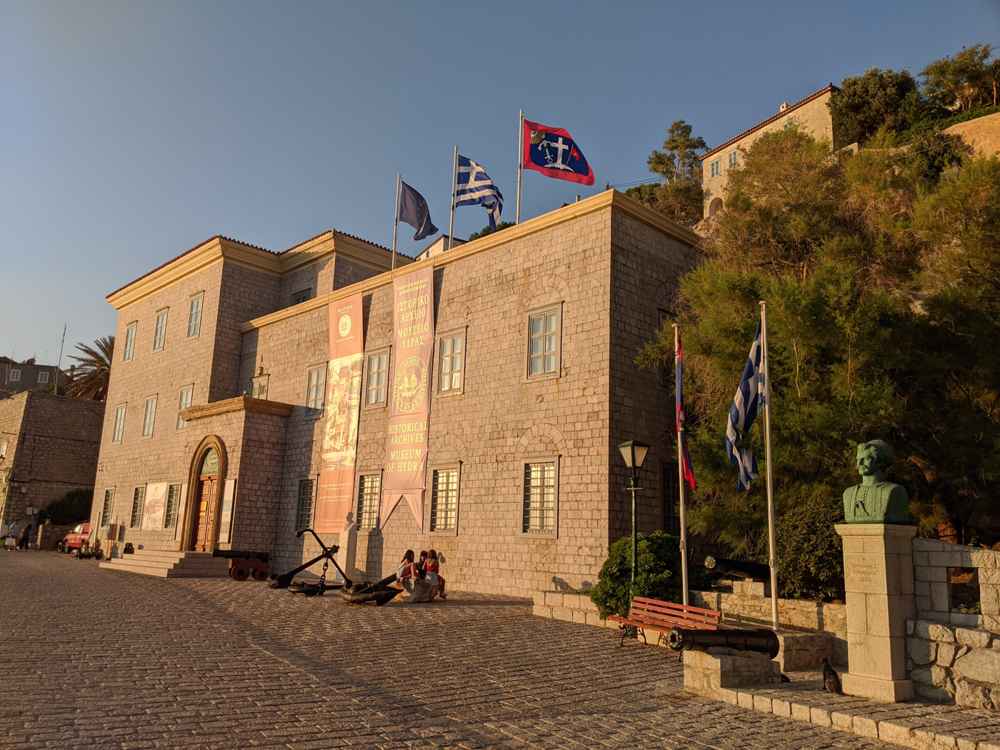
The Hydra museums pack a surprising amount of history and culture into a small island. Reflecting its glorious past as a wealthy seafaring power and its leading role in the Greek War of Independence. The two most important are the Historical Archives Museum on the harbour and the Ecclesiastical and Byzantine Museum by the cathedral. Joined by the grand Koundouriotis Mansion and, in summer, contemporary art shows. Together they make Hydra one of the most rewarding small islands in Greece for anyone interested in history and the arts. Plan the whole trip with Greece Tours.
For such a compact place, Hydra offers a genuine cultural day out, and its museums are all within easy walking distance of the port. This guide covers what museums there are on the island, the Historical Archives Museum and its treasures, the Ecclesiastical and Byzantine Museum, the Koundouriotis Mansion. The island’s art galleries and summer exhibitions, where the museums are and when they open. Practical tips to help you plan a visit to the Hydra museums.
What museums are there on Hydra?
Hydra’s main museums are the Historical Archives Museum on the harbour and the Ecclesiastical and Byzantine Museum by the cathedral.
Despite its small size, Hydra has a rich cluster of museums that tell the story of the island’s remarkable past. The flagship is the Historical Archives Museum, an imposing building right on the waterfront. Followed by the small but beautiful Ecclesiastical and Byzantine Museum housed within the cathedral complex by the harbour.
Beyond these two, the grand Lazaros Koundouriotis Historical Mansion is open as a house-museum, and in summer the island hosts acclaimed contemporary art shows. Together they give Hydra a cultural depth out of all proportion to its size. All are within a short walk of the port. Making a museum tour an easy and rewarding part of a visit.
What is the Historical Archives Museum of Hydra?
The Historical Archives Museum of Hydra, founded in , is the island’s main museum, set in an imposing building on the harbour.
The Historical Archives Museum is the centrepiece of the Hydra museums, founded in and rehoused in its present grand building on the waterfront in the 1990s. Its collection draws on close to 18,000 original documents from the 18th and 19th centuries, recording the tradition, culture and history of the island in extraordinary detail.
The displays bring the island’s story to life, with heirlooms, portraits and mementoes from the Greek War of Independence, in which Hydra played a leading role, alongside exhibits from later conflicts. The upper floor houses a picture gallery. The museum also holds the public library of Hydra. With its old and valuable books, making it a treasure house of the island’s heritage.
What is the Ecclesiastical and Byzantine Museum of Hydra?
The Ecclesiastical and Byzantine Museum of Hydra, open since , is a small museum within the harbour cathedral complex.
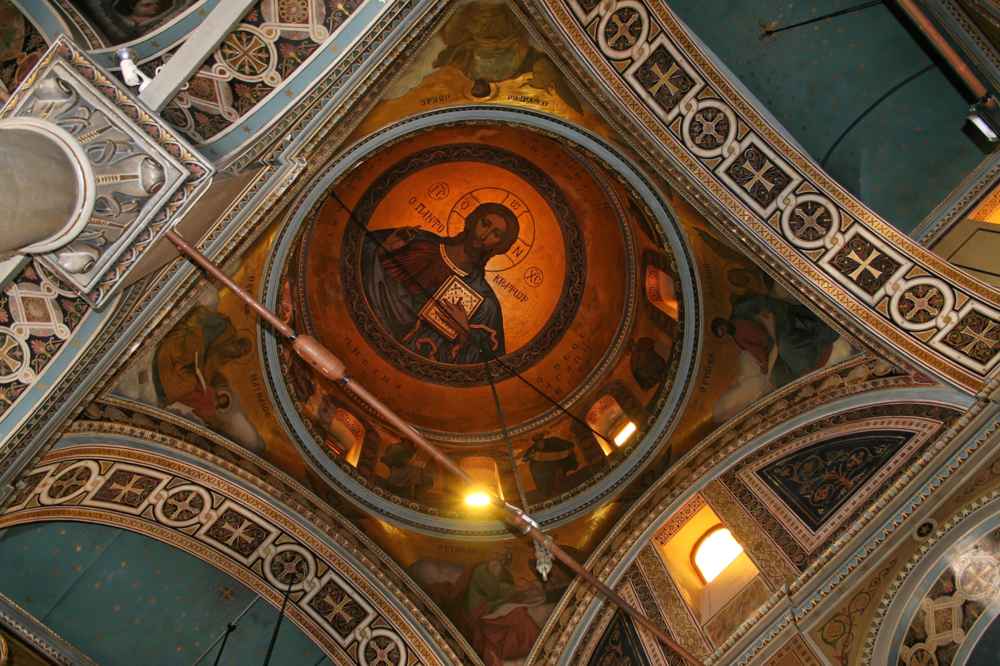
Set within the monastery and cathedral complex on the harbour, the Ecclesiastical and Byzantine Museum, dedicated to Saint Makarios Notaras, has been open since . Though small, it is beautifully presented, occupying the old cell space on the west side of the building and gathering the sacred treasures of the island’s churches.
Its collection features religious vestments, heirlooms, votive offerings and icons, mainly dating from the 18th century, when Hydra was at its wealthiest. A particular highlight is the venerated icon of the Virgin Mary known as Rodon to Amaranton, the undying rose, dating from 1774. For visitors interested in religious art and history, it is a jewel among the Hydra museums.
What is the Lazaros Koundouriotis Historical Mansion?
The Lazaros Koundouriotis Historical Mansion is a grand 18th-century captain’s house above the harbour, now a museum and a branch of the National Historical Museum.
One of the finest of the island’s stone mansions, the Lazaros Koundouriotis Historical Mansion. Sits on the slope above the harbour and is open to the public as a branch of the National Historical Museum. The house belonged to one of the leading families of Hydra. Whose fortune and ships helped fund the Greek Revolution. It is a museum as much about a way of life as about objects.
Inside, restored period rooms are furnished with original furniture, costumes, ceramics and everyday items, recreating the elegant world of an 18th-century captain’s family, while an upper floor displays paintings. Visiting it combines a museum with the experience of stepping inside one of the grand mansions of the town, and it is among the most rewarding of the Hydra museums.
Are there art galleries and exhibitions on Hydra?
Yes, Hydra has a lively arts scene, especially in summer, when a former slaughterhouse on the coast hosts acclaimed contemporary art exhibitions, and other spaces around the town show works by the artists long drawn to the island.
Hydra has attracted painters and writers for generations, and its cultural life extends well beyond its historical museums. The best known contemporary venue is a former slaughterhouse on the rocks outside the town. Which each summer stages a major exhibition of international contemporary art that draws visitors and collectors from around the world.
Around the town, smaller galleries and exhibition spaces show the work of the artists who have made Hydra their home, and the island hosts festivals and events through the season. This blend of deep history and living art is part of what makes the island so special. It means there is usually something to see beyond the permanent Hydra museums, particularly in the summer months.
Where are Hydra’s museums and when are they open?
Hydra’s museums are all in or just above the main harbour town, within a short walk of the port.
All of the main Hydra museums are conveniently clustered in and around the harbour. The Historical Archives Museum stands right on the waterfront. The Ecclesiastical and Byzantine Museum sits within the cathedral complex steps away. The Koundouriotis Mansion is a short climb up into the town, so you can easily see them all on foot in a single visit.
Opening hours vary by museum and by season. The Historical Archives Museum is generally open daily, while the ecclesiastical museum and the mansion keep shorter hours that change between summer and winter. The summer art shows run only during the season. Because times can change, it is always wise to check current opening hours before you set out.
What tips help for visiting Hydra’s museums?
To visit Hydra’s museums, allow a half-day, wear comfortable shoes for the town’s steps, check opening hours in advance, and combine the harbour museums with the Koundouriotis Mansion.
A little planning makes a museum visit on Hydra more enjoyable. The museums are small enough to see comfortably in a half-day, so you can easily pair them with a swim or a long lunch. Comfortable shoes help with the stone steps up to the Koundouriotis Mansion, and checking opening hours in advance avoids disappointment, as the smaller museums keep limited, seasonal times.
Most of the museums charge a modest entrance fee. Carry a little cash, and remember that the Ecclesiastical and Byzantine Museum is a religious space where modest dress is appreciated. Starting at the Historical Archives Museum on the harbour and working up into the town is an easy, logical route. Approached this way, the Hydra museums are a fascinating and manageable cultural highlight of a visit.
Frequently Asked Questions
How much does it cost to visit the museums on Hydra?
The museums on Hydra charge modest entrance fees, typically euros each, with reductions often available for students, children and seniors. The Historical Archives Museum, the Ecclesiastical and Byzantine Museum and the Lazaros Koundouriotis Historical Mansion each have their own small admission charge. It is worth carrying some cash, as not every ticket desk takes cards. The summer contemporary art exhibitions are often free to enter. Given how much history and culture they contain, the fees are excellent value, and seeing all the main Hydra museums in a day remains an inexpensive and rewarding cultural outing.
When are the museums on Hydra open?
Opening hours for the Hydra museums vary by museum and by season, and are generally longer in the summer tourist season than in winter. The Historical Archives Museum on the harbour is usually open daily, while the Ecclesiastical and Byzantine Museum and the Koundouriotis Mansion keep shorter hours that can change through the year, often with a midday break. The summer contemporary art exhibition runs only during its season, typically from late spring into autumn. Because opening times are subject to change, it is always best to check the current hours shortly before your visit, especially outside the peak summer months when sites reduce their opening days.
Which museum on Hydra is most worth visiting?
For most visitors the Historical Archives Museum is the essential one, as it tells the full story of Hydra’s seafaring wealth and its leading role in the Greek War of Independence through documents, relics and paintings, all in a grand building on the harbour. The Lazaros Koundouriotis Historical Mansion is a close second and a favourite with many. Combining a museum with the chance to step inside one of the island’s grand stone captains’ houses. The small Ecclesiastical and Byzantine Museum is a gem for those interested in religious art and icons.
Ideally, as they are all close together and inexpensive, you can see the main Hydra museums in a single half-day and enjoy the different sides of the island’s story.