
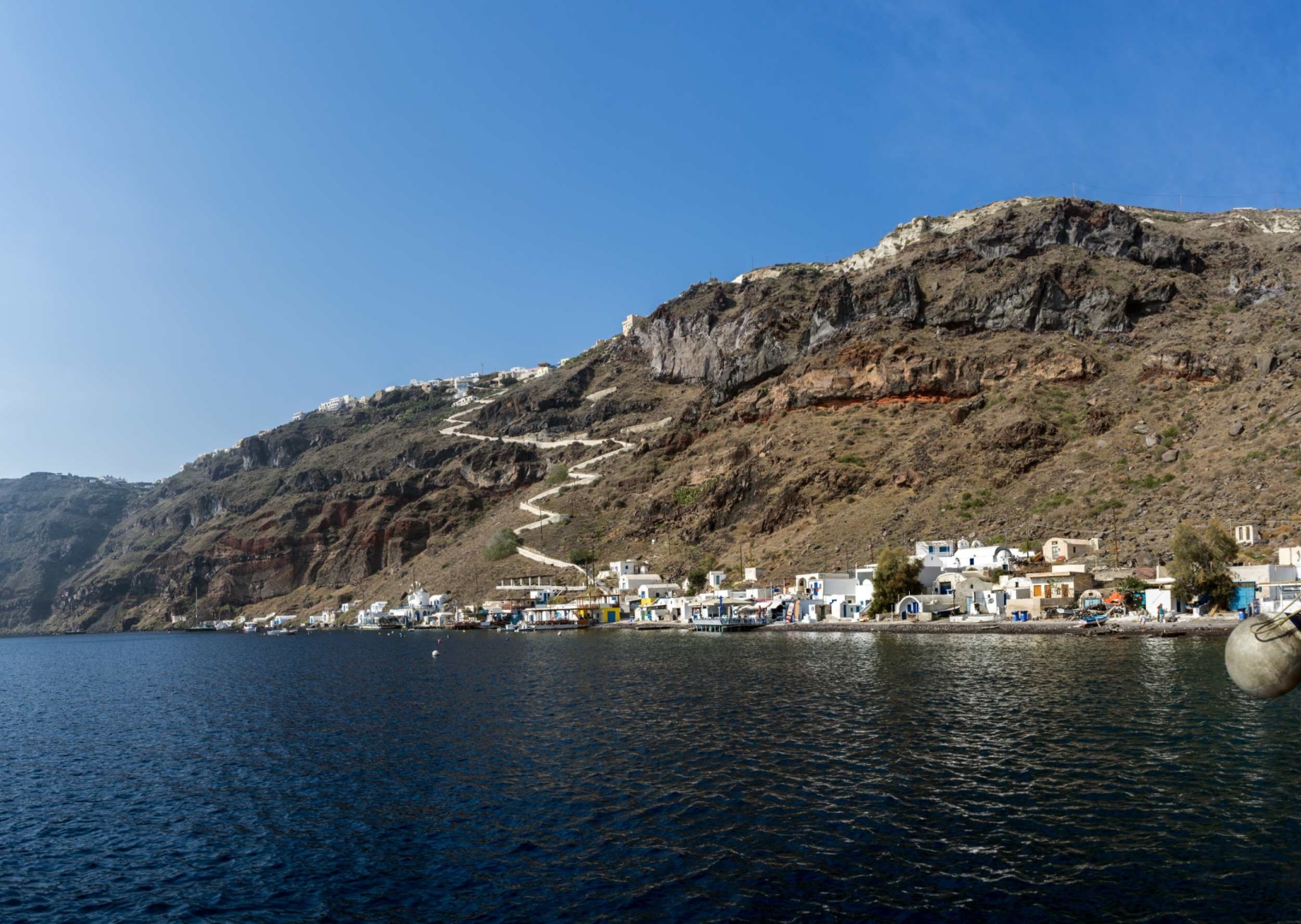
Discover Thirasia Island, Greece, a peaceful escape near Santorini with authentic village life, stunning caldera views, and serene hikes for your trip.
Thirasia Travel Guide: Explore Santorini’s Untouched Neighbor — What To Know Before You Go
Thirasia is the quieter, almost secret sibling to Santorini’s world-famous cliffs. Tucked on the rim of the caldera, this small island feels like a time capsule: whitewashed houses, slow-paced village life, and views that rival, but don’t compete with, its bustling neighbor. More travelers are looking for authentic Cycladic experiences away from crowded hotspots, and Thirasia delivers. In this guide, we’ll cover the practical facts, exactly how to get there, where to stay, the best hikes and viewpoints, what to eat, sample itineraries for half-day to multi-day trips, and the local etiquette you should respect. Greece Tours aims to help you plan a smooth, rewarding visit, whether you’re making a short detour from Santorini or dedicating a few nights to truly unwind.
https://www.youtube.com/watch?v=Hp-XDUfBXO4
The cruises below cross the Santorini caldera to Thirasia, the volcano and the hot springs, some of them ending at sunset off Oia.
Quick Facts And Why Visit Thirasia
Thirasia is one of the small islands forming Santorini’s caldera complex. It’s roughly 15–20 minutes by local boat from Oia across the sea and slightly longer from the main ports. The population is tiny, only a few hundred permanent residents, so life here is peaceful and largely unchanged compared with the tourist-heavy villages on Santorini. Climate follows the typical Cycladic pattern: hot, dry summers and mild, wet winters. Peak season runs June through September: shoulder months (April–May and October) offer cooler temperatures and quieter lanes.
Why visit? There are four big reasons we recommend adding Thirasia to your Greece itinerary:
- Authentic village life: The island’s villages (Manolas, Potamos, and others) give you a chance to see daily Greek island rhythms, bakers, fishermen, and elders chatting in the square, without tourist trimmings.
- Dramatic caldera views: Thirasia looks straight across to Santorini’s cliffs and Oia’s iconic sunset spots. You get the view but with a fraction of the crowds.
- Low-key outdoor activities: Short hikes, quiet coastal walks, and a few small beaches let you move at your own pace.
- Cultural continuity: Traditional tavernas, local festivals (panigyria) in summer, and locally grown foods make the island feel lived-in, not staged.
In short, Thirasia is for travelers who want to trade the tourist treadmill for slower rhythms and honest views. It’s a short detour for a big payoff.
Where is Thirasia, and how did the Minoan eruption create it?
Thirasia lies on the western rim of the Santorini caldera, about one mile from Ammoudi below Oia; it covers 9.3 square kilometres, counted 249 residents at the 2021 census, and broke away from the older round island of Strongyli in the Minoan eruption around 1600 BC.
Before the eruption, Thira, Thirasia and Aspronisi formed one island, Strongyli, the “round one”. The eruption created the caldera; today the three islands trace the ring of that lost coastline, with the young volcanic islets of Nea and Palea Kameni in the middle. Thirasia is the second-largest island of the group after Thira and belongs to the municipal unit of Oia.
Myth gives Thirasia its name from the youngest daughter of King Thiras, who received the island to build a palace. In 1397 the Duke of Naxos, Francesco I Crispo, granted Thirasia and Ios to his son Marco. Manolas is the capital, and Riva is the port.
The villages of Thirasia, with their residents at the 2021 census:
- Manolas: 140 residents, the capital on the caldera rim.
- Potamos: 74 residents, on a circular trail from Manolas.
- Agia Eirini: 28 residents, named after its church of Agia Eirini.
- Agrilia: 5 residents, a ruined village of cave houses cut into the rock.
- Ormos Korfou: 2 residents, the small harbour below Manolas.
How did the quarries of Thirasia reveal Bronze Age Santorini?
In 1866 quarry workers on Thirasia, digging Santorini earth for the Suez Canal, uncovered an ancient building, pottery and a human skeleton; the finds, excavated by Nikolaos Nomikos and later by the French volcanologist Ferdinand Fouqué in 1867, led to the excavations at Akrotiri.
In the 1860s the quarries of Thira and Thirasia shipped volcanic “Santorini earth” to Egypt, where it went into the building of the Suez Canal. In the quarry of Nikolaos Nomikos and Spyridon Alafouzos, in the south of Thirasia, workers struck the walls of a prehistoric house. Nomikos, a doctor and member of parliament, and Alafouzos arranged the first excavation, and the eruption of the volcano in 1866 to 1870 brought scientists from around the world to the islands.
Fouqué dug on Thirasia in 1867 and dated the settlement to the Late Bronze Age, buried under the ash of the Minoan eruption. His work set off the search that later uncovered Akrotiri on Santorini. A second prehistoric settlement, at Koimisi on the south-eastern tip of Thirasia, dates to the Early and Middle Bronze Age and fills in the story of the island group before the eruption.
The old quarries are the main archaeological site of Thirasia, and the walking trail from Agrilia past Christos reaches them. The same southern end of Thirasia holds the ruined village of Kera and the monastery of the Dormition of the Virgin on Cape Tripiti. Thirasia counts 21 churches and chapels in all: the feast of Profitis Ilias on 20 July and the feast of the Panagia Tripiti on 15 August both gather the islanders at Kera, and the feast of Agios Ioannis on 29 August is held at Potamos.
How To Get There: Ferry Routes, Timetables, And Practical Tips
Getting to Thirasia is straightforward but requires a little planning. Two main access points depend on where you’re coming from:
- From Santorini (most common): Regular local caiques (small passenger boats) and public boats connect Oia, Ammoudi, and the port of Athinios with Thirasia’s main landing at Korfos or the small harbors near Potamos. During high season, you’ll find multiple runs daily, early morning, midday, and late afternoon, to match Santorini arrivals and day trips. From Oia, the crossing is short (about 10–20 minutes on small boats): from Athinios port, it’s longer and depends on the route.
- From other Cyclades: There are fewer frequent connections from nearby islands, often seasonal. If you’re island-hopping, check regional ferry schedules (Blue Star and smaller operators) as services change with demand.
Timetables: Local boat timetables shift year to year. Expect frequent summer services (every 1–3 hours at peak times) and a reduced winter schedule. Always check the latest timetable at the Santorini port or with your accommodation.
Booking: For short local crossings, we usually don’t prebook; tickets are sold at the quay, but for transfers timed with flights or during festival weekends, reserve in advance.
Practical tips:
- Luggage limits: Small boats have tight storage. Travel light or use soft-sided bags.
- Cash: Thirasia is cash-friendly: some small tavernas won’t take cards.
- Timing for sunset: If you’re aiming for sunset views of Oia from the island, plan to arrive at least 60–90 minutes before to find a seat at a cliff-side café or a good viewpoint.
- Weather delays: Meltemi winds (strong northerlies) can disrupt short crossings in mid-summer. Build flexibility into your schedule.
Getting to Thirasia is part of the charm, short sea trips, the clack of rope on wood, and that slow island approach set the tone for a different Cycladic experience.
Where To Stay And The Best Villages To Base Yourself
Thirasia’s accommodation scene is intentionally small and intimate, think family-run pensions, a handful of guesthouses, and a couple of self-catering options. There are no large resorts, which is part of its appeal. The main villages to consider are:
- Manolas: Perched above the caldera, Manolas is the administrative and social heart of Thirasia. Narrow alleys, a central square, and panoramic terraces make it our top pick for first-time visitors. Staying here means short walks to viewpoints and local tavernas.
- Potamos: Lower on the island and closer to the small port area, Potamos is practical if you want quick access to boats. The vibe is quieter, with a few waterfront tavernas and easy access to coastal walks.
- Fourní and Agrilia (smaller hamlets): These are ideal if you want even more seclusion. Expect fewer amenities but richer solitude and better chances to mingle with locals.
Types of accommodation:
- Family guesthouses: Simple rooms, local breakfast, and hosts who give the best insider tips.
- Self-catered studios: Good for longer stays or travelers who prefer cooking with local market finds.
- Small boutique stays: A couple of renovated Cycladic homes offer terraces and sea views; book early in summer.
Where to base yourself depends on priorities. If views and village life matter most, choose Manolas. If you want convenience for short visits or arriving by boat, Potamos is sensible. For peace and long stays, look at smaller hamlets.
Booking advice: Because options are limited, reserve at least a few weeks ahead for summer, and confirm boat pick-up or directions with your host. Expect simple but clean rooms: Thirasia trades luxury for authenticity.
Top Things To Do: Hikes, Viewpoints, Beaches, And Local Experiences
Thirasia’s pleasures are low-key but memorable. Here’s what we make time for when we visit:
Hikes & Walks:
- Manolas to Korfos trail: A classic cliffside walk offering continuous caldera views. It’s rocky in places, so good shoes are a must. The trail is about 45–75 minutes, depending on stops.
- Potamos coastal walk: Gentle and scenic, perfect for a relaxed morning stroll and birdwatching.
- Loop to agricultural terraces: Explore old donkey paths and terraced vineyards to see how locals once farmed the steep slopes.
Viewpoints:
- Caldera rim above Manolas: Sunset and sunrise here are quieter but just as dramatic as Santorini’s main overlooks.
- Northern promontory near Agia Kyriaki chapel: A rugged spot where the sea opens wide, great for photos and solitude.
Beaches:
- Small pebbly bays: Thirasia doesn’t have long sandy beaches; instead, find sheltered coves with pebbles and clear water ideal for snorkeling. Bring water shoes; they help with the rocky entry points.
- Boat-access beaches: If you rent a small boat or join a local skipper, you can reach secluded coves on the island’s eastern side.
Local Experiences:
- Taverna evenings: Sit with locals over grilled fish, fava, and local salads. Conversation here moves slowly: let the meal linger.
- Panigyri (village festival): If your trip aligns with a saint’s day, arrive ready to eat, dance, and maybe join a procession; these are communal and welcoming.
- Fishing with locals: Some families still fish traditional lines: ask around to join a short trip at dawn.
Practical notes: Hiking surfaces are uneven: carry water and sun protection. Facilities are minimal at viewpoints and beaches; pack snacks, and respect private gardens and farm plots. The payoff is tranquility and unfiltered island beauty.
Eat, Drink, And Local Culture: Restaurants, Markets, And Traditions
Food on Thirasia is straightforward, seasonal, and anchored in local produce and seafood. We find that meals here feel like a conversation, unrushed and sincere.
What to try:
- Fresh fish: Locally caught and simply prepared, grilled with lemon and herbs.
- Fava: A creamy yellow split-pea purée that’s a staple across the Cyclades.
- Local cheeses: Small-batch goat and sheep cheeses, often served with honey or wild herbs.
- Tomato keftedes (tomato fritters): A summer specialty worth ordering when available.
Where to eat:
- Village tavernas: Family-run spots in Manolas and Potamos serve the island’s best dishes. Expect rustic settings, hospitable hosts, and menus that change with what’s fresh.
- Kafeneio (coffee house): The social hub for older locals. Drop in for an espresso, a chat, and a glimpse into everyday life.
- Occasional pop-up meals: During festivals or high season, families sometimes set up communal dinners; these are low-key but memorable if you’re invited.
Markets & provisioning:
- Small shops supply essentials, bread, olive oil, and drinks. For larger groceries, visitors often stock up in Santorini before arriving.
- Farmers’ stands: Seasonal produce (tomatoes, beans, herbs) appears at simple roadside stalls.
Culture & etiquette:
- Hospitality is sincere: If invited to someone’s table or home, accept. This is how relationships form.
- Dress and behavior: Keep swimwear to the beach and use respectful attire in villages and churches.
- Tipping: Not obligatory but appreciated: round up the bill or leave 5–10% for excellent service.
Eating on Thirasia means savoring slow food and slower time. The flavors are simple but honest, and every meal feels like an invitation to linger.
Suggested Itineraries And Day Trips (Half‑Day, Full‑Day, Multi‑Day)
We outline flexible plans depending on how much time you have. Each itinerary assumes arrival by boat and can be adjusted for weather or season.
Half‑Day (Perfect for Oia stopovers)
- Morning: Catch an early boat from Oia to Korfos. Walk the coastal path to Potamos, enjoy a coffee, and wander narrow lanes.
- Midday: Lunch at a cliff-side taverna facing Santorini. Return by a mid-afternoon boat.
- Why it works: You get a quiet contrast to busy Oia without committing a full day.
Full‑Day (Relaxed exploration)
- Morning: Land at Potamos, walk to Manolas via terraces and alleys, and stop at local shops.
- Afternoon: Hike the Manolas–Korfos trail, swim at a pebble cove, or rent a small boat for an hour.
- Evening: Sunset from Manolas followed by a long taverna dinner and late boat back or overnight stay.
Multi‑Day (2–4 days to unwind)
- Day 1: Arrive, settle into a guesthouse in Manolas, short sunset walk.
- Day 2: Full hike, visit isolated chapels, and picnic among terraces. Evening panigyri or village dining.
- Day 3: Rent a local skipper for a half-day coastal tour to hidden coves: afternoon reading and slow-paced village life.
- Day 4: Leisurely morning, last coffee, and departure.
Mix-and-match options:
- Combine Thirasia with a Santorini sunset cruise: stay overnight on Thirasia for a quieter return.
- Day trip from Santorini: Good for travelers who want an unplugged contrast to the hectic caldera circuit.
Logistics tips: Plan boat times into your schedule and leave buffer time for sea delays. If staying overnight, book accommodation and confirm a pick-up or arrival point with your host.
Practical Tips, Safety, Accessibility, And Responsible Travel Etiquette
Practical Tips:
- Money: Bring cash for small purchases. ATMs are not guaranteed on the island.
- Connectivity: Expect limited mobile signal and patchy Wi‑Fi at small guesthouses. Use this as a chance to disconnect.
- Supplies: If you need specific medications or gear, get them on Santorini before arrival.
Safety:
- Sea safety: Short boat crossings are generally safe, but avoid travel during strong winds (Meltemi). Local boatmen know conditions; ask them.
- Hiking safety: Trails are rocky and steep in parts. Wear sturdy shoes, take water, and don’t hike at midday in summer heat.
- Emergency services: Medical facilities are limited; for serious issues, evacuation to Santorini or the mainland may be necessary. Keep travel insurance current and note local emergency numbers.
Accessibility:
- Terrain: Narrow alleys, steps, and uneven paths make Thirasia challenging for travelers with mobility issues. Wheelchair access is extremely limited.
- Transport: There’s minimal motorized transport on the island; donkeys and foot travel have historically been common, though locals use small ATVs or cars where roads exist.
Responsible Travel Etiquette:
- Respect private property: Much of the island is privately owned or farmed. Stay on marked paths and don’t pick produce.
- Support local businesses: Eat at family tavernas, buy local goods, and hire local guides. Your spending has an outsized positive impact.
- Waste: Bring reusable water bottles and avoid single-use plastics where possible. If you generate trash, ask your host about disposal; facilities are basic.
- Noise and behavior: Thirasia values quiet: keep noise low at night and avoid disruptive behavior during village events.
By planning responsibly and respecting local rhythms, we protect Thirasia’s character and help ensure it remains a quiet refuge for future visitors.
Conclusion
Thirasia is a deliberate antidote to overloaded travel: smaller crowds, slower days, and a lived-in authenticity that’s rare in the Cyclades. Whether you stop for a half-day to taste calmer caldera views or spend several nights digging into village life, Thirasia rewards those who come with patience and curiosity. We recommend planning a flexible schedule, prioritizing local tavernas and guesthouses, and treating the island as a place to slow down rather than tick off a checklist. As travelers seek more genuine, low-impact experiences, Thirasia stands out, quiet, resilient, and quietly magnificent.
Thirasia Travel Guide: Frequently Asked Questions
What makes Thirasia Island a unique destination compared to Santorini?
Thirasia Island offers authentic village life, dramatic caldera views without the crowds, low-key outdoor activities, and cultural continuity, making it a peaceful alternative to bustling Santorini.
How can I get to Thirasia from Santorini?
You can reach Thirasia by local boats and caiques from Oia, Ammoudi, or Athinios port, with frequent summer services taking about 10–20 minutes from Oia. Check current timetables and consider booking in advance during peak periods.
What are the best villages to stay in on Thirasia?
Manolas is ideal for panoramic views and village life, Potamos offers convenience near the harbor, and smaller hamlets like Fourní and Agrilia provide seclusion and local atmosphere. Accommodations include family guesthouses and self-catered studios.
What are the recommended activities and sights on Thirasia Island?
Top activities include hiking the Manolas-to-Korfos trail with caldera views, coastal walks, visiting viewpoints and pebbly beaches, enjoying local tavernas, and participating in summer festivals or traditional fishing experiences.
What local foods should I try when visiting Thirasia?
Try fresh grilled fish, creamy fava split-pea purée, local goat and sheep cheeses often served with honey, and tomato keftedes (tomato fritters). Meals are typically simple, seasonal, and enjoyed leisurely in family-run tavernas.
Is Thirasia suitable for travelers with mobility issues?
Thirasia’s narrow alleys, uneven paths, and limited motorized transport make it challenging for travelers with mobility impairments. Wheelchair access is extremely limited, so it’s best suited for those comfortable with walking on rocky or stepped terrain.
Find more experiences in My Greece Tours:
- Tours In Greece: Authentic Small-Group And Private Experiences
- Tours Greece: The Ultimate Guide
- Top Hiking Trails In Greece
- Top Beaches in Greece: The Ultimate Guide To Sun, Sand, And Sea
- Island Hopping Tips In Greece
- Hidden Gems In Crete
- Greek History You Should Know
- Greece Walking Tours: The Ultimate Guide To Exploring On Foot
- Greece Tours From Athens