
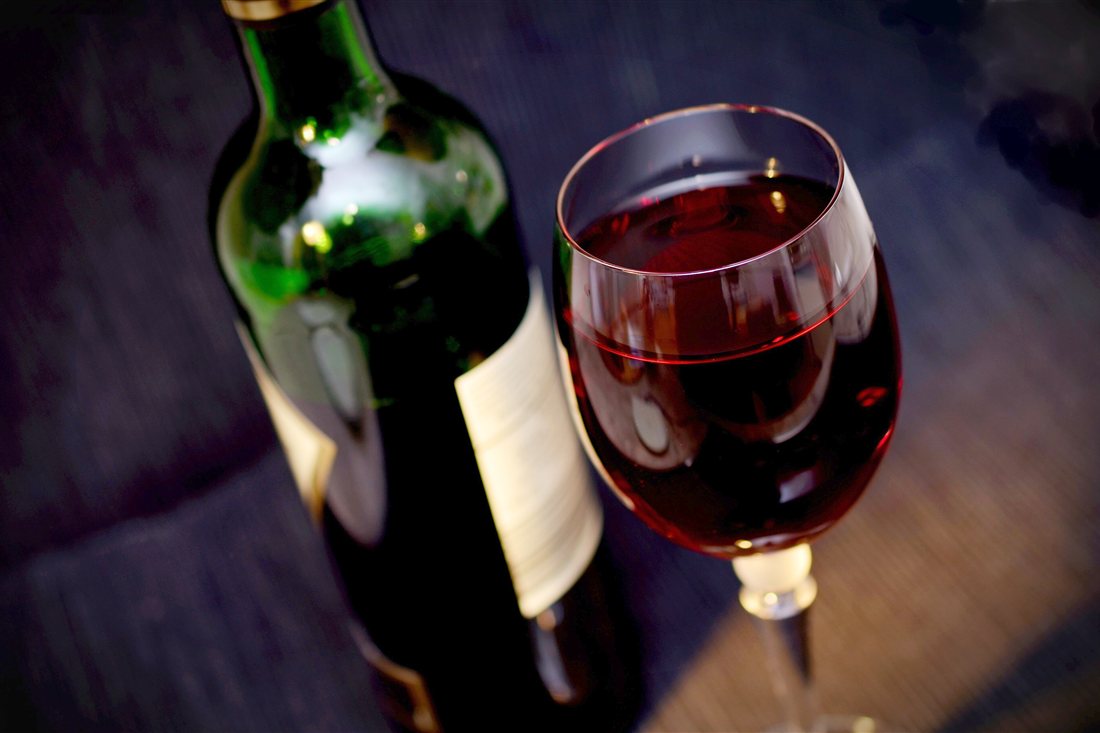
A Thermopylae wine tasting pairs a visit to the pass where Leonidas and his Spartans fought with a winery visit among the vineyards of central Greece. For tours across the rest of the country, open our Greece Tours homepage.
Below you find the Thermopylae wine tasting tour you can book, the wineries near the pass, how the tasting fits the battlefield stops, what the Spartans drank, the grapes, the months that suit it and a short list of visitor questions.
What is a Thermopylae wine tasting?
One full day out of Athens joins a battlefield visit with a guided tasting at a winery. The operator of the listed tour puts the battlefield first and the winery in the afternoon.
A Thermopylae wine tasting is sold as a day trip with two parts. GetYourGuide files its listing under day trips and titles it “Last Stand of the 300 Spartans Tour & Winery Visit”. The pass itself lies in Phthiotis, a regional unit of Central Greece.
GetYourGuide describes this Thermopylae wine tasting in two lines. Military advisors explain the battle on site, and a guided tasting at a Greek winery follows. The tour leaves from Athens and runs as a full-day outing.
The operator’s own page puts its Thermopylae wine tasting at Oinotria Gea Winery. It calls the winery a stop amid the vineyards of central Greece. That page names no village for the winery, so the exact spot stays unconfirmed here.
The land around the pass has a wine label of its own. Wines of Greece defines PGI Fthiotis as the whole prefecture of Fthiotida above an altitude of 20 metres.
Fthiotida is the northernmost prefecture of Sterea Ellada, the same register adds. Sea breezes from the Euboean Gulf and cool currents from Mount Parnassos ease the summer heat on the vines.
Which Thermopylae wine tasting tour can you book?
The tour on GetYourGuide is Last Stand of the 300 Spartans Tour & Winery Visit, an 8.5-hour day trip from Athens. The operator’s own site sells a day with the same winery stop, and the group meets at Syntagma Square.
GetYourGuide gives the length as 8.5 hours and the type as a day trip. It shows free cancellation and asks for a booking at least 10 hours ahead. Tours run in English and Greek.
Hellenic Battlefield & Heritage Tours A.E. sells the Thermopylae wine tasting on its own site. The page is called “Last stand of the 300 Spartans & Winery Tour” and sits under daily tours. The operator’s FAQ confirms English and Greek as its tour languages.
The operator’s departure point is Syntagma Square in Athens, on Othonos Street. The page lists 18 places on the tour, so the scheduled day is a small group. The FAQ names the Tailor-made Tours page for private bookings.
The tour page lists these inclusions for the Thermopylae wine tasting:
- Expert narrative by military advisors
- Exact replicas of ancient weapons
- Luxury mini-bus transport
- Personalised attention
- Customised battle maps and relevant information
- Bottled water
- All entrance fees
- Wine tasting package
It lists two exclusions: official guiding inside museums, archaeological sites or protected sites, and meals. The FAQ gives the reason. The hosts are military experts, not licensed tourist guides, so a licensed guide covers any designated site on the route.
The vehicles on this Thermopylae wine tasting are luxury minivans or minibuses. The FAQ lists licensed drivers, seat belts, air conditioning, Wi-Fi and charging ports. The operator picks the vehicle by group size.
Children over 10 can join a Thermopylae wine tasting when an adult who supervises them comes along. Cancel in writing at least 72 hours before the start and the operator refunds the full amount. Later notice is non-refundable, and so is a no-show.
Which wineries pour a Thermopylae wine tasting in Phthiotis?
Three Phthiotis wineries publish details a traveller can use. Domaine Hatzimichalis and Kainas Winery are at Atalanti, and La Tour Melas is at Achinos. The listed day names none of them, because its tasting is at Oinotria Gea Winery.
Wikipedia calls Atalanti the second largest town in Phthiotis and notes its reputation as a wine-producing hub. Domaine Hatzimichalis grows its vines there. Wines of Greece says the domaine chose it for the cooling air currents between Mount Parnassos and the sea.
The domaine’s own vineyard now covers 220 hectares, and the first planting took 9. The vines sit mainly on the slopes of the valley. The winery combines production halls with small museum displays on the history of wine and on winemaking equipment.
Kainas Winery stands at Tzoumagias 11, 35200 Atalanti, in Lokris. Its vineyard story starts nearly 100 years ago with 15 hectares. Today the family holds 60 hectares of estate vines and works with 40 hectares of partner vineyards.
Flat ground at Kainas grows white grapes such as Assyrtiko, Athiri, Roditis, Savvatiano and Malagouzia. The dry red vineyards sit at 340 to 380 metres on Mount Roda. They grow Cabernet Franc, Cabernet Sauvignon, Merlot, Syrah and Grenache Rouge.
Phaos is a white wine with pineapple, banana and apple aromas. Erebus is a dark red with black cherry, pepper, dried plum and walnut. The winery states that every label falls under PGI Atalanti Valley.
The Kainas site lists two phone numbers and an email for information and orders. It does not publish tasting hours. A traveller who wants a Thermopylae wine tasting at this cellar asks the winery first.
La Tour Melas stands above the village of Achinos, in the municipality of Stylida in Phthiotis. The vineyard faces south, with oak forest and olive groves around it. The postal address is 35300 Achinos.
Its directions run from Lamia toward Thessaloniki on the E75. After 33 kilometres you reach Achinos. Ask for La Tour Melas, or “O Pyrgos tou Mela”, and the estate is 5 kilometres further.
The estate says its soil analysis showed the land suits Merlot and Cabernet Franc. It farms by ecological and biodynamic principles. The gravity-fed winery was dug into the mountain.
The rosé Idylle D’ Achinos blends Grenache, Syrah and Agiorgitiko. The estate lodges have 14 rooms for wine lovers who want to visit. The contact page lists an Appointments line open 8am to 4pm. A secretary line is open 8am to 8pm.
Gastronomy Tours lists La Tour Melas as a nearby producer on its Thermopylae page. It files the estate under the Lamia area. The listed day does not stop there, so a visit at La Tour Melas is a separate plan.
Difford’s Guide counts nine PGI wine zones in Central Greece. Wines of Greece places four of them in Fthiotida: Valley of Atalanti, Opountia Lokrida, Slopes of Knimida and Phthiotis.
PGI Valley of Atalanti covers Atalanti, Kalapodi and Megaplatanos, at more than 30 metres above sea level. The valley runs east to west between the Knimida mountains and Rahes Galanou. Wines of Greece names it a route toward Mount Parnassos and Delphi.
PGI Opountia Lokrida runs along the southeast of Fthiotida. The northern coast of the Gulf of Evia is its eastern edge. Only vineyards west of the A1/E75 motorway count in the zone. Exarchos, Kalapodi, Kyparissi and Megaplatanos are among its areas.
PGI Slopes of Knimida needs vines above 150 metres. Knimida is the eastern extension of Mount Kallidromo, the mountain beside the pass. The vineyards sit mainly on southern slopes above the Valley of Atalanti. The Atalanti, Opountia and Knimida zones overlap in parts.
The four zones cover white, rosé and red wines in dry and sweeter styles. Assyrtiko, Malagousia and Syrah appear on every grape list. These four zones are the labels to look for on a Thermopylae wine tasting at a Phthiotis cellar.
How does a Thermopylae wine tasting fit around the battlefield visit?
The operator schedules the battlefield first and Oinotria Gea Winery after it. The group leaves Athens by minibus, so the guided tasting comes in the afternoon, once the history is done.
The battlefield half runs on the ground itself, and our Thermopylae tours page covers the pass. The operator says its military advisors examine terrain, visibility and space there. Guests handle supervised replicas of swords, shields and helmets, a feature the FAQ limits to Athens-based tours.
Each guest on the Thermopylae wine tasting also gets access to an electronic folder. It holds guidance, maps and context that help visitors follow the story of the day.
The operator calls the guided tasting a quieter, reflective contrast to the battlefield. It describes the winery as a setting to unwind. A Thermopylae wine tasting of this kind is a day of two moods.
The FAQ adds that full-day tours also stop for restrooms, refreshments, rest and a lunch break. The tour page does not name the lunch stop.
A self-drive Thermopylae wine tasting at a Phthiotis winery is a different plan from the listed day. A route query on OpenStreetMap data gives 42 kilometres by road from the pass to Achinos village. The drive takes about 44 minutes. The same query gives 62 kilometres to Atalanti, in about 62 minutes.
The tour page names Oinotria Gea Winery. A stop at Kainas Winery, Domaine Hatzimichalis or La Tour Melas needs its own arrangement. Anyone comparing a Thermopylae wine tasting checks four lines before booking: winery name, meeting point, cancellation rule and language.
What wine did the Spartans drink, and how does a Thermopylae wine tasting recall it?
Spartans drank wine mixed with water at their common meals, the syssitia. Each person received a cup of the mixture, refilled when required, and drunkenness was not tolerated. The Greek word for wine, krasi, comes from krasis, which means “mixing”.
Wikipedia describes the syssitia as a daily, obligatory banquet. No man, not even the two kings, was free to stay away without a good excuse. Each member paid a monthly share into the common pot, and that share included 39 litres of wine.
Wikipedia lists barley, wine, cheese, grain and figs as the farm output of Sparta. Helots tended each citizen’s plot, called a kleros. The citizen gave part of the yield to his mess.
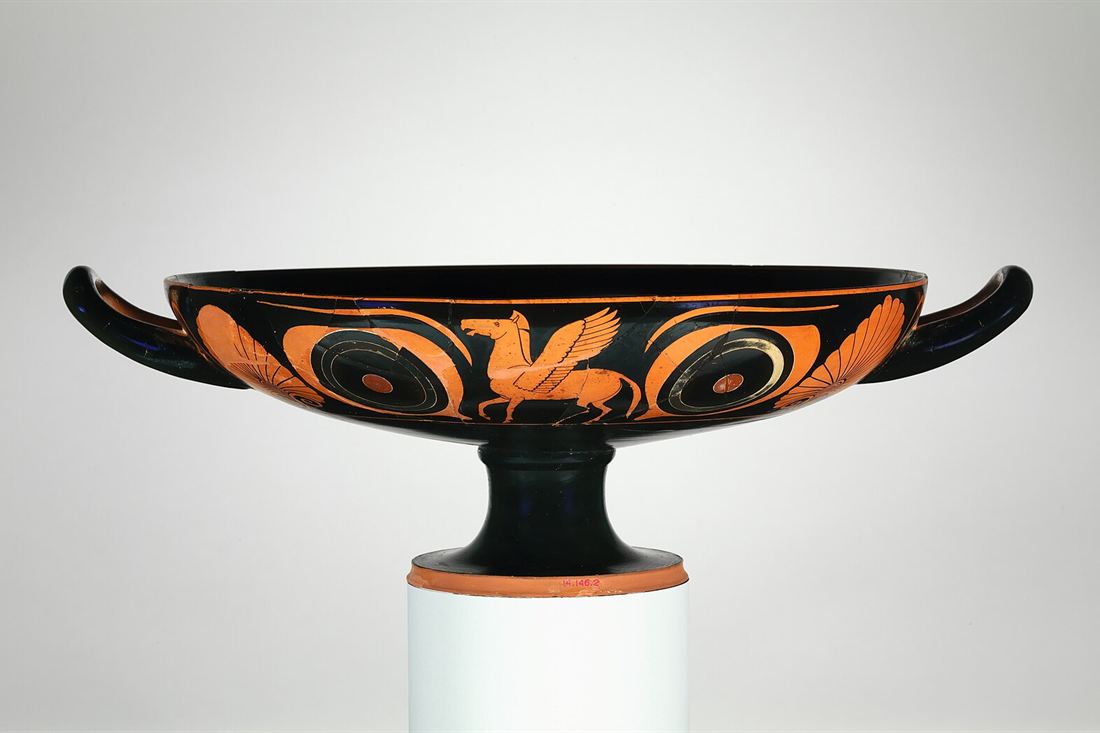
The word krasi ties a Thermopylae wine tasting to the ancient mixing bowl. A krater was a large, open-mouthed bowl, set in the centre of the room at a symposium. Wine went in from an amphora, and water came from a hydria.
The Chau Chak Wing Museum in Sydney notes that Greeks thought undiluted wine vulgar. Wikipedia says the guests of a symposium elected a symposiarch, who set the strength of the wine for the evening. He also controlled how fast the cups were refilled.
For a picture of the custom, look to the museum’s own krater, made in Athens between 450 and 425 BC. Four men recline on two couches. A youth holds a kylix, a drinking cup, after a throw at kottabos, a drinking game.
Wikipedia adds that guests poured libations, small offerings of wine, in honour of the gods. Wine was drunk only after dinner. Wikipedia also quotes a play of about 375 BC. In it, the god Dionysos names three bowls for sensible men, for health, for love and pleasure, and for sleep. After the third, wise men go home.
Plutarch writes that boys came to the public messes “as if they were attending schools of sobriety”. They heard political talk and saw models of good breeding. After drinking moderately, the men walked home without a torch, to practise marching boldly in the dark.
Plutarch also records a harsher lesson. Spartans forced helots to drink too much strong wine. They led the helots into the messes, to show young men what drunkenness was. Wikipedia adds that pure wine was thought dangerous, because wine was normally cut with water.
Plutarch names the kothon, a Laconian drinking cup that soldiers in the field prized. Its colour hid the look of the water they had to drink, and its curving lips caught the muddy sediment. No kothon is needed at a Thermopylae wine tasting, but the cup shows how practical Spartan drinking was.
Which Greek grapes reach the glass on a Thermopylae wine tasting?
The Wines of Greece register for Phthiotis names Assyrtiko, Malagousia, Roditis and Savatiano as white grapes. It names Vradiano as a red. Wine Folly describes each one with its own taste, from lime and melon to strawberry and pepper.
The register also allows international grapes such as Chardonnay, Sauvignon Blanc, Cabernet Sauvignon and Syrah. Any white or red variety can make rosé, in dry, semi-dry, semi-sweet or sweet styles. A register lists what is allowed, not what is poured. Ask the host which grapes a Thermopylae wine tasting serves.
Wine Folly says central Greece spans dry lowlands near Athens and cooler mountain vineyards inland. Higher sites give fresher, more structured wines. Warmer southern areas favour softer, riper styles. Altitude is a fair question to put to the host of a Thermopylae wine tasting.
Savatiano grows throughout central Greece, particularly around Athens, and Wikipedia notes its resistance to drought. Wine Folly calls it the white grape with the largest planted area in Greece. It describes well-made Savatiano as sweet honeydew, green apple and lime, with tingling acidity like Chablis. Oak-aged versions add lemon curd and wax.
Savatiano has low natural acidity, says Wikipedia. In Attica, Assyrtiko is the usual blending partner that lifts it. On Euboea, growers use Roditis instead.
Roditis is a pink-skinned grape. Wikipedia says it ripens late and keeps its acidity in hot climates such as Thessaly and the Peloponnese. Wine Folly lists its lighter styles with citrus, melon and saline notes. In a Thermopylae wine tasting, that profile marks the lightest of the whites.
Malagousia was almost extinct until a professor of oenology re-discovered it in Nafpaktia, says Wikipedia. The grape is highly aromatic. Wine Folly describes peach, citrus blossom, lime and soft floral notes. It places the weight between Viognier and Chardonnay, with a fresher finish.
Assyrtiko is native to Santorini, and Wikipedia adds that it also grows in Chalkidiki. It keeps its acidity even when very ripe. Wikipedia quotes Decanter, which calls the wine savoury, stony and fresh with citrus.
Vradiano is a red grape of central Greece. Drinks Intel says it used to grow on the east shore of the region. It makes fruity rosés and rich, spicy reds. Wine Folly lists ripe strawberry, black pepper and hibiscus, with mouth-drying tannins.
Athiri is a white grape with a lemon character, says Wikipedia. In other parts of Greece, growers blend it with Assyrtiko. Wine Folly lists it among the white grapes of central Greece. At a Thermopylae wine tasting, it is the grape to ask about for a lemon note.


When is the weather right for a Thermopylae wine tasting?
Lamia’s warm, moderately dry period lasts from mid April to late October. Daily means reach 22.3 °C in September and 26.4 °C in July, so early autumn is milder than midsummer. Cold and wet weather fills the rest of the year.
Thermopylae lies in the municipality of Lamia, so the Lamia climate table on Wikipedia gives the figures. They are long-term averages from the airport station. Use them to compare months for a Thermopylae wine tasting, not to forecast one day.
Daily means in June, July and August are 24.7, 26.4 and 26.1 °C. Overnight lows average 17.5, 19.2 and 18.8 °C. Sunshine totals 277.9 hours in June and 278.3 hours in August. The record highs are 44.6 °C in June and 45.4 °C in August.
A summer Thermopylae wine tasting meets little rain. June collects 19.3 mm of rain and August 21.3 mm. The wet side begins in autumn and runs through winter. January brings 63.8 mm over 13.0 rain days, and its daily mean is 7.6 °C.
Late spring and September fall between the two extremes. The daily mean is 20.1 °C in late spring, 22.3 °C in September and 17.9 °C in October. A Thermopylae wine tasting in these months meets less heat than one in July.
The GetYourGuide calendar for the winery tour lists Friday dates. When this page was written, open dates ran from the end of October into late December. The calendar shows the days offered, so check it before you plan around the weather.
WHO advises people to avoid strenuous activity outside during the hottest time of day and to stay in the shade. It says shade can make a place feel more than 10 °C cooler. Its tips add taking breaks in shaded areas.
WHO also advises drinking water regularly, at a rate of one cup per hour. Its hot-weather tips add a warning to avoid excessive caffeine and alcohol. Guests at a Thermopylae wine tasting can plan water breaks around the pours.
What do travellers ask about a Thermopylae wine tasting?
Five answers cover the tour calendar, food pairings, retsina, Greek winemaking and summer clothing. Each rests on a named source: the booking calendar, Wine Folly, Wikipedia or WHO. Menu and venue details belong to the host of a Thermopylae wine tasting.
Does a Thermopylae wine tasting run in winter?
The GetYourGuide calendar lists Friday dates, and open dates in November and December were showing when this page was written. Lamia’s cold, wet period lasts from late October to mid April. Its daily mean is 8.8 °C in December and 7.6 °C in January.
What food pairs with a Thermopylae wine tasting?
Wine Folly pairs Roditis with simple seafood from the grill and with fried dishes. It pairs Vradiano with braised Greek meats. Its pairing notes name food types, not the dishes served at one tasting, so ask the host about the menu.
What is retsina?
Retsina is a Greek white wine, or rosé, flavoured with Aleppo pine resin. Wikipedia says it has been made for at least 2,000 years. The traditional grape is Savatiano, and major production centres lie around Attica, Boeotia and Euboea.
How old is the winemaking behind a Thermopylae wine tasting?
Wikipedia dates the earliest evidence of Greek wine to 6,500 years ago. It says Greece holds the second oldest known remnants of grape wine and the earliest evidence of crushed grapes. Ancient Greeks later took vines to colonies in Italy, Sicily, southern France and Spain.
What clothing suits a summer visit to the battlefield?
WHO lists breathable, loose-fitting, light-coloured clothes and a hat. It advises SPF 30+ sunscreen, applied regularly, and a refillable water bottle. Our Thermopylae day trip from Athens page covers the battlefield stops, while this page stays with the glass.