
If you’ve climbed the Acropolis before, you probably remember the “big hits”: the Parthenon, the Erechtheion, the sweeping Athens view that makes everyone go quiet for a second. Plan the whole trip with Greece Tours. But the Sacred Rock has always had another life, older, messier, and more human, running under our feet and along the slopes.
That’s why the Old Acropolis Museum reopening matters. It’s not just another reason to go back (although it is a very good reason). It’s a shift in how we experience the Acropolis: fewer “postcard moments only,” more stories about how people actually lived, worked, worshipped, rebuilt, and protected this hill over thousands of years.
As local guides, we’re excited because it connects the dots: restored museum exhibits, unseen archaeological paths, and a Sacred Rock visitor experience that finally feels complete, inside the museum and out on the rock.
Read more in My Greece Tours.
What’s Reopening And Why It Matters Now
The phrase “Old Acropolis Museum” gets tossed around online like everyone agrees on what it means. In reality, travelers often mix up three different things: the Acropolis archaeological site itself, the New Acropolis Museum (down by Makrygianni), and the smaller, historic museum space on the rock that many of us remember from earlier visits.
This reopening is exciting because it’s not only about putting objects back in cases. It’s also about reframing the visit as Ancient Athens museum storytelling, where monuments, paths, fortifications, and everyday objects speak to each other.
Old Vs. New Acropolis Museum: Clearing Up The Names
Let’s untangle it in plain terms:
- New Acropolis Museum (2009–today): the large modern museum near the Acropolis Metro station. It’s where you’ll see the Parthenon Gallery, the Caryatids, and the famous displays with strong natural light and big sightlines.
- Old Acropolis Museum (historic, on the Acropolis rock): the older, smaller museum space within the archaeological site area, long associated with early collections from excavations on the Acropolis itself. When people ask, “when does the Old Acropolis Museum reopen?” this is usually what they mean.
In practice, most visitors will still do both: the New Museum for the major sculpture narrative and the “whole Acropolis story,” and the Old Museum experience for the more intimate feeling of artifacts returning to their literal birthplace.
A Visitor Experience That Expands Beyond “Monuments Only”
The Acropolis has always been more than temples. It was a fortified refuge, a sacred landscape, and a working place. What changes now is that we’re being invited to notice the in-between spaces:
- How defensive architecture (like the Mycenaean wall Acropolis) shaped movement
- How processional routes (think Panathenaic Way access) turned ritual into civic identity
- How minor sanctuaries, springs, and caves made the Sacred Rock feel alive and local, not just imperial and monumental
So yes, this is about an Acropolis Museum reopening, but it’s also about the reinterpretation of Acropolis museum experiences across the entire site.
A Short History Of The Old Acropolis Museum On The Rock
To appreciate the reopening, it helps to remember why the Old Acropolis Museum mattered in the first place. For generations, it functioned like an “on-site memory box”: objects found on the rock could be seen on the rock, close to where they were used, broken, buried, and recovered.
This is something we don’t always get in major city museums. In an Ancient Athens museum context, proximity is powerful.
From Early Collections To Closure And Conservation
The Acropolis was excavated repeatedly, and what turned up wasn’t only marble perfection. It was fragments, dedicatory offerings, traces of color, inscriptions, everyday items, and architectural pieces from multiple eras.
Over time, the Old Museum’s role became complicated:
- Collections grew and required better environmental controls.
- Conservation standards evolved (humidity, light, temperature, structural safety).
- Visitor numbers exploded, which changes everything from microclimate to security.
Eventually, much of what people wanted to see “up there” moved to better-equipped spaces, especially as the New Acropolis Museum became the main display home for key sculpture. The Old Museum, as many of us knew it, became less central, and parts of it closed for conservation and rethinking.
How Excavation And Restoration Changed What Could Be Shown
Here’s the part many visitors don’t realize: excavation doesn’t just “find things.” It also changes what we can safely open to the public.
As archaeologists map layers and restorers stabilize architecture, new questions appear:
- Can we route visitors past sensitive structures without damaging them?
- Can we display an object without exposing it to harmful light or vibration?
- Are we interpreting the Acropolis as “Periclean Classical” only, or as a living palimpsest from Mycenaean to Roman to Byzantine to Ottoman to modern Greece?
The reopening points to a more mature approach: not hiding complexity, but designing the visit around it, objects, paths, and micro-landscapes together.
Newly Revealed Finds And Restored Displays Inside The Museum
When people search “things to see at the Old Acropolis Museum Athens”, they usually expect famous highlights. The better answer is: come expecting surprises.
A reopening often brings back pieces that weren’t on view for years, not because they weren’t important, but because they were fragile, under study, or simply had no proper setting.
Unknown Artifacts Returning To View: What They Are And Why They Were Hidden
“Hidden” in museum terms rarely means secret. It usually means:
- Condition issues: salt damage, old adhesives, micro-cracks, unstable pigments
- Incomplete documentation: objects excavated long ago might need re-cataloging or fresh study
- Interpretation gaps: sometimes we don’t display items until we can explain them honestly
So what kinds of pieces tend to reappear in a reopening?
- Small dedicatory offerings (often the most human objects, tiny, personal, sometimes humorous)
- Architectural fragments that make more sense now that reconstructions have advanced
- Inscriptions and carved labels that anchor names, places, and civic acts to real stone
- Everyday archaeological objects Athens visitors rarely associate with the Acropolis, because we’ve been trained to look up at temples, not down at life
If you’re specifically hunting for unknown artifacts displayed Athens museum style, this is the kind of space where that happens: not blockbuster icons, but the “supporting cast” that changes the story.
How The Exhibits Reinterpret Life On The Acropolis Slopes
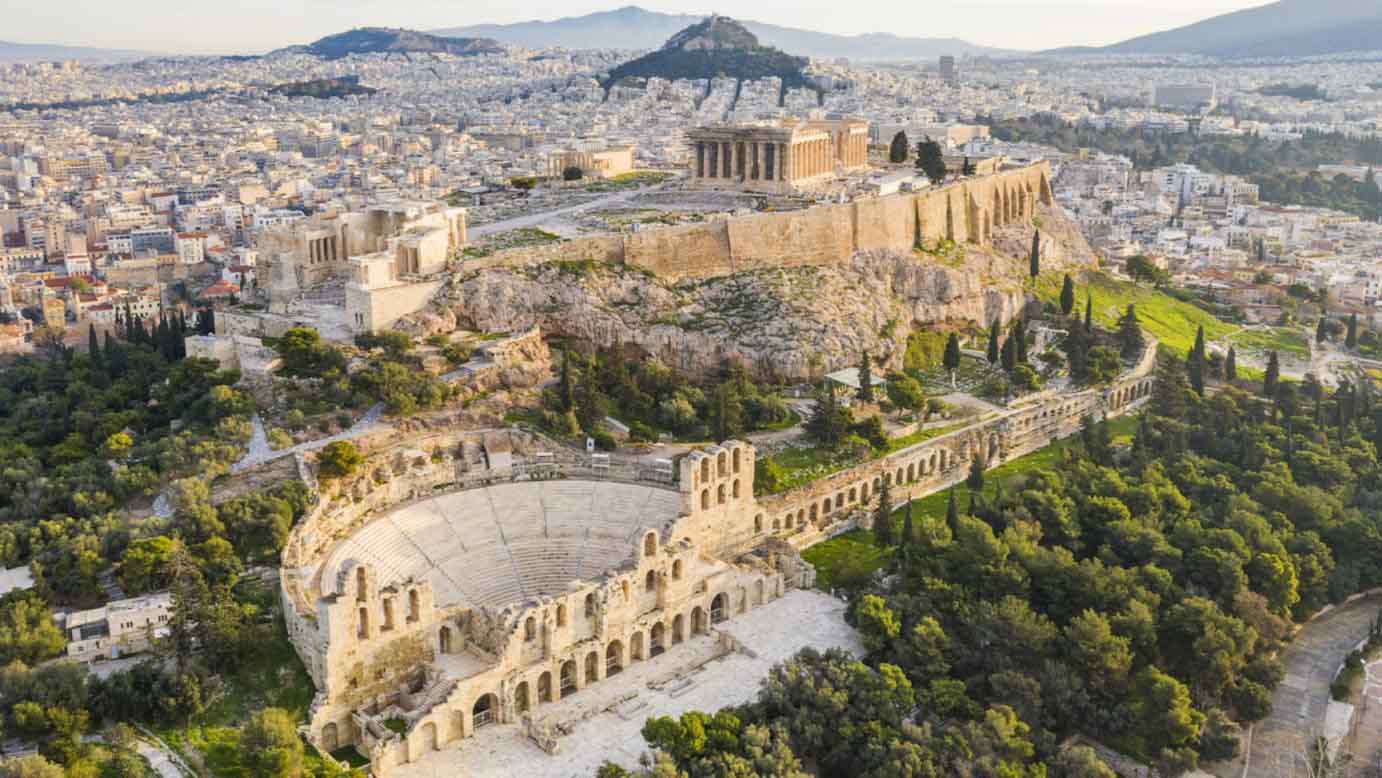
The best modern exhibitions don’t just add objects: they change our mental map.
We often guide visitors to think of the Acropolis as a hill with layers:
- The top: grand temples and civic statements
- The slopes: movement, access, water, caves, small shrines, workshops, defensive edges
A smart curatorial approach links displayed artifacts to physical points outdoors, so the museum becomes a lens, not a separate stop.
For example, a fragment of masonry or a reused block can turn into a “now go look at this wall section” moment. A small votive can send us toward a cave sanctuary. A humble lamp can make us rethink nighttime ritual and guarding.
And yes, we’re also seeing more museums in Greece experiment with immersive museum technology Greece visitors actually enjoy, subtle digital overlays, improved labeling, clearer timelines, and reconstructions that don’t overwhelm the originals. When it’s done well, it doesn’t feel like a theme park. It feels like someone finally turned on the lights in a room we’ve visited a hundred times.
Behind The Scenes In Public: Conservation Laboratory And Object Care
One of the most meaningful trends in heritage sites lately is letting the public see the work, not just the results. A conservation laboratory public experience changes how we look at artifacts because we stop imagining “ancient” as a fixed category.
Ancient objects are constantly negotiating with time, humidity, pollution, salt, previous restorations, even the vibrations from footsteps.
What Visitors Can Watch: Cleaning, Stabilization, And Documentation
If a conservation lab is visible to visitors, we typically get a window into three kinds of work:
- Cleaning: removing surface dirt, older residues, sometimes old restoration materials that didn’t age well
- Stabilization: consolidating fragile stone, securing flaking surfaces, preventing cracks from widening
- Documentation: high-resolution photography, measurement, condition reports, and catalog updates that keep the object’s “medical file” current
It’s not always dramatic. Sometimes it’s quiet, almost meditative work, tiny tools, careful light, lots of notes. But that’s the point: it makes heritage feel real.
Why Conservation Choices Shape What You See In The Galleries
Here’s something we tell our guests all the time: conservation isn’t only technical, it’s interpretive.
Choices matter:
- Do we clean an object until it looks “new,” or stop earlier to preserve historical surfaces?
- Do we restore missing parts for readability, or leave gaps to be honest about damage?
- Do we prioritize stability over display, meaning some items stay in storage longer?
When visitors understand this, they stop asking “Why isn’t everything displayed?” and start asking better questions: What does this object need? What story is the museum choosing to tell right now?
That’s why a conservation lab museum experience is more than a bonus. It’s a lesson in respect, toward the objects and the people keeping them alive for the next generation.
Hidden Paths And Sacred Rock Micro-Worlds Now Accessible
If the museum reopening is the headline, the newly opened archaeological routes are the plot twist.
For many returning visitors, the big emotional moment won’t be a showcase inside, it’ll be the feeling of stepping onto an “off-script” section of the Acropolis landscape. These unseen archaeological paths make the Sacred Rock feel less like a single platform and more like a whole environment.
Mycenaean Fortifications And The Mycenaean Wall: Where To Look And What To Notice
The newly accessible Mycenaean wall Acropolis area is one of the most exciting upgrades for history lovers. We’re talking about the Bronze Age defensive character of the hill, long before the Classical temples we associate with Athens.
When you’re looking at Mycenaean fortifications, don’t expect Parthenon elegance. Expect power and pragmatism:
- Massive stonework that reads as “fortress,” not “sanctuary”
- Irregular blocks and a sense of brute engineering
- Strategic positioning: walls aren’t just boundaries: they’re choreography for movement and protection
If you’ve read about Mycenaean fortification restoration, this is where it becomes tangible. And it changes the whole timeline in our heads: the Acropolis wasn’t born in the 5th century BCE. It was already a defended, meaningful place centuries earlier.
Sebasteion Routes And Panathenaic Way Access: Walking The Ancient City’s “Backstage”
The Acropolis is famous for what’s on top. But Ancient Athens also ran on routes, how people approached, processed, paused, and arrived.
With improved Sebasteion pathways opening (and related routing), plus clearer opportunities for Panathenaic Way access, we can walk history rather than just “look at it.”
A few things to pay attention to as we walk:
- Sightlines: what becomes visible first, and what stays hidden until the last moment
- Bottlenecks: places that naturally slow crowds today probably slowed processions in antiquity too
- Threshold moments: stairs, gates, turns, these are psychological, not only architectural
If you’re into Sebasteion and Panathenaic Way tours, this is exactly the kind of layered experience that makes a standard Acropolis visit feel newly intelligent.
Caves, Springs, And Small Sanctuaries: Klepsydra And The Acropolis’ Lesser-Known Sacred Places
This is our favorite part to guide, because it surprises people.
The Acropolis slopes hold what we call “micro-worlds”, small sacred and practical sites that supported life on the rock:
- Klepsydra spring: water access is never a minor detail in ancient cities. Springs shape survival, ritual, and daily logistics.
- Cave sanctuaries: intimate spaces for offerings and devotion, often tied to local cults and natural features.
- Small shrines and niches: the kind of sacred geography that doesn’t photograph as well as the Parthenon, but tells us more about everyday spirituality.
If you’re searching “visitor access to ancient paths Acropolis” or “Sacred Rock hidden paths,” this is the heart of it. These places make the Acropolis feel less like a museum label and more like a lived landscape.
And for travelers building museum and heritage travel guides around Athens, these slope routes are the secret sauce: they turn a “must-see” into a “can’t stop thinking about it.”
How To Visit: Tickets, Timing, Routes, And On-Site Logistics

Practical planning matters here, because the Acropolis is not a casual stroll, especially in high season. If we time it well, we get a calmer experience and we actually enjoy the new routes and museum displays instead of rushing through them sweaty and overwhelmed.
When Does The Old Acropolis Museum Reopen And What Hours To Expect
Because reopening schedules and access rules can shift (restoration projects do that), we recommend checking official updates close to your visit. Start with the Greek Ministry of Culture’s announcements and the official Acropolis/heritage ticketing pages.
A good habit is to confirm:
- Whether the Old Museum is included in your Acropolis site ticket or needs separate entry
- Seasonal hours (summer vs. winter)
- Any route-specific restrictions (some paths may have timed entry or limited capacity)
So, if your main question is “when does the Old Acropolis Museum reopen?” the honest answer is: verify the current date and hours right before you come, because last month’s information can already be outdated.
Choosing A Route: Pairing The Museum With The Paths Without Rushing
If we want both the museum and the newly accessible slope routes to land properly, we plan like this:
- Option A (best for first-timers): Acropolis top monuments first (early), then the Old Museum displays, then a slope/path segment on the way down.
- Option B (best for return visitors): start with a slope route while it’s quiet, then go up to the monuments, then finish with the museum to “decode” what we just saw.
In both cases, give yourself margin. The biggest mistake we see is treating the museum as an add-on after the Parthenon. If the theme is the hidden life of the Sacred Rock, then the museum and the paths are not extras, they’re the point.
Accessibility, Heat, Footing, And Photography Considerations
A few Athens realities, guide-to-guest:
- Heat is serious. In summer, bring water, a hat, sunscreen, and plan for shade breaks. The rock reflects light upward, so it feels hotter than you expect.
- Footing is slippery. The marble paths can be polished and slick. Proper shoes matter more than the perfect outfit.
- Accessibility varies by route. Some areas are naturally uneven, narrow, or stepped. If mobility is a concern, we plan a route with fewer slope segments and prioritize the most rewarding, safest viewpoints.
- Photography: you’ll get better photos early or late, but don’t let the camera drive the day. Some of the best moments on the Sacred Rock aren’t “wide shots”, they’re details: tool marks, joins in the stone, a worn threshold.
If your trip focus is Athens cultural heritage tourism, it helps to treat the Acropolis like a half-day experience (or more), not a box to tick between lunch and shopping. The payoff is real.
Conclusion
The Old Acropolis Museum reopening isn’t just about reopening doors, it’s about reopening our attention.
When we pair Old Acropolis Museum exhibits with unseen artifacts Athens museum displays, a visible conservation approach, and newly opened archaeological routes, the Acropolis stops being a single image in our minds. It becomes a timeline we can walk: Bronze Age defenses, Classical ambition, Roman layers, intimate caves and springs, and the quiet modern labor of conservation that keeps it all standing.
If we’re planning a visit soon, we’ll go with one goal: don’t rush the “top.” Give the slopes and the small places their time. That’s where the Sacred Rock stops being a monument, and starts feeling like a world.
Key Takeaways
- The Old Acropolis Museum reopening shifts the Acropolis experience from “monuments only” to a fuller Sacred Rock story about how people lived, worshipped, rebuilt, and defended the hill over thousands of years.
- Don’t confuse the Old vs. New Acropolis Museum: the New Acropolis Museum (2009–today) delivers the major sculpture narrative, while the Old Acropolis Museum on the rock adds an intimate, on-site “memory box” of finds returning to their birthplace.
- Expect surprises from restored displays and lesser-known artifacts—offerings, inscriptions, fragments, and everyday objects—that reframe the Acropolis as a layered palimpsest, not just a Periclean postcard.
- Newly accessible archaeological routes reveal the Acropolis “in-between spaces,” including Mycenaean fortifications, improved Sebasteion pathways, Panathenaic Way access, and micro-worlds like Klepsydra spring and cave sanctuaries.
- Plan your visit around the expanded site: check official hours close to your date, pair the museum with slope paths without rushing, and prepare for heat, slippery marble footing, and route-specific accessibility limits.
Frequently Asked Questions
Why does the Old Acropolis Museum reopening matter for understanding the Sacred Rock?
The Old Acropolis Museum reopening shifts the Acropolis visit beyond “big hits” like the Parthenon. It reconnects artifacts to their original findspot on the Sacred Rock, linking objects, fortifications, routes, caves, and daily life so the Acropolis feels like a lived landscape, not just monuments.
Old Acropolis Museum vs New Acropolis Museum: what’s the difference and do I need to see both?
The New Acropolis Museum (near Makrygianni) is the large modern museum with major sculpture displays like the Caryatids and Parthenon Gallery. The Old Acropolis Museum is the historic, smaller museum on the rock. Many visitors do both: “big narrative” below, intimate on-site context above.
What kinds of “hidden” artifacts will the Old Acropolis Museum reopening put back on display?
Expect surprises rather than blockbuster icons: small dedicatory offerings, inscriptions, everyday objects, and architectural fragments that make more sense with newer research and reconstructions. “Hidden” usually meant fragile condition, outdated documentation, or unresolved interpretation—not secrecy—so reopening often returns sidelined pieces to view.
Which newly accessible Acropolis routes and micro-sites should I prioritize on the Sacred Rock?
Prioritize the newly opened archaeological paths on the slopes: Mycenaean fortifications and the Mycenaean wall for the Bronze Age timeline, improved route access connected to processional approaches like the Panathenaic Way, plus micro-worlds such as the Klepsydra spring, cave sanctuaries, and small shrines.
When does the Old Acropolis Museum reopen, and how do I confirm hours and ticket access?
Because restoration timelines and access rules can change, confirm reopening dates, hours, and entry details right before you visit. Check official Greek Ministry of Culture updates and the Acropolis ticketing pages to verify seasonal hours, whether the Old Acropolis Museum is included in your site ticket, and any route-specific limits.
What’s the best time and strategy to visit the Old Acropolis Museum reopening without crowds or heat?
Go early or late to avoid peak heat and congestion, and plan at least a half-day. For first-timers: top monuments first, then the Old Acropolis Museum, then a slope segment on the way down. Return visitors often enjoy starting on quieter slope paths, then ascending to the temples, finishing in the museum.
Read more about Athens and Acropolis:
- Buy Acropolis Tickets in Advance: Acropolis Visiting Tips & Tickets Guide
- Acropolis Mistakes to Avoid: Big Mistakes to Avoid When Visiting the Acropolis
- Acropolis: Is It Safe to Buy Acropolis Tickets Online? Tips for Safe Ticket Purchase
- Acropolis Skip the Lines: Discover Ancient History Without the Wait at the Acropolis
- Avoiding Crowds at Acropolis: Tips to Avoid Big Crowds
- Are Acropolis Guided Tours Worth It? An Honest Look at the Acropolis Experience
- Acropolis Accessibility Guide: Information and Tips
- Best Time to Visit Acropolis Athens: Optimal Times & Sunset Visits
- Acropolis Multi-Site Pass & Combo Tickets: Acropolis Pass & Tickets Guide
- Acropolis Museum Tickets – Prices, Guide, & Tours | Skip The Line Tickets
- Explore the Acropolis: Acropolis Tickets & Tours Guide