
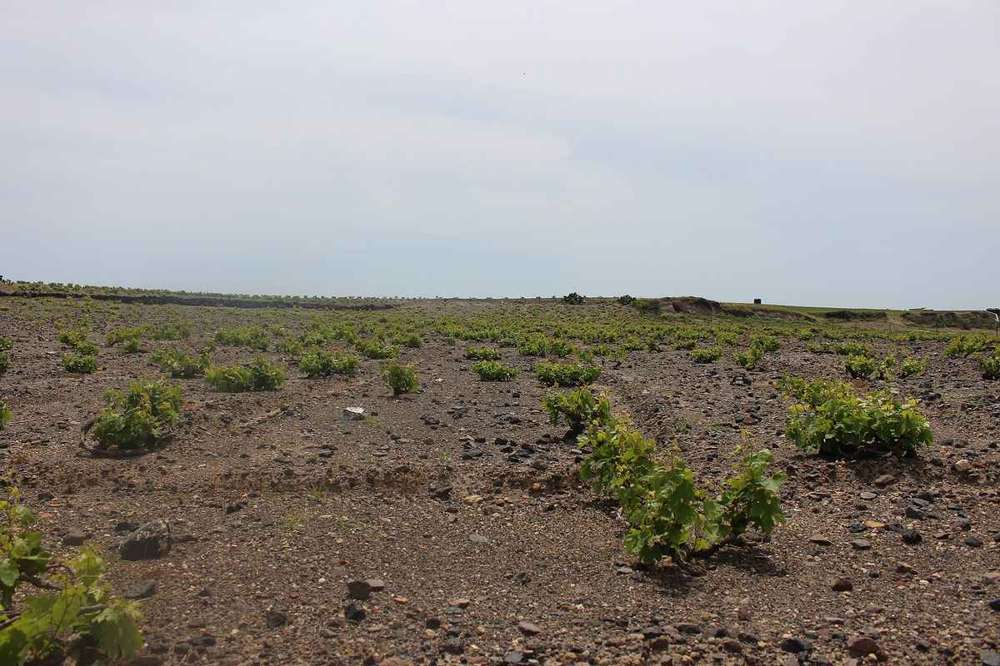
Rhodes carries one of the oldest continuous wine traditions in the Aegean, with vines worked on the island since antiquity and the trade in Rhodian wine documented across the ancient Mediterranean. Today that long heritage survives in a compact but serious modern wine scene, anchored by the protected Attavyros appellation, a handful of distinctive grape varieties and a cluster of high-altitude vineyards on the slopes of the island’s tallest mountain. Visitors who think of Rhodes only for its beaches and medieval Old Town are often surprised to find a genuine wine country in the interior, with cool upland vineyards, family-run cellars and a long-established island cooperative. The wines reward exploration as much as the monuments do. Tasting them is part of the journey with My Greece Tours.
This article sits alongside our wider Rhodes travel guide and focuses specifically on what grows in the glass. The sections below cover the island’s wine history, its native and signature grape varieties, the Attavyros appellation and the upland vineyards around the mountain, what to expect on a winery visit and tasting, and how local wines pair with the food of Rhodes at the table.
How old is the wine tradition on Rhodes?
Rhodes has made wine for well over two thousand years. Vines were cultivated here in antiquity, and Rhodian wine was exported widely across the ancient Mediterranean, often in distinctive stamped amphorae. That deep continuity makes the island one of Greece’s most historically significant wine regions.
Archaeological finds across the island, including the handled clay amphorae stamped with Rhodian seals, show that wine was a major export commodity in the classical and Hellenistic periods. Rhodian merchants shipped their wine throughout the Aegean and beyond, and the trade helped fund the prosperous, outward-looking city-state that built the famous harbour. Winemaking continued through the Byzantine, medieval and Ottoman centuries, adapting to each ruling culture while keeping the vine at the centre of rural life. The knights who governed the medieval city and the villagers of the interior alike depended on local vineyards for everyday wine, so the craft was never lost.
This unbroken thread matters because it shaped which grapes survived and where they were planted. Centuries of trial settled the best varieties onto the cool, stony uplands rather than the hot coastal flats, and concentrated serious viticulture around the mountain villages of the interior. Modern producers therefore inherit not a revival but a living tradition, refined over generations. Understanding that history helps explain why the island today supports both a long-standing cooperative and several independent family cellars working with the same heritage grapes. Our guide to things to do in Rhodes covers the wider sights and excursions, and the next section covers the grape varieties behind these wines.
Which grape varieties define Rhodes wine?
Rhodes is defined by a small group of varieties: the white Athiri, the source of its crisp dry whites; the aromatic Malvasia and Muscat for fragrant and sweeter styles; and the red Mandilaria, known locally as Amorgiano, which gives deeply coloured, structured reds. Each suits the island’s terrain.
Athiri is the backbone of Rhodian white wine and one of the oldest white varieties in the Aegean. Grown in the cool upland vineyards, it produces fresh, dry whites with gentle citrus and orchard-fruit character and lively acidity, making it an easy match for the island’s seafood. Alongside it, the aromatic whites bring perfume to the range: Malvasia contributes floral, honeyed complexity, while Muscat lends grapey, fragrant intensity used in both dry and naturally sweet styles. Together these whites account for much of the island’s reputation, particularly the bright, mineral examples grown at altitude.
The red side belongs largely to Mandilaria, called Amorgiano on Rhodes. It is a thick-skinned variety that yields wines of deep colour and firm tannin, often blended or softened with time to balance its structure. Reds from the island tend to be robust and food-friendly rather than delicate, suiting grilled meats and hearty village cooking. A few producers also work with international varieties, but the local grapes remain the island’s signature. These same heritage vines cluster in the mountain villages of the interior, especially around the wine-growing heart of the island. Our guide to Embonas covers the main wine village, and the next section covers the Attavyros appellation and its high-altitude vineyards.
What is the Attavyros appellation?
Attavyros is the island’s protected designation of origin, the official appellation covering quality wine grown on the slopes of Mount Attavyros. It defines where the vines may be planted and which varieties qualify, linking the wine’s identity to the cool, high-altitude terrain of the island’s tallest mountain.
The appellation takes its name from Mount Attavyros, the highest peak on Rhodes, whose slopes rise well above the surrounding lowlands. Vineyards here sit at considerable elevation, where cooler nights and a longer growing season preserve acidity and aromatic freshness in the grapes. That altitude is the appellation’s defining advantage: it allows white varieties such as Athiri to ripen slowly and keep their crispness, producing the clean, mineral whites for which the area is known. The protected designation reassures drinkers that a wine genuinely comes from this distinctive upland zone rather than from warmer, less suitable sites.
Within the appellation the soils are stony and well-drained, and the vines benefit from mountain air and clear light. The combination of elevation, terrain and traditional varieties gives the wines a recognisable regional stamp, the essence of what the French would call terroir. The village at the centre of this zone is the focus of the island’s serious viticulture, surrounded by terraced and hillside plots worked by families and the cooperative alike. Visitors can drive up through this scenery to see the vineyards in their setting. Our guide to Mount Attavyros covers the mountain itself, and the next section covers visiting the wineries and tasting the wines.
What can you expect from a winery visit and tasting on Rhodes?
A winery visit on Rhodes usually centres on the mountain villages of the interior, where the long-established island cooperative and several family wineries welcome visitors. Tastings let you sample dry whites, aromatic styles and robust reds, often paired with local snacks, and learn how altitude shapes the wines.
Most wine-focused trips head inland to the upland villages, a scenic drive away from the coastal resorts. The island’s cooperative is the largest and best-known producer, offering an accessible introduction to the full range of styles, while several family wineries provide a more personal, small-scale experience where the owners often pour the wines themselves. A typical tasting moves from the crisp Athiri whites through the aromatic Malvasia and Muscat styles to the structured Mandilaria reds, giving a clear sense of the island’s spectrum in a single sitting. Many cellars sit among or close to their vineyards, so the landscape is part of the visit.
Combining a tasting with a wider day in the interior works well, taking in mountain scenery, traditional villages and a leisurely lunch. We do not list specific opening hours or prices here, as these change, so it is worth checking ahead or booking through a guided tour that handles the logistics and the driving. A wine visit pairs naturally with the broader exploration of the rugged interior and its hilltop hamlets. Our guide to Siana covers a characterful mountain village nearby, and the next section covers pairing Rhodes wine with the island’s food.
How does Rhodes wine pair with local food?
Rhodes wine pairs naturally with the island’s cooking. The crisp Athiri whites suit fresh seafood and local cheeses, the aromatic Malvasia and Muscat styles flatter spiced dishes and desserts, and the robust Mandilaria reds stand up to grilled meats and hearty village fare, making each wine a partner for the table.
The island’s dry whites, led by Athiri, are natural companions to the seafood that defines Rhodian coastal cooking, from grilled fish to octopus and shellfish, where their citrus freshness and clean acidity cut through richness and salt. The same whites work beautifully with the local cheeses and mezze that open most island meals, refreshing the palate between bites. The aromatic styles add another dimension: a fragrant Muscat or Malvasia can match lightly spiced dishes, while the naturally sweet versions are a classic close to a meal alongside honeyed pastries and dried fruit, in the long-standing Aegean way.
The reds belong at the heart of the table. Mandilaria’s firm structure and depth make it an ideal partner for grilled lamb, slow-cooked stews and the hearty meat dishes of the mountain villages, where the wine is often drunk young and generously. Sharing local wine with regional cooking is one of the most enjoyable ways to understand the island, and pairing it thoughtfully turns a simple meal into a sense of place. To go deeper into the dishes themselves, our guide to Rhodes food covers the island’s cuisine in detail. Plan your visit and tours through our Rhodes travel guide.
Frequently Asked Questions
Is Rhodes known for white or red wine?
Rhodes is best known for its white wines, particularly the dry, crisp whites made from the native Athiri grape grown in the high-altitude vineyards of the interior. The cool mountain conditions preserve freshness and acidity, giving the island a reputation for clean, mineral whites that pair effortlessly with its seafood. Alongside these, the aromatic whites from Malvasia and Muscat add fragrant and sometimes sweeter styles to the range, broadening the island’s white-wine identity. That said, Rhodes also produces serious reds from the Mandilaria grape, known locally as Amorgiano, which yield deeply coloured, structured wines suited to grilled meats and richer dishes. So while whites lead the island’s reputation, the wine scene is genuinely rounded, offering dry whites, aromatic and sweet styles and robust reds. Visitors tasting their way through a winery usually sample the full spectrum, which is the best way to appreciate how varied the island’s output really is.
Where are the main wineries on Rhodes?
The heart of Rhodes wine country lies inland, in the mountain villages on the slopes of Mount Attavyros, the island’s highest peak. The principal wine village sits at altitude among terraced and hillside vineyards, and it is here that most serious viticulture is concentrated, well away from the coastal resorts. The island’s long-established cooperative is based in this upland zone and is the largest and most accessible producer to visit, offering a broad introduction to local styles. Several family-run wineries are also found in and around the same villages, providing smaller, more personal tasting experiences where the owners frequently pour the wines themselves. Reaching them involves a scenic drive up into the interior, which makes a wine visit a natural part of a wider day exploring the mountain villages, traditional architecture and rugged landscape. Because opening times and tasting arrangements vary, it is sensible to check ahead or join a guided tour that manages the route and the driving for you.
What grape is used for the dry white wines of Rhodes?
The dry white wines of Rhodes are built mainly on Athiri, one of the oldest and most important white grape varieties of the Aegean. On Rhodes it thrives in the cool, high-altitude vineyards on the slopes of Mount Attavyros, where the elevation and longer growing season help the grape retain its lively acidity and fresh, citrus-and-orchard-fruit character. The result is a clean, dry, mineral white that is easy to drink and especially well suited to the island’s seafood and lighter dishes. Athiri forms the backbone of the protected Attavyros appellation’s white wines and is the grape most associated with the island’s modern reputation. It is sometimes blended with other varieties, but its bright, refreshing profile is what gives Rhodian whites their recognisable signature. Beyond Athiri, the island also grows the aromatic Malvasia and Muscat for more perfumed and sometimes sweeter styles, but for the classic crisp dry white, Athiri is the defining grape.