
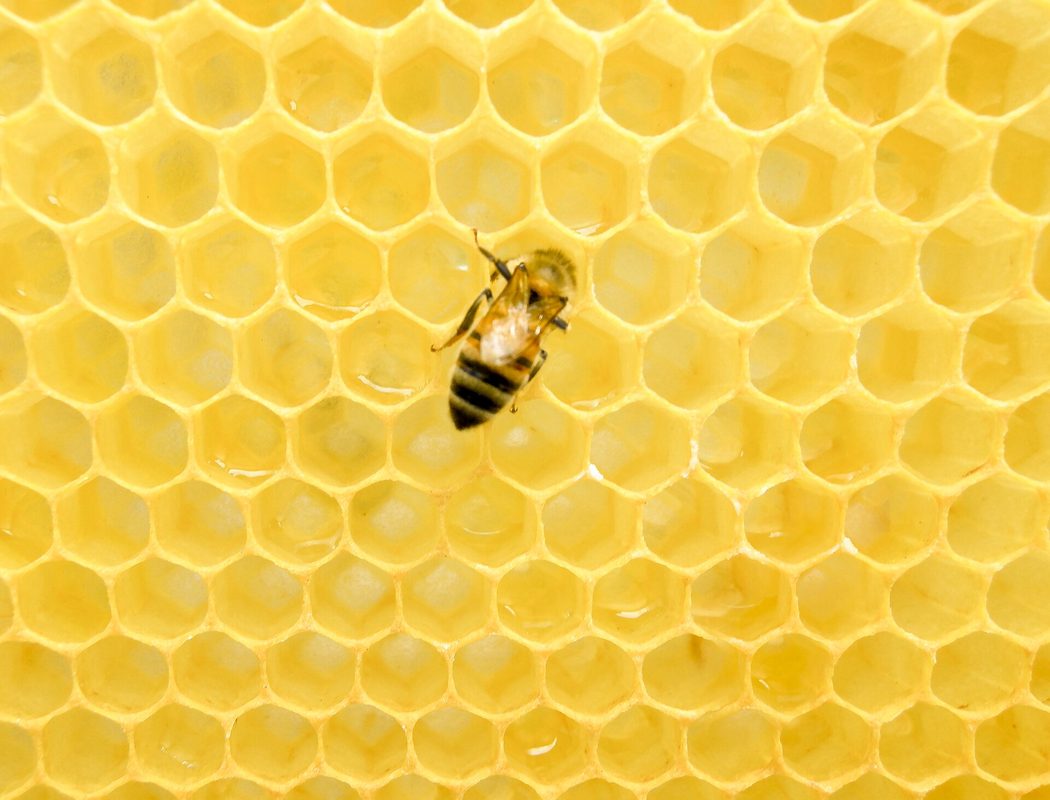
The Rhodes Bee Museum is a small, friendly attraction near the village of Pastida, set on the flat ground between Rhodes Town and the airport. It is run alongside a working honey producer, so the place feels less like a static gallery and more like a window onto the island’s living beekeeping trade. Inside you will find a glass observation hive with real bees, clear displays on the life of the colony, and the tools and methods used to make honey on Rhodes. A shop sells local thyme honey and bee products, and short tastings let you compare flavours before you buy. It is easy to reach by car and pairs well with other stops nearby. This guide is part of My Greece Tours.
Use this page together with our wider Rhodes travel guide when you are shaping a day out with children or a relaxed indoor stop. The sections below cover how to find the museum near Pastida, what you actually see inside, why the island’s thyme honey is so prized, how the visit suits families and bad-weather days, and how to fit it into a wider Rhodes itinerary by car.
Where is the Bee Museum near Pastida, and how do you reach it?
The Bee Museum sits near Pastida on the level inland strip between Rhodes Town and the airport. It is easiest to reach by car, just off the main west-coast road, and works as a quick, well-signed stop on the way to or from the southern resorts.
Pastida is a low-key farming village a short drive south-west of Rhodes Town, close to Maritsa and the airport at Paradisi. The Bee Museum stands on this gentle inland plain rather than up in the hills, which keeps the approach simple and the parking easy. Most visitors arrive by hire car, because the site is spread along a road corridor rather than packed into a walkable old-town lane. From Rhodes Town the drive takes only a short while down the main artery toward the airport, and from the western beach resorts you simply head back inland a little. Public buses run along the coast, but a car lets you combine the museum with a beach, a taverna lunch and a hill village in one easy loop.
Because the museum is a producer-run site, it is geared to passing traffic and to families breaking up a longer drive, so signage and parking are straightforward. Treat it as a thirty-to-sixty-minute stop rather than a half-day outing, and check current opening times before you set off, since a small family attraction may close for lunch or shorten its hours out of season. Pair it with a meal nearby and you have an easy morning sorted. Our guide to Rhodes food covers where thyme honey fits into the island’s table, and the next section covers what you actually see inside the museum.
What do you see inside the Rhodes Bee Museum?
Inside you find a glass observation hive with live bees, displays on the life of the colony and the bee’s role, beekeeping tools old and new, and a clear walk-through of how raw nectar becomes jarred honey. A shop and tasting counter round off the visit.
The centrepiece is the glass observation hive, where a real colony works behind safe panels so you can watch the queen, the workers and the comb without any risk of stings. Around it, panels and exhibits explain the life of bees in plain terms: how a colony is organised, how bees forage and communicate, and why they matter so much to the island’s wild plants and orchards. You also see the everyday gear of the trade, from smokers and protective suits to frames, extractors and the simple hand tools that beekeepers have leaned on for generations. The layout is compact, so the information lands quickly and never feels overwhelming for casual visitors.
From there the displays follow the honey itself, tracing the path from flowering thyme and other Rhodian plants through the hive and into the jar on the shop shelf. Staff connected to the honey producer can often answer questions, which gives the visit a personal, working-farm feel rather than a sterile museum tone. At the end you reach the shop and tasting counter, where you can sample local honey and bee products before choosing what to take home. Our guide to Rhodes with kids covers how attractions like this fit a family trip, and the next section covers the island’s prized thyme honey.
Why is Rhodes thyme honey so prized?
Rhodes thyme honey comes from bees working the wild thyme that carpets the island’s dry hillsides in summer. It is treasured for its strong aroma, amber colour and clean, herbal sweetness, and the Bee Museum is the natural place to taste it at source and learn how it is made.
Across the southern Aegean, thyme honey is regarded as one of the finest Greek honeys, and Rhodes has the hot, rocky, herb-covered terrain that produces it well. When wild thyme flowers in the heat of summer, bees gather its nectar, and the result is a honey with a distinctive scent, a deep golden tone and a flavour that is sweet but never flat, carrying a faint savoury, herbal edge. Because the island’s hillsides stay dry and aromatic, the honey reflects that landscape directly, which is why local producers speak about it with real pride. Tasting it beside the displays helps you understand the link between the plants, the bees and the jar.
At the museum’s counter you can compare thyme honey with other local varieties and with bee products such as pollen, propolis and honey-based treats, then buy direct from the people who made it. This is honest, traceable shopping: you see how it is produced before you choose. It also makes an easy edible souvenir to carry home, far more personal than a generic gift-shop item. Our guide to Siana covers another honey-famous corner of the island in the south-western hills, and the next section covers how the visit suits families and rainy days.
Is the Bee Museum good for families and bad-weather days?
Yes. The museum is small, educational and largely indoors, so it suits children and works well on a hot afternoon or a wet day. The live hive holds young visitors’ attention, the visit is short, and the tasting at the end gives everyone a sweet, memorable finish.
For families, the appeal is the balance of interest and ease. Children are naturally drawn to the glass hive, where they can watch real bees at work in safety, and the displays turn an everyday subject into something they can grasp in a few minutes. Because the whole visit is brief and indoors, it does not demand long attention spans or a lot of walking, which makes it a gentle option for younger children and grandparents alike. The tasting at the end almost always lands well, since few children turn down a spoon of honey, and parents get a calm, low-cost stop that still teaches something genuinely real.
The same qualities make it a smart fallback when the weather turns. Rhodes summers can be fierce, and the occasional spring or autumn shower can derail a beach plan, so an air-conditioned indoor attraction near the main road is exactly the kind of flexible stop you want in reserve. It is also inexpensive and quick, so it slots in without wrecking the rest of the day. Our guide to Ialysos covers a nearby coastal base with indoor and outdoor options, and the next section covers fitting the museum into a wider Rhodes itinerary.
How do you fit the Bee Museum into a Rhodes itinerary?
Slot the museum into a self-drive loop on the island’s north-west. Combine it with the airport-side beaches, a hill village and a long lunch, and use it as a short, restful break between bigger sights rather than as a destination in its own right.
Because the Bee Museum sits on the inland plain between Rhodes Town and the airport, it threads neatly into a half-day or full-day drive along the west coast. A natural route pairs it with the beaches and watersports around Ialysos and the airport, a climb up to a hill village such as Siana or the old town of Lindos further south, and a relaxed taverna lunch in between. Treat the museum as the calm, educational beat of the day, the moment you step out of the sun, learn something and pick up a jar of honey, before moving on to a beach, a viewpoint or a historic site nearby.
Keep the visit short, check current opening times in advance, and build the rest of the day around food, coastline and culture so the honey stop never has to carry the whole outing. With a hire car you can chain several of these experiences together at your own pace, which is how Rhodes rewards the unhurried traveller most. For a broader picture of the island’s beaches, villages and tours, see our overview of things to do in Rhodes. Plan your visit and tours through our Rhodes travel guide.
Frequently Asked Questions
Do you need to book ahead to visit the Bee Museum?
For independent travellers arriving by car, the Bee Museum near Pastida is usually an easy walk-in stop, so advance booking is rarely essential for a small family group. That said, opening patterns at a producer-run attraction can vary with the season, and the site may shorten its hours or close for a midday break outside the busiest months, so it is always wise to check current opening times before you drive out. If you are travelling with an organised tour or a larger party, or you want a guided explanation of the hives and honey-making, it is sensible to contact the museum in advance to confirm availability and any group arrangements. Building a little flexibility into your plan means an unexpected closure never derails the day, and you can always fold the museum into a wider loop that includes nearby beaches, a hill village and a taverna lunch if the timings happen to shift.
Is the Bee Museum suitable for very young children?
Yes, it suits young children well, which is one of the main reasons families seek it out. The live colony behind the glass observation hive is genuinely fascinating to small visitors, and because the bees are safely enclosed there is no risk of stings while children watch them at work. The whole visit is short and indoors, so it does not test the patience of toddlers or demand long stretches of walking, and the displays explain the life of bees in simple, visual terms that children can follow. The honey tasting at the end is usually a highlight, since few youngsters refuse a spoonful of sweet local honey. As with any working site, it makes sense to keep an eye on very young children around the displays and equipment, but overall the museum is calm, compact and welcoming, making it a reassuring choice for parents who want an easy, educational break in the day.
What can you buy at the Bee Museum shop?
The shop sells local honey and a range of bee-derived products straight from the producer, which makes it a genuinely useful place to buy edible souvenirs. The star item is the island’s prized thyme honey, gathered from the wild thyme that covers the dry Rhodian hillsides in summer, but you can typically also find other honey varieties alongside products such as pollen, propolis and honey-based treats. Because you can taste before you choose at the counter, you buy with confidence rather than guesswork, and you are buying direct from the people who made it, so the provenance is clear. A jar of thyme honey travels home far better than most gift-shop trinkets and carries a real sense of place, which makes it a thoughtful present. Always check current pricing and stock on the day, as a small producer’s range can shift with the seasons and the strength of each year’s harvest.