
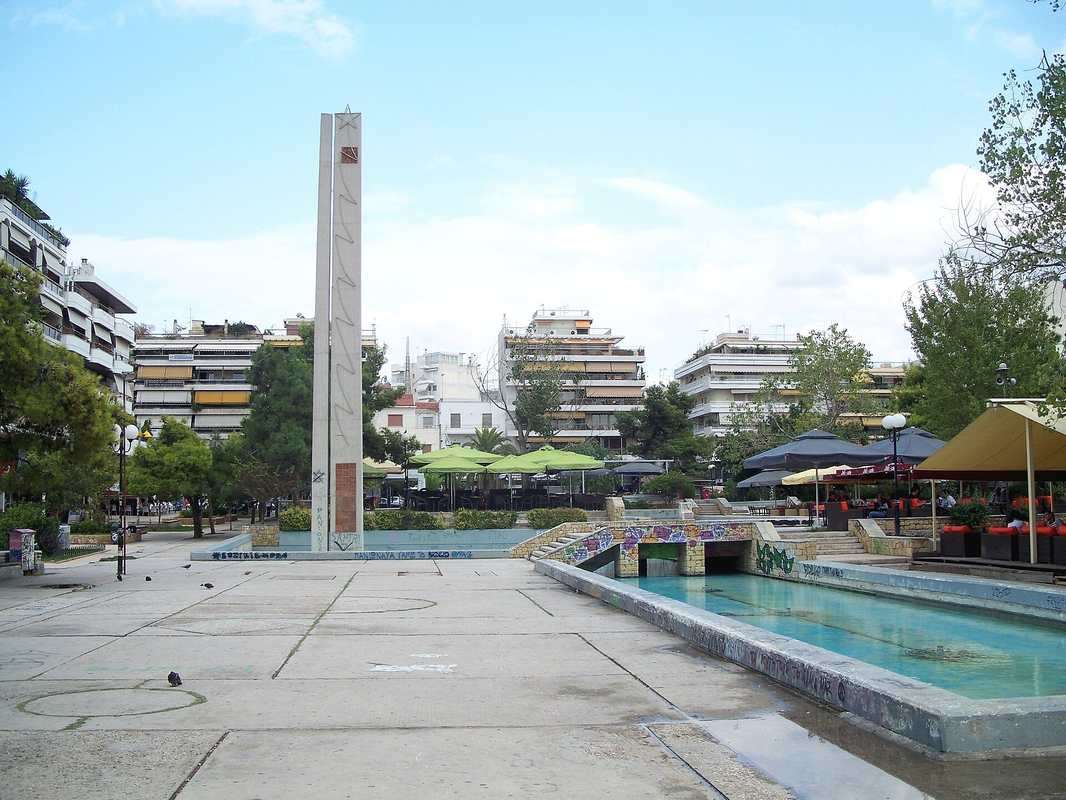
Nea Smyrni is one of Athens’ most liveable and characterful neighbourhoods, founded by Greek refugees from Smyrna, with a huge car-free square, a leafy grove, refugee-history museums and a buzzing café and food scene. Discover this local gem alongside skip-the-line sightseeing tickets and tours from My Greece Tours.
This authentic residential district is a local-life corner of the Athens travel guide. The sections below cover what Nea Smyrni is, its refugee history, the famous square, the museums and church, the grove and recreation, the café and food scene, and how to visit.
What is Nea Smyrni?
Nea Smyrni is a prosperous, leafy residential neighbourhood in the southern part of Athens, founded by Greek refugees who fled Smyrna in Asia Minor. Praised as one of Europe’s most liveable districts, it centres on one of the largest car-free squares in Greece, surrounded by cafés, shops and restaurants, with a big green grove, museums and a strong local identity. It offers an authentic, relaxed slice of everyday Athenian life away from the tourist trail.
Away from the ancient sites and the tourist crowds, Nea Smyrni is one of the most pleasant, prosperous and genuinely liveable neighbourhoods of Athens, a place that rewards visitors curious to experience the real, everyday life of the modern city. Lying in the southern part of the Athens conurbation, between the centre and the coast, it is a leafy, well-to-do residential district that has been singled out by international media as one of the most liveable neighbourhoods in Europe, thanks to its greenery, its amenities and its strong sense of community. The neighbourhood was founded in the aftermath of one of the great traumas of modern Greek history, the catastrophe of, by Greek refugees who fled the burning city of Smyrna in Asia Minor, and this origin shapes its identity to this day.
At its heart lies one of the largest pedestrian squares in Greece, ringed with cafés, restaurants and shops, alongside a big green grove, museums dedicated to the refugee heritage, and a vibrant social scene. For a taste of authentic, comfortable Athenian living, it is a delightful and uncrowded discovery. Its story begins with the refugees. That history gives the district its soul.
What is the refugee history of Nea Smyrni?
Nea Smyrni, meaning “New Smyrna”, was established by Greek refugees who fled the city of Smyrna (now Izmir) during the catastrophe of, when the Greek population of Asia Minor was uprooted at the end of the Greco-Turkish war. The refugees rebuilt their lives here, naming over 130 streets after their lost Asia Minor homelands and figures, and preserving their culture. This heritage of loss, memory and renewal remains central to the neighbourhood’s identity.
To understand Nea Smyrni is to understand its founding story, one of tragedy, survival and renewal that mirrors a pivotal moment in modern Greek history. The neighbourhood’s very name, Nea Smyrni, means New Smyrna, and it was created by the Greek refugees who poured into Athens following the Asia Minor Catastrophe of, when, at the end of the disastrous Greco-Turkish war, the ancient and prosperous Greek population of Asia Minor was forced to flee, above all from the great cosmopolitan port city of Smyrna, modern Izmir, which was sacked and burned. Arriving destitute in their ancestral homeland, these refugees settled and gradually built a new community here, naming it in memory of the home they had lost.
Their attachment to that lost world is poignantly recorded in the neighbourhood itself, where more than a hundred and thirty streets are named after the regions, towns and figures of Asia Minor, keeping the memory alive, and where refugee associations worked to preserve their distinctive culture, music and cuisine. This heritage of uprooting, loss, memory and resilient renewal remains central to the proud identity of Nea Smyrni and its people. The past is woven into the present here. The grand central square is the neighbourhood’s living room.
What is Nea Smyrni Square like?
Nea Smyrni Square is one of the largest pedestrian squares in Greece and the bustling heart of the neighbourhood, ringed by cafés, bars, restaurants and shops for all ages and budgets. Car-free and lively day and night, it hosts summer concerts and, at Christmas, a carousel and ice rink. Linked to nearby squares with statues honouring the Asia Minor refugees, it is a wonderful place to sit, people-watch and soak up local life over a coffee.
The beating heart of the neighbourhood, and its greatest pleasure for a visitor, is the magnificent Nea Smyrni Square, one of the largest pedestrian squares in all of Greece and a model of how a public space can anchor community life. Entirely car-free, the broad, attractive square is ringed and filled with a huge array of cafés, bars, restaurants, patisseries and shops catering to every age, taste and budget, and it buzzes with life from morning coffee through to late-night drinks, thronged with families, students, friends and elderly locals alike. Throughout the year the square hosts events, including open-air concerts in the summer and, at Christmas, a festive carousel and an ice-skating rink that delight children and adults.
The central square flows into a cluster of adjoining squares nearby, some lined with statues and monuments honouring the victims and memory of the Asia Minor refugees, reinforcing the neighbourhood’s identity. For the visitor, the square is simply a wonderful place to settle at a café table, order a freddo, and watch authentic Athenian daily life unfold around you. It is the soul of the district. Around it lie the keepers of its history. The museums preserve the refugee legacy.
What museums and sights can you see?
Nea Smyrni preserves its heritage in the Estia cultural centre, which houses museums dedicated to Asia Minor art, the refugee history and the campaign. The neighbourhood’s landmark church of Agia Fotini, a replica of one destroyed in Smyrna, stands as a poignant memorial with rescued icons. Statues honouring the Bishop Chrysostomos and the refugees, and the home of the historic Panionios sports club, founded in Smyrna in 1890, complete the picture of a neighbourhood that treasures its roots.
For those who wish to delve into the neighbourhood’s rich heritage, Nea Smyrni offers several meaningful sights centred on its refugee history and culture. The cornerstone is the Estia of Nea Smyrni, an imposing cultural institution and hall close to the square that grew out of the refugee associations and today houses a cluster of museums, typically including an art museum, a museum of Asia Minor art and a museum devoted to the Asia Minor campaign and the catastrophe, together preserving and presenting the history, art and memory of the lost homeland. The neighbourhood’s most prominent landmark is the large church of Agia Fotini, built as a replica of a church destroyed in the destruction of Smyrna, with an identical bell tower and housing rescued icons and frescoes, making it a moving memorial in stone.
Dotted through the squares are statues and monuments, including a towering figure of the martyred Bishop Chrysostomos of Smyrna and tributes to the refugees. The district is also the home of the historic Panionios sports club, one of the oldest in Greece, founded in Smyrna itself in 1890 and carried to Athens by the refugees, a living link to the past. These sights honour a proud heritage. Beyond them, green space and good food await.
What are the grove, food and how do you visit?
The Grove of Nea Smyrni is one of the largest parks in Attica, a leafy green expanse with paths and fountains ideal for walking, running and relaxing. The neighbourhood’s food and café scene is excellent, with countless cafés, tavernas, bakeries and bars, including Asia Minor flavours from the refugee tradition. To visit, take the tram or bus from central Athens, around 20 to 30 minutes, or a short taxi ride; it sits between the centre and the coast, easily combined with the Riviera.
Rounding out the appeal of Nea Smyrni are its generous green space and its first-rate food and café culture, both of which make it a delightful place to spend relaxed time. The Grove of Nea Smyrni, the Alsos, is one of the largest urban parks in the whole of Attica, a substantial and leafy green expanse threaded with walking and running paths and dotted with fountains, offering residents and visitors a welcome oasis for strolling, jogging, exercising and simply decompressing away from the city bustle. The neighbourhood’s eating and drinking scene is genuinely excellent and authentic, with a huge concentration of cafés, traditional tavernas, modern restaurants, bakeries, patisseries and bars around the square and the surrounding streets, and a special highlight is the chance to sample the rich, spiced flavours of Asia Minor and Smyrna cuisine, a delicious legacy of the refugee heritage.
Visiting is easy: Nea Smyrni lies in the southern part of the city, between the centre and the coast, and is reachable from central Athens in around twenty to thirty minutes by the tram or by bus, or by a short taxi ride, making it simple to combine with a trip to the Athens Riviera beaches.
Spending an evening here, dining among local families and strolling the lively square, gives a genuine feel for how Athenians actually live, far removed from the souvenir shops of the centre. The neighbourhood is also a useful and pleasant base for those who want a quieter, residential stay with easy access to both the city and the sea. For an authentic, relaxed and rewarding taste of local Athens, it is a hidden gem. The transport network is explained in the Athens tram guide. The questions below cover the points visitors ask most.
Frequently Asked Questions
What is Nea Smyrni known for?
Nea Smyrni is known as one of the most liveable neighbourhoods in Athens, founded by Greek refugees from Smyrna. It is famous for its huge car-free central square ringed with cafés and restaurants, its large green grove, its museums preserving the Asia Minor refugee heritage, the landmark church of Agia Fotini, and its lively, authentic local life.
Is Nea Smyrni worth visiting?
Yes, Nea Smyrni is worth visiting for travellers wanting an authentic, relaxed taste of everyday Athenian life away from the tourist trail. Its vast pedestrian square, excellent café and food scene, leafy grove, refugee-history museums and strong local character make it a charming and uncrowded gem, easily combined with a trip to the nearby Athens Riviera coast.
How do you get to Nea Smyrni from central Athens?
Nea Smyrni lies in the southern part of Athens, between the centre and the coast, and is easy to reach in around 20 to 30 minutes from central Athens by tram or bus, or by a short taxi ride. Its location makes it simple to combine with a visit to the Athens Riviera beaches, and it offers a relaxed, authentic neighbourhood experience.