
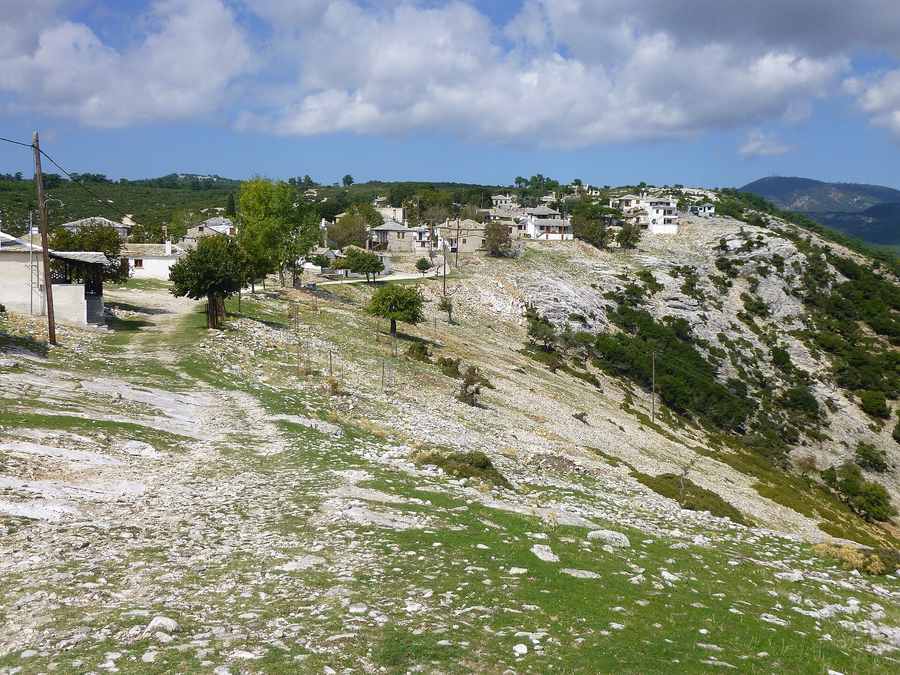
Kastro, perched high in the central-west of Thassos, is a remote mountain village with a rich history. It was originally founded as a refuge from pirate attacks during the medieval and early Ottoman periods. The village’s name comes from the ‘kastro’, or castle, around which stone houses cluster. Today, Kastro is a quiet place with only a few remaining houses and a traditional taverna, offering a glimpse into the past. The journey to Kastro involves a climb up a long, unpaved mountain road, best undertaken with a sturdy or four-wheel-drive vehicle. Visitors are rewarded with wide views over the forested interior, providing a serene escape from modern life with My Greece Tours.
Kastro Village in Thassos is a unique destination for those seeking to experience traditional Greek life. Set high in the mountains, it offers a retreat from the hustle and bustle of the coastal towns. The sections below cover the village’s historical significance, architectural features, and practical information for visitors. Whether you’re planning a visit or simply curious about this hidden gem of Thassos, you’ll find valuable insights here. For more information on exploring Thassos, check out our Thassos tours.
What is the historical significance of Kastro?
Kastro was established as a refuge from pirate attacks during the medieval and early Ottoman periods.
Kastro’s history is deeply intertwined with the turbulent past of the Aegean Sea. The village was founded during a time when pirate raids were a significant threat to coastal communities. Islanders sought refuge in the mountains, away from the vulnerable coastlines. The strategic location of Kastro, nestled on a hidden inland crag, provided a safe haven for those seeking protection. This decision to settle away from the coast not only ensured their safety but also preserved the unique character of the village, which remains evident today. The choice to build on a rock outcrop further enhanced its defensibility, making it a fortress in its own right.
The medieval and early Ottoman periods were marked by frequent pirate attacks across the Aegean. Coastal settlements were often targets, leading islanders to establish safer communities inland. Kastro was one such settlement, strategically positioned to remain concealed from the pirates’ view. The village’s name, derived from the ‘kastro’ or castle, highlights its defensive origins. The choice of location was crucial for the survival and continuity of the community, allowing them to thrive away from the constant threat of raids. The stone structures were designed to withstand both time and potential invasions, a testament to the ingenuity of its builders.
Kastro’s architecture reflects its historical roots. The stone houses, clustered around the central rock outcrop, served both as homes and defensive structures. The remnants of the Genoese watch-tower stand as a testament to the village’s storied past. This tower, once a crucial part of the village’s defense system, offered a vantage point to spot approaching threats. The church, perched atop the rock outcrop, became a spiritual and communal center, further solidifying Kastro’s role as a refuge in turbulent times. Each structure tells a story of resilience and adaptation, echoing the lives of those who once inhabited them.
Kastro stands as a living museum of Thassos’ history. The village’s quiet lanes and traditional structures offer a glimpse into the past, preserving the legacy of those who sought refuge here. Visitors can explore the stone houses and ruins, gaining insight into the lives of the islanders who once called Kastro home. The village’s enduring charm lies in its ability to transport visitors back to a time when survival depended on strategic location and community resilience. The pathways and stone lanes continue to echo with the footsteps of history, making it a destination for those who appreciate the enduring narratives of the past.
How can you reach Kastro in Thassos?
Reaching Kastro involves a long drive up an unpaved mountain road, best tackled with a four-wheel-drive vehicle.
Access to Kastro is an adventure in itself, requiring a drive up a rugged mountain road. The journey starts from the direction of Theologos or Limenaria, with the latter offering a slightly shorter route. The road is unpaved and winding, demanding careful navigation, especially during adverse weather conditions. Travellers are advised to use a sturdy vehicle, ideally a four-wheel-drive, to tackle the challenging terrain. Despite the road’s difficulties, the journey is part of the experience, offering glimpses of Thassos’ untouched natural beauty. The contrast between the lush forests and the rocky paths adds to the allure of the journey.
The mountain road to Kastro offers panoramic views of Thassos’ interior. As you ascend, the landscape unfolds with lush forests and distant mountain peaks. The drive provides an opportunity to appreciate the island’s rugged terrain, a stark contrast to its coastal areas. The sense of isolation intensifies with each turn, heightening anticipation for the village’s remote charm. This journey through nature is a prelude to the tranquillity awaiting in Kastro, making it a worthwhile endeavour for those seeking solitude. Each bend in the road reveals new vistas, inviting travellers to pause and take in the serenity.
Navigating to Kastro requires some preparation. Checking weather conditions is essential, as rain can make the road slippery and challenging. Travellers should also ensure their vehicle is in good condition, with sufficient fuel for the round trip. While the road is navigable, it lacks the conveniences of more developed routes. Packing essentials, such as water and snacks, is advisable, especially for those planning to spend extended time exploring the village. These preparations ensure a safe and enjoyable visit. The journey is as much about the adventure as the destination, requiring a spirit of discovery.
For those without a suitable vehicle, local car rental services offer options tailored to Kastro’s road conditions. Opting for a rental ensures access to vehicles equipped for the journey, providing peace of mind. Thassos car rental services are familiar with the route and can offer advice on the best vehicles for the trip. This option is ideal for travellers who wish to explore Kastro independently, without the constraints of guided tours or public transport schedules. Renting a suitable vehicle not only eases the journey but also enhances the overall experience by allowing flexibility and spontaneity.
What are the main attractions in Kastro?
Kastro’s main attractions include the church, stone houses, and ruins of the Genoese watch-tower.
Kastro’s church is a focal point of the village, both historically and architecturally. Perched atop the central rock outcrop, it offers commanding views of the surrounding landscape. The church has long served as a spiritual centre for the community, hosting gatherings and festivals. Its prominence in the village’s layout reflects the importance of religion in daily life, particularly during the challenging times when Kastro was a refuge. Visitors can explore the church grounds, soaking in the serene atmosphere and panoramic vistas. The church’s architecture reveals layers of history, echoing the prayers and hopes of generations past.
The stone houses of Kastro are emblematic of the village’s traditional architecture. These structures, built from local materials, showcase the islanders’ resourcefulness and adaptability. Their clustered arrangement around the rock outcrop speaks to the community’s need for security and cohesion. Wandering through the narrow lanes, visitors can admire the craftsmanship of these homes, many of which have been preserved to reflect their original state. This architectural continuity offers insights into the lifestyle of Kastro’s past inhabitants. Each house, with its unique stonework and design, tells a story of the families who once lived within its walls.
Ruins of the Genoese watch-tower stand as a silent sentinel over Kastro. This tower, once part of the village’s defensive network, provided early warnings of approaching threats. Although now in ruins, it remains a significant historical site, offering a tangible link to Kastro’s past. Climbing to the tower’s vantage point rewards visitors with sweeping views of the village and surrounding mountains. The experience evokes a sense of connection to the islanders who relied on such structures for their survival. The watch-tower’s enduring presence is a reminder of the vigilance required in times of uncertainty.
Exploring Kastro is not just about its historical sites. The village’s setting amidst the mountains provides ample opportunities for nature walks and hikes. Trails lead from Kastro into the surrounding forests, offering a chance to encounter local wildlife and enjoy Thassos’ natural beauty. These paths, once vital for trade and communication, now serve as tranquil retreats for modern visitors. Walking through this landscape, one can appreciate the harmony between Kastro’s built and natural environments, a testament to the islanders’ enduring connection to their land. The interplay between history and nature makes Kastro a multifaceted destination, rich in both heritage and scenic beauty.
What is the traditional lifestyle like in Kastro?
Kastro retains a strong traditional lifestyle, with few inhabitants and a focus on preserving its historical character.
Life in Kastro is marked by simplicity and tradition, a contrast to the bustling coastal towns of Thassos. The village has only a handful of permanent residents, fostering a close-knit community. This small population ensures that traditional practices and customs are maintained, providing a living link to the past. Daily life revolves around the rhythms of nature, with residents engaging in agriculture, animal husbandry, and artisanal crafts. This way of life offers visitors a rare glimpse into the enduring culture of Thassos. The continuity of these practices underscores the resilience and adaptability of the community.
The village’s architecture and layout reflect its traditional lifestyle. Stone houses, narrow lanes, and communal spaces create an environment conducive to neighbourly interactions and shared experiences. The taverna, a central gathering spot, serves as a hub for social activity. Here, residents and visitors alike can enjoy local cuisine and hospitality, experiencing the warmth and camaraderie that characterise village life. This communal atmosphere is a key aspect of Kastro’s charm, drawing visitors seeking an authentic cultural experience. The taverna’s role extends beyond dining, acting as a centre for storytelling and cultural exchange.
Kastro’s festivals and religious observances play a critical role in preserving its traditional lifestyle. The church festival, a highlight of the village’s calendar, draws returning villagers each summer. This event serves as a reunion for families and friends, reinforcing community bonds. It also provides an opportunity for visitors to witness traditional music, dance, and rituals, gaining insight into the cultural heritage of Thassos. Such occasions are vital for maintaining the village’s sense of identity in a rapidly changing world. The rituals and celebrations are a vibrant display of the village’s enduring traditions.
The surrounding landscape plays a crucial role in sustaining Kastro’s traditional lifestyle. The mountains and forests provide resources for food, fuel, and building materials, supporting a self-sufficient way of life. Goats roam freely, contributing to the village’s agricultural output and adding to its rustic charm. This symbiotic relationship with the environment is central to Kastro’s identity, ensuring that traditional practices continue to thrive. Visitors to Kastro can appreciate this harmony, experiencing a lifestyle that has endured for generations. The natural environment acts as both a resource and a backdrop for daily life, shaping the village’s rhythms and practices.
Why is Kastro considered a quiet retreat?
Kastro’s remote location and limited modern amenities make it a peaceful escape from busy tourist areas.
Kastro’s remoteness is a key factor in its reputation as a quiet retreat. Situated high in the mountains, the village is far removed from the bustling coastal resorts of Thassos. This isolation allows for a slower pace of life, free from the distractions of modern tourism. Visitors seeking tranquillity and solitude will find Kastro an ideal destination, offering respite from the pressures of daily life. The village’s serene atmosphere and stunning natural surroundings make it a perfect escape for those looking to unwind. The panoramic views and fresh mountain air enhance its appeal as a sanctuary for relaxation.
The limited amenities in Kastro further contribute to its peaceful ambiance. With only a few houses and a single taverna, the village lacks the commercialisation found in more popular tourist spots. This simplicity is part of Kastro’s charm, encouraging visitors to disconnect and immerse themselves in the present moment. Without the distractions of shops, bars, and loud nightlife, Kastro offers a chance to experience a more mindful and intentional way of living. The absence of modern conveniences invites visitors to engage more deeply with the environment and community.
Kastro’s natural setting enhances its appeal as a retreat. The surrounding mountains and forests provide a quiet backdrop, inviting visitors to explore and enjoy the landscape. Hiking trails and mountain paths offer opportunities for reflection and connection with nature. These outdoor activities are complemented by the village’s rich history and traditional architecture, creating a holistic experience that nurtures both body and soul. Kastro’s unique blend of nature and culture makes it a sanctuary for those seeking peace and introspection. The interplay of natural beauty and historical depth enriches the visitor experience.
The seasonal influx of returning villagers for the church festival is a rare exception to Kastro’s usual tranquillity. This event brings a temporary burst of activity and energy, as families reunite and celebrate. Even during this time, the village retains its welcoming and relaxed atmosphere. The festival provides an opportunity for visitors to engage with the community, experiencing the warmth and hospitality that define Kastro. Outside of festival times, the village quickly returns to its peaceful state, maintaining its reputation as a serene retreat. The balance of lively celebration and quiet reflection characterises Kastro’s appeal.
What role do mountain paths play in Kastro?
Mountain paths in Kastro offer hiking opportunities and connect the village to its natural surroundings.
Mountain paths are integral to Kastro’s landscape, providing access to the surrounding natural beauty. These trails, once crucial for trade and communication, now serve as recreational routes for visitors. Hiking along these paths offers a unique perspective on Thassos’ interior, showcasing the island’s diverse flora and fauna. The trails vary in difficulty, catering to both casual walkers and avid hikers. Exploring these paths allows visitors to appreciate the tranquillity and untouched beauty of Kastro’s setting, enhancing their overall experience. The paths invite exploration and discovery, offering glimpses into the island’s ecological richness.
The paths around Kastro connect the village to its environment, reinforcing the islanders’ relationship with nature. These trails lead through forests and open fields, offering glimpses of local wildlife and plant life. Walking these paths reveals the symbiotic relationship between the village and its surroundings, highlighting the importance of nature in sustaining Kastro’s traditional lifestyle. Visitors can immerse themselves in this landscape, gaining a deeper understanding of the island’s natural heritage and the role it plays in the community’s daily life. The trails are a testament to the enduring bond between the village and its environment.
Hiking in Kastro offers a chance to explore the island’s historical and cultural landmarks. Trails lead to the ruins of the Genoese watch-tower, providing a tangible link to the village’s past. These paths also connect to other historical sites, offering a comprehensive exploration of Thassos’ heritage. The combination of natural and cultural attractions makes hiking in Kastro a rewarding experience, appealing to those interested in both history and nature. This blend of interests ensures a rich and varied exploration of the area. The interplay of past and present enriches the hiking experience, making it both educational and enjoyable.
For those seeking guided experiences, local tours offer insights into Kastro’s trails and history. These tours, led by knowledgeable guides, provide context and stories that enhance the hiking experience. Participants learn about the village’s past, its architecture, and the significance of its natural surroundings. Mount Ipsarion tours also incorporate hikes around Kastro, offering a broader view of Thassos’ mountainous terrain. This guided approach ensures a comprehensive understanding of the area, enriching the visitor’s journey. The combination of expert guidance and natural beauty creates a memorable and informative adventure.
Why visit Kastro during the church festival?
Visiting Kastro during the church festival offers a unique cultural experience, with traditional music, dance, and community gatherings.
The church festival in Kastro is a highlight of the village’s cultural calendar. This annual event draws both locals and visitors, creating a vibrant atmosphere that contrasts with Kastro’s usual tranquillity. The festival is a celebration of community and tradition, featuring music, dance, and religious observances. Attending the festival provides a unique opportunity to witness and participate in these cultural expressions, gaining insight into the island’s heritage. This lively gathering is a testament to the enduring spirit of Kastro’s residents, offering a memorable experience for all who attend. The festival’s energy and joy are contagious, inviting participation and celebration.
The festival serves as a reunion for Kastro’s dispersed community, drawing returning villagers from across Thassos and beyond. This gathering strengthens family ties and community bonds, reinforcing the village’s sense of identity. For visitors, the festival offers a chance to engage with locals, experiencing their warmth and hospitality firsthand. Sharing in the celebrations fosters connections and understanding, providing a deeper appreciation for Kastro’s culture and traditions. This communal spirit is a defining feature of the festival, making it a highlight of any visit to the village. The festival’s inclusive nature invites all to join in the festivities.
Traditional music and dance are central to the church festival, showcasing the island’s rich cultural heritage. Performances feature local musicians and dancers, highlighting the skills and artistry of Thassos’ inhabitants. These cultural expressions are a vibrant reflection of the island’s history and identity, offering a sensory feast for festival-goers. Participating in these activities provides a deeper connection to Kastro’s past, as visitors join in the dances and enjoy the music that has been passed down through generations. The rhythms and melodies echo with the stories of the past, enriching the festival experience.
The religious aspects of the festival offer a glimpse into Kastro’s spiritual life. Church services and processions are integral to the celebrations, providing insight into the islanders’ faith and traditions. These observances are conducted with reverence, reflecting the importance of religion in the community’s daily life. For visitors, attending these services offers an opportunity to experience the spiritual side of Kastro, gaining a fuller understanding of the village’s cultural landscape. This blend of religious and secular activities makes the festival a comprehensive celebration of Kastro’s identity. The festival’s multifaceted nature ensures a rich and engaging experience for all.
Frequently Asked Questions
What is the best time to visit Kastro?
The best time to visit Kastro is during the late spring or early autumn when the weather is mild and the village is less crowded. These seasons offer ideal conditions for exploring the mountain paths and enjoying the natural beauty without the intense summer heat.
Are there accommodations available in Kastro?
Kastro itself has limited accommodations due to its small size and traditional nature. Visitors often choose to stay in nearby towns such as Limenaria or Theologos, which offer a range of lodging options. This allows for easy day trips to Kastro while enjoying the comforts of more developed areas.
What should I bring when visiting Kastro?
Visitors to Kastro should bring essentials such as water, snacks, and comfortable hiking shoes. The village’s remote location means limited access to shops and amenities, so it’s advisable to be prepared. A camera is also recommended to capture the stunning views and historic sites.
Is Kastro accessible by public transport?
Kastro is not directly accessible by public transport due to its remote location. Visitors typically drive or use a car rental service to reach the village. This offers flexibility and convenience for exploring the area at your own pace.
What dining options are available in Kastro?
Dining options in Kastro are limited to a single traditional taverna. This establishment offers authentic local cuisine, providing a taste of Thassos’ culinary heritage. For a wider selection, visitors can explore dining options in nearby villages or towns, enhancing their gastronomic experience.
How long should I plan to spend in Kastro?
A visit to Kastro can range from a few hours to a full day, depending on your interests. Allow time to explore the village’s historic sites, enjoy the natural surroundings, and participate in any local events. For a comprehensive exploration, consider spending an entire day.