
Beyond the Acropolis, Athens hides quiet island-like neighbourhoods, secret viewpoints, small specialist museums and green escapes that most visitors miss. Uncover them alongside skip-the-line sightseeing tickets and tours from My Greece Tours.
The off-the-beaten-path side is a rewarding layer of the Athens travel guide. The sections below cover the hidden neighbourhoods, the quieter viewpoints, the lesser-known museums, the green escapes, and the unusual experiences worth seeking out.
What are the hidden neighbourhoods of Athens?
The leading hidden neighbourhood is Anafiotika, a quarter of whitewashed island houses on the north slope of the Acropolis. Psyrri adds street art and bars, while upper Plaka stays quiet.
Athens rewards travellers who wander off the main tourist axis into its quieter quarters, and the most enchanting of all is Anafiotika. Tucked into the northern slope of the Acropolis rock, this miniature neighbourhood is a cluster of tiny whitewashed houses with blue shutters, bougainvillea and stepped lanes. Stonemasons from the island of Anafi built it in the nineteenth century and recreated their Cycladic home.
Walking its narrow paths feels like stepping onto a Greek island, yet the Acropolis looms directly above. Below and to the west, the once-industrial district of Psyrri has become one of the city’s most characterful areas, a funky, slightly gritty maze of workshops, street art, small bars and tavernas that buzzes after dark. Even within touristy Plaka, the upper lanes near Anafiotika stay quiet and village-like. These neighbourhoods offer the texture of everyday Athens that the headline monuments cannot, and they cost nothing to explore.
Where are the quieter viewpoints?
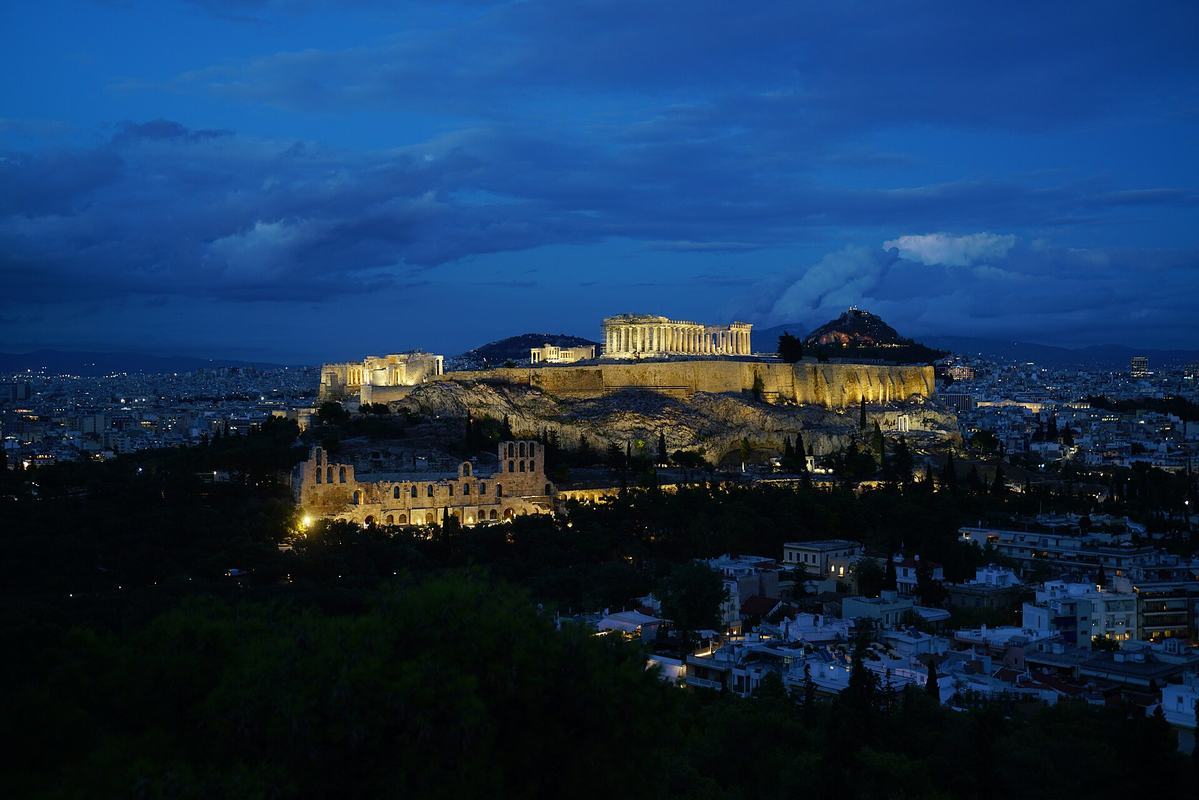
The quietest viewpoint is Filopappou Hill, a pine-covered rise opposite the Acropolis with open views of the Parthenon and the sea. Lycabettus Hill gives the widest panorama, and Strefi Hill above Exarcheia stays local.
Athens is a city of hills, and several of them deliver spectacular views with far smaller crowds than the Acropolis. The standout is Filopappou Hill, the pine-clad rise directly across from the Acropolis, crowned by an ancient monument and laced with stone paths laid out in the twentieth century.
The walk up is gentle and shaded. From the top the Parthenon stands framed against the city, with the Saronic Gulf glinting beyond, in a noticeably calmer atmosphere than the monument itself. For the grandest panorama, Lycabettus Hill is the highest point in central Athens. It is reached on foot through the smart streets of Kolonaki or by a funicular railway, and from its chapel-topped summit the whole city spreads out to the sea. Less known still is Strefi Hill above bohemian Exarcheia. This scruffy, local viewpoint rewards the climb with sunset views and almost no tourists. Each hill offers a memorable vista for the price of a walk.
Which lesser-known museums are worth visiting?
The standout small museums are the Museum of Greek Folk Musical Instruments in Plaka, the Benaki Museum of Greek Culture with its Islamic Art branch, and the Numismatic Museum in the former Schliemann mansion. All stay quiet and affordable.
Athens hides a wealth of smaller, specialist museums that stay quiet even as the great archaeological collections draw the crowds. One highlight is the Museum of Greek Folk Musical Instruments in Plaka, where more than twelve hundred traditional items, from Cretan lyres and Thracian bagpipes to shadow-theatre puppets, fill an elegant townhouse, with recordings to hear as you go.
The Benaki Museum of Greek Culture sits in a neoclassical mansion on the edge of the National Garden. It traces the whole story of Greek art and life from antiquity to the modern era. Its separate Museum of Islamic Art houses one of the world’s finest such collections in a quiet building near Kerameikos. The Numismatic Museum occupies the lavishly decorated former home of Heinrich Schliemann, the excavator of Troy, a sight in itself. These museums charge modest admission, see far fewer visitors than the headline institutions, and often occupy beautiful historic buildings, making them ideal for travellers who want substance without the queues.
What green escapes can you find in the city?
The main green escapes are the National Garden behind the Parliament, the Diomidous Botanical Garden on the western outskirts, and the wooded Kaisariani Monastery on Mount Hymettus. The pine slopes of Lycabettus and Filopappou add shade near the centre.
For all its stone and traffic, Athens conceals pockets of greenery that locals treasure and visitors often overlook. The most central is the National Garden, once the private garden of the Greek queens and now a free public park directly behind the Parliament. Shaded paths wind past duck ponds, palm avenues, a small zoo and botanical plantings, offering instant relief from the summer heat.
Further out, the Diomidous Botanical Garden on the western edge of the city is the largest botanical garden in southeastern Europe, filled with thousands of plant species and a favourite weekend retreat for Athenians. On the wooded western slopes of Mount Hymettus stands the eleventh-century Kaisariani Monastery, a serene Byzantine complex set among cypress and plane trees with springs and walking trails all around. Even the central hills of Lycabettus and Filopappou are clothed in fragrant pine. These leafy escapes provide cool, peaceful counterpoints to the monuments, each within easy reach of the centre.
The best approach to the hidden side of Athens is to slow down and walk. Much of what makes these places special only reveals itself on foot and without a fixed schedule. The sudden view between houses, the quiet courtyard and the workshop still in use reward slow steps, so allow time to wander the back lanes of Plaka, Anafiotika and Psyrri without a destination. Early morning and the golden hour before sunset are the best times. The light is soft, the crowds thin and the city at its most photogenic.
Timing helps too. The central monuments and famous viewpoints fill up in the middle of the day. The hidden hills and neighbourhoods are most rewarding either early or in the evening, when locals come out to stroll, eat and sit in the squares. Sunday morning suits the Monastiraki flea market and a quiet wander before the heat. Warm summer evenings are made for an open-air cinema or a drink in a rooftop bar with the floodlit Acropolis in view.
Reaching these spots is easy and cheap. The metro and a short walk cover most of them, and the hills are climbed on foot. A single transport ticket goes a long way, so exploring the lesser-known Athens costs little beyond your time. That accessibility, combined with the sheer variety of quiet corners packed into a compact centre, is what makes the city such a rewarding place to step off the beaten path.
Which lesser-known ancient sites can you visit?
The best lesser-known ancient sites are the Pnyx, the Roman Agora with the Tower of the Winds, Hadrian’s Library, and the Kerameikos cemetery. Each sits near the centre yet draws far fewer visitors than the Acropolis above them.
Athens holds many ancient places away from the main Acropolis route. The Pnyx is a low hill west of the Acropolis. Citizens gathered here to vote in the world’s first democracy. The stone speaker’s platform still stands, and the site is open and free. Views back toward the Parthenon are wide and quiet. Few tour groups reach it, so the hilltop stays calm even at midday. Pine trees and low ruins line the paths, and the walk from the Acropolis takes only minutes.
The Roman Agora lies just east of the Greek Agora in Plaka. Its centrepiece is the Tower of the Winds, an octagonal marble clock tower carved with the eight wind gods. Nearby stand the ruins of Hadrian’s Library, once a grand hall of scrolls and courtyards. Both sit within a short walk of Monastiraki and see modest crowds. The Tower of the Winds also served as a sundial and a water clock in ancient times. A single combined ticket covers several of these sites and stretches the value of a visit. Early morning is the calmest time to explore them, before the Plaka lanes fill with day-trippers.
The most memorable unusual experiences are a film at the open-air Cine Thisio beneath the floodlit Acropolis, the street art and bars of Psyrri and Metaxourgeio, the Sunday Monastiraki flea market, and a walk through Kerameikos cemetery.
Beyond places to see, Athens offers experiences that capture its quirkier, more atmospheric side. A summer highlight is the open-air cinema, a beloved local institution. The historic Cine Thisio near the Acropolis is one of the oldest, where you watch a film in a garden with the floodlit Parthenon rising behind the screen, a uniquely Athenian evening.
The creative districts of Psyrri and Metaxourgeio reward an evening stroll among street art, design shops and tucked-away bars, while a Sunday morning at the Monastiraki flea market turns up antiques, vinyl, old cameras and curiosities spread through Avissinia Square. For a quieter mood, ride the funicular up Lycabettus to watch the sun set over the city. You can also sip a coffee in a hidden courtyard café in upper Plaka, or wander the tranquil ruins and wildflowers of the Kerameikos, the ancient cemetery of Athens. These small experiences reveal a city that lives well beyond its monuments. The questions below cover what visitors ask most.
The reward of seeking out these quieter places is a richer, more personal sense of the city. Where the great monuments tell the story of ancient Athens, the hidden neighbourhoods, viewpoints, small museums and green corners show how the modern city actually lives, breathes and relaxes. Weaving a few of them into an itinerary alongside the headline sights gives a fuller, more memorable visit, and often it is these unplanned discoveries down a back lane that travellers remember most fondly long after they return home.
Frequently Asked Questions
What are the best hidden gems in Athens?
The best hidden gems in Athens include the island-like neighbourhood of Anafiotika below the Acropolis, the quiet viewpoint of Filopappou Hill, the National Garden behind the Parliament, the wooded Kaisariani Monastery on Mount Hymettus, and small museums such as the Museum of Greek Folk Musical Instruments. Open-air cinemas like Cine Thisio and the Sunday Monastiraki flea market add atmosphere away from the main crowds.
How do you get off the beaten path in Athens?
To get off the beaten path in Athens, explore neighbourhoods beyond the central sights, such as Anafiotika, Psyrri, Exarcheia and Metaxourgeio, climb the quieter hills of Filopappou and Strefi for views, and visit smaller specialist museums instead of only the famous ones. Seek out green escapes like the National Garden and Kaisariani Monastery, and try local experiences such as an open-air cinema or the Sunday flea market.
Is Anafiotika worth visiting?
Yes, Anafiotika is well worth visiting and is one of the most charming hidden corners of Athens. This tiny neighbourhood of whitewashed, blue-shuttered houses on the north slope of the Acropolis was built by island stonemasons and feels like a Cycladic village within the city. Its quiet, stepped lanes are free to wander and offer a peaceful, photogenic contrast to the busy monuments directly above it.
What are the best free hidden gems in Athens?
The best free hidden gems in Athens cost nothing beyond your time. You can wander the island-like lanes of Anafiotika. You can climb Filopappou Hill, Strefi Hill or the Pnyx for wide city views. The National Garden behind the Parliament is free to enter, and the pine slopes of Lycabettus add shade. The street art of Psyrri and Metaxourgeio is open to all, and the Sunday Monastiraki flea market makes a lively free morning.