
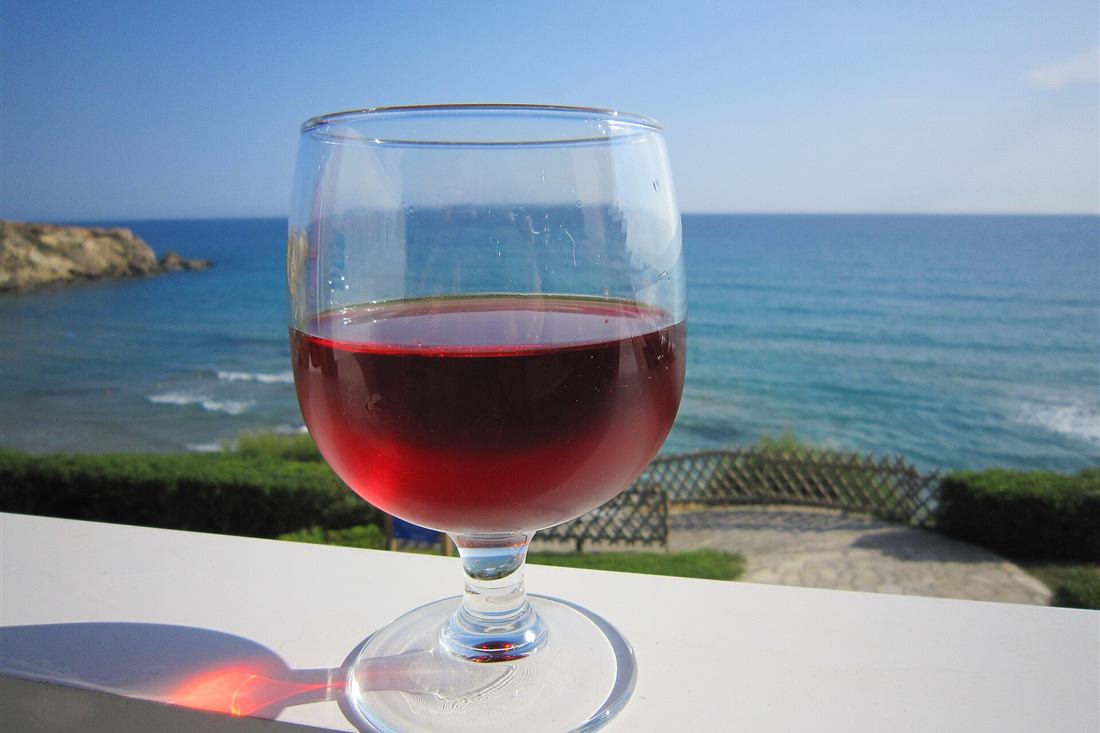
Chania wine tasting runs in the vineyards west and south of the town and in the cellars of the Old Town, with Cretan varieties poured beside local cheese and bread. Plan the rest of the trip with Greece Tours.
What wine tastings run in Chania?
Winery tours with tastings in the Chania countryside, wine and olive oil tours that pair a winery with a mill, a wine walk through the Old Town, evening wine dinners, private sommelier-led days, and tastings in wine villages near Kissamos and in Apokoronas.
One local operator runs private and semi-private tours, full days, half days, walking tours and evening tours, with visits to wineries, vineyards, olive oil mills and historical sites.
A Rethymno-based operator adds a private gin and wine tasting with lunch, a private herbs and wine tour and a full-day Sacred Paths wine tour from Chania.
The food side of the city sits at Chania food tour.
When do Chania wine tours run?
From early April to the beginning of November for the wine tours of one Chania operator, with its wine, olive oil and honey tour running all year round, and fixed weekdays for the semi-private tours.
The Old Town wine walk runs on Fridays at 11:00. The five-hour Wine Discovery tour runs on Monday, Wednesday and Friday at 13:00.
The wine dinner at Manousakis runs Wednesday to Saturday with pick-ups from 18:30. The wine, olive oil and honey tour runs on weekdays from 9:30.
Private tours pick up in Chania Town and the surrounding area at set morning times.
What is the Old Town wine walk?
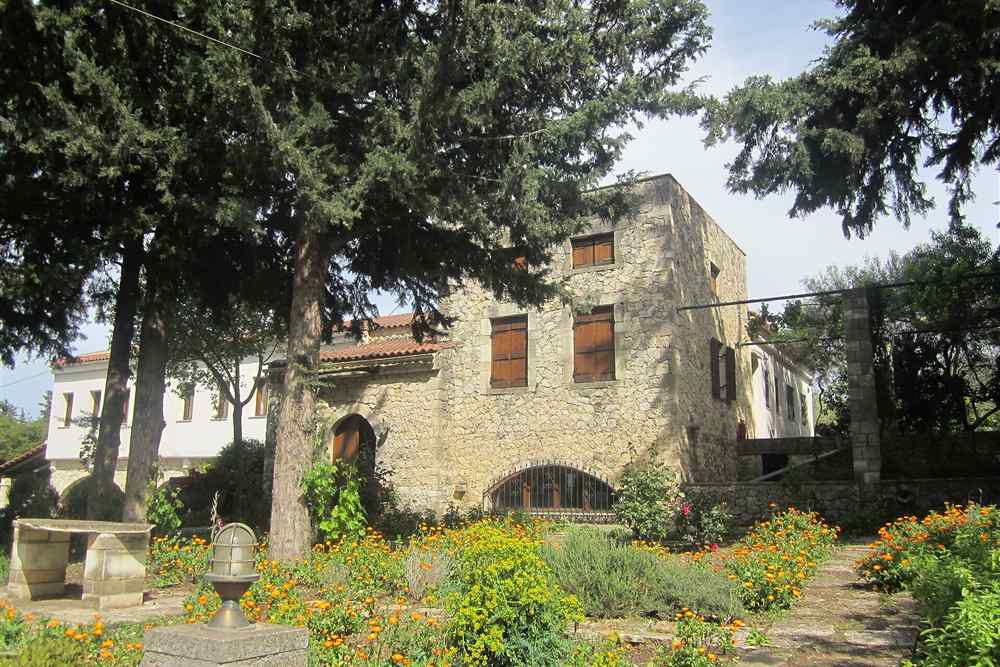
It runs on Friday at 11:00 and needs no transport.
The Old Town grew on the site of Minoan Kydonia, which Linear B tablets from Knossos name Ku-do-ni-ja.
The rest of the Old Town sits at Chania walking tour.
What is the Manousakis winery?
The GetYourGuide tour holds a 4.3 rating from 46 reviews. Children aged 6 and younger are not permitted.
The evening tour pairs a winery tour and tasting with a full dinner and wine pairing, for 4 hours.
A private full-day tour ends with lunch and wine at Manousakis.
What is the Dourakis winery?
A winery in Alikampos in the mountains of Apokoronas, founded in 1988 by Andreas Dourakis after studying winemaking in Germany, making wine from organically grown grapes, with tastings in a rustic courtyard and cave cellars built into the mountain.
Logari, the first wine made there, was the first privately bottled wine in Chania.
Visitors walk a botanical garden of Cretan herbs, the sparkling wine room, the barrel room and a store room cut into the mountainside, and taste by a winemaking and folklore museum.
The winery hosts cooking classes, art exhibitions and concerts.
What wines does Dourakis pour?
Pavo Romeiko, a white wine made from the red Romeiko grape, Cassiopeia Brut, a traditional-method sparkling Romeiko, Lihnos Vidiano, Kudos Muscat of Spinas, Zelos Kotsifali and Kudos Cuvee Kotsifali Syrah, among whites, reds, roses and dessert wines.
Pavo Romeiko shows pale lemon colour and aromas of white peach, lemon, pear and white flowers.
Zelos Rose shows strawberry and spice aromas.
What is Romeiko?
A red grape indigenous to Greece, grown on Crete and prominently in the Chania region and above all Kissamos, late maturing and high-yielding, used for red, rose and white wines and for the traditional sherry-like marouvas.
Its name comes from Romios, a term for modern Greeks.
Its pomace is distilled to make tsikoudia.
Kissamos, a red wine of 13 per cent alcohol, and Clos de Creta, a white, are made from Romeiko.
Which other Cretan grapes appear in a tasting?
Vidiano, a white grape with peach, apricot, melon, honey and herb aromas, Kotsifali, a red grape of the Heraklion area blended with Mandilaria, Liatiko, an old red grape that ripens in July, and Muscat of Spinas.
Vidiano grows mainly in Rethymno and then around Heraklion, in dry, calcareous soils.
Liatiko was blended with Mandilaria and Kotsifali into Malvasia, a sweet red wine exported by Venetian traders in the Middle Ages.
The island’s wineries sit at Crete wineries.
What is the Wine Discovery tour?
The tour meets at Plateia Markopoulou in Chania.
Anoskeli pairs a winery with an olive mill.
Karavitakis appears on three of the operator’s tours.
What is the olive tree of Vouves?
An olive tree in Ano Vouves near Kolymvari in the Chania regional unit, at least 2,000 years old by tree-ring analysis and 4,000 years old by a University of Crete estimate, still bearing olives, and a stop on three wine tours of one Chania operator.
Its trunk has a perimeter of 12.5 metres and a diameter of 4.6 metres.
It was declared a protected natural monument in 1997, and an olive tree museum opened nearby in October 2009.
Branches from the tree made the victors’ wreaths at the 2004 Athens and 2008 Beijing Olympics.
What is the wine, olive oil and honey tour?
It runs all year round, unlike the operator’s other wine tours.
The hosts are a winemaker who revived his grandfather’s Romeiko vineyards and a certified sommelier and wine writer.
The olive oil side sits at Chania olive oil tour.
What private wine tours run from Chania?
A certified sommelier guides both tours, with pick-up and drop-off in Chania Town and the surrounding area.
What do the GetYourGuide wine tours offer?
Children aged 4 and younger join the olive oil, wine, cheese and honey tour for free.
The village tasting near Kissamos pours 5 wines with locals.
Where are the wine villages of Chania?
In Apokoronas east of Chania, a green municipality of 75 villages between the White Mountains and the sea, at Vatolakkos, home of the Manousakis winery, and around Kissamos in the west, the heartland of the Romeiko grape.
Apokoronas is the home of the Dourakis winery at Alikampos.
Much of the film Zorba the Greek was shot in Apokoronas.
Chania lies 145 kilometres west of Heraklion and 70 kilometres west of Rethymno.
What is the history of Cretan wine?
Today’s appellations include Peza, Archanes, Dafnes and Sitia.
Calcisol soils over limestone let vine roots reach deep for water, with hot, sunny summers and mild, rainy winters.
Winds from North Africa and cooling breezes off the Aegean shape the vineyards.
How do you book a Chania wine tasting?
Book the semi-private tours online for their fixed days, request private sommelier tours for the date and pick-up point, and check the season, since one operator runs its wine tours from early April to the beginning of November.
Semi-private tours cap groups at 8 guests, and the Old Town walk at 10.
A road-works notice limits the pick-up zone on two tours, so check the pick-up before booking.
The Rethymno side sits at Rethymno wine tasting.
Which grapes does a Chania wine tasting pour?
Cretan varieties: Vidiano, Vilana and Thrapsathiri in white, Kotsifali, Mandilaria, Liatiko and Romeiko in red, alongside international vines grown on the same slopes.
Romeiko is the old variety of the Chania hills and is used for both dry and sweet wine.
Vidiano has come back into wide planting in the last decades.
Crete has grown vines since Minoan times.
Where do the wineries sit around Chania?
In the hills south and west of the town, around Vatolakkos, Alikianos and the Kissamos valleys, with vineyards on terraces under the White Mountains.
Most estates lie within half an hour of the old town.
The slopes face north towards the sea, which keeps the nights cool.
Olive groves run between the vineyards on the same land.
What happens on a Chania wine tasting?
A walk through the vineyard and the cellar, an explanation of the varieties and the harvest, then a seated tasting of four to six wines with cheese, bread, olives and cured meat.
Tastings are poured in order, whites first.
The winemaker or a member of the family leads most visits.
Bottles are sold at the estate at the end.
How long does a Chania wine tasting take?
About two hours at one estate, half a day for two, and a full day when the route adds lunch and a village stop.
Transport is arranged for tastings outside the town.
Groups stay small at the smaller estates.
Booking ahead matters in harvest season.
When is the harvest in Chania?
From August into September, when the presses run and the cellars are busiest, with the vines cut back over winter and the new growth showing in spring.
Visits during harvest see the fruit coming in.
Spring visits show the bud break on the terraces.
The estates stay open through the year for tastings.
What food is served with a Chania wine tasting?
Graviera and mizithra cheese, barley rusks with tomato and oil, olives, dakos, cured pork and honey with walnuts at the end.
The cheese comes from the same mountains as the vines.
Rusks are dressed with local oil at the table.
Raki is poured after the wine at most estates.
What is raki?
The clear spirit distilled on Crete from the pressed grape skins left after the wine is made, served cold in small glasses at the end of a meal.
It is called tsikoudia on the island.
Distilling runs in the weeks after the harvest.
Every village has its own still.
Does a Chania wine tasting suit beginners?
Yes. The hosts explain each variety in plain terms, the pours are small and food is served alongside.
Spitting is offered and normal at a tasting.
Drivers are given water and food instead of full pours.
Groups with children are seated in the shade with food.
Frequently Asked Questions
How much is a wine tasting in Chania?
Which grape is native to Chania?
Romeiko, a red grape grown prominently around Chania and Kissamos, used for red, rose and white wines and the sherry-like marouvas.
When do Chania wine tours run?
From early April to the beginning of November for one local operator, with its wine, olive oil and honey tour running all year.