

Uncover the secrets of the Temple of Poseidon at Cape Sounion. Explore ancient artifacts such as the Sounion Kouros, votive offerings, and terracotta figurines. Delve into the archaeological finds including inscriptions, seals, and scarabs. Learn about the history and mysteries of these relics through highlights from excavations. Discover the rich past and treasures unearthed from Poseidon’s sanctuary, including metal objects and museum artifacts. Our guided tours offer a fascinating journey into ancient Greece, revealing what was found at the iconic Temple of Poseidon. Visit My Greece Tours for an unforgettable experience!
Temple of Poseidon Artifacts: Discover Secrets of Massive Ancient Temple Uncovered
Explore the Temple of Poseidon at Cape Sounion with My Greece Tours and dive into the mysteries of ancient Greece. Discover artifacts like the magnificent Sounion Kouros, a symbol of ancient devotion, as well as terracotta figurines and metal objects that tell stories of worship and daily life. Marvel at the inscriptions and seals uncovered during excavations, revealing the temple’s significance as a religious hub. Wander through history where stunning architectural design meets the maritime myths of Poseidon. Join us on a journey through time, discovering the rich history and cultural treasures that await at this iconic sanctuary.
Discovering the Temple of Poseidon: An Archaeological Marvel
Uncovering the secrets of the Temple of Poseidon is like stepping back into the heart of ancient Greece, a time when temples personified divine power and artistry. The Temple of Poseidon stands as an archaeological marvel, offering rich insights into the religious and cultural practices of its time. Positioned majestically on Cape Sounion, this ancient temple is not only a testament to the architectural splendor of its creators but also a hub of significant archaeological finds. Amongst its treasures are artifacts that unravel stories of worship and celebration carried out in the temple’s sacred spaces.
This ancient temple’s design and layout showcase the distinctive characteristics and evolution of Greek architecture over centuries. The temple’s location, overlooking the endless blue of the Aegean Sea, enhances its mystical allure and significance. Through meticulous archaeology, treasures from this temple, like terracotta figurines and inscriptions, unveil the historical narrative of Poseidon’s worship. The Temple of Poseidon continues to be a focal point for archaeologists and historians, providing valuable insights into the intersection of history, mythology, and architecture.
Uncovering the History and Significance
Unlocking the secrets of the Temple of Poseidon is like opening a time capsule revealing the rich history, mythology, and cultural essence of ancient Greece. Perched on the majestic cliffs of Cape Sounion, this archaeological site is a testament to the Greeks’ reverence for Poseidon, the god of the sea. The temple isn’t just a religious marvel; it embodies Greece’s storied past and mythology. Delving into its history unravels tales of ancient rituals and offerings made to appease Poseidon, ensuring safe voyages across the turbulent seas. Among these fascinating finds, the Sounion Kouros statue stands as a symbolic votive offering, shedding light on ancient worship practices. The temple’s ruins bear the marks of Hellenic architectural brilliance, while discoveries here speak volumes about the significance of maritime life in ancient Greek society. As you wander through what was once a magnificent structure, you’re not just visiting a relic; you’re journeying back in time to uncover stories intertwined with Greece’s historical and mythical landscape. So, if you’re captivated by ancient tales and architectural wonders, experiencing the enchantment of the Temple of Poseidon’s treasures offers an unforgettable glimpse into Greece’s illustrious past.
| Aspect | Description | Notable Finds | Cultural Significance |
| Architectural Features | The Temple of Poseidon is a classical Greek temple showcasing the Doric order, situated on the Sounion promontory. | Marble columns and intricate friezes. | Represents an architectural marvel of ancient Greece, embodying harmony and balance. |
| Historical Relevance | Constructed in the Golden Age of Athens during the fifth century BC, playing a vital role in ancient Greek maritime practices. | Epigraphic evidence indicating naval activity. | Symbolizes Athenian power and devotion to Poseidon, god of the sea. |
| Main Excavation Finds | Archaeological investigations have revealed significant artifacts that offer insights into ancient religious practices. | Statues, bronze figurines, votive tablets. | Findings contribute to understanding the ritual worship and offerings to Poseidon. |
| Material Culture | Artifacts discovered at the site illustrate the material culture of ancient Attica. | Ceramics, weapon fragments, and personal items. | Highlights the interconnectedness of worship and daily life in ancient Greek society. |
This table provides a concise overview of the Temple of Poseidon’s enduring archaeological and cultural importance.
Key Excavation Finds at the Temple
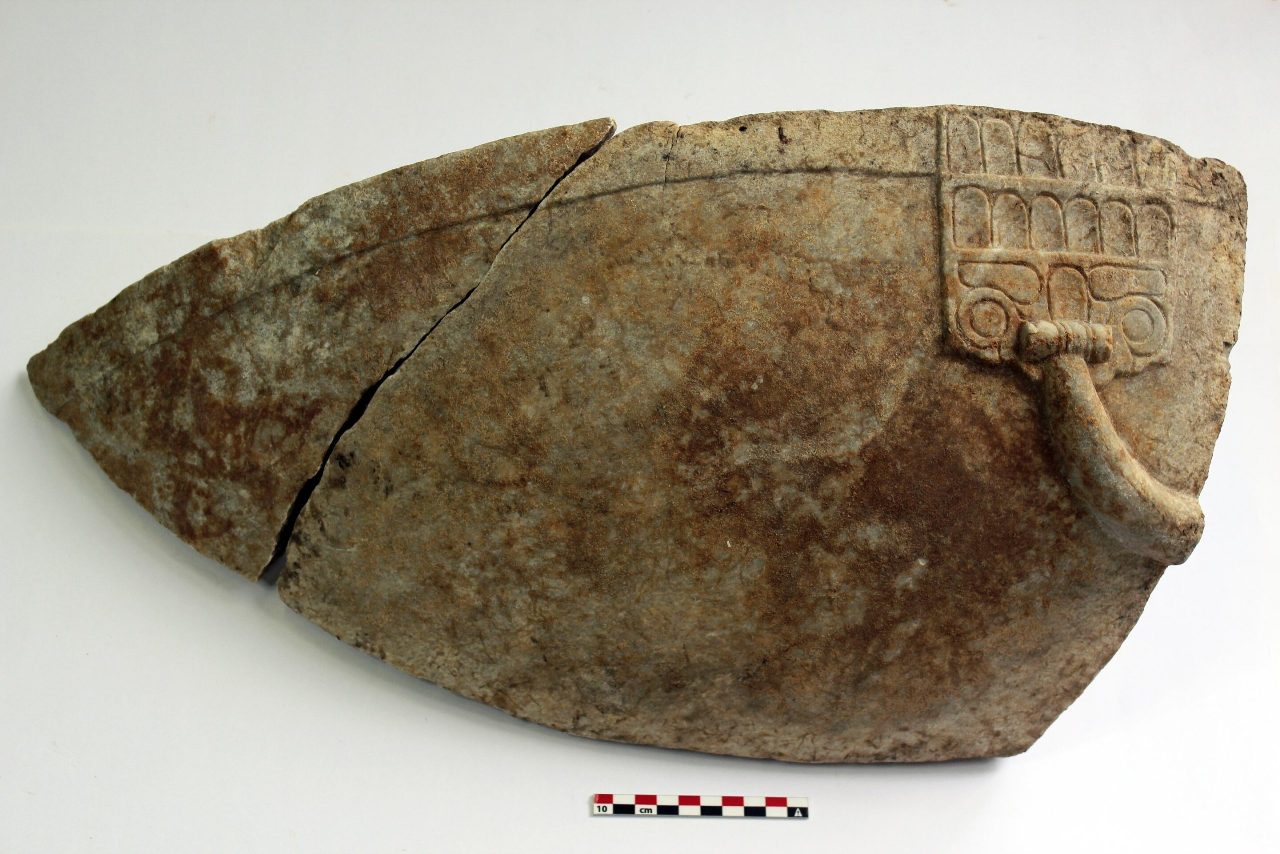
Among the treasures unearthed at the Temple of Poseidon, the discovery of an ancient statue stands out, captivating visitors with its majestic aura. The excavation team also found a stunning bronze figurine, showcasing the intricate craftsmanship of ancient times. Another remarkable find is a wash basin, offering insights into the daily rituals conducted at this sacred site. Imagine yourself during these ancient times, using such artifacts in worship ceremonies, a part of life at the temple. In addition, a bronze tablet was uncovered, etched with mysterious inscriptions that still intrigue scholars today. This tablet not only adds depth to our understanding of the ancient practices but also ties the past with the present through its preserved words. Each of these artifacts tells a story, giving us a glimpse into the traditions and ceremonial practices that took place centuries ago. With these excavation finds, the Temple of Poseidon becomes a fascinating gateway to the past, where every ancient statue, bronze figurine, wash basin, and bronze tablet enriches our understanding of this hallowed site.
Temple Characteristics: Understanding Its Unique Design
The Temple of Poseidon at Sounion stands proudly above the Aegean Sea, showcasing its unique design and architectural brilliance. Understanding its temple characteristics is like taking a peek into ancient Greek minds. The temple’s architecture reflects a harmonious blend of functionality and beauty, symbolizing reverence and power dedicated to the mighty sea god, Poseidon. The temple’s distinct Doric columns, constructed with local marble, highlight its sturdy yet elegant style. Each column, evenly spaced, adds to the temple’s visual flow, inviting visitors to admire its sheer grandeur. The unique design includes a rectangular floor plan, typical yet enhanced with exquisite details that reflect the temple’s cultural richness. This architectural masterpiece was strategically located to guide sailors, aligning perfectly with the surrounding landscape, which further accentuates the temple’s characteristics. The temple is known for its extraordinary carvings and sculptures that once adorned its precincts, showcasing artistic excellence and dedication. Remaining fragments whisper stories of ancient rituals and offerings. As you explore Sounion, you’ll uncover layers of history captured through its temple characteristics and appreciate the genius behind its unique design, forever sealing its place in the annals of architecture.
Architectural Elegance of the Rotunda
When you step into the magnificent Temple of Poseidon, you can’t help but be awestruck by the architectural elegance of the rotunda. This ancient masterpiece, nestled at Cape Sounion, showcases the temple’s exquisite design that has stood the test of time. The rotunda’s circular form is a striking example of how ancient architects harnessed both functionality and beauty, blending them seamlessly. As you explore this ancient site, you’ll notice the temple’s perfect symmetry, a hallmark of classical design, which elevates its architectural elegance. Walking among the ruins, you feel the presence of history in every stone, each carved with meticulous care to create this iconic ancient temple. Whether it’s the temple’s robust columns or the intricately designed rotunda, each feature contributes to the overall grace the temple exudes. Though time has worn down some of its original splendor, the architectural elegance of this rotunda is a testament to the awe-inspiring skill and creativity of ancient builders. So, step into the past and let the charm of this remarkable temple captivate your senses.
Symbolism Through Design: An Exploration
In the heart of Greece, the Temple of Poseidon stands not only as an architectural wonder but as a testament to the rich symbolism woven through its design. The temple’s majestic structure draws from the profound relationship between humans and the divine, echoing the power of Poseidon himself. Each column, meticulously crafted, represents waves of the sea, capturing the essence of the Greek god who reigned over the oceans. As you step into this sacred space, the intricate details of the design tell tales of worship and reverence, with every stone meticulously placed to honor Poseidon. This temple is more than just a building; it’s a celebration of Greek culture and a canvas for the symbolism that defines ancient Greek spirituality. Discover how the harmony between form and function in the temple’s design reveals stories of ritual and belief. The architects of old cleverly infused meaning into the aesthetics, creating a space where devotees could connect with Poseidon in ways that transcended the physical world. Explore this fusion of art and spirituality, where every element holds profound significance.
Sounion’s Archaeological Highlights: A Glimpse into the Past
Have you ever wondered what secrets lie within the magnificent ancient structures of Greece? At the heart of it all is the Sounion Temple, a captivating piece of ancient Greek history. As one steps into this historic site, the compelling array of archaeological wonders unearthed offer a reflection into the life of yesteryears. From elaborate inscriptions to precious ancient Greek votive offerings, each artifact tells its own story. These finds emphasize the historical importance of Cape Sounion, showcasing its role as a pivotal religious site. The skilled craftsmanship evident in these relics underlines the significance the ancient Greeks placed on reverence and reflection. Walking through the ruins, visitors are not just witnessing a monumental site, but are momentarily transported to an era where mythology and society were intertwined. This incredible site offers enthusiasts and travelers alike an immersive journey through the footprints of ancient cultures, making it a must-visit for anyone wishing to delve into the vibrant tapestry of ancient Greek civilization. Come and explore these archaeological highlights at the Sounion Temple today!
Famous Artifacts and Their Stories
Unveiling the famous artifacts of the Temple of Poseidon takes you on a thrilling journey through ancient Greek history. These artifacts each have stories to tell, shedding light on the lives and beliefs of the ancient Greeks who worshipped here. Among the most notable is the Sounion Kouros, a beautiful statue that served as a votive offering, reflecting their deep reverence for the gods. Another standout is the collection of terracotta figurines, emblematic of the artistry and craftsmanship of the era. The excavation unearthed inscriptions and intricate seals, each with its own story, portraying messages or dedications to the god Poseidon. Metal objects, including tools and decorative items, speak volumes of the everyday life and ceremonial practices of the temple’s visitors. Each artifact not only tells its own tale but collectively narrates the grand story of the Temple of Poseidon, bringing to life the spirituality and cultural expressions of ancient Greece. Delving into these stories provides a vivid experience of history, offering a profound connection to the past and its timeless allure.
Continue the captivating journey through the relics of the Temple of Poseidon by exploring their remarkable features and historical significance:
- Delve into the artistic intricacies behind the Sounion Kouros statue.
- Discover the symbolism in the terracotta figurines’ detailed craftsmanship.
- Uncover the messages coded within the unearthed ancient inscriptions.
- Appreciate the ceremonial significance of metal decorative items.
- Investigate the functionalities of the temple’s ancient metal tools.
- Study the spiritual dedications inscribed on intricate seals.
- Analyze the collective narrative these artifacts weave about Greek spirituality.
These insights deepen the appreciation of the temple’s rich historical tapestry.
The Sounion Kouros: A Votive Offering
The Sounion Kouros, an impressive ancient statue, stands as a fascinating votive offering to Poseidon. This striking artifact is not just any statue, it’s a masterpiece, showcasing the dedication and artistry of ancient Greeks. The Kouros was discovered among other artifacts at the Temple of Poseidon, nestled on Cape Sounion’s dramatic cliffs. Measuring over 3 meters, it symbolizes youthful masculinity and divine presence, attributes highly revered in ancient Greek culture. As a votive offering, the Sounion Kouros served as a bridge between mortals and the divine, paving the way for followers to express devotion to the mighty Poseidon. Crafted from marble, the statue’s artistry offers a glimpse into the rich tapestry of ancient Greek civilization, highlighting the importance of religious practices. These offerings were key to understanding how the ancient Greeks perceived their gods and showcased their artistic prowess. It’s fascinating to see how this statue and other artifacts discovered at Poseidon’s temple reveal stories of worship and devotion. Each visit to see the Sounion Kouros invites you to step back into a world where gods, art, and culture intertwined seamlessly.
The Role of Poseidon: Worship in Ancient Greece
The Role of Poseidon in Ancient Greece encompassed more than just his dominion over the sea; he played a vital part in cultural practices rooted in Greek mythology. Worship of Poseidon wasn’t confined to mere offerings but included grand festivals and rituals celebrating his power and influence. For the ancient Greeks, this deity commanded respect as a god wielding control over both land and sea, making him a pivotal figure in their pantheon. Cultural practices reflected the myriad ways Poseidon’s favor was sought, from sacrifices at temples like the one at Cape Sounion, to elaborate myths woven into the fabric of Greek daily life. Ancient Greece was a tapestry of rich mythology, with Poseidon’s tales symbolizing man’s relationship with the natural world. Worship in his name spanned vast territories, highlighting his importance not just as a god but as a cultural symbol. Through these traditions, Greeks expressed reverence for the mighty Poseidon, whose presence was felt throughout their mythology and cultural practices, further cementing his status in the annals of history, and influencing practices for generations.
Cultural Practices and Religious Significance
Diving into the cultural practices and religious significance tied to the temple of Poseidon reveals much about ancient Greece. Poseidon, being the god of the sea, symbolized strength and protection. His devotees were known for their ritual wash practices, a cleansing ceremony that was essential in their religious significance. This process was often carried out at the temple, blending mythology with everyday life, and reinforcing the spiritual connection between worshippers and Poseidon. The temple’s location at Cape Sounion was no accident, as it provided a dramatic backdrop and a direct line to the horizon, symbolizing the vastness and power of the sea. In Greek mythology, Poseidon’s influence was vast, touching every part of life, from agriculture to safe passage across treacherous waters. These cultural practices weren’t just religious in significance; they were a testament to the Greeks’ deep respect for the natural world and its governing deities. Through these traditions, the Temple of Poseidon stood as both a spiritual haven and a cultural hub, blending the essence of ancient Greek mythology with tangible ritual practices.
So, when you visit the Temple of Poseidon with My Greece Tours, you step into a world where history whispers through ancient artifacts like the impressive Sounion Kouros and fascinating votive offerings. Discover terracotta figurines, metal objects, and inscriptions that provide insights into the rituals and daily lives of ancient Greeks. Join us to explore the archaeological discoveries at Cape Sounion, and let the relics from the Temple of Poseidon transport you back in time. You’ll appreciate the wonders unearthed during the excavation, highlighting the rich history and culture of Greece. Are you ready for this unforgettable journey?

What can I expect to see at the Temple of Poseidon with My Greece Tours?
During your visit, you’ll discover a range of ancient artifacts like the magnificent Sounion Kouros, terracotta figurines, metal objects, and inscriptions that shed light on ancient Greek religious practices and daily life.
Why is the Temple of Poseidon at Cape Sounion significant?
The Temple of Poseidon is not only an architectural marvel but also an important religious site in ancient Greece. It’s perched majestically at Cape Sounion, offering breathtaking views of the Aegean Sea and carrying a rich history of Poseidon’s worship.
What is the Sounion Kouros, and why is it important?
The Sounion Kouros is a stunning statue discovered at the Temple of Poseidon. It served as a votive offering and signifies youthful masculinity and divine presence, showcasing the artistry and dedication of ancient Greeks.
How do the artifacts found at the temple enhance our understanding of ancient Greek culture?
Artifacts such as terracotta figurines, metal objects, and inscriptions provide valuable insights into ancient rituals, daily life, and the religious significance of Poseidon in Greek culture.
What architectural features make the Temple of Poseidon unique?
The Temple of Poseidon showcases the Doric style with its elegant design, sturdy columns made from local marble, and a strategic location overlooking the Aegean Sea. This architectural elegance reflects the Greeks’ reverence for Poseidon.